



Hormuz Shipping Crisis Drives 38% Freight Cost Surge | Cross-Border Sellers Face Supply Chain Shock
- Brent crude near $100/barrel (+38% vs pre-conflict $72), insurance costs spike, affecting manufacturing and logistics for all product categories shipping via Asia-Middle East corridors



















Overview
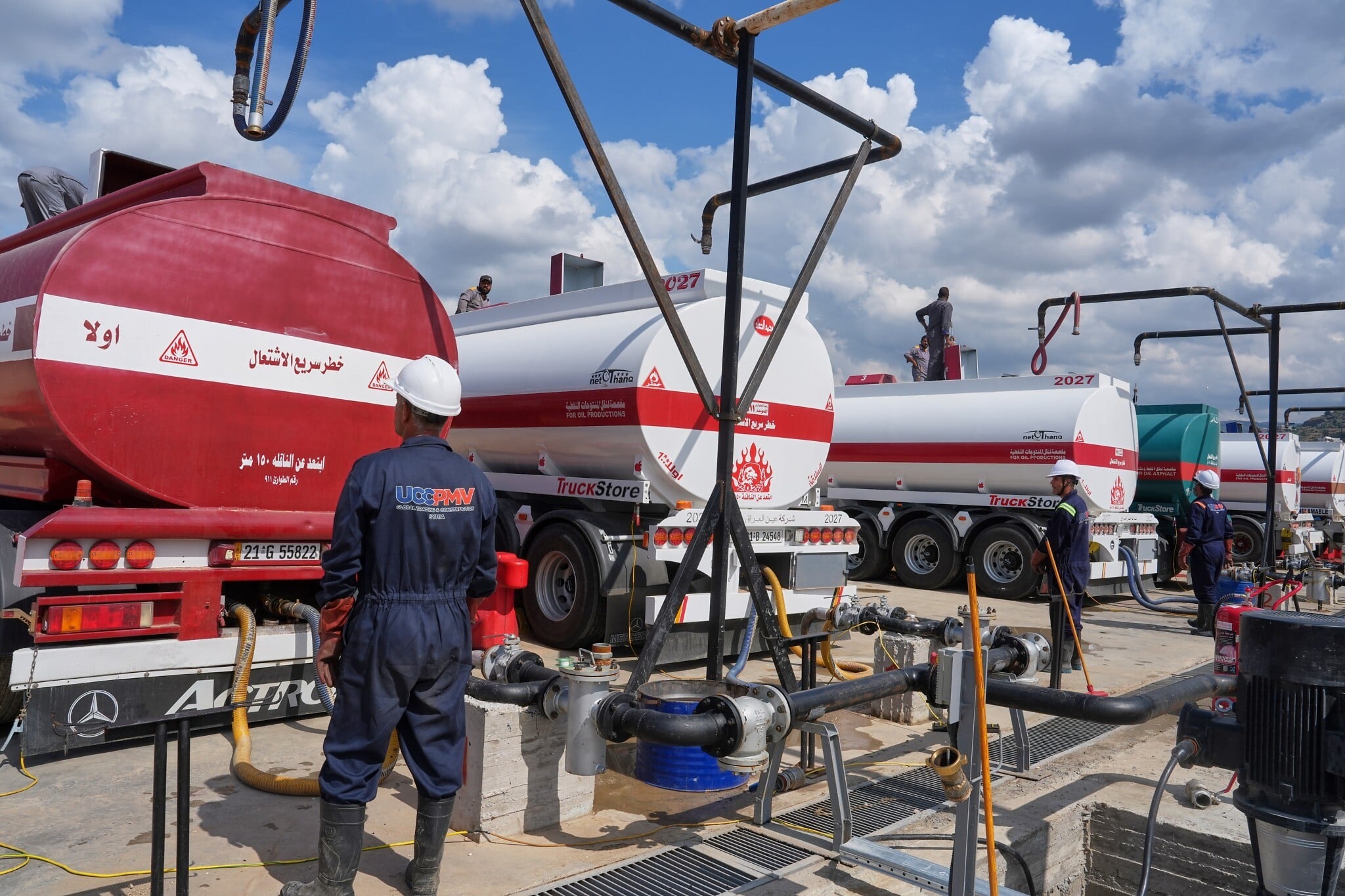
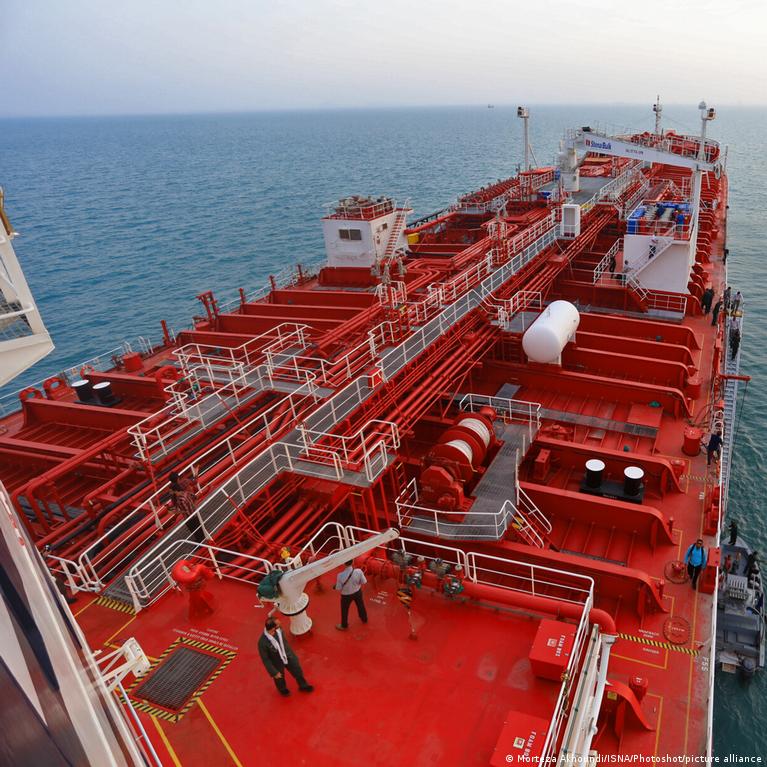
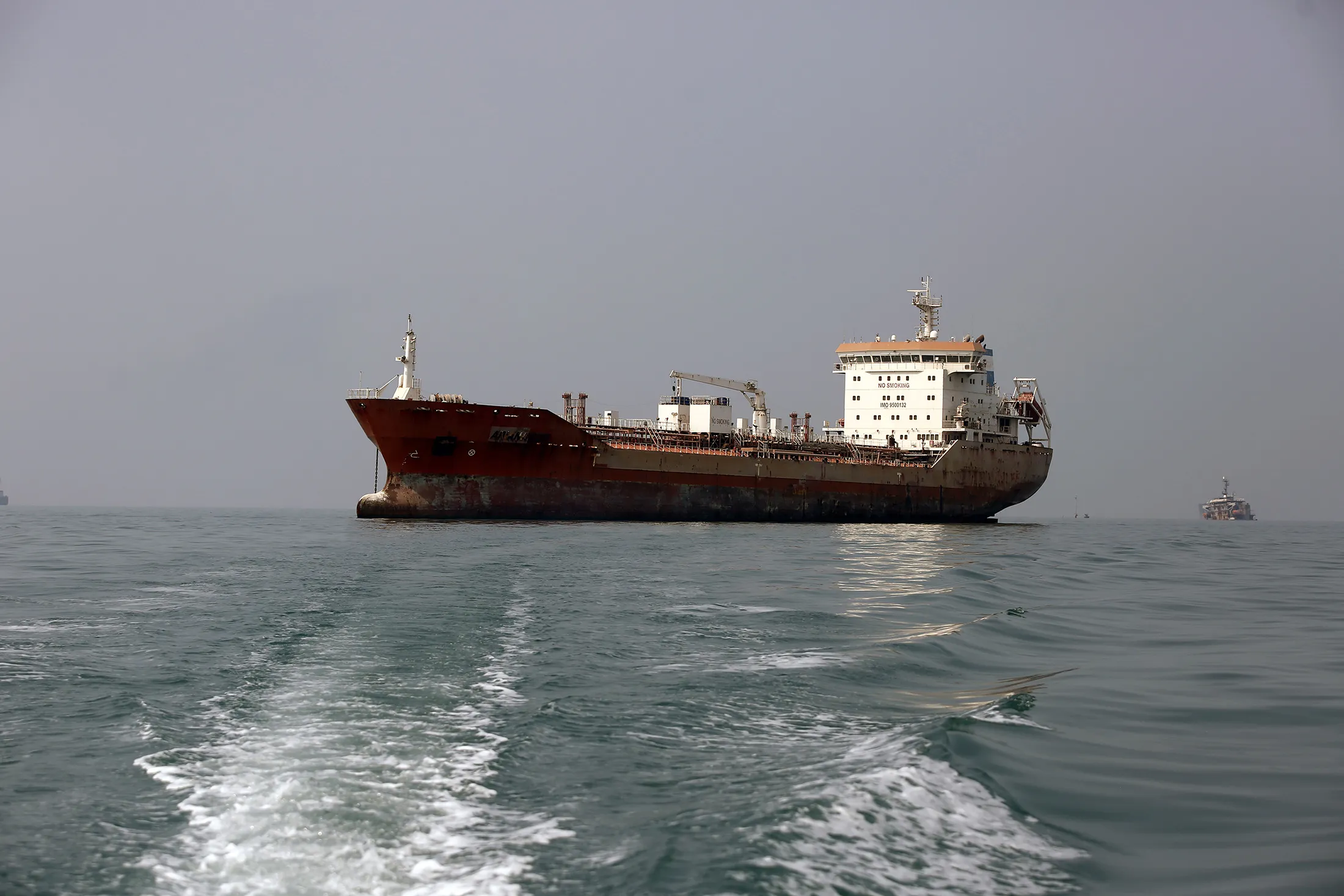
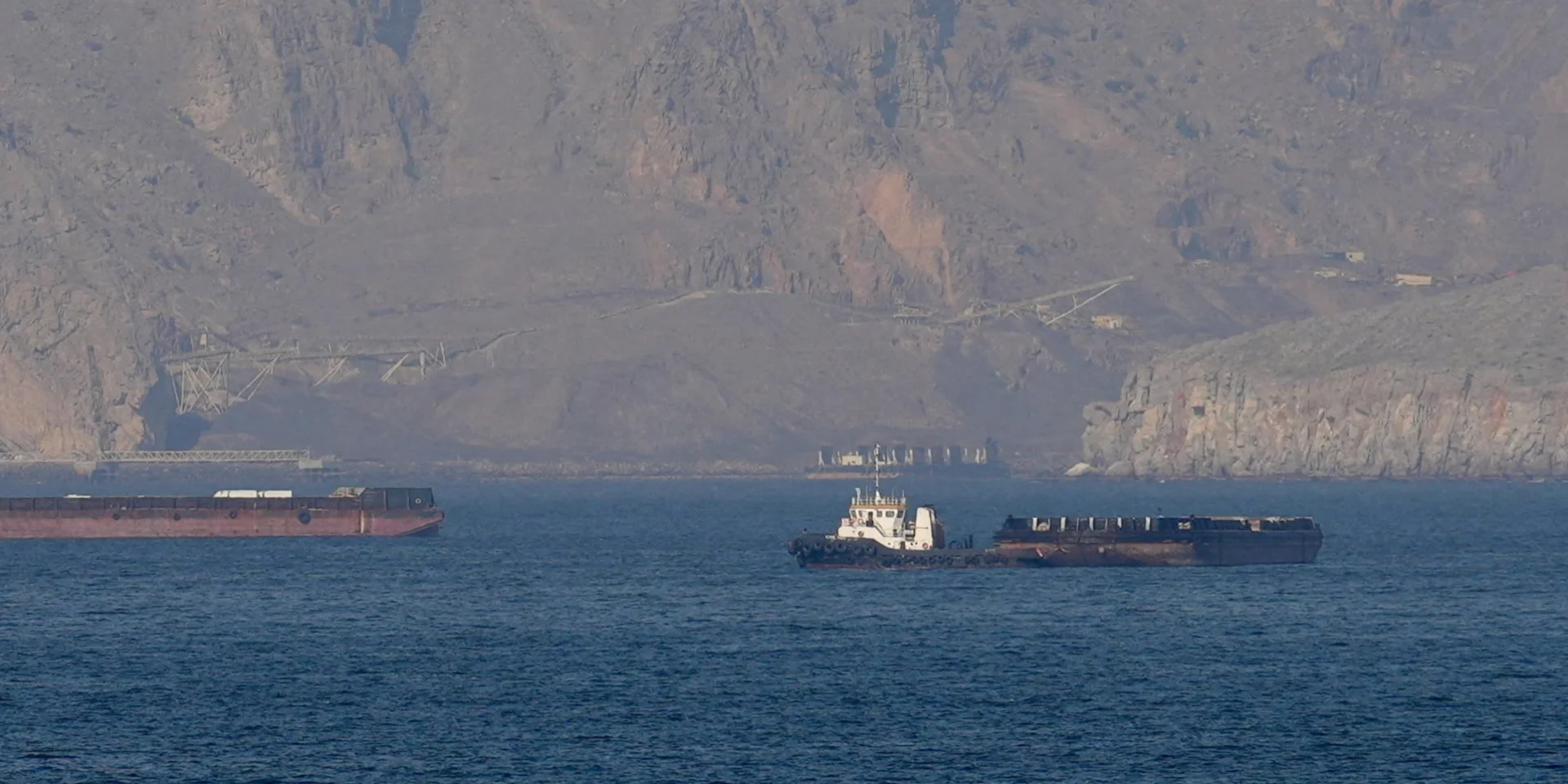
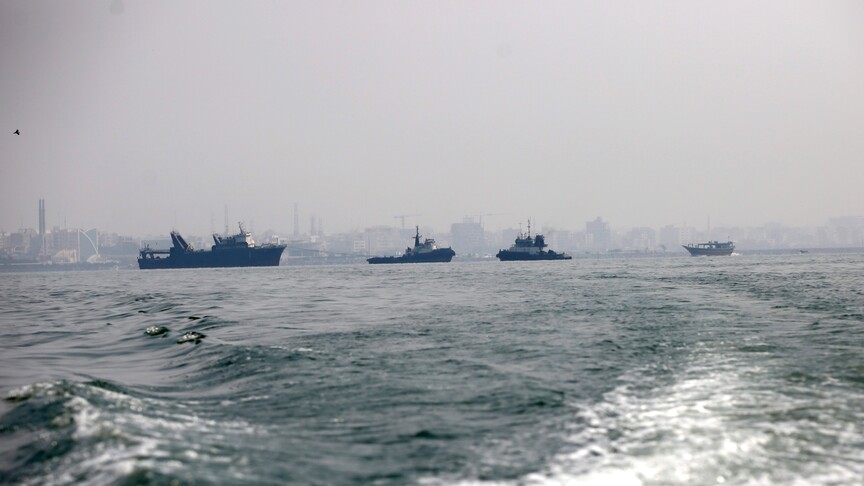
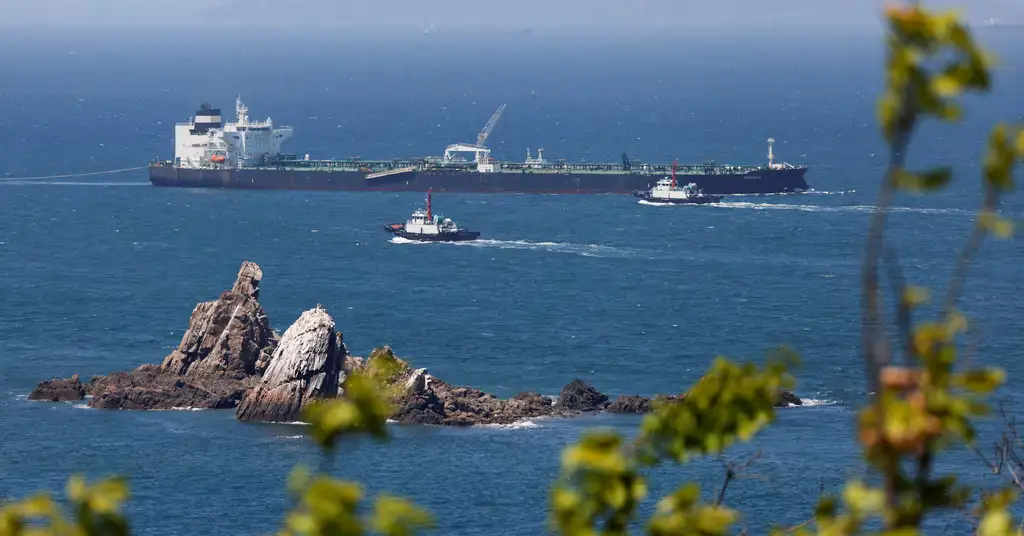
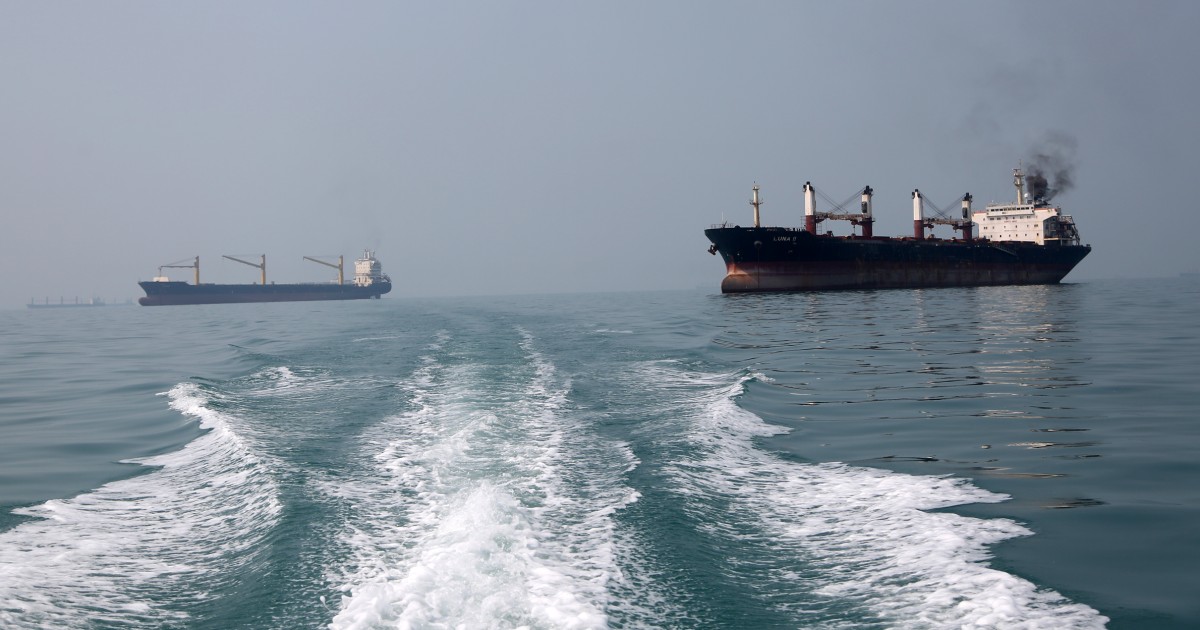
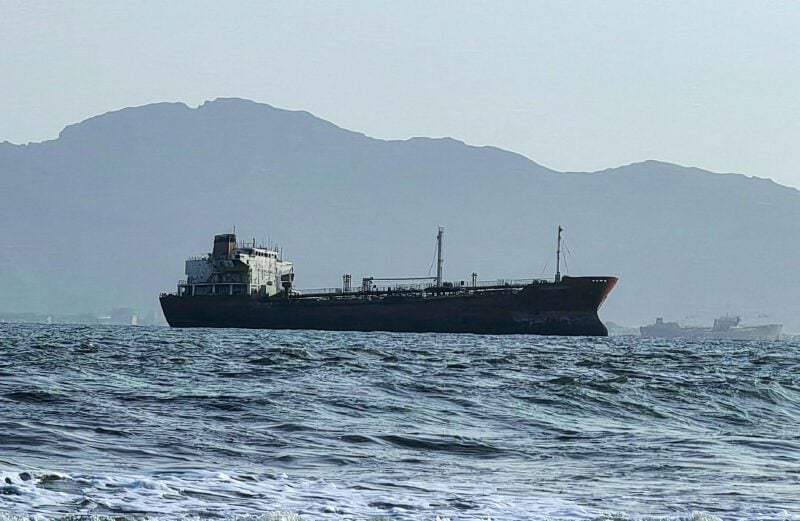
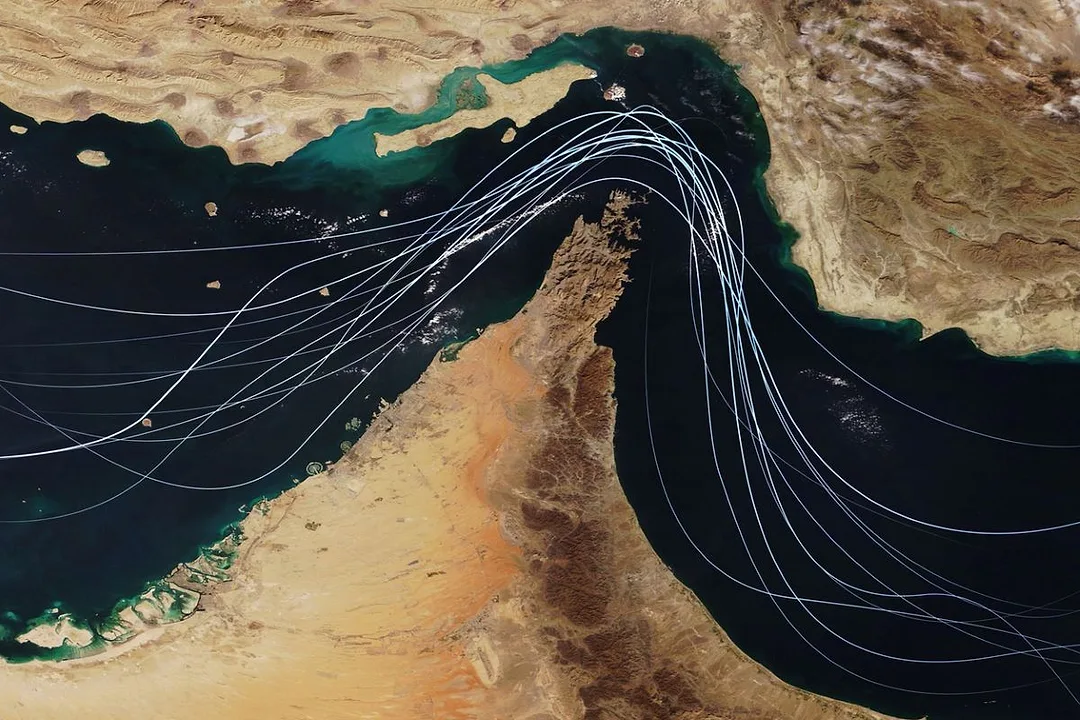
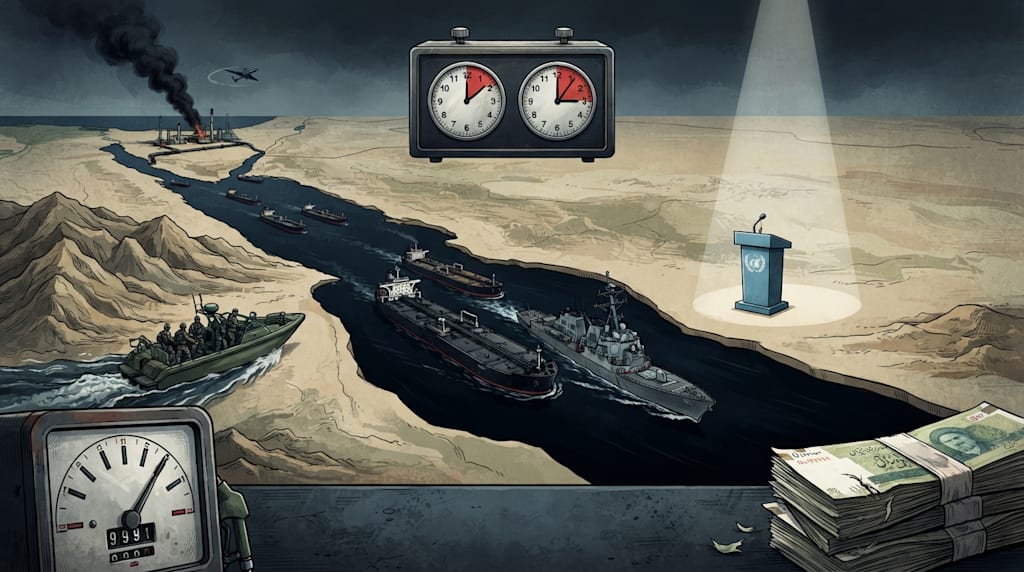
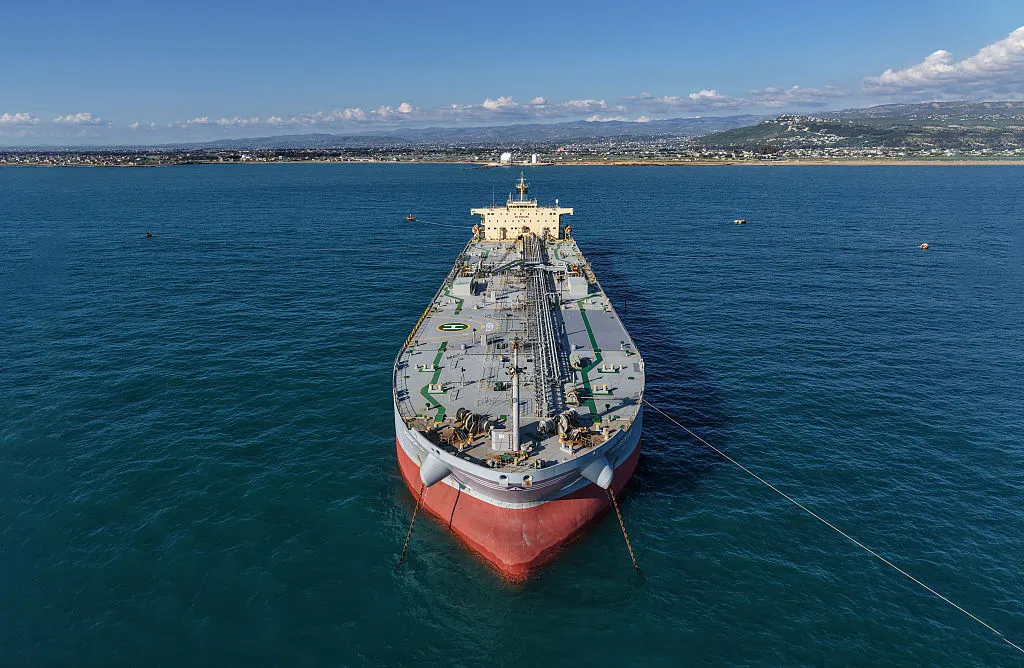
The Strait of Hormuz security crisis is creating a direct cost shock for cross-border e-commerce sellers. With approximately 21% of global petroleum transiting daily through this chokepoint, escalating military attacks on tankers (at least one daily since October 2) have triggered a cascading supply chain crisis affecting all sellers. Brent crude prices remain near $100/barrel compared to $72 before the conflict—a 38% increase—while shipping companies face substantially higher freight, insurance, and security costs. For e-commerce sellers, this translates to immediate operational impacts: increased manufacturing costs in Asia-Pacific production hubs, elevated logistics expenses for inbound inventory, and margin compression across all categories.
The operational mechanics reveal critical seller vulnerabilities. Oil exports now bypass Hormuz through alternative routes (Saudi Arabia's East-West pipeline and ship-to-ship transfers), with approximately 40% of Middle East crude circumventing the strait entirely. However, these workarounds are unsustainable—the shuttle system requires substantial tanker availability, pushing freight costs higher and reducing capacity elsewhere. Asian buyers increasingly source crude from distant suppliers, straining global shipping mechanics. For sellers sourcing from China, Vietnam, India, and Southeast Asia, this means competing for limited container capacity while paying premium rates. Sellers shipping to Middle East markets face additional security surcharges and routing delays.
The timeline creates urgent competitive pressure. Saudi Aramco CEO Amin Nasser warned that nearly three billion barrels of oil supply have been lost since February, with inventory rebuilding potentially requiring two years even after Hormuz reopens. This signals sustained energy cost inflation through at least Q2-Q3 2025. Sellers with locked-in supplier contracts face margin compression of 8-15% depending on category (electronics/appliances most exposed due to manufacturing energy intensity). Conversely, sellers with flexible sourcing can exploit this window: shifting production to regions with lower energy costs (India, Mexico, Eastern Europe) or negotiating long-term contracts at current rates before further escalation. The competitive advantage accrues to sellers who act within the next 30-60 days before supply chain adjustments cascade through pricing.
Market-specific impacts vary by geography and category. US-based sellers importing from Asia face 12-18% higher landed costs due to fuel surcharges and insurance premiums. EU sellers shipping to Middle East markets encounter additional complexity—the UK Maritime Trade Operations agency reports daily attacks, forcing rerouting through longer, more expensive corridors (around Africa). Sellers in energy-intensive categories (electronics, appliances, machinery, chemicals) experience 10-15% COGS increases, while lower-weight categories (apparel, accessories, beauty) see 3-5% impacts. Asian sellers exporting to Western markets gain temporary advantage as their domestic energy costs remain relatively stable, allowing margin preservation while Western competitors absorb cost shocks.
Questions 8
Are there tariff or trade policy opportunities from this crisis?
Yes—geopolitical supply chain disruptions typically trigger policy responses. Monitor for: (1) Temporary tariff exemptions on critical imports (US may exempt certain Asian goods to ease supply pressure), (2) Nearshoring incentives (Mexico/Central America production subsidies), (3) Strategic reserve releases affecting commodity prices. The news indicates policymakers are calling for enhanced international cooperation to secure shipping lanes. This creates potential for trade agreement acceleration or temporary duty relief. Subscribe to trade policy alerts from USTR.gov and EU Trade Commission to capture opportunities within 60-90 days.
How should I adjust my inventory strategy?
Implement dynamic inventory management: (1) Reduce safety stock by 15-20% to minimize holding costs during high-cost shipping period, (2) Increase order frequency with smaller quantities to improve cash flow (weekly vs monthly orders), (3) Prioritize fast-moving SKUs and reduce slow-movers by 30-40%, (4) Negotiate consignment terms with suppliers to shift inventory risk. The news reports at least one attack daily since October 2, indicating sustained disruption through at least Q1 2025. This elevated uncertainty justifies leaner inventory. Monitor demand signals weekly and adjust replenishment accordingly.