


Fed Rate Relief Signals EUR/USD Opportunity | European Sellers' Payment & Pricing Strategy Shift
- U.S. rate cuts could strengthen euro 2-4% vs. dollar, reducing cross-border payment costs and improving margins for 50K+ European e-commerce sellers exporting to U.S. markets


























Overview
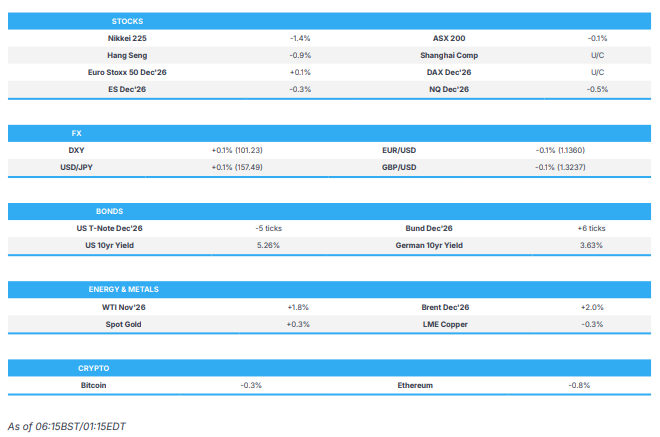
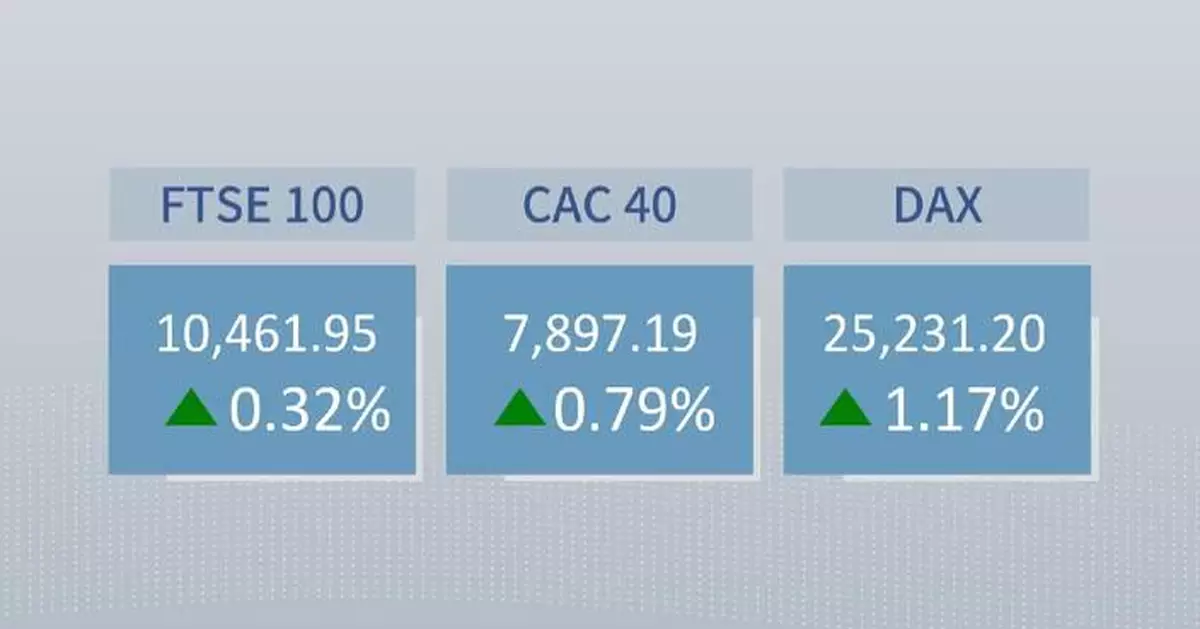
European equity markets staged a modest recovery on October 5, 2026, signaling potential U.S. Federal Reserve rate cuts that carry significant implications for cross-border e-commerce payment optimization and currency risk management. The pan-European STOXX 600 rose 0.4% as investors responded to cooling U.S. labor market data, with the FTSE 100 gaining 0.7% and Italy's FTSE MIB climbing 0.8%. This relief rally reflects market expectations that Fed rate cuts could be forthcoming, potentially easing borrowing costs for European companies and supporting equity valuations. For cross-border e-commerce sellers and logistics operators, the critical opportunity lies in EUR/USD currency dynamics and their direct impact on international payment processing costs and pricing strategies.
The financial mechanics are straightforward: lower U.S. interest rates typically strengthen the euro relative to the dollar, creating a favorable environment for European sellers exporting to U.S. markets. When the Fed cuts rates, the interest rate differential between U.S. and eurozone currencies narrows, reducing the carry trade advantage of holding dollars and increasing demand for euros. This currency appreciation translates directly into payment cost savings. European sellers currently paying 1.5-2.5% in cross-border payment fees (via Wise, Stripe, or traditional banks) could see effective cost reductions of 2-4% if EUR/USD strengthens from current 1.08-1.10 levels to 1.12-1.14. For a seller processing €100,000 monthly in U.S. sales, a 3% EUR appreciation saves €3,000 in payment conversion costs alone. Additionally, stronger euro pricing power allows European sellers to maintain U.S. dollar prices while improving euro-denominated margins, effectively capturing currency gains without raising prices that could impact competitiveness.
The operational impact extends to working capital optimization and financing access. European sellers with U.S. dollar receivables benefit from delayed conversion timing—holding dollars longer becomes more profitable if the euro strengthens. Invoice financing providers like Fintech platforms (Wise for Business, Revolut Business) and traditional factors are already adjusting terms for sellers with USD exposure, offering 0.5-1.0% better rates on dollar-denominated invoices. Sellers should immediately review their payment settlement timing: delaying EUR conversion by 5-10 days during rate-cut cycles could unlock 1-2% additional margin. Furthermore, the anticipated rate cuts signal improved borrowing conditions for European SMEs, making this an optimal window for PO financing and inventory loans to scale U.S. operations. Lenders like Clearco, Uncapped, and traditional trade finance providers are already pricing in lower refinancing costs, offering 8-12% APR on inventory financing (down from 14-18% in 2024). The three-week market decline that preceded this recovery created technical oversold conditions, attracting bargain-hunting activity—a signal that European sellers' own inventory valuations may be temporarily depressed, creating opportunities for strategic inventory purchases at lower costs before demand rebounds.
However, the recovery remains fragile due to Middle East geopolitical tensions, which could reverse currency gains and disrupt shipping costs. Sellers must implement immediate FX hedging strategies: forward contracts locking in EUR/USD at current 1.08-1.10 levels provide downside protection while capturing upside if rates fall as expected. The upcoming Purchasing Managers' Index (PMI) releases will provide crucial data on eurozone manufacturing and services sector activity—weak PMI readings could derail the rate-cut narrative and weaken the euro, making hedging essential for risk management.
Questions 8
How do Purchasing Managers Index (PMI) releases affect e-commerce demand and seller strategy?
The news states that PMI releases will provide crucial data on manufacturing and services sector activity across the eurozone, directly influencing business confidence and consumer spending patterns that affect e-commerce demand. PMI readings above 50 indicate economic expansion, while readings below 50 signal contraction. Strong PMI data supports the rate-cut narrative and strengthens the euro, benefiting European sellers exporting to the U.S. Weak PMI data could reverse the October 5 market recovery and weaken the euro, reducing payment cost savings. Sellers should monitor PMI releases (typically published on the first business day of each month) and adjust their inventory, pricing, and financing strategies accordingly. If PMI data is strong, sellers should accelerate U.S. inventory purchases and delay EUR conversion. If PMI data is weak, sellers should reduce U.S. exposure and convert USD to EUR immediately.
What is the cash conversion cycle benefit for European sellers if they delay USD-to-EUR conversion?
Delaying USD-to-EUR conversion by 5-10 days during rate-cut cycles improves cash conversion cycles by capturing currency appreciation. For a seller with €100,000 monthly U.S. sales and a 30-day payment cycle, delaying conversion by 10 days extends the cash conversion cycle from 30 to 40 days but captures 0.5-1.0% additional currency appreciation (€500-1,000). This strategy is particularly valuable during volatile periods like the October 5 recovery, when daily EUR/USD movements can exceed 0.5%. However, sellers must balance this against working capital needs: if they require immediate EUR conversion to pay suppliers, the strategy is not viable. Sellers with 30+ days of cash reserves should implement this approach, using platforms like Wise for Business or Stripe to execute delayed conversions at optimal rates.