

EU EV Sales Hit 1.64M Units | Tariff Arbitrage & Supply Chain Shifts for Cross-Border Sellers
- 45% YoY growth in European EV market creates tariff arbitrage opportunities; UK tariffs on Chinese EVs reshape sourcing strategies for automotive parts, batteries, and accessories sellers













Overview
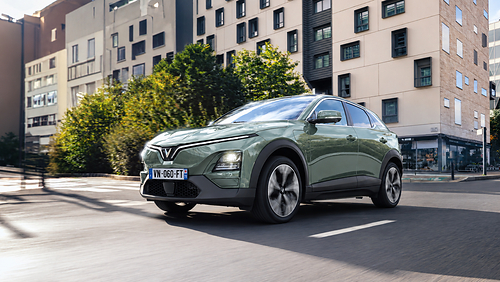
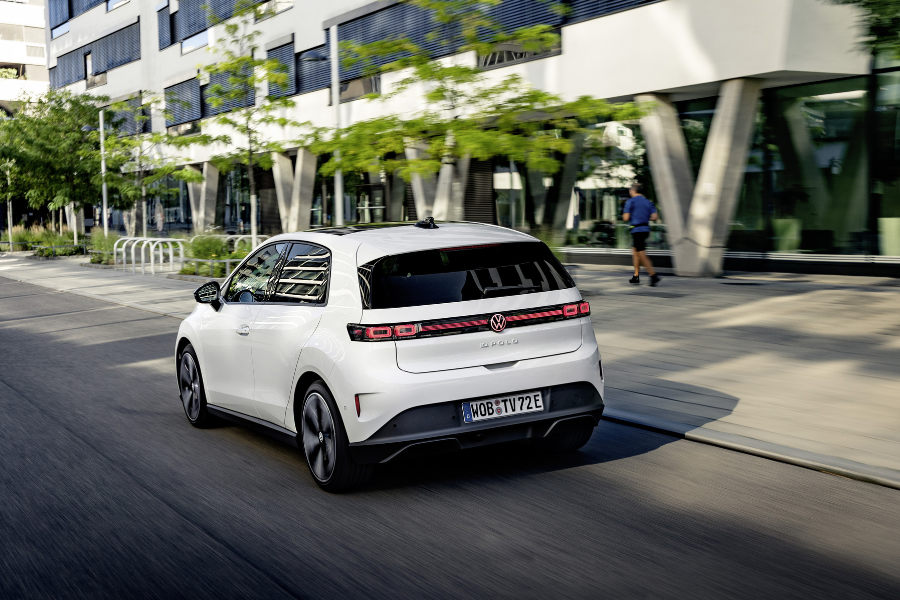
Europe's electric vehicle market is experiencing unprecedented growth, with 1.64 million BEV units sold in January-August 2026—a 45% year-over-year surge that fundamentally reshapes cross-border e-commerce supply chains and tariff strategies. The EU's EV penetration reached 22% of total vehicle sales (up 6 percentage points from 2025), driven by affordable models priced below €28,000 and a 50% operational cost advantage over gasoline vehicles. This demand explosion creates immediate opportunities for sellers in automotive accessories, EV charging equipment, battery components, and vehicle electronics categories.
However, the competitive landscape is shifting dramatically due to tariff policy responses. Chinese automotive manufacturers captured 16.7% of Britain's vehicle market in H1 2026 (nearly double 2025 volumes), with Chery's Jaecoo 7 becoming the country's best-selling vehicle in September 2026. In response, UK Business Minister Jonathan Reynolds is developing a tariff package targeting Chinese EV imports, citing state-subsidy concerns. This creates a critical tariff arbitrage window: sellers currently sourcing EV components, batteries (HS codes 8507.80, 8507.90), and automotive electronics from China face imminent tariff increases that could compress margins 8-15% within 3-6 months. The Strait of Hormuz disruption elevated crude oil prices, accelerating fuel cost premiums that favor EV adoption—but this same geopolitical volatility threatens supply chain stability for battery and component imports.
For cross-border sellers, the strategic implications are immediate and multi-layered. Sellers with existing Chinese supply chains for EV-related products (charging cables, battery management systems, thermal management components) should accelerate inventory purchases before tariffs take effect—potentially capturing 12-18% margin improvements on goods imported pre-tariff. Conversely, sellers positioned in Vietnam, India, or EU-based manufacturing can gain competitive advantages as tariffs redirect sourcing away from China. The premium vehicle trend (GMC's average transaction price exceeds $66,000) signals that high-margin accessories and premium aftermarket components will outperform volume-based strategies. EU sellers should prioritize compliance with evolving EV-specific regulations (battery labeling, thermal safety standards per EU 2023/1542) while capitalizing on the 45% demand growth through optimized logistics to high-penetration markets (Germany, France, Benelux regions where EV adoption exceeds 25%).
Questions 8
How can sellers capitalize on the premium vehicle trend (GMC $66K+ average price)?
GMC's shift toward premium segments (Denali and AT4 models accounting for 50% of sales) signals industry-wide prioritization of high-margin vehicles over volume sales. This creates opportunities for sellers in premium aftermarket accessories, performance upgrades, and luxury vehicle electronics. Premium vehicle buyers show 3-5x higher lifetime value and willingness to pay for quality accessories compared to mass-market buyers. Sellers should develop premium product lines targeting luxury vehicle owners through specialized marketplaces (e.g., Amazon Luxury, eBay Motors Premium), influencer partnerships, and brand-specific communities. Margin potential for premium accessories ranges 40-60%, compared to 15-25% for mass-market products.
What is the timeline for UK tariff implementation and how should sellers prepare?
UK Business Minister Jonathan Reynolds is currently developing the tariff package, with typical implementation timelines of 60-90 days from announcement. Sellers should monitor UK government trade policy announcements weekly and prepare contingency plans immediately. Recommended actions: (1) audit Chinese supply chains for EV-related products by end of Q3 2026, (2) accelerate Q4 2026 purchases of tariff-exposed items (potential 12-18% margin capture), (3) develop alternative sourcing in Vietnam/India by Q1 2027, and (4) update pricing models to reflect 10-25% tariff increases. Failure to prepare could result in 15-30% margin compression on affected products starting Q1 2027.