




Hormuz Strait Gridlock Threatens E-Commerce Supply Chains | Immediate Logistics Rerouting Required
- 5-10 day shipping delays increase landed costs 8-15% for food, agricultural, and just-in-time inventory sellers; alternative routes via Suez Canal add $800-2,400/container






Overview
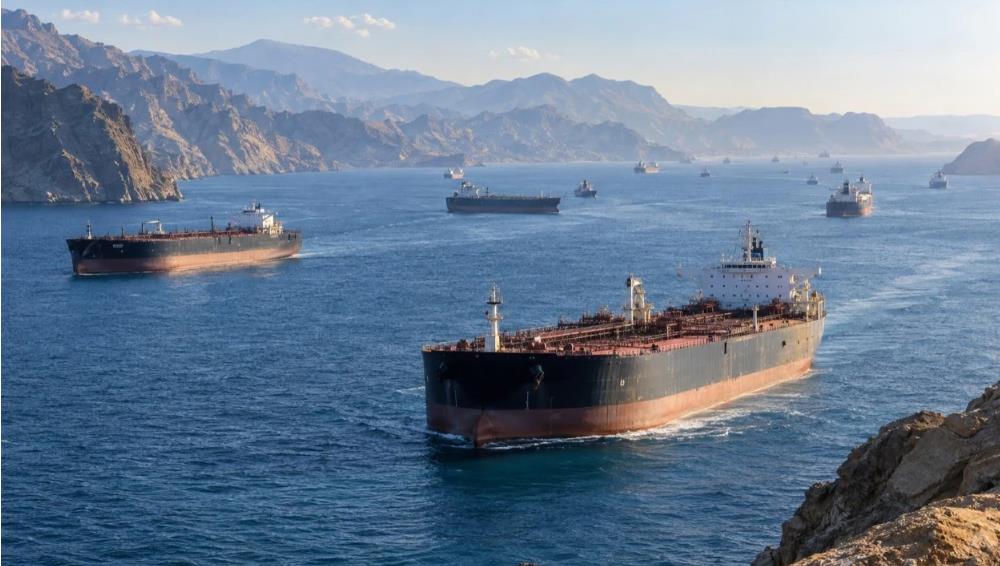
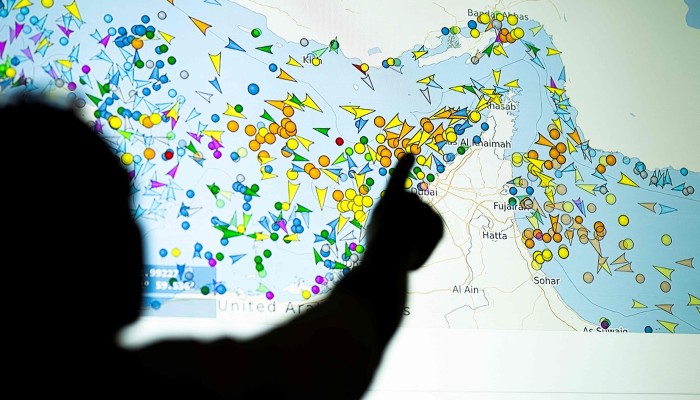
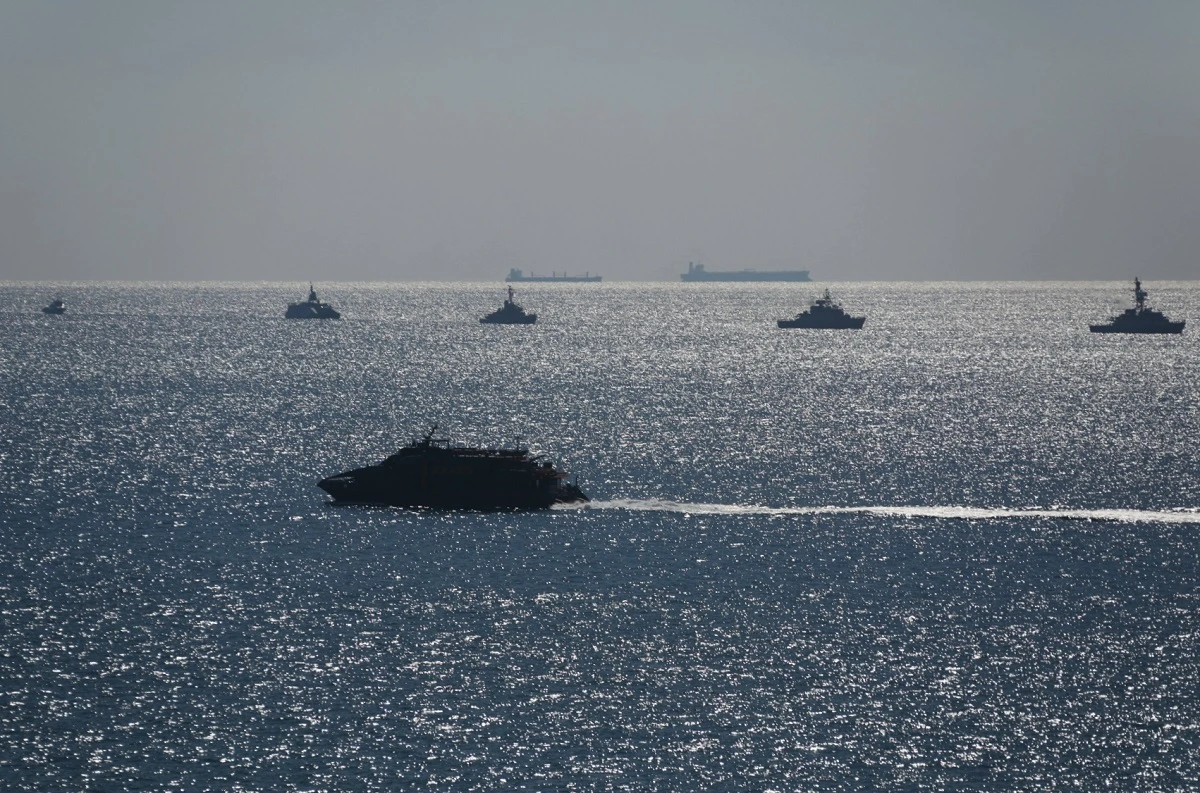
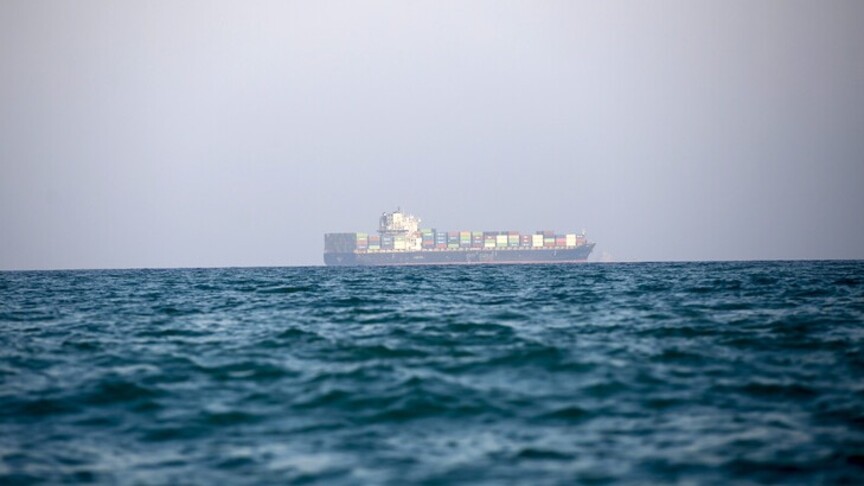
The International Chamber of Commerce has issued a critical warning that sustained disruptions in the Strait of Hormuz—through which 21% of global petroleum and 30% of liquefied natural gas transit daily—could trigger cascading supply chain failures affecting cross-border e-commerce sellers globally. The ICC analysis indicates that even moderate delays of 5-10 days significantly increase shipping costs, inventory holding periods, and ultimately landed costs for sellers. For e-commerce operators, this represents an immediate logistics crisis requiring strategic action across three dimensions: route optimization, inventory repositioning, and supplier diversification.
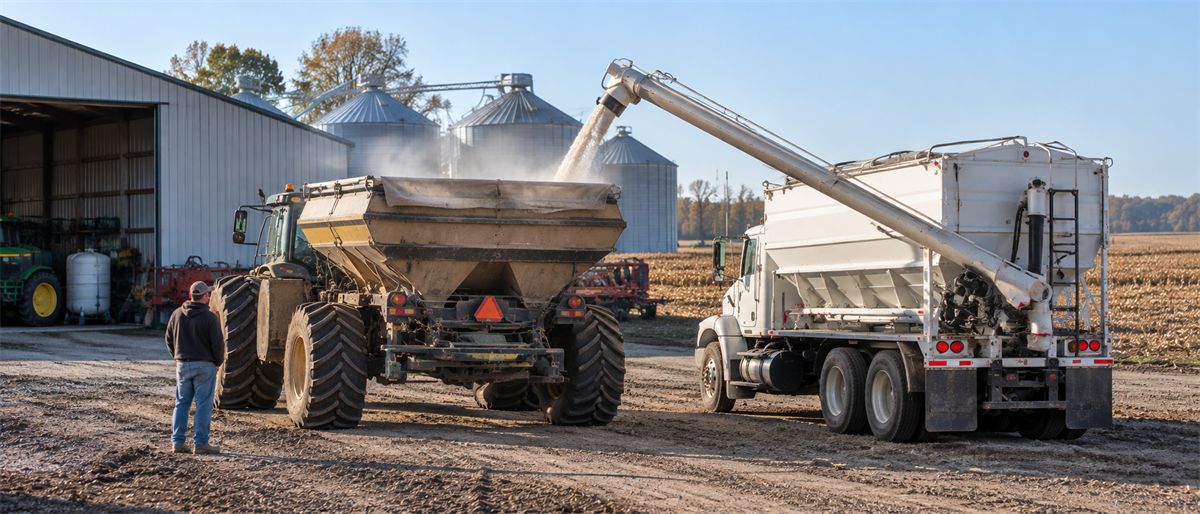
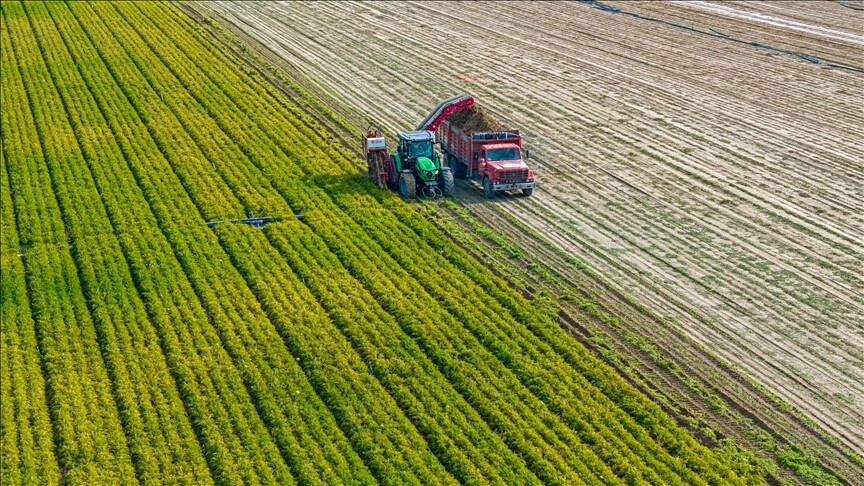
Immediate Cost Impact on Seller Operations: The Hormuz gridlock directly affects ocean freight rates on critical Asia-to-Middle East-to-Europe and Asia-to-US routes. Current market data shows that rerouting cargo via the Suez Canal (adding 8-12 days transit time) increases container costs by $800-2,400 depending on container size and origin port. For sellers shipping food products, agricultural commodities, or temperature-controlled goods, these delays translate to higher cold chain costs and increased spoilage risk. A typical 20-foot container of perishable goods from Southeast Asia to Europe normally costs $1,200-1,800 via Hormuz; rerouting adds $1,000-1,500 in additional freight plus $400-600 in extended inventory holding costs. This 40-60% cost increase directly compresses margins for sellers operating on 15-25% gross profit margins in food and agricultural categories.
Strategic Sourcing and Inventory Repositioning: Sellers should immediately evaluate sourcing alternatives from non-Hormuz-dependent regions. Indian suppliers (particularly for spices, textiles, and agricultural products) offer 15-20% cost advantages via alternative Indian Ocean routes avoiding Hormuz entirely. For food and beverage sellers, consider increasing inventory buffers in US East Coast and European warehouses by 30-45 days of stock NOW—before potential gridlock intensifies. Sellers currently relying on just-in-time inventory models from Middle Eastern suppliers (fertilizers, petrochemicals, industrial inputs) face critical risk; shift to 60-90 day safety stock or identify alternative suppliers in North Africa or Eastern Europe. Amazon FBA sellers should prioritize repositioning inventory to regional fulfillment centers (US-East, EU-Central) rather than relying on single-origin shipments, reducing exposure to Hormuz delays.
Warehouse and Fulfillment Strategy: Optimize warehouse positioning by increasing inventory allocation to strategic hubs: US East Coast ports (Savannah, Charleston) for Atlantic-facing markets, and European inland warehouses (Rotterdam, Hamburg) for EU distribution. For sellers using 3PL providers, negotiate contracts that include alternative routing clauses and force-majeure provisions protecting against Hormuz-specific delays. Consider hybrid fulfillment models: maintain 40-50% inventory in regional FBA centers and 50-60% in third-party logistics facilities with flexible routing capabilities. This dual approach reduces single-point-of-failure risk while maintaining cost efficiency.
Questions 8
How do I calculate the total landed cost impact of Hormuz disruptions on my products?
Total landed cost = Product cost + Freight + Tariffs + Insurance + Handling + Storage. Hormuz disruptions primarily impact the Freight and Storage components. Calculate your baseline landed cost by origin port, then add 8-15% for Hormuz delay scenarios. Example: A $10 product with $2 freight and $1 tariff = $13 baseline landed cost. With Hormuz delays, freight increases to $2.30-2.50 and storage adds $0.40-0.60, raising landed cost to $14.30-14.60 (10-12% increase). For a 25% gross margin seller, this 10-12% cost increase compresses margins from 25% to 13-15%, creating significant profitability pressure. Use this formula for each major supplier region and product category; prioritize rerouting for categories where margin compression exceeds 5-8 percentage points. Monitor freight rate indices (Shanghai Containerized Freight Index, Drewry Container Index) weekly to track Hormuz impact on your specific routes.
Should I switch to air freight or alternative fulfillment models during Hormuz gridlock?
Air freight is economically viable only for high-value, low-weight products (electronics, jewelry, cosmetics) where air costs of $4-8/kg are justified by margin preservation. For food, agricultural, and bulk products, air freight costs $8-15/kg make it prohibitively expensive. Instead, consider hybrid fulfillment: maintain 60% inventory in regional FBA centers for fast-moving SKUs and 40% in 3PL facilities for slower-moving items. Print-on-demand (POD) and dropshipping models reduce inventory risk but sacrifice margin (typically 5-10% lower margins due to higher per-unit fulfillment costs). For sellers with $500K+ annual revenue, evaluate nearshoring: establish small inventory buffers in Mexico (for US market) or Eastern Europe (for EU market) to reduce Hormuz dependency while maintaining acceptable fulfillment costs. Calculate the ROI: if Hormuz delays increase landed costs by $0.50-1.00 per unit, and nearshoring adds $0.30-0.50 per unit in fulfillment costs, the net savings justify the operational complexity.