



Amazon Prime Big Deal Days 2026 | PC Hardware Seller Opportunity Window
- October 6-12 event drives 26-35% price volatility in GPU/SSD/CPU categories; sellers face inventory clearance pressure and margin compression across electronics





Overview
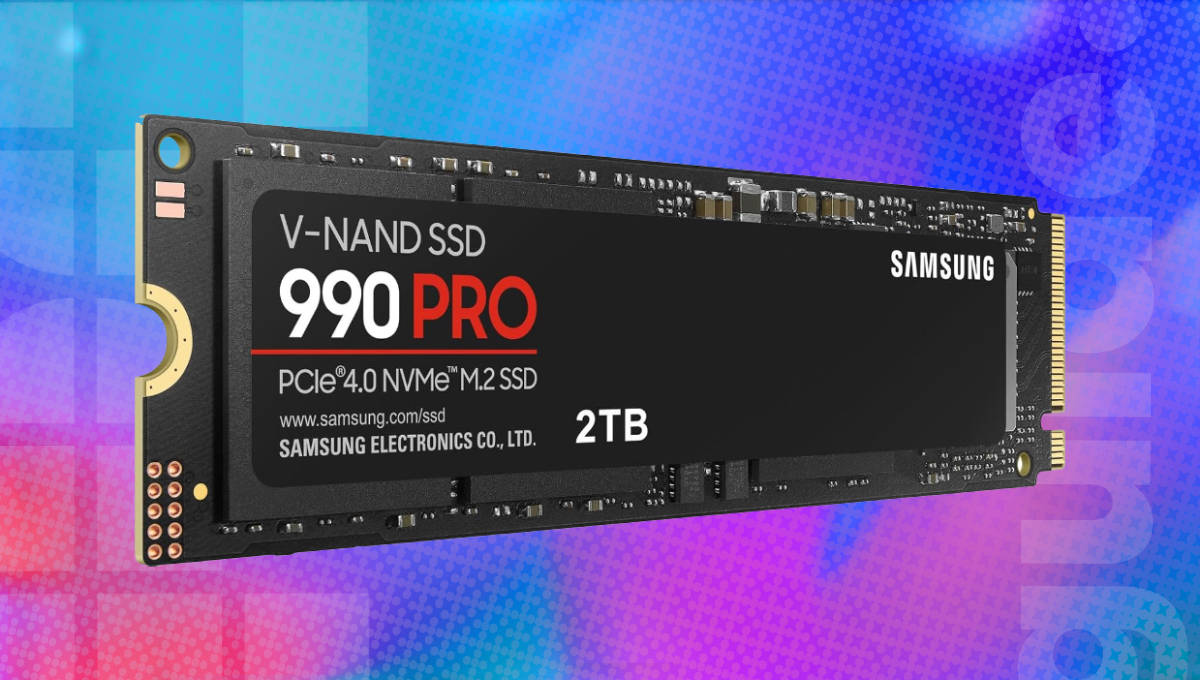
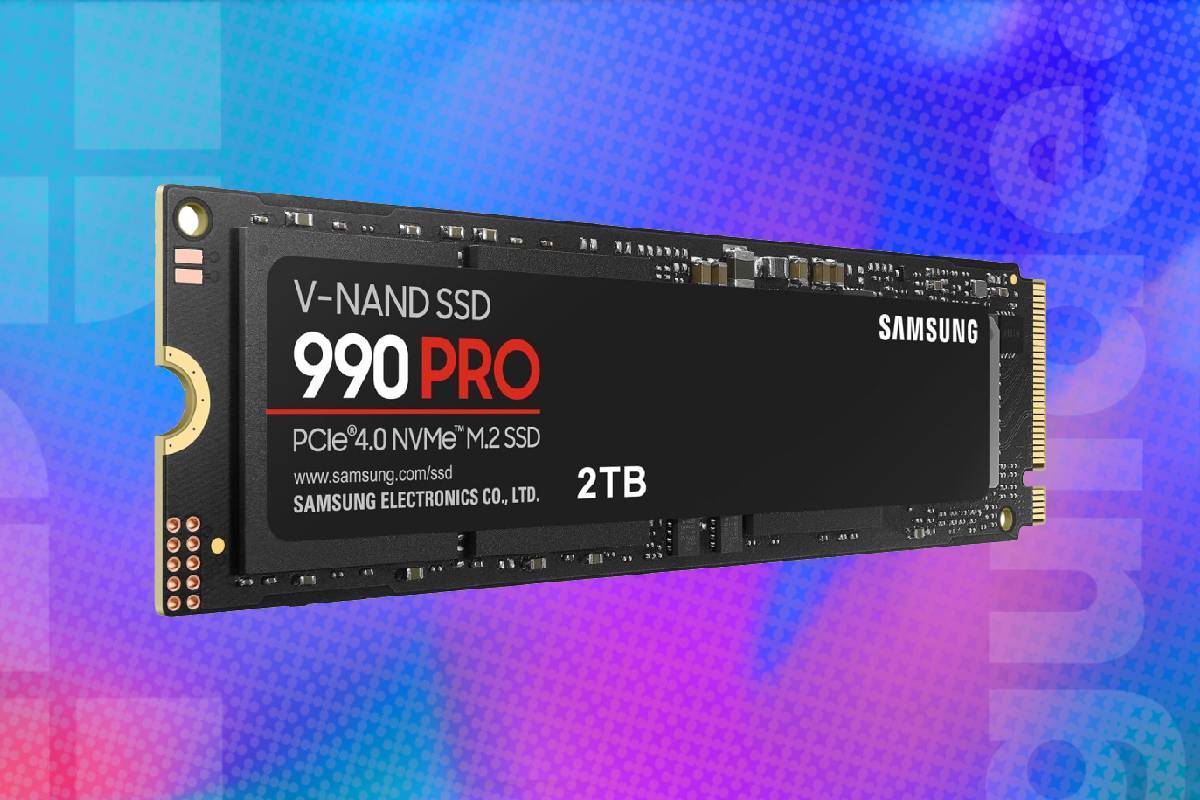
Amazon Prime Big Deal Days (October 6, 2026) represents a critical seasonal event reshaping PC hardware seller dynamics on Amazon and competing platforms. The event features aggressive discounting across GPUs, CPUs, SSDs, and RAM—with documented savings of $90-$250 per unit on premium components (Samsung 990 Pro 2TB down $250 from $639.99; Samsung 9100 Pro down $90 from $339.99). This promotional intensity signals three major seller implications: (1) Inventory Pressure: Sellers holding PC hardware inventory face margin compression of 15-25% as Amazon's curated deals set aggressive price floors. Budget-conscious builders and upgraders—the core audience—now expect these discount levels, forcing sellers to either match prices or accept reduced visibility during peak holiday shopping season preparation. (2) Platform Dominance & Prime Membership Lock-in: Amazon's exclusive Prime-member access ($14.99/month or $139/year) demonstrates the platform's continued leverage in seasonal events. Rival retailers like Newegg host concurrent sales, but Amazon's curation by Tom's Hardware and real-time deal updates create a "trust halo" that drives conversion. Sellers on Amazon benefit from this traffic surge, but only if they're positioned in featured deal categories—requiring aggressive pricing or sponsored product placement. (3) Category-Specific Opportunities: The timing aligns with holiday shopping season preparation (October = Q4 planning), creating a 6-8 week window for sellers to capitalize on post-event demand. Storage category shows particular volatility—SSD prices fluctuated substantially throughout 2026 due to market conditions, making this event a price-discovery moment for consumers planning gaming, content creation, and AI-related upgrades. Sellers with complementary products (PC cases, cooling systems, power supplies, cable management) can leverage the traffic spike from hardware buyers seeking complete build solutions.
Operational Impact for Sellers: Small-to-mid-size sellers (1,000-10,000 units/month) face the most acute pressure. Amazon's promotional event compresses margins on featured SKUs by 20-30%, requiring sellers to absorb costs or reduce inventory velocity. Larger sellers with direct brand relationships (Samsung, Kingston, Seagate) benefit from volume commitments and co-op advertising funds that offset margin pressure. Third-party sellers without brand partnerships must choose between: (a) matching Amazon's curated prices and accepting 5-10% margin reduction, or (b) focusing on non-featured SKUs and complementary categories where competition is lower. The event also signals consumer demand patterns—high search volume for Gen5 SSDs (14,700 MB/s read speeds) and gaming-focused components indicates a shift toward performance-tier products, not budget segments. Sellers should monitor Best Seller Rank (BSR) trends in storage and processors during the event window to identify which price points drive velocity.
Regional & Platform Dynamics: The event is Amazon-centric in the US market, but Newegg's concurrent sales indicate multi-platform strategy is essential. EU sellers face additional complexity—PC hardware pricing in Europe reflects VAT (19-25% depending on country) and import duties, making direct price comparison with US deals difficult. Asian sellers sourcing from China/Taiwan benefit from lower COGS, but must navigate 4-6 week lead times to stock inventory before October 6. The timing also coincides with Black Friday/Cyber Monday preparation (November 2026), suggesting sellers should view October as a "demand testing" phase—products that sell well during Prime Big Deal Days will likely see sustained demand through Q4.
Questions 8
How can sellers leverage complementary product categories during the PC hardware sales event?
When buyers purchase GPUs, CPUs, and SSDs, they simultaneously need cases, power supplies, cooling systems, and cable management products. The news indicates buyers are planning 'major tech purchases' during October, creating a bundling opportunity. Sellers should: (1) Create product bundles pairing featured components with complementary items (e.g., SSD + mounting bracket + thermal paste); (2) Run sponsored ads targeting buyers of featured SKUs with complementary product recommendations; (3) Optimize listings for long-tail keywords like 'GPU case compatibility' and 'SSD cooling solution' to capture intent-driven traffic. Complementary categories typically see 30-40% higher conversion rates during hardware sales events because buyers are already in 'build mode.'
What is the impact of SSD price volatility on seller margins during 2026?
The news reports 'substantial volatility throughout 2026 due to market conditions affecting the storage industry.' This volatility creates both risk and opportunity: (1) Risk: Sellers holding inventory purchased at peak prices face margin compression when market prices drop (as evidenced by $250 discounts on Samsung 990 Pro); (2) Opportunity: Sellers with flexible sourcing can time purchases to coincide with low-cost periods and capture margin during high-demand events. For sellers, implement dynamic pricing strategies—use Amazon's repricing tools to adjust prices within 5-10% of competitor benchmarks daily. Monitor NAND flash market prices (tracked by TrendForce, DRAMeXchange) to anticipate SSD price movements 4-6 weeks in advance.