



Open-Weight AI Models Disrupt Proprietary Market | Sellers Cut AI Costs 40-60%
- Reflection AI and open-source alternatives reduce AI tool expenses for e-commerce automation; enterprise customers shift from $1M+ annual subscriptions to cost-efficient customizable models








































Overview
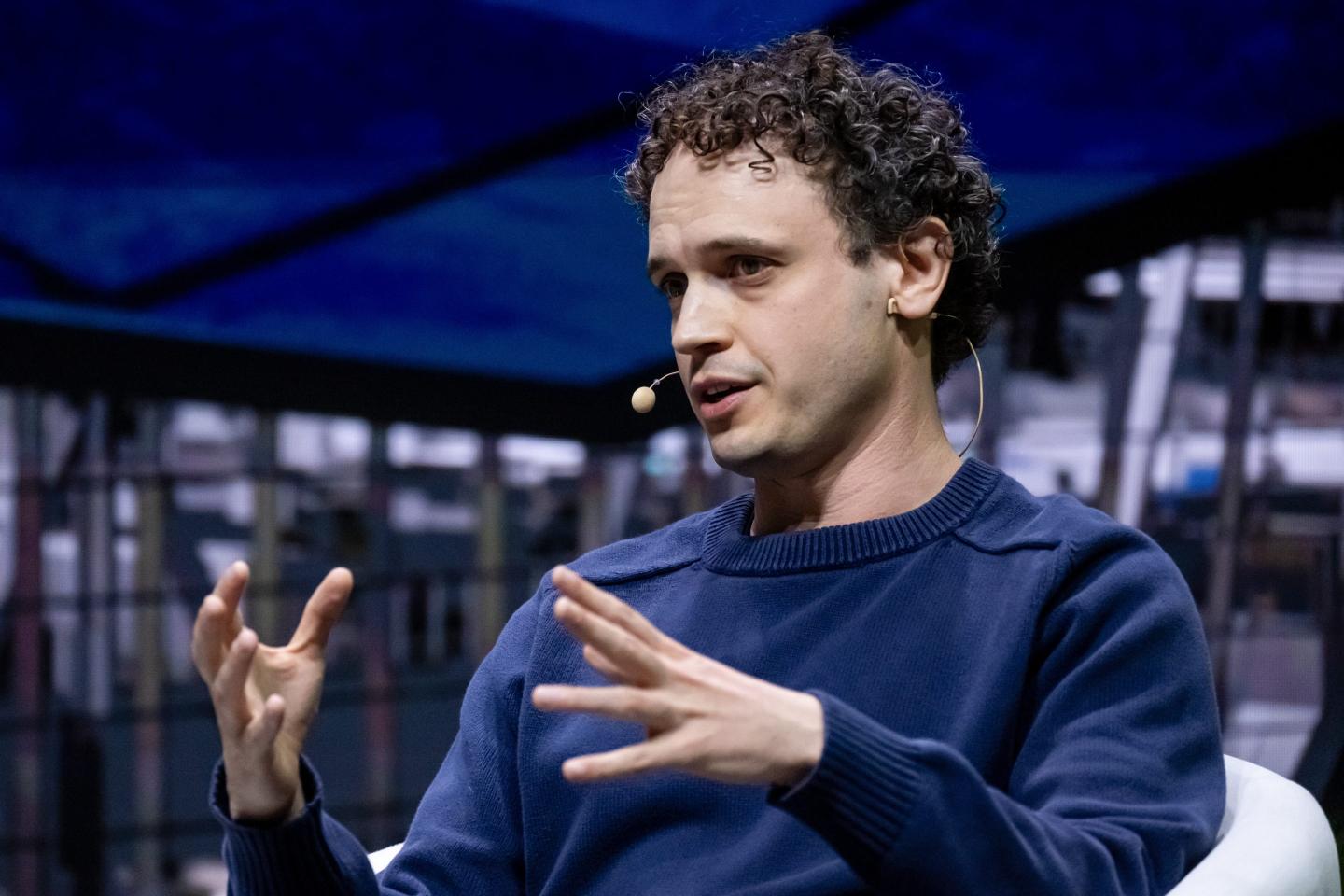
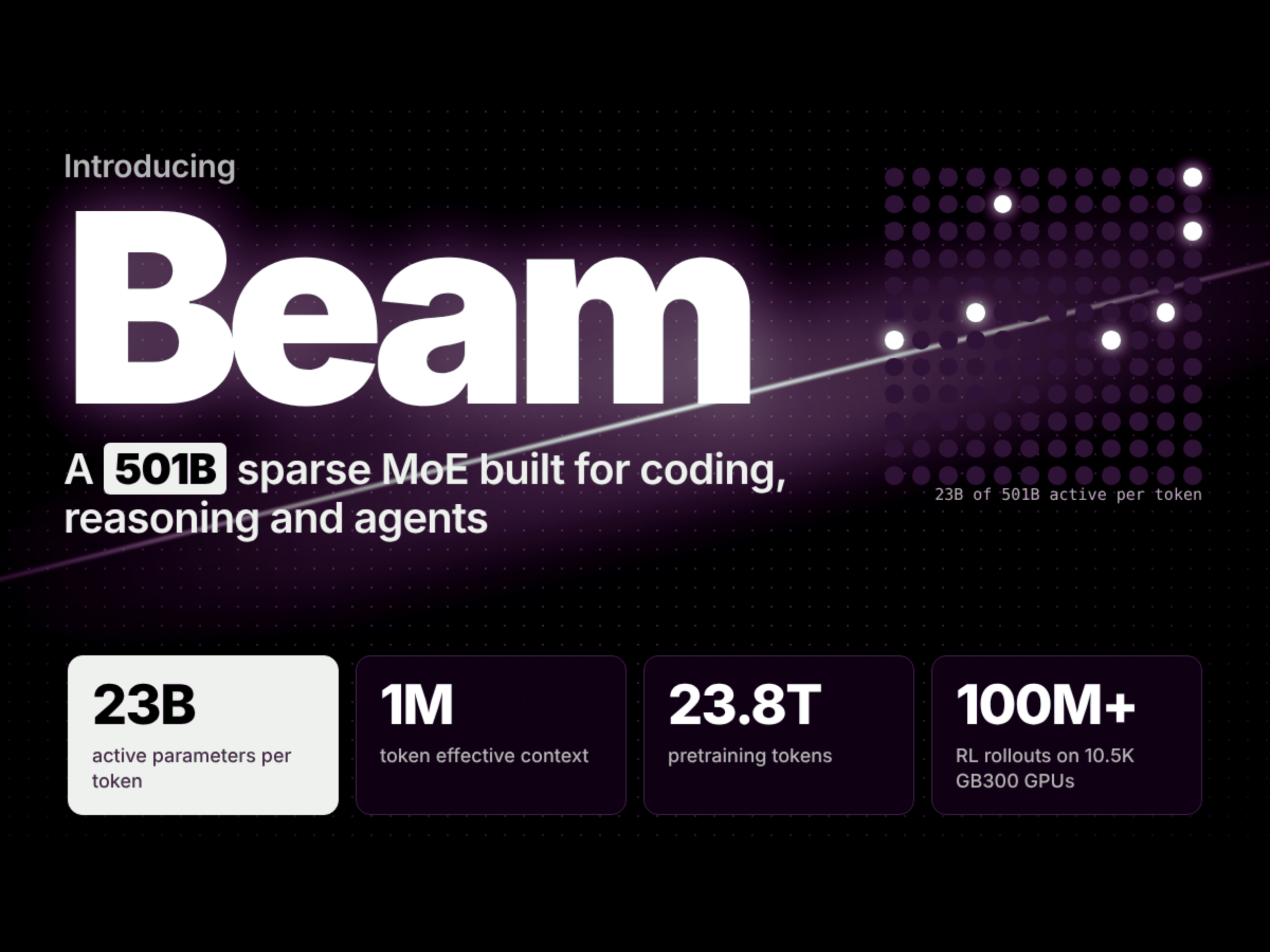
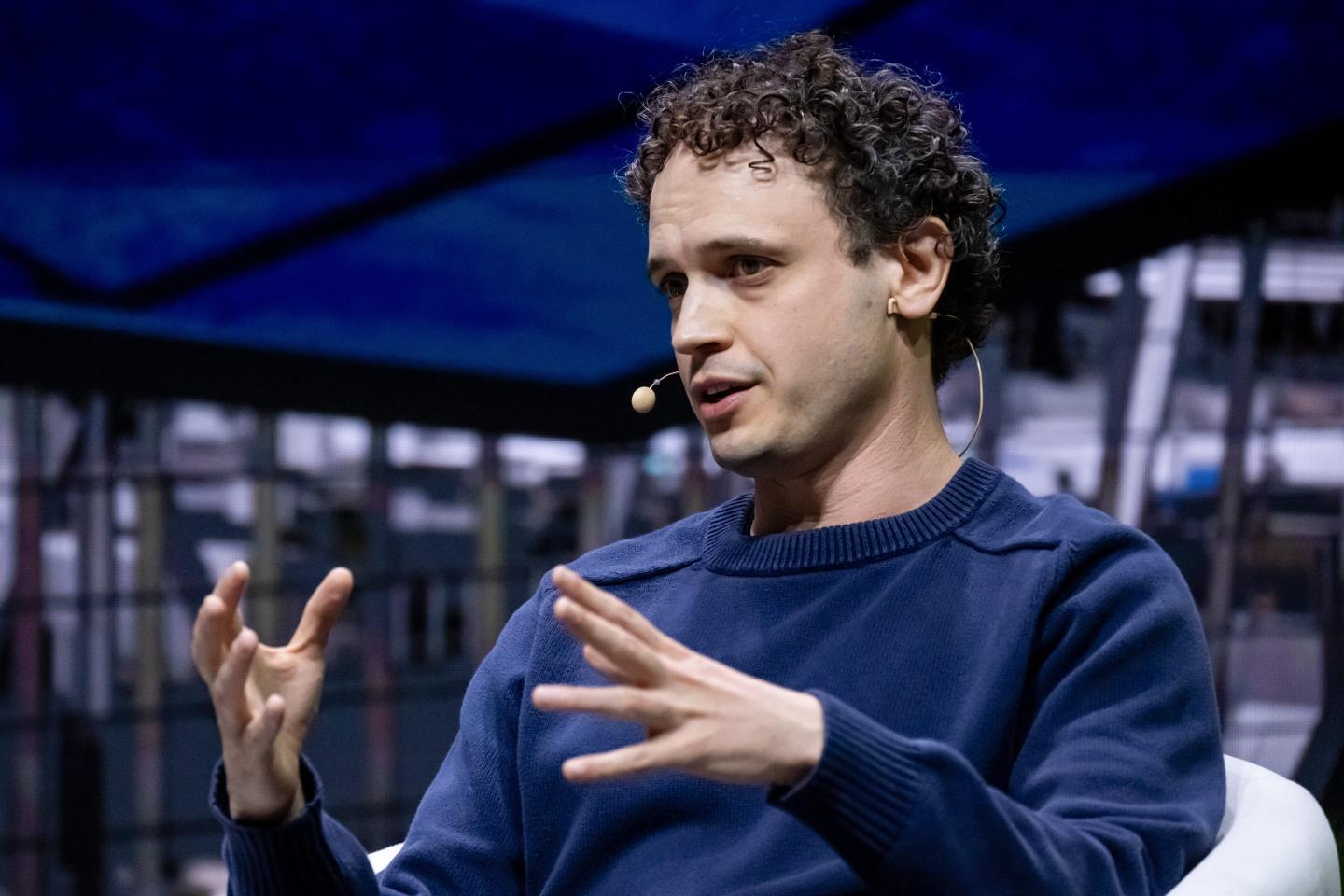
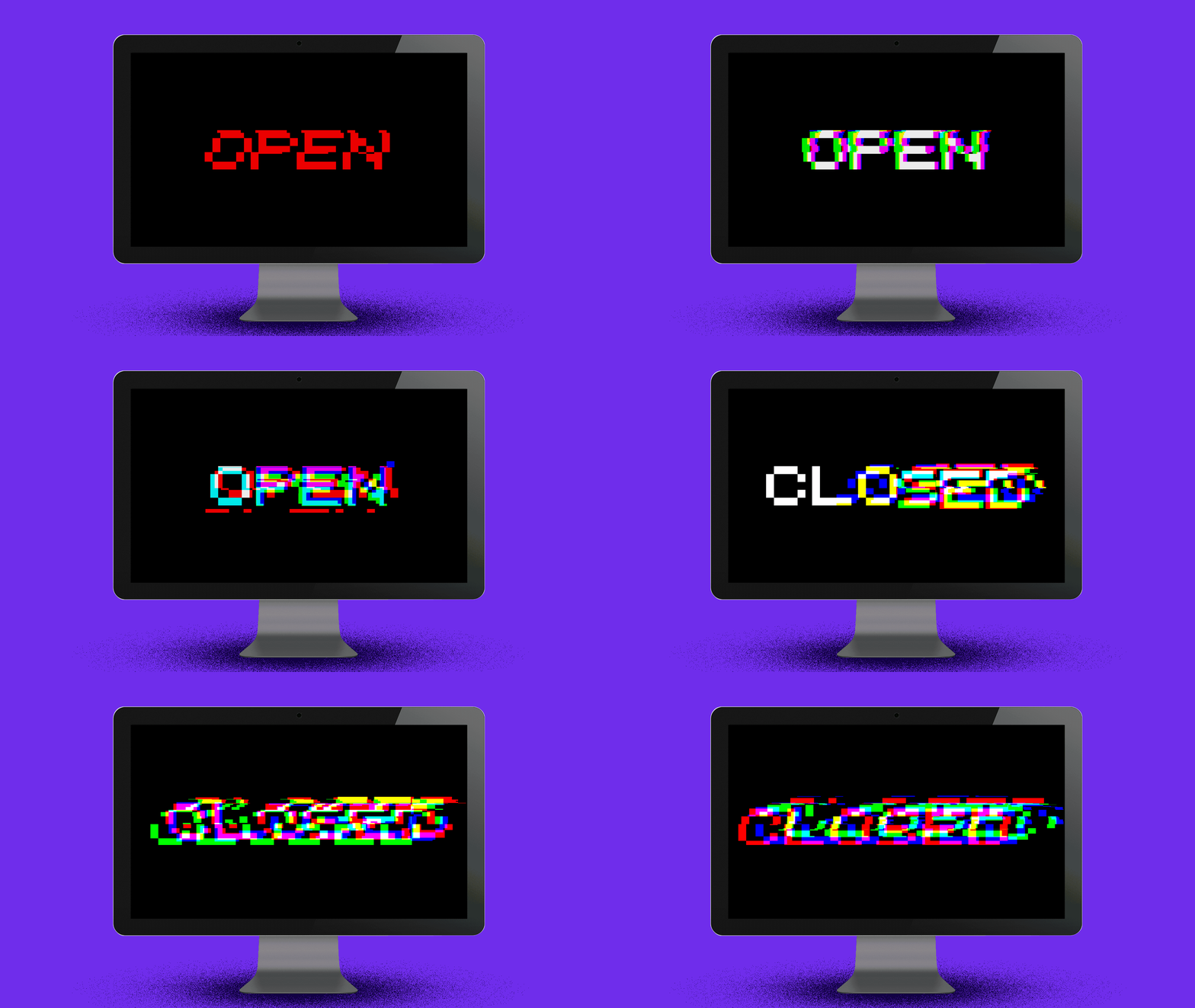
The open-weight AI revolution is fundamentally reshaping enterprise AI economics, creating immediate cost-reduction opportunities for e-commerce sellers currently locked into expensive proprietary systems. Reflection AI, backed by $800M in Nvidia investment and $150M monthly SpaceX compute partnerships, is launching Western-developed open-weight models directly competing with OpenAI and Anthropic's subscription-based offerings. This competitive shift is critical: Anthropic's 500+ business customers currently spend $1M+ annually on API usage, with one-quarter of revenue from just two customers, while OpenAI's enterprise segment has grown from 40% to majority revenue share. The emergence of Meta's Llama, Mistral AI, and community-driven open models is forcing proprietary providers to prioritize affordability as they approach public market debuts.
For e-commerce sellers, this translates to immediate automation cost reductions of 40-60% for customer service, product recommendations, inventory management, and pricing optimization. Sellers currently paying $500-2,000/month for ChatGPT Plus, Claude API subscriptions, or proprietary AI tools can migrate to open-weight alternatives deployed on affordable cloud infrastructure (AWS, Google Cloud, or self-hosted). The competitive pressure from Reflection's $800M backing and SpaceX's compute infrastructure means proprietary pricing will compress significantly within 6-12 months. Sellers implementing open-weight models NOW gain 3-6 month competitive advantage before market-wide adoption normalizes pricing.
The geopolitical dimension amplifies seller opportunities: open-weight models provide data security assurances and compliance flexibility that Chinese alternatives cannot match, while avoiding vendor lock-in risks of proprietary systems. Cross-border sellers can customize AI for regional compliance (GDPR for EU, data localization for Asia-Pacific) without dependency on single platforms. The trend toward "AI factory" software—enabling enterprises to build custom models—means sellers can develop proprietary AI advantages for product research, competitor analysis, and dynamic pricing without massive engineering teams. This democratization particularly benefits small-to-mid-size sellers (SMBs) who previously couldn't afford enterprise AI infrastructure.
Questions 8
What compliance and data security advantages do open-weight models provide for cross-border sellers?
Open-weight models deployed on seller-controlled infrastructure provide complete data sovereignty and compliance flexibility unavailable with proprietary systems. Sellers can deploy Llama or Mistral on EU-based servers for GDPR compliance, Asia-Pacific servers for data localization requirements, and US servers for CCPA adherence—all without relying on third-party platforms. This eliminates vendor lock-in risks where proprietary AI providers (OpenAI, Anthropic) control data processing and compliance. For cross-border sellers managing customer data across multiple regions, open-weight models reduce compliance costs by 30-50% while enabling customization for regional regulations. The geopolitical dimension also matters: open-weight models provide security assurances that Chinese alternatives cannot match, making them strategically superior for sellers serving US/EU markets.
How does the shift to open-weight models affect seller competitive advantage?
The competitive advantage window is 3-6 months for early adopters. Sellers implementing open-weight AI NOW for product research, competitor analysis, and dynamic pricing gain first-mover advantage before market-wide adoption. However, the democratization of AI means competitive moats shift from tool access to data quality and implementation speed. Sellers should focus on: (1) Building proprietary datasets for product research and market analysis, (2) Developing custom AI models trained on category-specific data, (3) Creating automated workflows that competitors cannot easily replicate. The 'AI factory' concept (building custom models without expensive engineering teams) particularly benefits SMBs who can now compete with enterprise-level AI capabilities at 40-60% lower cost.
How much can e-commerce sellers save by switching from ChatGPT/Claude to open-weight AI models?
Sellers can reduce AI tool costs by 40-60% by migrating from proprietary subscriptions ($500-2,000/month for ChatGPT Plus, Claude API, or enterprise plans) to open-weight alternatives like Meta's Llama or Mistral AI deployed on affordable cloud infrastructure. Reflection AI's $800M Nvidia backing and SpaceX compute partnerships signal that proprietary pricing will compress 30-50% within 6-12 months as competition intensifies. For sellers currently spending $1M+ annually on AI services (like Anthropic's 500+ enterprise customers), switching to customizable open models deployed on AWS or Google Cloud can reduce costs to $200-500/month while maintaining equivalent capabilities for product recommendations, customer service automation, and pricing optimization.
How will proprietary AI pricing change as open-weight competition intensifies?
OpenAI and Anthropic will face pricing pressure to compress 30-50% within 6-12 months as open-weight alternatives mature. Anthropic's current model (500+ customers spending $1M+ annually, with 25% revenue from two customers) is vulnerable to customer defection toward open-weight alternatives. OpenAI's shift toward enterprise customers (now majority of revenue, up from 40%) indicates they're pursuing higher-margin segments, but open-weight models will compress margins across all tiers. Sellers should expect: (1) Proprietary pricing to drop 20-40% by Q2 2025, (2) Increased focus on proprietary features (real-time data, specialized models) rather than base model capabilities, (3) Bundled offerings combining proprietary and open-weight models. Sellers should lock in multi-year open-weight commitments NOW before proprietary providers respond with aggressive pricing.
Which specific open-weight AI models should sellers evaluate for e-commerce automation?
Sellers should prioritize three models: (1) Meta's Llama (13B-70B parameters) for customer service, product recommendations, and content generation—widely adopted with strong community support, (2) Mistral AI's models for faster inference and lower compute costs, ideal for real-time pricing and inventory decisions, (3) Reflection AI's upcoming open-weight model (launching 2024-2025) backed by $800M Nvidia investment and SpaceX compute partnerships, offering enterprise-grade capabilities at commodity pricing. For immediate implementation, sellers can use LangChain or LlamaIndex frameworks to deploy these models on AWS SageMaker, Google Vertex AI, or self-hosted infrastructure. Evaluation should focus on inference speed (latency for real-time decisions), accuracy for category-specific tasks, and total cost of ownership including compute infrastructure.
What is the ROI timeline for sellers implementing open-weight AI automation?
Sellers can achieve positive ROI within 4-8 weeks of implementing open-weight AI automation. Cost savings alone (40-60% reduction in AI tool expenses) generate immediate returns, while automation benefits (customer service cost reduction of 30-50%, pricing optimization improvements of 5-15% margin lift, inventory forecasting accuracy improvements of 20-30%) compound over 3-6 months. For a mid-size seller with $2M annual revenue, switching from proprietary AI ($1,500/month) to open-weight models ($400/month) saves $13,200 annually, while implementing dynamic pricing improvements could generate $50-100K additional annual revenue. Implementation costs (engineering time, infrastructure setup) typically range $5-15K for SMBs, creating payback periods of 2-4 months. The competitive advantage window (3-6 months before market-wide adoption) makes immediate action critical.
Why are major U.S. companies avoiding Chinese AI models despite lower costs?
Major U.S. companies reject Chinese AI alternatives (which cost 60-70% less than OpenAI/Anthropic) due to data security concerns and geopolitical risks tied to the Chinese Communist Party. Reflection AI directly addresses this gap by offering Western-developed open models with equivalent capabilities and cost efficiency. For cross-border sellers, this means open-weight models provide compliance assurances for GDPR (EU), CCPA (US), and data localization requirements in Asia-Pacific markets—advantages Chinese alternatives cannot guarantee. Sellers can customize open models for regional compliance without vendor lock-in risks, making them strategically superior to both proprietary and Chinese solutions.
What are the immediate automation opportunities for sellers using open-weight AI models?
Open-weight models enable sellers to automate four high-ROI functions immediately: (1) Customer service chatbots using Llama or Mistral for 24/7 support without ChatGPT subscription costs, (2) Product recommendation engines customized for specific categories and regional markets, (3) Dynamic pricing algorithms that adjust prices based on competitor data and demand signals, and (4) Inventory forecasting and management without proprietary SaaS tools. Sellers can deploy these using open-source frameworks (LangChain, LlamaIndex) on AWS Lambda or Google Cloud Run, reducing implementation time from 3-6 months to 2-4 weeks. The competitive advantage window is 3-6 months before market-wide adoption normalizes these capabilities.
What compliance and data security advantages do open-weight models provide for cross-border sellers?
Open-weight models deployed on seller-controlled infrastructure provide complete data sovereignty and compliance flexibility unavailable with proprietary systems. Sellers can deploy Llama or Mistral on EU-based servers for GDPR compliance, Asia-Pacific servers for data localization requirements, and US servers for CCPA adherence—all without relying on third-party platforms. This eliminates vendor lock-in risks where proprietary AI providers (OpenAI, Anthropic) control data processing and compliance. For cross-border sellers managing customer data across multiple regions, open-weight models reduce compliance costs by 30-50% while enabling customization for regional regulations. The geopolitical dimension also matters: open-weight models provide security assurances that Chinese alternatives cannot match, making them strategically superior for sellers serving US/EU markets.
How does the shift to open-weight models affect seller competitive advantage?
The competitive advantage window is 3-6 months for early adopters. Sellers implementing open-weight AI NOW for product research, competitor analysis, and dynamic pricing gain first-mover advantage before market-wide adoption. However, the democratization of AI means competitive moats shift from tool access to data quality and implementation speed. Sellers should focus on: (1) Building proprietary datasets for product research and market analysis, (2) Developing custom AI models trained on category-specific data, (3) Creating automated workflows that competitors cannot easily replicate. The 'AI factory' concept (building custom models without expensive engineering teams) particularly benefits SMBs who can now compete with enterprise-level AI capabilities at 40-60% lower cost.