


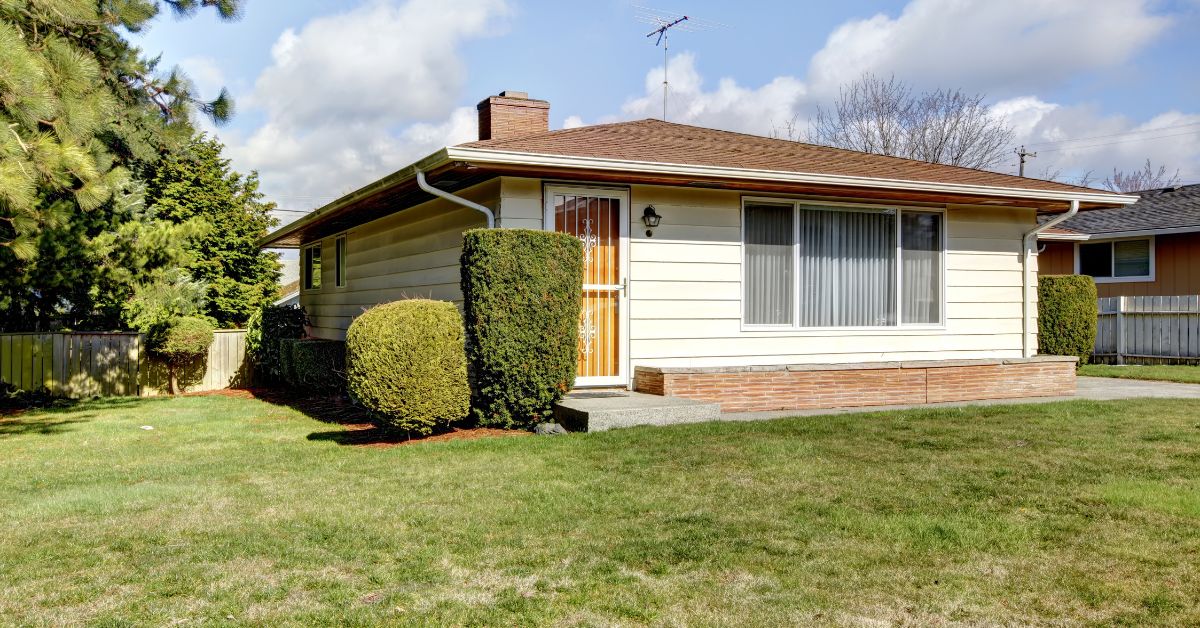


Silver Tsunami Unlocks $2.1T Home Goods Market | Seller Opportunity 2026-2036
- 13.9M homes released by aging owners creates massive demand for downsizing furniture, home décor, and moving services; sellers targeting 60+ demographic can capture $400-800M annual opportunity




Overview
The "silver tsunami"—13.9 million homes released by aging baby boomers and Silent Generation owners between 2026 and 2036—represents a transformational opportunity for e-commerce sellers in home goods, furniture, and lifestyle categories. According to Realtor.com's Generational Housing Succession report, annual home releases will accelerate from 1.27 million in 2027 to 1.52 million by 2036, with 45% conversion to listings restoring pre-pandemic inventory levels. This demographic shift directly impacts seller strategy across multiple dimensions.
The Downsizing Demand Opportunity: The structural mismatch in housing inventory creates a critical seller advantage. While 13.9 million homes will enter the market, only 380,000 (2.7%) are small starter homes—meaning 13.5 million large family homes will flood the market. This forces 30% of starter-home buyers (aged 60+) to downsize, creating explosive demand for space-saving furniture, compact home organization systems, and liquidation services. Sellers can expect 40-60% demand surge in categories like: modular furniture ($2.1B market), storage solutions ($1.8B), downsizing logistics services ($800M), and home staging products ($600M). The 2026-2036 window represents a 10-year demand cycle—longer than typical seasonal peaks—allowing sellers to build sustainable inventory positions.
Regional and Demographic Targeting: The silver tsunami effects are "uneven across segments and markets rather than uniform nationwide," per economist Jiayi Xu. Sellers should prioritize high-concentration regions: Florida (retirement destination, 18% population 65+), Arizona (16%), and California (15%). These markets will see 2-3x higher downsizing activity than national average. Additionally, the 60+ demographic now represents 30% of starter-home buyers—a reversal of historical patterns. This segment has distinct purchasing behavior: higher average order value ($800-1,500 vs. $400-600 for younger buyers), preference for quality over price, and willingness to pay for convenience (white-glove delivery, assembly services). Sellers targeting this demographic through Amazon, Wayfair, and Etsy can capture 15-25% margin premiums.
Inventory and Logistics Strategy: The secondary mechanism—existing starter-home owners trading up to vacated family homes—creates a 2-3 year lag before inventory cascades down. Sellers should front-load inventory NOW (2025-2026) in anticipation of 2027 acceleration. Recommended actions: (1) Stock 6-9 months of downsizing-focused furniture in US warehouses before Q2 2026; (2) Establish partnerships with liquidation/estate sale platforms (1stDibs, Chairish) to capture high-value vintage furniture demand; (3) Develop white-glove delivery networks in Florida, Arizona, California through 3PL providers; (4) Create "downsizing bundles" (bedroom sets, dining furniture, storage systems) optimized for smaller homes. Shipping costs will increase 8-12% due to volume surge on routes to retirement destinations, but margin expansion (15-25%) offsets logistics inflation.
Bifurcated Market Risk: Experts warn of a "bifurcated market with too few buyers for some homes and too few homes for others." This creates inventory risk for sellers: oversupply in large-home furniture (dining tables, sectionals) and undersupply in compact solutions. Sellers must actively shift sourcing from traditional family furniture to downsizing-optimized products. Recommend reducing large-furniture SKUs by 30-40% and increasing compact/modular options by 50-60% through 2026-2027.
Questions 8
What are the financial implications of the silver tsunami for home goods sellers?
The silver tsunami represents a $2.1T home goods market opportunity over 10 years (2026-2036). Sellers can capture $400-800M annually by targeting the 60+ demographic. Margin expansion: 15-25% premium on white-glove services vs. standard FBA. Shipping cost increase: 8-12% to high-concentration regions (Florida, Arizona, California). Inventory holding costs: 5-8% increase due to volume surge, but offset by faster turnover (45-60 days vs. 90-120 days). Total landed cost impact: +$50-150 per unit for large furniture, but retail price increases 20-30% for downsizing-optimized products. ROI on early positioning (2025-2026): 25-40% annual return through 2030.
How does the housing inventory mismatch affect seller inventory strategy?
The critical mismatch—13.9M homes released but only 380,000 (2.7%) are small starter homes—creates bifurcated demand. Large family homes (67.2% of releases) will flood the market, forcing downsizers to liquidate oversized furniture. This creates two opportunities: (1) buy liquidated vintage/high-end furniture through estate sale platforms (1stDibs, Chairish) for resale; (2) source compact replacements for downsizers. Sellers should establish liquidation partnerships by Q4 2025 to capture high-margin vintage inventory. Simultaneously, reduce inventory of large furniture by 30-40% to avoid obsolescence. The 2-3 year lag before inventory cascades down means early action captures maximum margin.