


AI Power Crunch Reshapes Semiconductor Supply Chain | Sellers Face 18-24 Month Equipment Lead Times
- Data center power infrastructure spending surges 35-40% annually through 2026, creating cascading supply chain delays affecting e-commerce platform infrastructure and seller fulfillment capabilities



















Overview
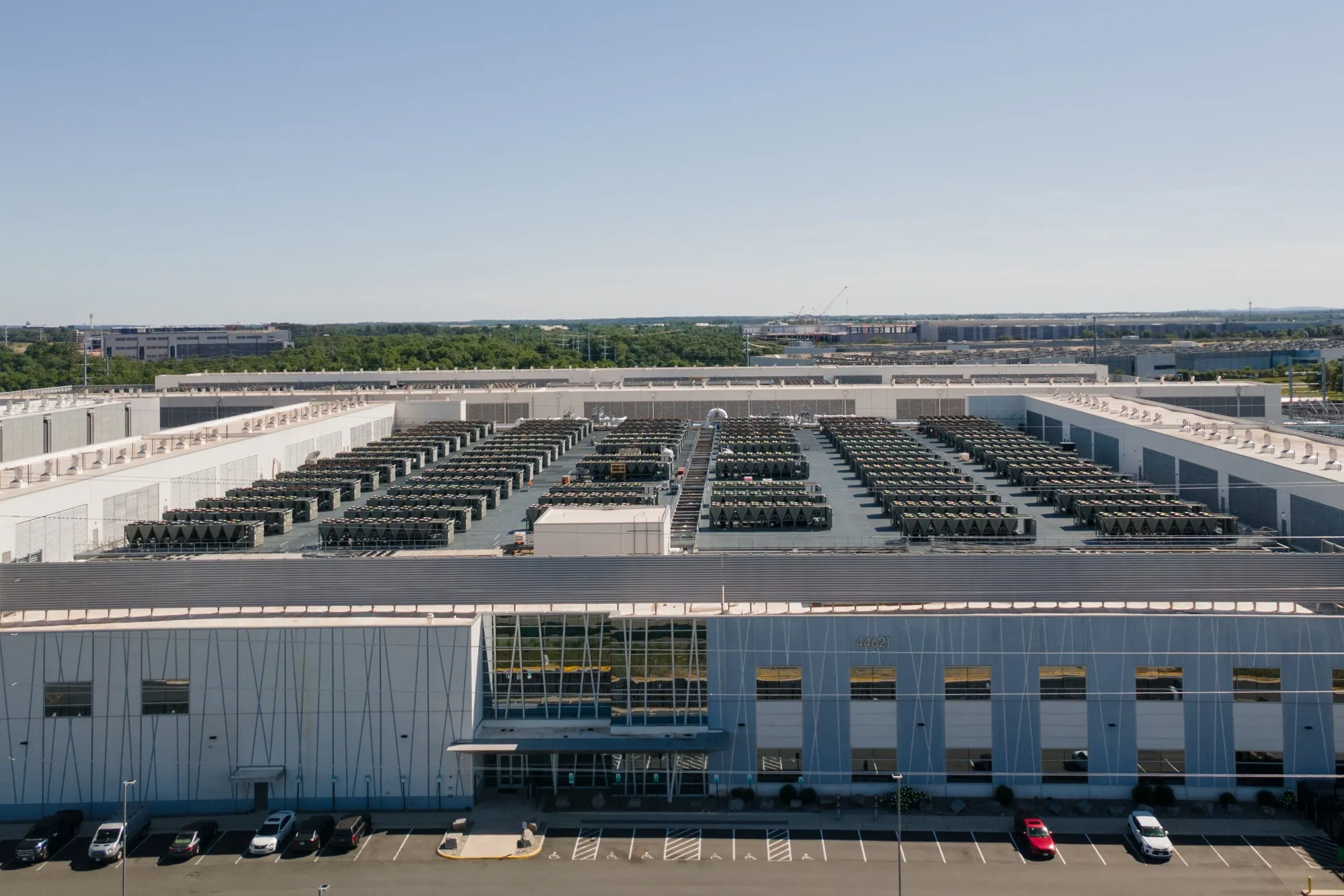
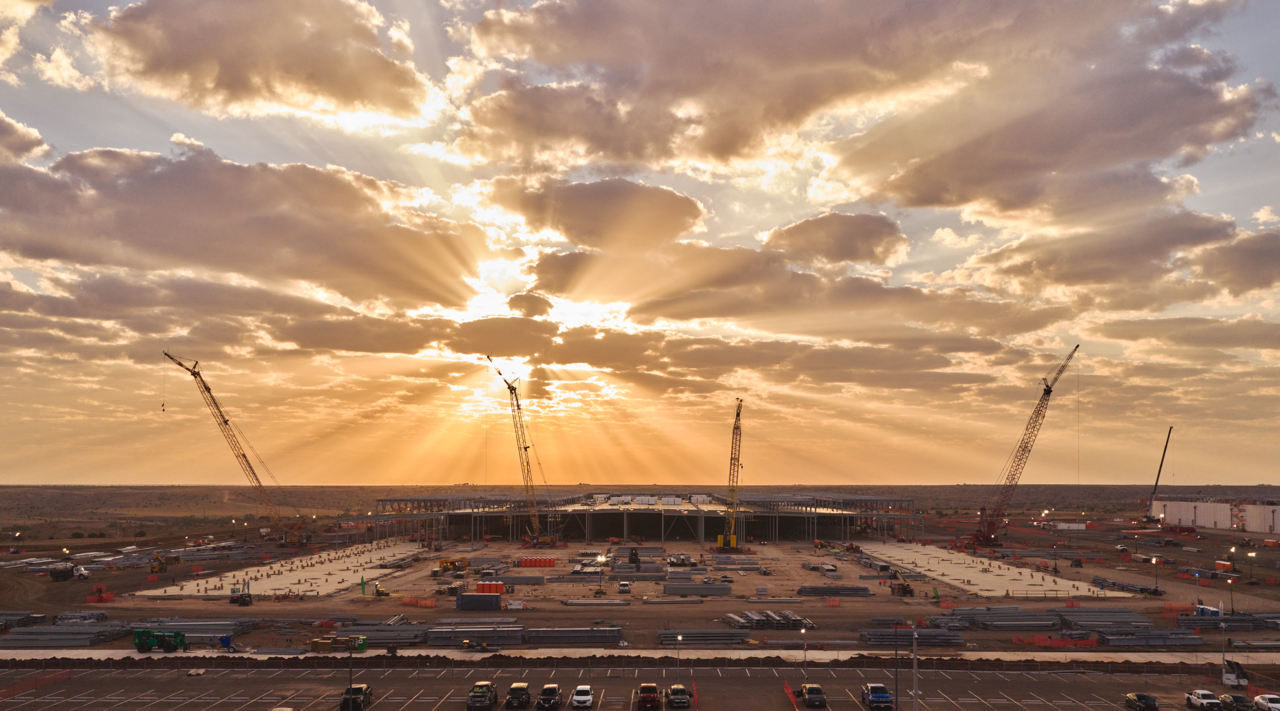
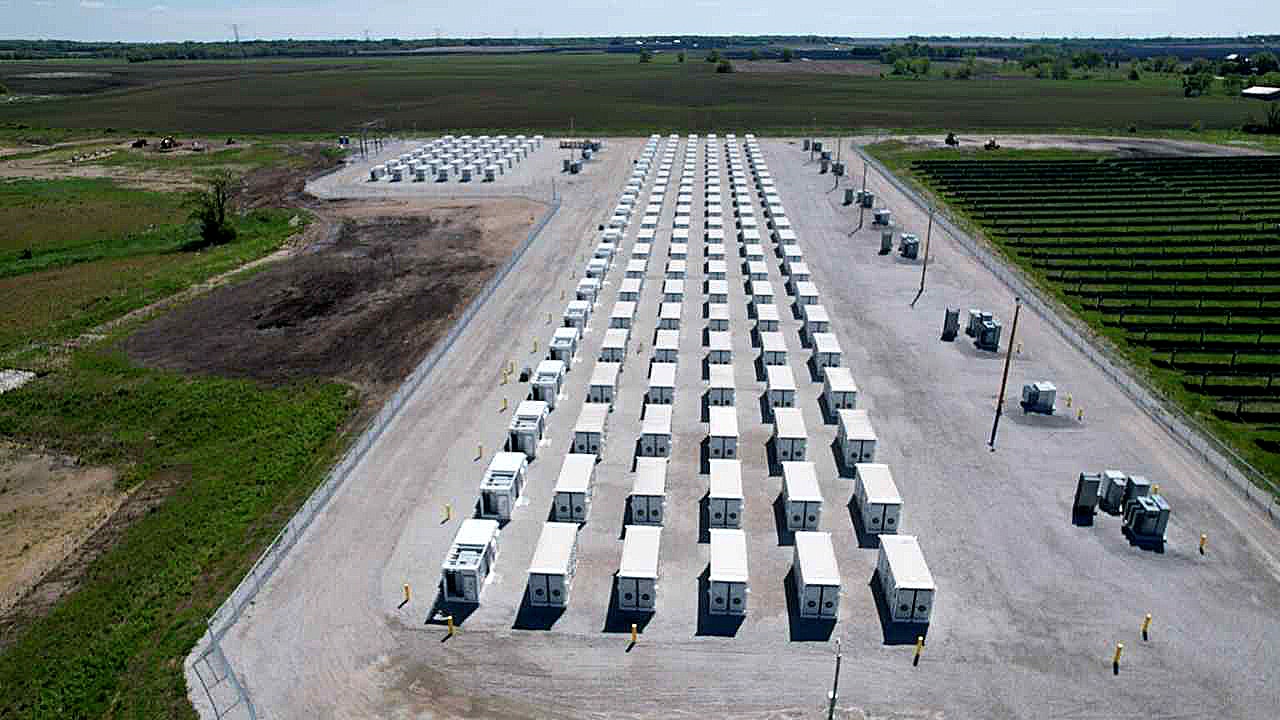
The emerging AI power infrastructure crisis represents a critical supply chain inflection point with direct implications for e-commerce sellers and platform operations. Morgan Stanley's analysis reveals that as artificial intelligence deployment accelerates globally, data centers face unprecedented power consumption demands that existing electrical infrastructure cannot support. This power constraint is creating a fundamental bottleneck in chip supply chains, forcing enterprises to prioritize semiconductor purchases and upgrade power delivery systems simultaneously—a dual capital requirement that cascades through the entire supply ecosystem.
The Structural Impact on E-Commerce Infrastructure: Data center operators are experiencing 18-24 month lead times for power distribution equipment, with Morgan Stanley estimating power-related infrastructure spending will increase 35-40% annually through 2026. This directly affects e-commerce platforms like Amazon, Shopify, and eBay, which depend on data center capacity for marketplace operations, seller tools, and fulfillment network management. The power crunch forces platforms to redirect capital from feature development and seller service improvements toward infrastructure upgrades, potentially delaying new tools, API improvements, and platform enhancements that sellers rely on for competitive advantage.
Competitive Consolidation Favors Established Vendors: The analysis indicates that mid-tier and smaller chip suppliers face margin compression as customers redirect capital toward power infrastructure investments. This mirrors e-commerce dynamics where established platforms (Amazon, Shopify) with diversified product portfolios and customer lock-in maintain pricing power, while emerging competitors struggle to gain market share. Sellers using smaller or emerging fulfillment platforms may face service degradation or cost increases as these providers struggle with infrastructure investment requirements. The power constraint becomes the primary limiting factor for AI deployment rather than chip availability itself, fundamentally reshaping competitive dynamics in semiconductor markets and creating a structural advantage for integrated suppliers—a pattern directly applicable to platform consolidation in e-commerce.
Seller Implications Across Three Dimensions: First, sellers relying on AI-powered tools for product research, pricing optimization, and customer service automation may experience tool delays or reduced feature rollouts as platforms prioritize infrastructure spending. Second, fulfillment costs may increase 8-15% as 3PL providers and platform fulfillment networks invest in power infrastructure upgrades, with costs passed to sellers through higher FBA fees or fulfillment charges. Third, sellers in electronics and technology categories face inventory sourcing challenges as semiconductor suppliers prioritize established customers, potentially creating margin compression for smaller sellers attempting to source components or finished goods.
Questions 8
Which product categories will see the biggest pricing pressure from supply chain disruptions?
Electronics, computer accessories, smart home devices, and technology categories will experience the most severe pricing pressure. The news reports that mid-tier and smaller chip suppliers face margin compression as customers redirect capital toward power infrastructure investments, directly impacting products containing semiconductors. Sellers in these categories should expect: (1) Supplier price increases of 10-20% for components, (2) Longer lead times (8-12 weeks instead of 4-6 weeks), (3) Minimum order quantity increases as suppliers consolidate production. Conversely, non-tech categories (apparel, home goods, beauty) face less direct pressure but may see indirect cost increases from platform infrastructure fees. Sellers should immediately review supplier contracts, lock in pricing for Q2-Q4 2025, and consider shifting product mix toward higher-margin items or categories with more stable supply chains. Monitor competitor pricing in electronics categories—expect 15-25% price increases as sellers pass through supply chain costs.
How does the power infrastructure crisis affect cross-border sellers and international fulfillment?
Cross-border sellers face compounded challenges: (1) Data center power constraints affect fulfillment networks in all regions (US, EU, Asia Pacific) simultaneously, creating global supply chain stress, (2) International 3PL providers face higher infrastructure costs, likely increasing cross-border fulfillment fees by 12-18%, (3) Customs clearance and logistics optimization systems depend on data center capacity, potentially causing 2-4 week delays in international shipments. EU-based sellers should expect higher costs from European data center operators upgrading power infrastructure. Asia Pacific sellers may experience better cost stability if they source from local fulfillment providers less affected by Western data center constraints. Sellers should diversify fulfillment across multiple regions and 3PL providers, negotiate long-term contracts before fee increases take effect (target Q1 2025), and consider nearshoring inventory to reduce data center dependency for logistics optimization.