


Health-Conscious Dining Consolidation Signals Shift in Consumer Preferences | O2O Retail Opportunities
- True Food Kitchen closes 12 locations amid Chapter 11 restructuring; regional pizza chains expand with 225-location growth plans, revealing offline retail consolidation patterns for health/wellness product sellers







Overview
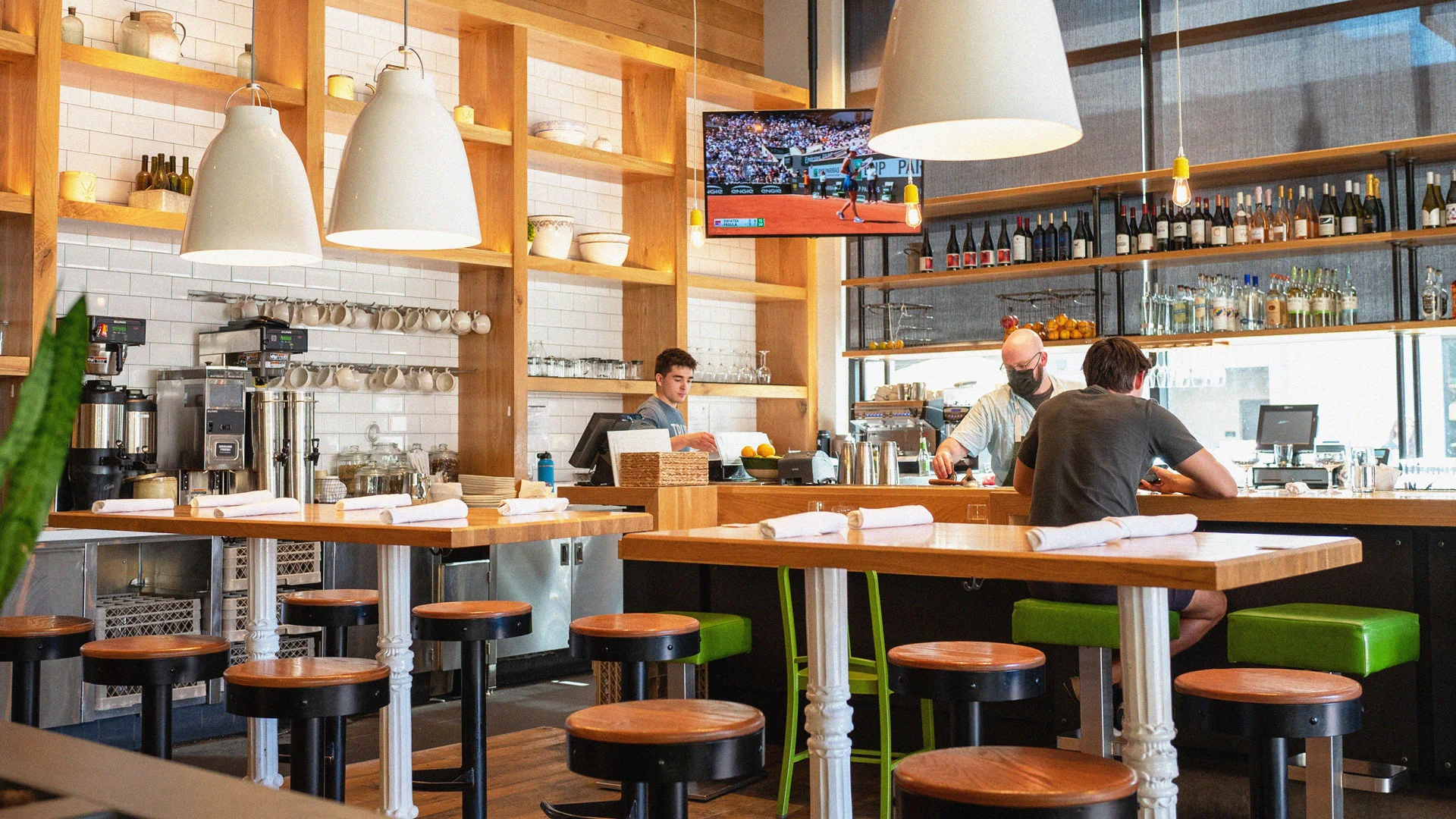
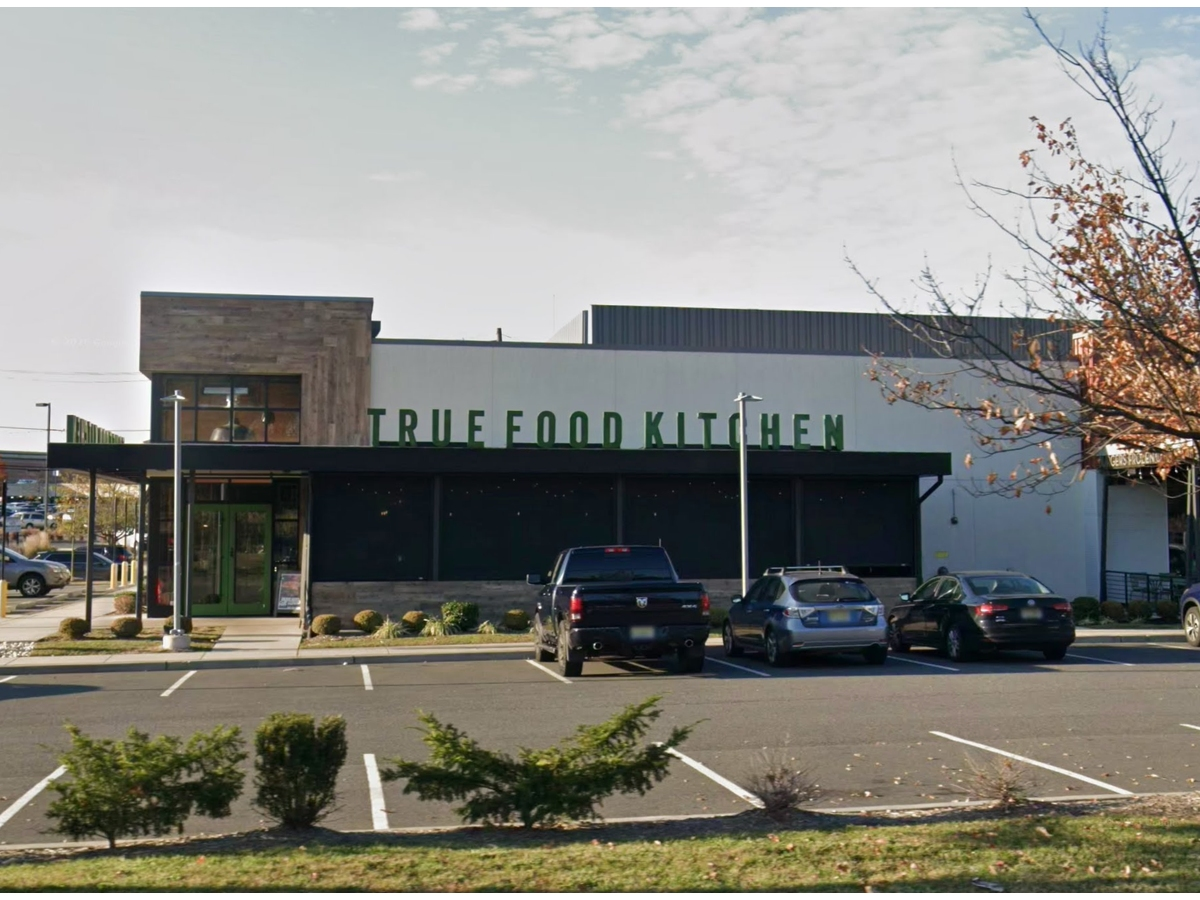
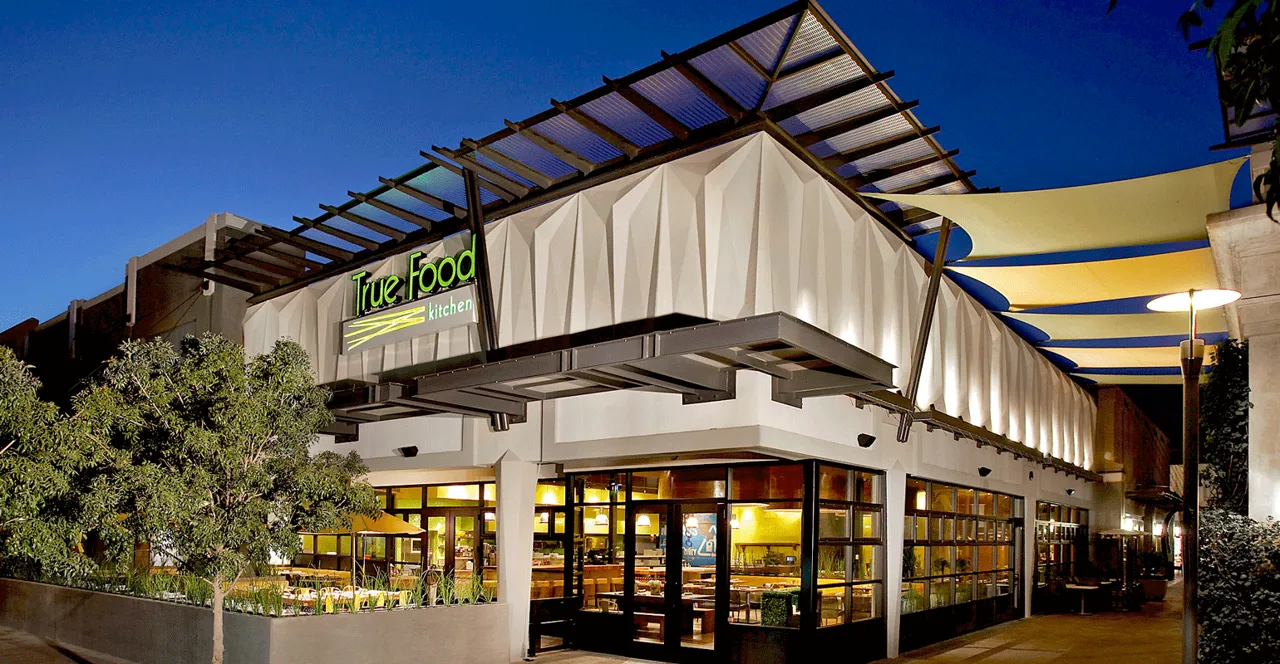
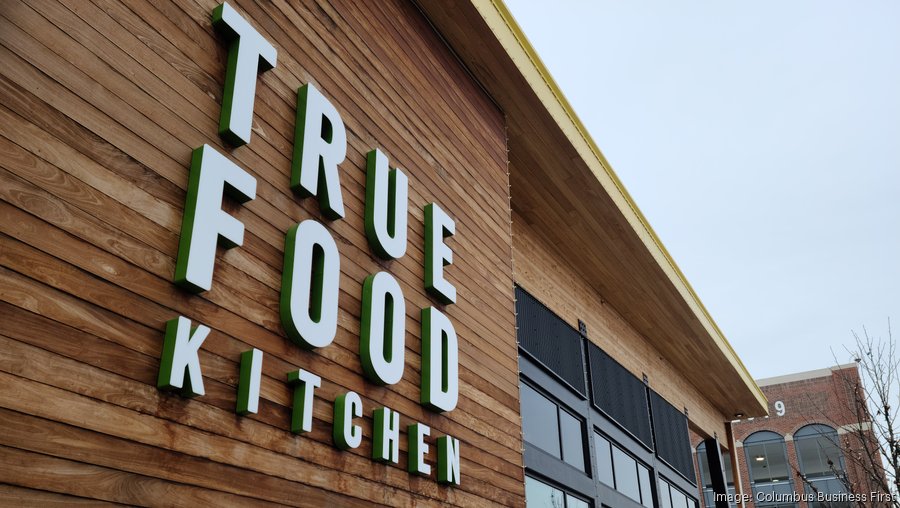
True Food Kitchen's October 2026 Chapter 11 bankruptcy filing and closure of 12 locations, including its Roosevelt Field flagship, signals a critical inflection point in health-conscious casual dining—with direct implications for e-commerce sellers in the wellness, organic food, and dietary supplement categories. The company, which retained 34 operating restaurants across 14 states after restructuring, exemplifies the broader challenge facing health-focused F&B concepts: while the organic/clean-eating market segment continues growing, execution and unit economics remain under pressure from labor cost inflation, supply chain disruptions, and shifting post-pandemic consumer dining patterns.
For cross-border e-commerce sellers, this consolidation trend reveals three critical offline-to-online (O2O) opportunities. First, the Roosevelt Field closure demonstrates that premium mall locations no longer guarantee foot traffic for health-conscious dining—yet this same demographic (affluent, health-aware, willing to pay premiums) represents a high-value target for Amazon Fresh, Whole Foods delivery, and specialty food marketplaces. Sellers of organic supplements, plant-based proteins, and clean-label snacks should accelerate their presence on these platforms, as True Food Kitchen's closure indicates this consumer segment is shifting from dine-in experiences to at-home wellness consumption. Second, the news reveals geographic consolidation: Long Island has seen three major dining concepts fail (Havana Central 2025, Osteria Morini 2024, True Food Kitchen 2026), suggesting that premium casual dining in suburban mall environments faces structural headwinds. However, Sallys Apizza's aggressive expansion plan—225 locations across 12 states with backing from Lineage Hospitality—demonstrates that established regional brands with proven operational models and capital access can thrive by occupying vacated premium retail space. This creates a pop-up and showroom opportunity for sellers: as regional restaurant chains expand rapidly, they create demand for co-branded merchandise, kitchen equipment, and specialty ingredients that sellers can supply through B2B channels or develop as complementary e-commerce products.
Third, the Chapter 11 restructuring reflects industry-wide pressure on restaurant supply chains and vendor relationships. True Food Kitchen's focus on organic, nutrient-dense ingredients means its suppliers (produce distributors, specialty ingredient providers, packaging vendors) are now facing contract renegotiations and potential payment delays during the reorganization process. For sellers of food-related products—whether organic certification services, sustainable packaging, or food-grade equipment—this signals both risk (payment delays from restaurant suppliers) and opportunity (restaurants will seek cost-efficient alternatives, creating demand for direct-to-consumer wellness products that bypass traditional F&B channels). The voluntary nature of the Chapter 11 filing suggests True Food Kitchen is proactively optimizing its portfolio rather than facing liquidation, meaning 34 remaining locations will likely intensify focus on high-performing markets, creating geographic clustering opportunities for sellers to target specific regions with localized wellness product campaigns.
Questions 7
How should sellers adjust inventory and marketing for wellness categories?
True Food Kitchen's closure signals consolidation in health-conscious dining, but growing demand for at-home wellness products. Sellers should increase inventory allocation to organic supplements, plant-based proteins, and clean-label snacks on Amazon and Whole Foods platforms. Marketing should emphasize convenience, at-home consumption, and subscription models rather than restaurant partnerships. Geographic focus should target the 14 states where True Food Kitchen maintains operations (high-income, health-conscious demographics). Additionally, sellers should monitor regional restaurant expansion (like Sallys Apizza) and develop B2B supplier relationships, as expanding chains create demand for specialty ingredients and co-branded products that can drive both wholesale and e-commerce revenue.
How can sellers capitalize on Sallys Apizza's 225-location expansion?
Sallys Apizza's aggressive expansion (from 7 to 225 locations across 12 states by 2027) creates B2B and complementary e-commerce opportunities. Sellers can supply specialty ingredients, kitchen equipment, branded merchandise, and packaging to the expanding chain. Additionally, as Sallys occupies vacated premium retail spaces (like Roosevelt Field), sellers can establish pop-up showrooms or kiosks in the same locations to reach the foot traffic. The expansion also signals strong demand for Italian/regional cuisine products on e-commerce platforms—sellers should develop complementary product lines (artisanal pasta, specialty sauces, Italian ingredients) to capture consumers influenced by the chain's growth.