



US Rare Earth Supply Chain Shift | Sellers' Sourcing & Pricing Opportunities 2025-2028
- Pentagon's $400M MP Materials investment signals 3-5 year window for sellers to pivot from China-dependent sourcing; domestic rare earth magnets reach $110/kg pricing, creating premium product positioning opportunities for electronics, EV accessories, and industrial equipment sellers






Overview
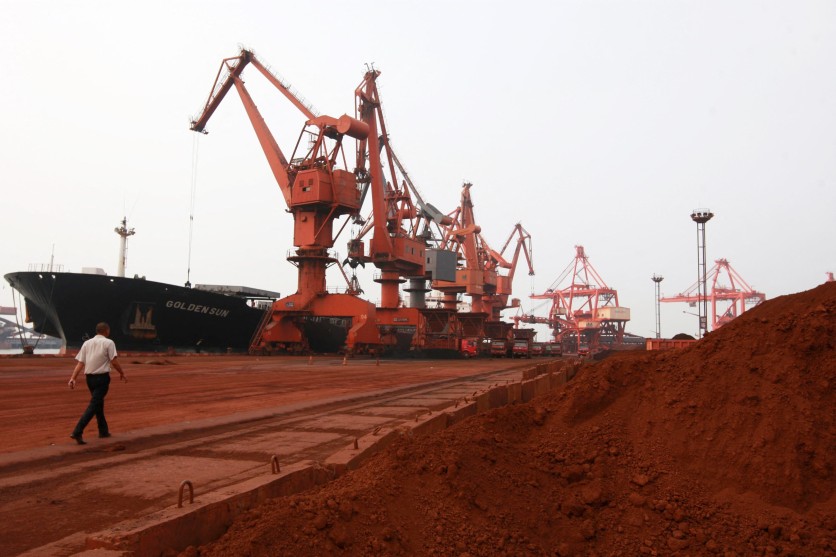
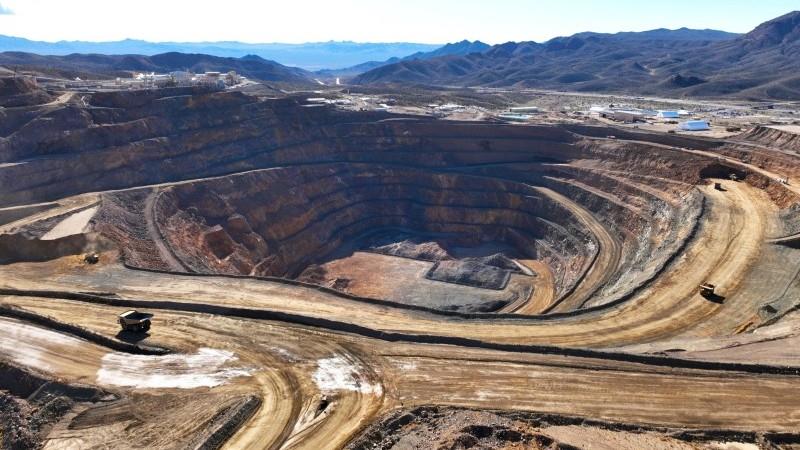
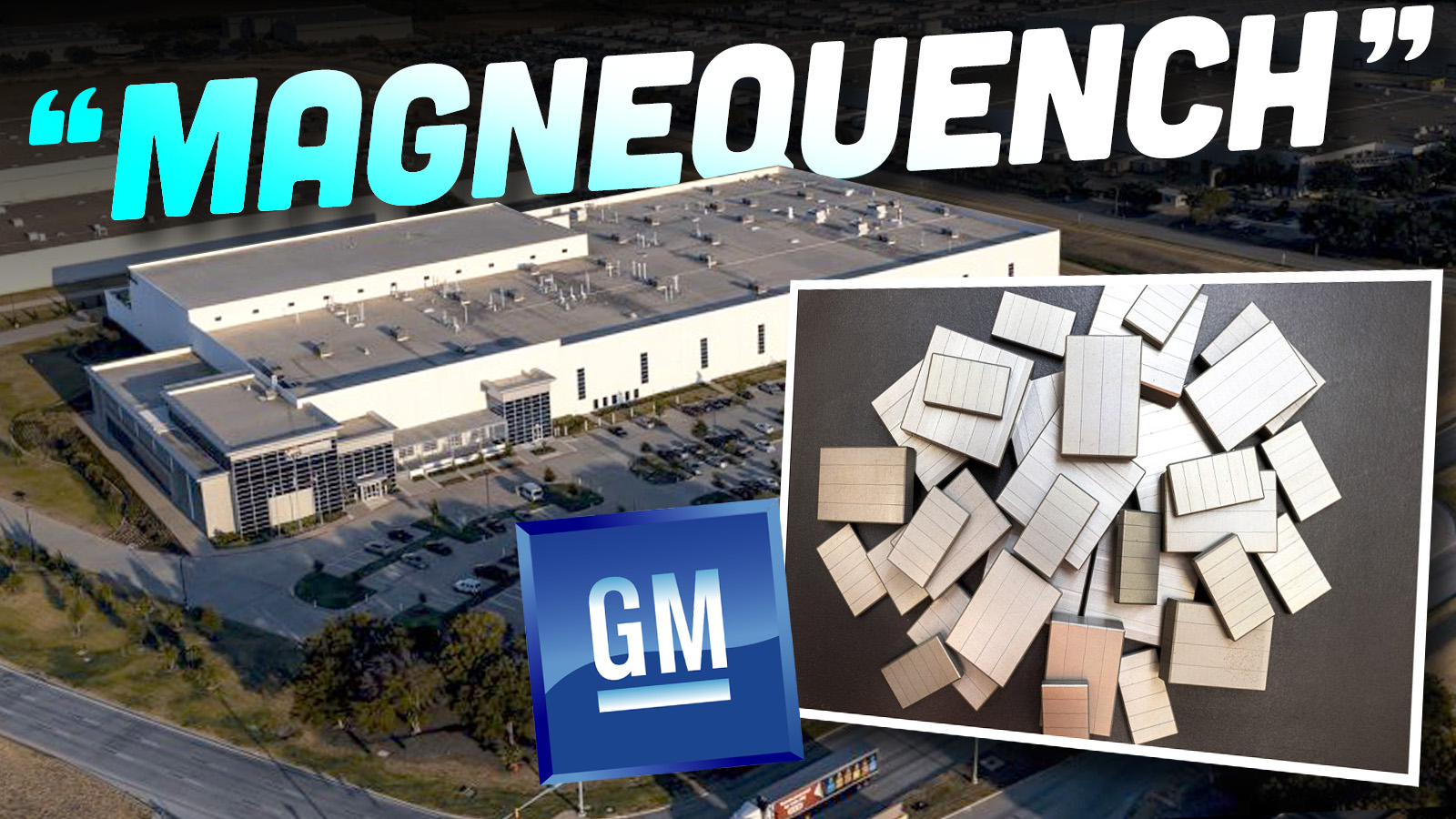
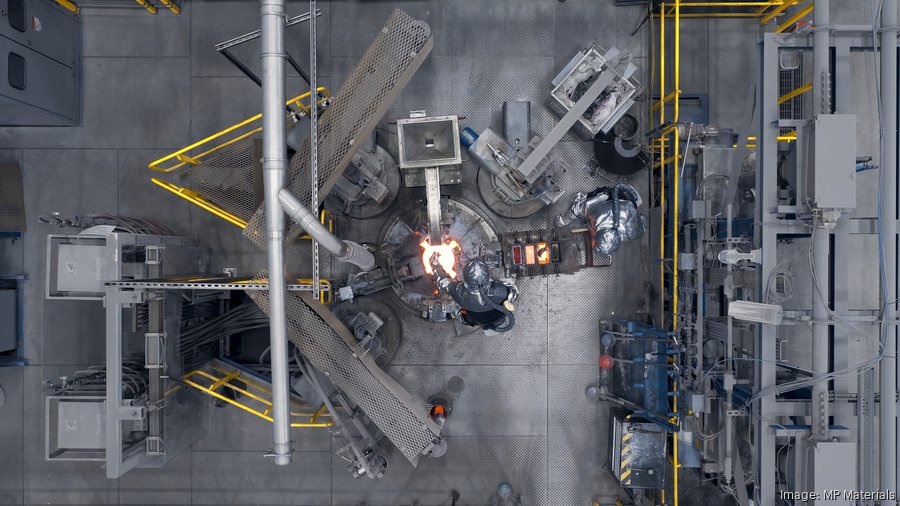
The U.S. Department of Defense's $400 million investment in MP Materials (July 2025) marks a structural shift in rare earth supply chain geopolitics with direct implications for cross-border e-commerce sellers. The Pentagon secured a 15% ownership stake and committed to a 10-year purchase agreement for neodymium-praseodymium (NdPr) magnets at $110/kg, while MP Materials' Fort Worth facility commenced commercial magnet production in December 2025, with regular deliveries expected Q4 2026. This represents the first U.S.-based, vertically integrated rare earth producer managing extraction through magnet manufacturing—a capability previously monopolized by China, which controls 70% of global processing capacity despite holding only 37% of known reserves.
For e-commerce sellers, this creates a critical 3-5 year competitive window. Currently, China dominates rare-earth separation, permanent magnet production, and battery supply chains, but meaningful domestic U.S. capacity is projected to emerge within 3-5 years. Sellers in electronics, electric vehicle accessories, renewable energy components, and industrial equipment categories can now source domestically-produced magnets and market products with "Made in USA" or "China-independent supply chain" credentials. This positioning commands premium pricing in B2B and consumer segments prioritizing supply chain resilience—particularly in defense-adjacent markets, aerospace components, and premium consumer electronics. MP Materials already serves Apple and U.S. aerospace/defense contractors, validating demand for domestic sourcing at higher price points.
The tariff arbitrage opportunity is substantial but time-sensitive. As domestic capacity scales from Q4 2026 through 2028 (when the 10X magnet plant begins commissioning), sellers face a choice: (1) lock in current China-sourced inventory at lower costs before tariff pressures mount, or (2) pivot to domestic sourcing to capture premium positioning and potential tariff advantages. The Pentagon's July 2025 decision to cease MP Materials' sales to China signals U.S. policy intent to restrict rare earth exports, which could trigger retaliatory tariffs or supply restrictions affecting sellers still dependent on Chinese rare earth components. Sellers with 6-12 month inventory lead times should audit their supply chains immediately—products containing rare earth magnets (motors, hard drives, speakers, medical devices, wind turbine components) face sourcing cost increases of 15-25% if forced to transition from Chinese to domestic suppliers mid-cycle.
Market access and competitive dynamics are shifting rapidly. Small-to-medium sellers (1,000-10,000 units/month) currently lack direct access to MP Materials' production (minimum orders likely $500K+), but can leverage 3PL partners and component distributors who will aggregate domestic magnet supplies. Large sellers (10,000+ units/month) should negotiate directly with MP Materials or Lynas Rare Earths for supply agreements—the Pentagon's 10-year commitment at $110/kg establishes a price floor that may be negotiable for volume commitments. Sellers exporting from the U.S. to EU, UK, and allied markets gain competitive advantage: domestic rare earth sourcing reduces supply chain risk premiums and aligns with EU Critical Raw Materials Act requirements (effective 2024), which incentivize non-Chinese sourcing. This creates a 12-18 month window where U.S.-based sellers can undercut China-dependent competitors in premium segments before domestic capacity fully scales.
Questions 8
Can small sellers compete if domestic rare earth magnets cost 15-25% more than Chinese imports?
Yes, but only in premium segments where supply chain resilience commands price premiums. Small sellers should target: (1) B2B buyers (aerospace, defense, medical) prioritizing domestic sourcing—these segments accept 15-25% cost increases for supply chain security; (2) Premium consumer segments (high-end audio, luxury EVs, professional equipment) where 'Made in USA' positioning justifies higher prices; (3) EU/UK markets where Critical Raw Materials Act incentivizes non-Chinese sourcing. Small sellers competing on price alone will struggle—focus instead on supply chain storytelling, certifications (Defense Production Act, Made in USA), and B2B relationships. Consider niche positioning: 'Domestic-sourced EV accessories' or 'US-made renewable energy components' rather than competing on cost with China-dependent competitors.
How should sellers adjust inventory and sourcing strategies for the 2026-2028 transition period?
Sellers should execute a three-phase strategy: (1) Immediate (Q1 2026): Audit supply chains for rare earth content; model tariff scenarios (25-50% on Chinese imports); negotiate 12-18 month fixed-price contracts with Chinese suppliers to lock in current costs. (2) Medium-term (2026-2027): Begin supplier conversations with MP Materials, Lynas Rare Earths, and component distributors; plan inventory transitions for Q4 2026 when MP Materials' regular deliveries begin. (3) Long-term (2027-2028): Shift 30-50% of sourcing to domestic suppliers; market 'USA-sourced' credentials; prepare for 15-25% cost increases if tariffs are imposed. SME sellers should prioritize 3PL and distributor partnerships; large sellers should negotiate direct supply agreements with MP Materials by mid-2026 to secure allocation before capacity constraints tighten.