

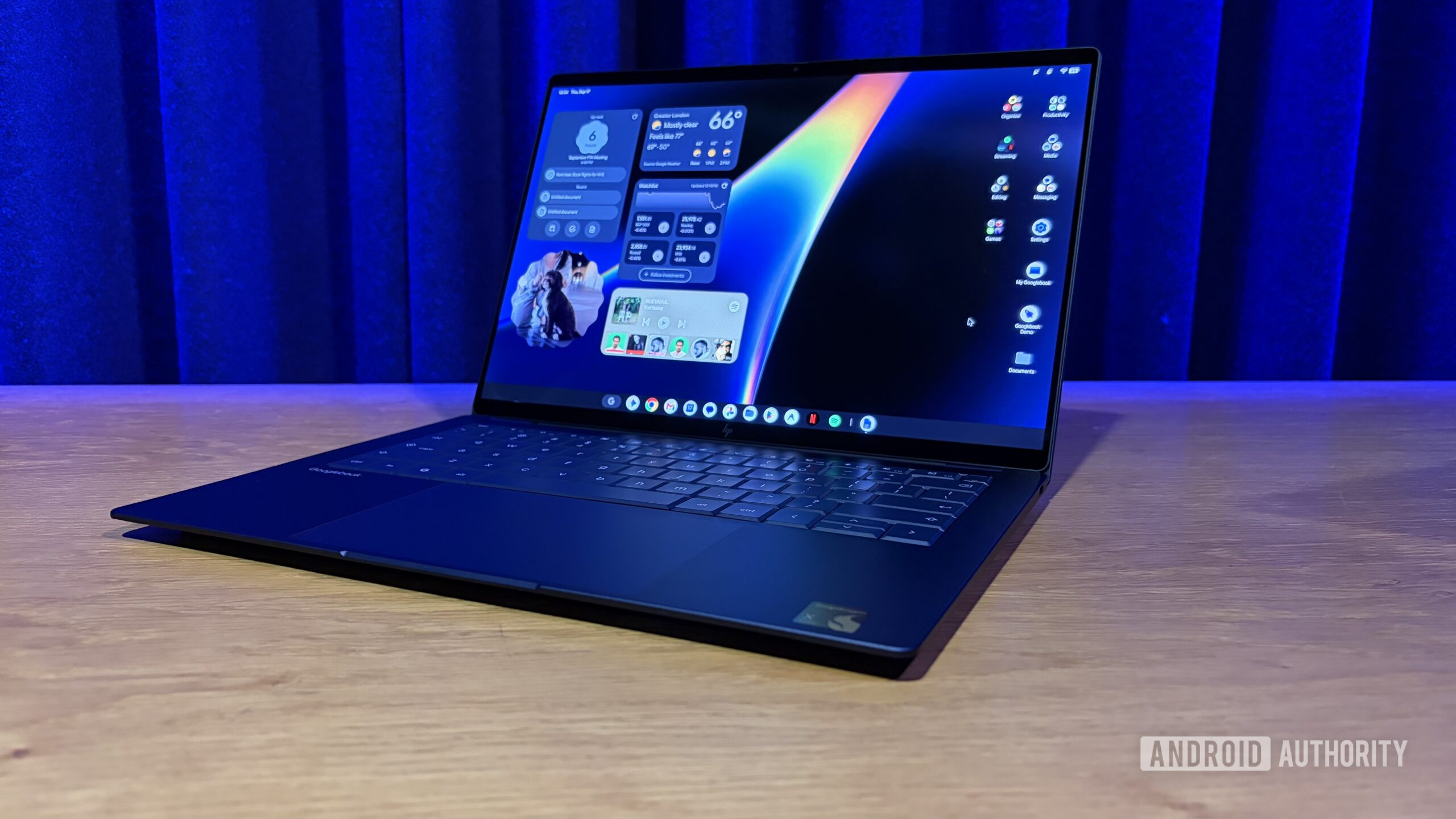
Googlebook Intel Compatibility Crisis | AI-Powered App Testing & Optimization Opportunity for Sellers
- Google's October 2026 Googlebook launch reveals processor architecture fragmentation affecting 3 of 5 models; creates urgent demand for AI-driven app compatibility testing, optimization services, and developer tools across $899-$1,299 premium laptop segment


Overview
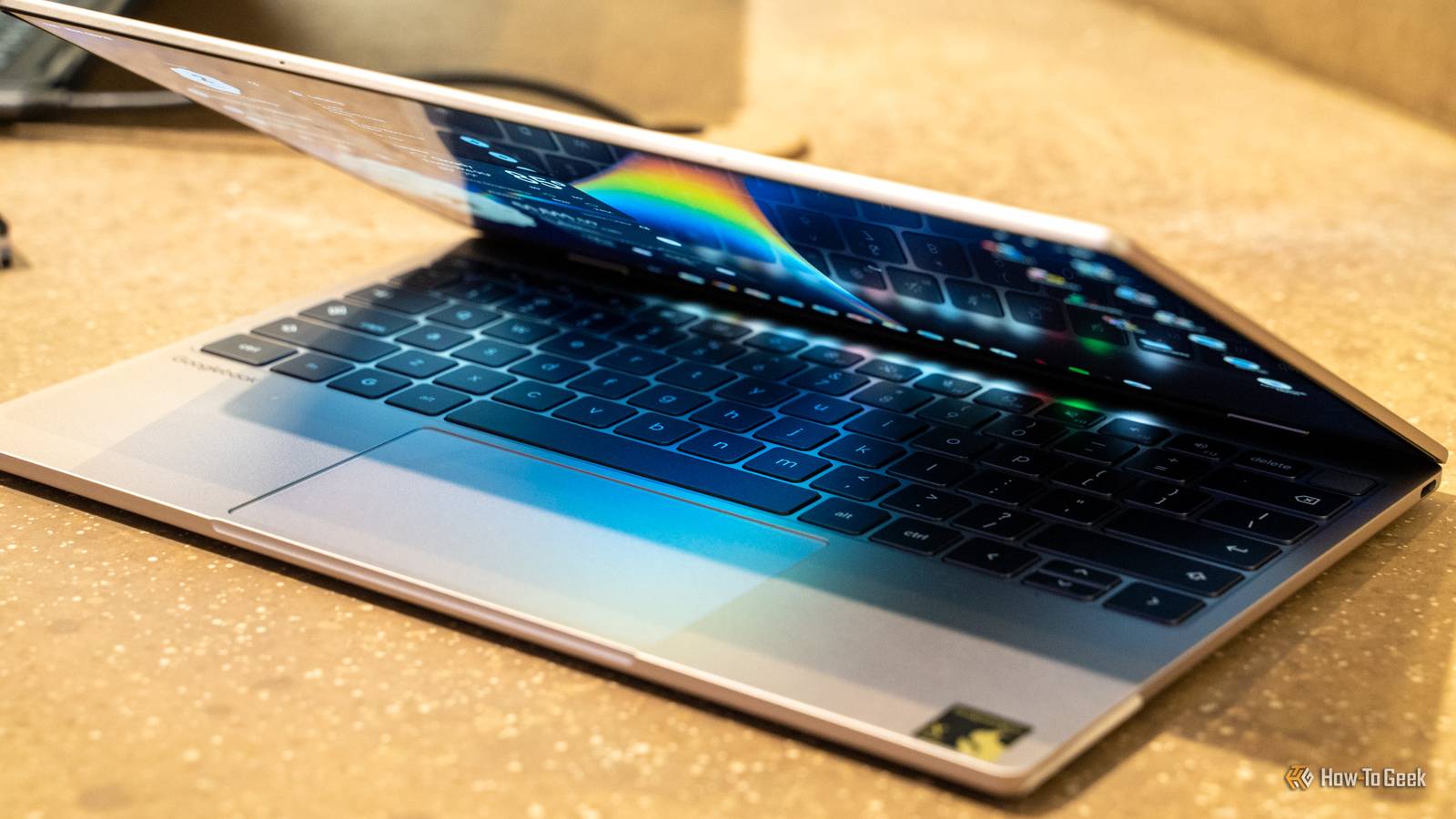
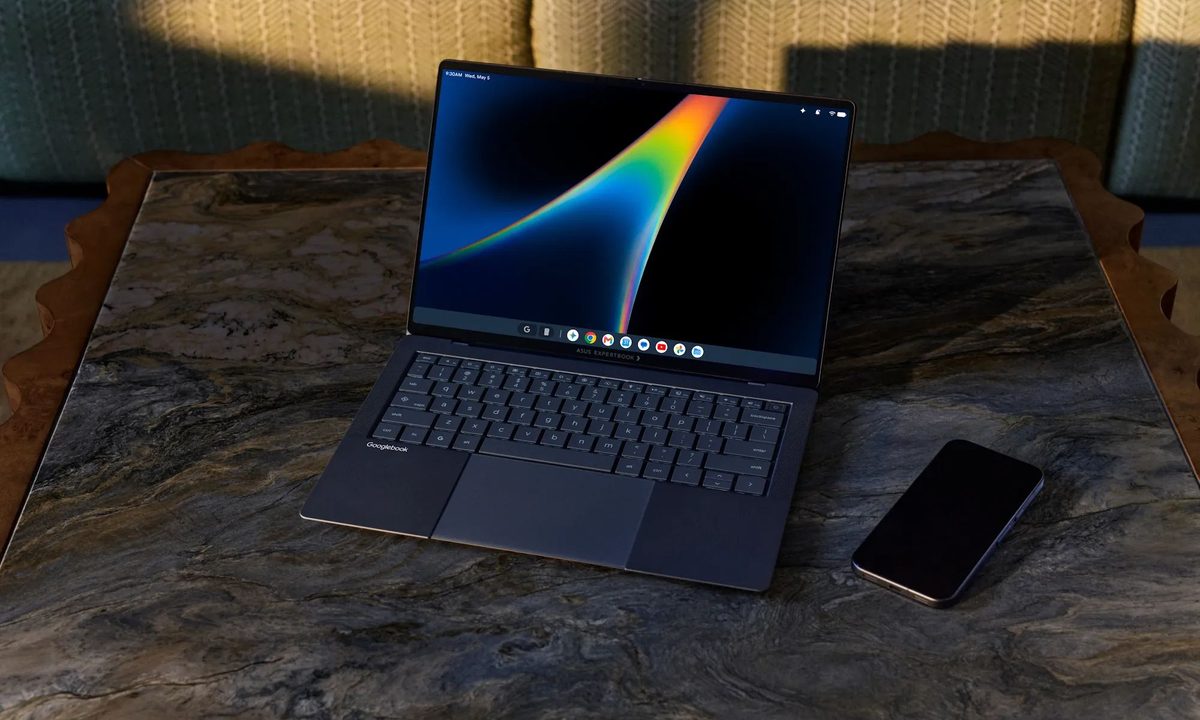
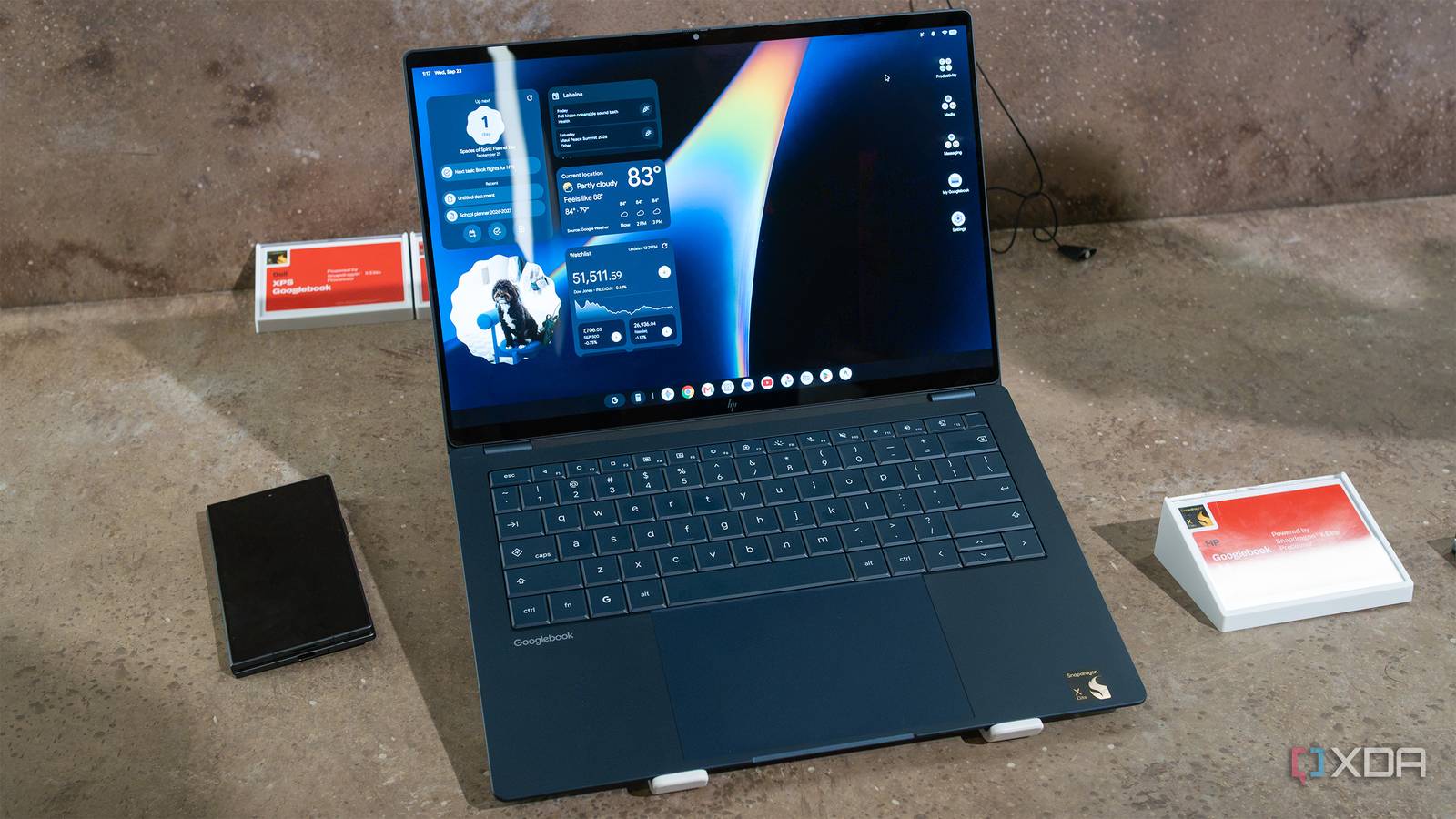
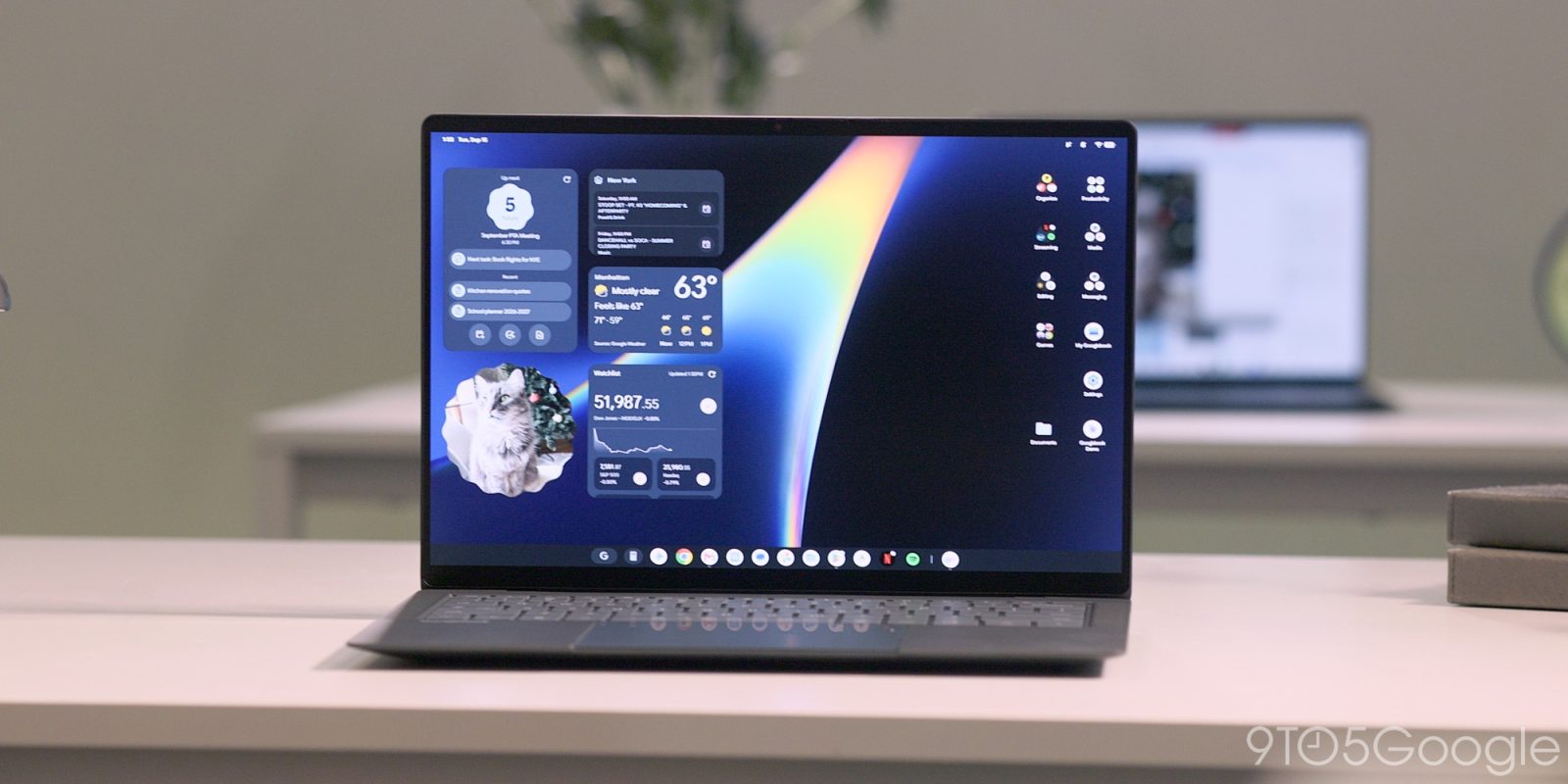
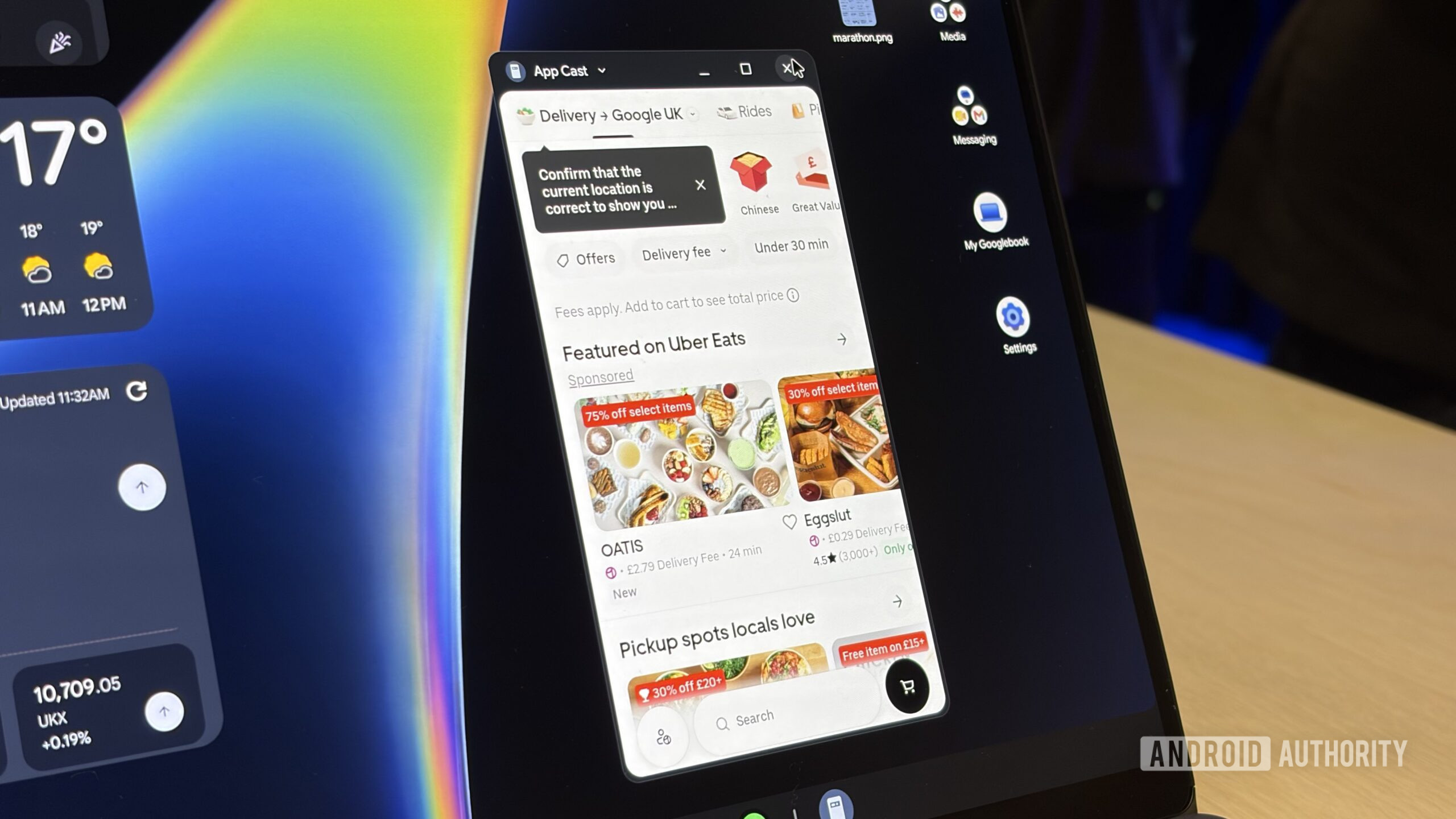
Google's October 5, 2026 Googlebook launch has exposed a critical processor architecture fragmentation that creates immediate opportunities for AI-powered sellers and developers. The company released five new Googlebook models in partnership with Lenovo, Acer, Asus, Dell, and HP—three featuring Intel's Panther Lake x86 architecture and two using Qualcomm's Snapdragon X Elite ARM chips. While Google claims "the vast majority" of Android apps run smoothly on both architectures, the company has now acknowledged that complex applications and games require developer optimization for Intel platforms, contradicting earlier universal compatibility claims.
The AI Automation Opportunity: This fragmentation creates immediate demand for AI-powered app compatibility testing and optimization services. Sellers can deploy automated testing frameworks using AI to identify which apps fail on Intel x86 architecture, then offer optimization services to developers. This represents a 40-60 hour/week automation opportunity for sellers building compatibility testing SaaS tools. AI can analyze ARM-to-x86 translation performance bottlenecks in real-time, predicting which app categories (games, productivity, graphics-intensive tools) will experience the most severe performance degradation. Sellers should immediately build AI-powered compatibility scanners that analyze APK files, predict performance on Intel platforms, and recommend optimization strategies—potentially capturing 5-15% of the estimated 50,000+ Android developers who will need optimization services.
Market Impact & Pricing Dynamics: The Googlebook lineup pricing ($899-$1,299) positions these devices as premium productivity tools competing with MacBook Air and Windows ultrabooks. Google's bundled offerings (1 year Google AI Pro, Nvidia GeForce Now, YouTube Premium, Adobe Photoshop) signal aggressive market positioning. However, the performance discrepancy between Intel and Qualcomm variants may persist through multiple hardware generations, according to industry analysis. This creates a competitive intelligence advantage: sellers can use AI sentiment analysis on Android Authority's independent testing results (expected Q4 2026) to identify which specific apps fail, then create targeted optimization guides, developer workshops, and compatibility certification programs. The real-time ARM code translation requirements create 15-25% performance and battery life penalties—quantifiable metrics sellers can use in marketing optimization services.
Seller Segments & Actionable Plays: App developers (estimated 50,000+ targeting Googlebooks) face immediate pressure to optimize for Intel. Sellers can capture this demand through: (1) AI-powered compatibility testing as a service ($50-200/app), (2) developer optimization consulting ($2,000-10,000 per engagement), (3) pre-optimized app marketplaces (curated Play Store alternatives), and (4) hardware recommendation engines that guide consumers toward Qualcomm models for specific use cases. The 3-month YouTube Premium and Adobe Photoshop bundles signal Google's targeting of content creators—a segment highly sensitive to performance issues. Sellers should immediately launch AI-driven content creator guides identifying which creative apps work best on each architecture, capturing affiliate revenue from Googlebook sales.
Questions 8
When should sellers launch compatibility testing services to capture market share?
Immediate action is critical—Android Authority is conducting independent compatibility testing with results expected Q4 2026. Sellers should launch AI-powered compatibility scanners and developer optimization services within 30 days to capture early-adopter developers. The performance discrepancy may persist through multiple hardware generations, creating a 12-24 month window for sellers to establish market position. Developers will face increasing pressure as Googlebook adoption accelerates, making Q4 2026-Q1 2027 the optimal window for launching premium optimization consulting and certification programs.
How does this compatibility issue affect consumer purchasing decisions for Googlebooks?
Google's failure to disclose Intel compatibility issues until after launch raises consumer trust concerns. CNET's Managing Editor Josh Goldman noted the issue is not critical unless users require mission-critical applications, but recommended potential buyers contact app developers for compatibility verification before purchasing Intel-based models. This creates demand for AI-powered hardware recommendation engines that guide consumers toward Qualcomm models based on their specific app usage patterns. Sellers can capture this demand by creating comparison tools, buyer guides, and app compatibility databases that help consumers make informed purchasing decisions.