
US FCC Bans Foreign Robots & Drones | Sellers Face $1.5B Market Disruption
- FCC restricts 5 DJI drone models by Jan 2027 & bans Asian robot vacuums; creates domestic sourcing opportunities for electronics sellers and 180-day inventory liquidation window









Overview
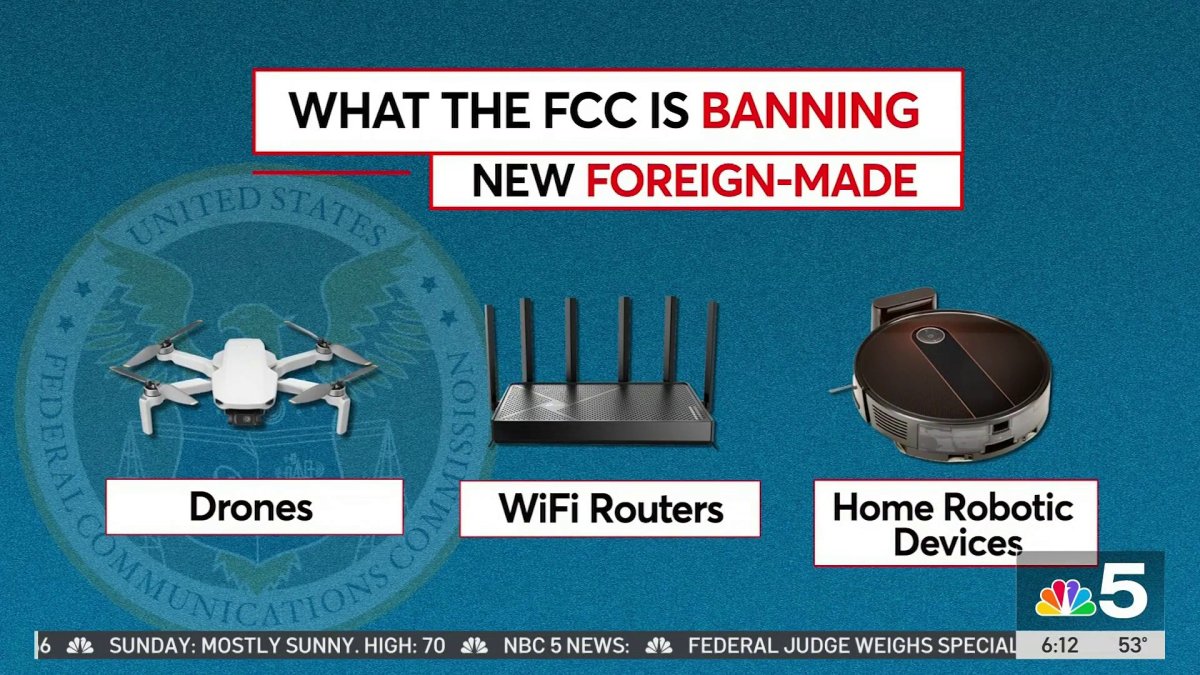
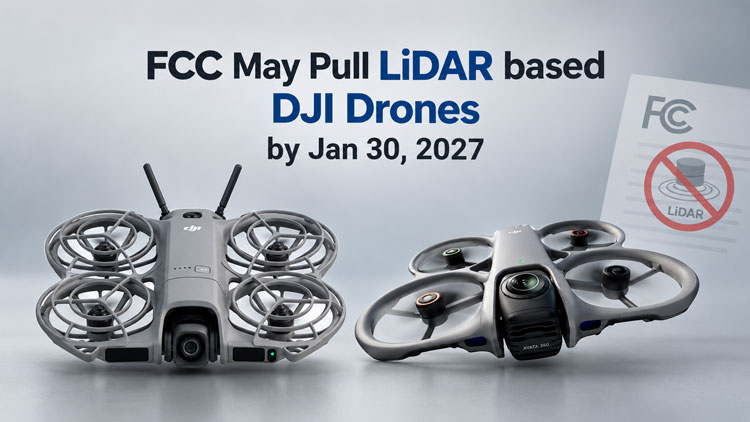
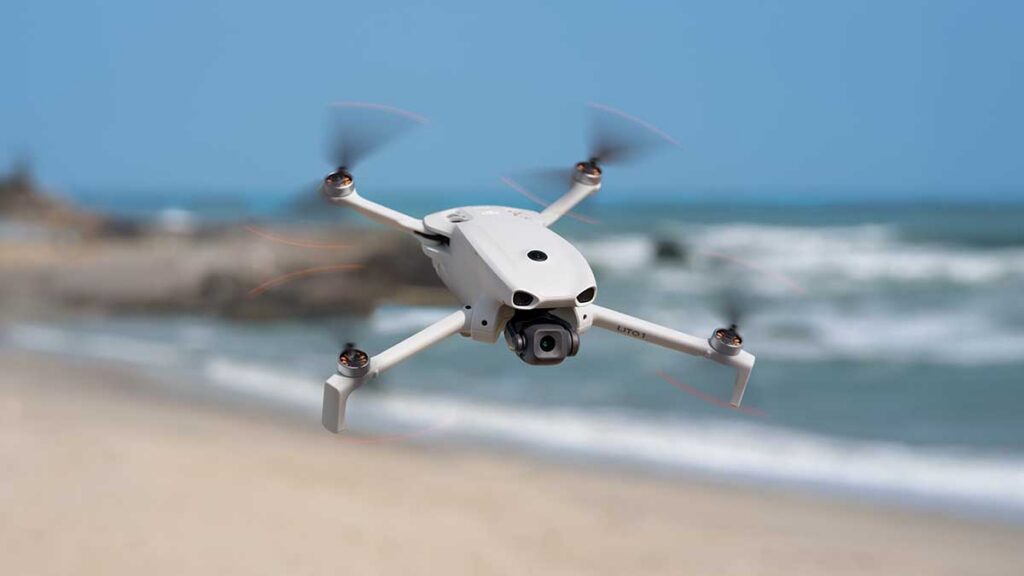
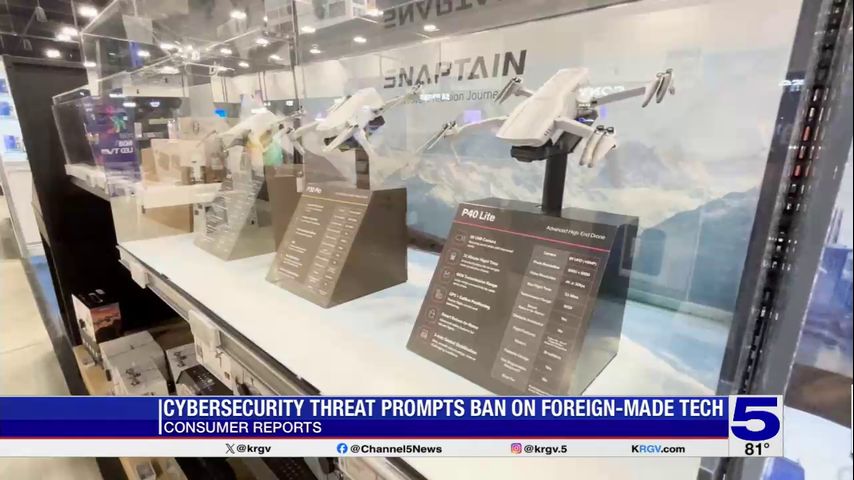
The US Federal Communications Commission has implemented a sweeping policy restricting foreign-manufactured advanced robotics and consumer drones, creating a $1.5B+ market disruption for cross-border electronics sellers. The FCC announced the robot vacuum ban in July 2024 citing national security concerns, with enforcement targeting new models containing >35% foreign components. Simultaneously, the FCC proposed classifying LiDAR sensors in five DJI drone models (Neo 2, Avata 360, Air 3S, Mini 5 Pro, Mavic 4 Pro) as "military technology," with retail sales prohibited by January 30, 2027—providing a critical 180-day liquidation window for sellers holding inventory.
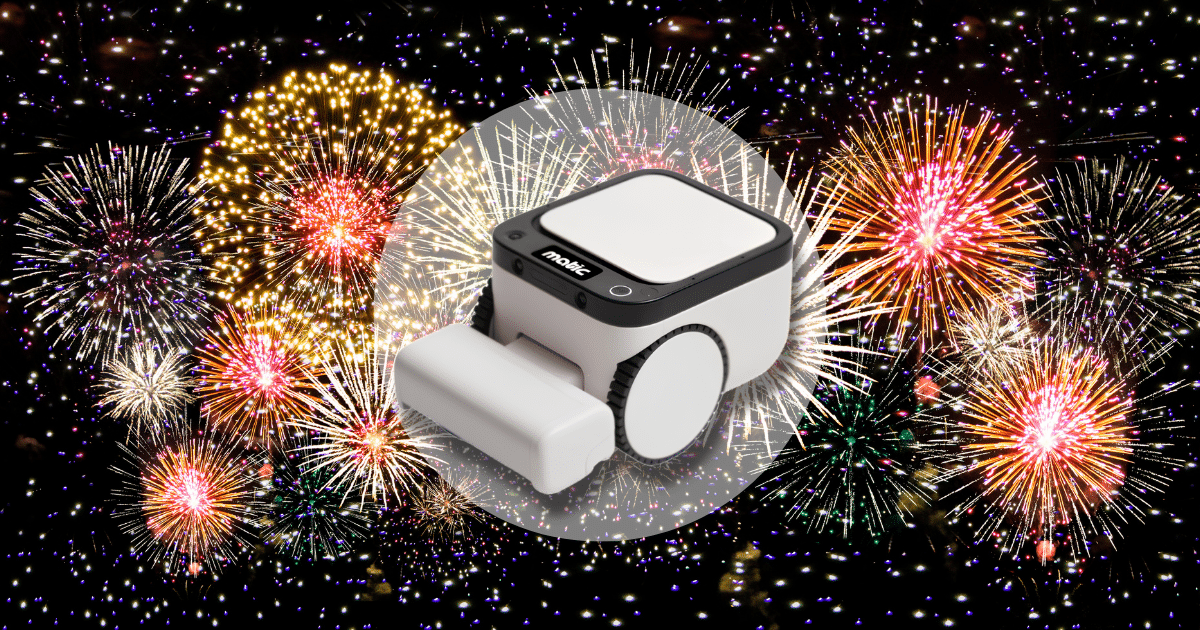
Market Access & Tariff Arbitrage Implications: Only two manufacturers have received exemptions to date—Matic (US-assembled with <35% foreign components, $1,495 price point) and Swedish manufacturer Husqvarna. This creates a competitive moat for sellers who can source from US-based manufacturers or establish domestic assembly operations. The <35% foreign component threshold represents a new tariff arbitrage opportunity: sellers can source critical components (compute platforms, sensors) from US suppliers like Nvidia while importing non-restricted subassemblies from Vietnam, India, or Mexico at lower tariff rates. This sourcing strategy could reduce landed costs by 8-15% compared to fully Asian-manufactured alternatives.
Competitive Dynamics & Seller Segmentation: Chinese manufacturers (DJI, Ecovacs, Roborock) face complete market exclusion—no major Chinese brands have received exemptions. This eliminates the primary competitors for US-based and European sellers in the $2-5K premium robotics segment. Mid-market sellers (Amazon FBA, Shopify) can capitalize by: (1) sourcing from newly-eligible manufacturers like Matic and Husqvarna, (2) liquidating existing DJI drone inventory before Jan 2027 at premium prices, and (3) pivoting to emerging domestic drone manufacturers. The 180-day implementation timeline creates a time-sensitive arbitrage window—retailers can clear DJI inventory at full MSRP before the ban, then pivot to domestic alternatives at higher margins.
Compliance & Sourcing Country Shifts: The policy explicitly targets "excessive foreign component content" without defining precise HS codes, creating compliance ambiguity. Sellers must audit supply chains immediately: verify component origin documentation, calculate foreign content percentages, and prepare for FCC audits. This regulatory uncertainty favors large sellers with compliance infrastructure (Amazon, Walmart) over small 3PL operators. Sourcing will shift from China (historically 70%+ of robot vacuum manufacturing) to Vietnam, India, and Mexico—countries with lower tariff rates under USMCA and CPTPP. Sellers should negotiate long-term contracts with Vietnam-based manufacturers (Ecovacs has facilities there) to lock in pre-ban pricing before competitors identify the same sourcing arbitrage.
Time-Sensitive Opportunities: The 180-day window (through Jan 2027) represents a liquidation opportunity for sellers holding DJI inventory. Current retail prices for DJI Mini 5 Pro ($499) and Air 3S ($749) will likely spike 15-25% as supply tightens and consumers rush to purchase before the ban. Sellers should: (1) accelerate inventory purchases of affected DJI models through December 2026, (2) establish pre-order campaigns for domestic alternatives, and (3) position premium robotics as "US-compliant" in product listings to justify price increases. After January 2027, the consumer drone market will face a 2-3 year gap before domestic manufacturers scale production, creating sustained pricing power for sellers with existing inventory.
Questions 8
What is the <35% foreign component threshold for robot vacuum exemptions?
The FCC's robot vacuum ban, announced in July 2024, targets new models with excessive foreign component content. Matic qualified for the first exemption by demonstrating that foreign components comprise less than 35% of overall product cost, with assembly in California and critical components (Nvidia compute platform) sourced from US suppliers. This threshold creates a tariff arbitrage opportunity: sellers can source restricted components from US manufacturers while importing non-restricted subassemblies from Vietnam or Mexico at lower tariff rates, potentially reducing landed costs 8-15% versus fully Asian-manufactured alternatives.
Which DJI drone models are banned in the US by January 2027?
The FCC has proposed classifying LiDAR sensors in five DJI models as military technology: DJI Neo 2, Avata 360, Air 3S, Mini 5 Pro, and Mavic 4 Pro. Retailers will be prohibited from selling remaining inventory after January 30, 2027, though existing owners can continue using their devices. This creates a 180-day window (through December 2026) for sellers to liquidate DJI inventory at potentially premium prices before the ban takes effect. DJI has disputed the classification, arguing LiDAR is civilian technology used in iPhones, but the FCC's military designation appears final.