



FinCEN Scraps $10K Crypto Wallet Rule | Compliance Burden Lifted for Payment Processors
- Removes 6-year regulatory uncertainty affecting crypto payment processors, exchanges, and cross-border sellers using digital asset settlement





































Overview
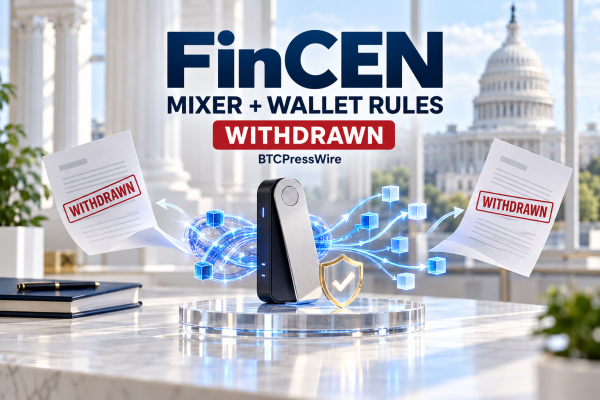
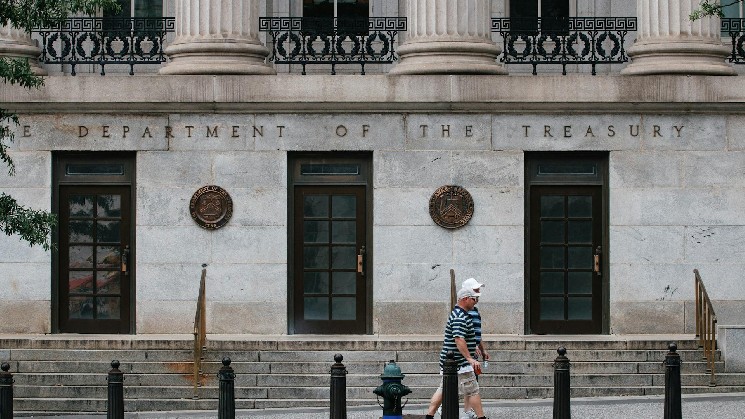
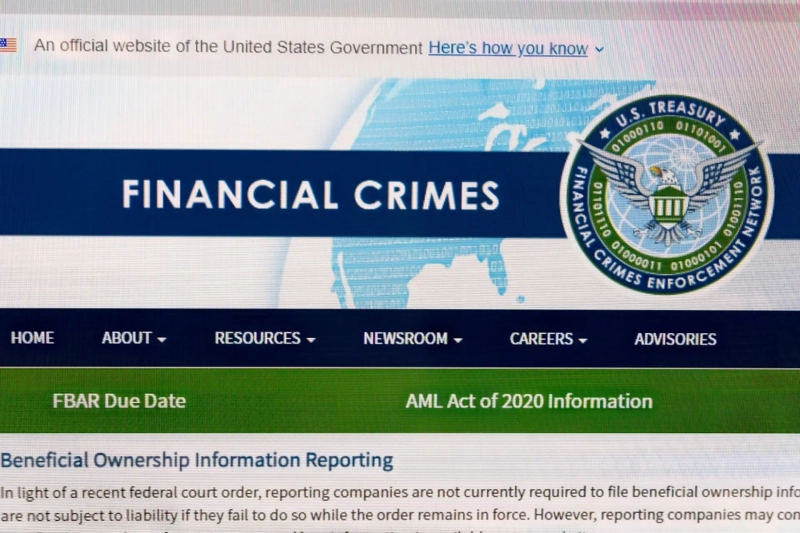
FinCEN's withdrawal of two major cryptocurrency regulatory proposals on October 6, 2026, eliminates significant compliance barriers that threatened crypto-enabled payment infrastructure for e-commerce platforms. The U.S. Treasury Department's Financial Crimes Enforcement Network scrapped the December 2020 self-hosted wallet rule (requiring $10,000+ transaction reporting with identity verification) and the October 2023 crypto mixing proposal (which would have classified privacy-enhancing transactions as money-laundering concerns). These proposals had remained unresolved for nearly six years despite generating thousands of public comments, creating persistent regulatory uncertainty.
For cross-border e-commerce sellers, this decision directly impacts payment settlement options and operational costs. The withdrawn self-hosted wallet rule would have mandated financial institutions collect detailed customer and wallet information for transactions exceeding $10,000 within 24-hour periods, imposing substantial reporting burdens on covered institutions. Crypto-enabled payment processors serving high-volume sellers—particularly those in SEA, Latin America, and emerging markets where traditional banking infrastructure is limited—faced potential compliance costs of $50,000-$200,000 annually per institution. The mixing rule withdrawal is equally significant: it removes the threat of classifying legitimate privacy-focused transactions as primary money-laundering concerns, which would have required enhanced reporting on wallet addresses, transaction hashes, and IP addresses. This regulatory clarity benefits sellers using decentralized finance (DeFi) settlement protocols for cross-border payments, reducing compliance friction that could have added 15-30 days to settlement cycles.
The Trump administration's deregulatory stance signals a shift toward "fit-for-purpose" digital asset rules rather than prescriptive restrictions. FinCEN stated it will continue monitoring cryptocurrency mixer activity for illicit finance indicators but may pursue alternative regulatory approaches—meaning future rules will likely be technology-neutral rather than targeting specific cryptocurrency practices. This creates a compliance moat for early-adopting payment processors: sellers who integrated crypto payment rails during the regulatory uncertainty period now face reduced compliance costs, while competitors must rapidly catch up. The decision also validates privacy-focused cryptocurrency use, as evidenced by Treasury's March 2025 removal of Ethereum-based mixer Tornado Cash from its sanctions list following an appeals court ruling. For sellers in high-remittance markets (Philippines, Mexico, India), this removes barriers to accepting stablecoin payments for inventory purchases and cross-border settlements, potentially reducing payment processing fees from 3-5% to 1-2%.
Immediate compliance relief extends to payment platforms and exchanges that had prepared for implementation. Neither proposal ever took effect, so no retroactive compliance adjustments are required. However, sellers should monitor FinCEN's future regulatory announcements, as the agency explicitly stated it may pursue alternative approaches. The decision reflects broader regulatory shifts toward accommodating cryptocurrency innovation while maintaining anti-money-laundering frameworks—suggesting future rules will focus on transaction monitoring rather than infrastructure restrictions.
Questions 7
How does FinCEN's withdrawal of the $10,000 wallet rule affect crypto payment processors serving e-commerce sellers?
The withdrawal eliminates compliance costs that would have required financial institutions to collect detailed customer and wallet information for transactions exceeding $10,000 within 24-hour periods. Payment processors that had budgeted $50,000-$200,000 annually for compliance infrastructure can now reallocate those resources to product development or fee reduction. For sellers using crypto settlement, this removes 15-30 day delays that would have resulted from enhanced reporting requirements. The decision particularly benefits high-volume sellers in SEA and Latin America who rely on crypto payment rails due to limited traditional banking access.
How does this regulatory shift compare to other jurisdictions' cryptocurrency policies?
The U.S. withdrawal of prescriptive crypto rules contrasts with the EU's Markets in Crypto-Assets Regulation (MiCA), which imposes strict requirements on crypto service providers. Singapore and Hong Kong maintain technology-neutral approaches similar to the Trump administration's stated preference. For sellers operating across multiple jurisdictions, this creates a compliance advantage in the U.S. market—they can use crypto settlement with lower friction than in EU markets. However, sellers should expect continued state-level variation, with progressive states (California, New York) potentially maintaining stricter requirements than federal policy.