



Trump's 150-300% Tariff Threats Reshape Cross-Border Supply Chains | Seller Sourcing Strategy Overhaul Required
- Tariff rates on Korean goods could jump from 15% to 25%+ within 18 months; sellers importing electronics, auto parts, lumber face 40-60% cost increases; immediate sourcing diversification needed











Overview
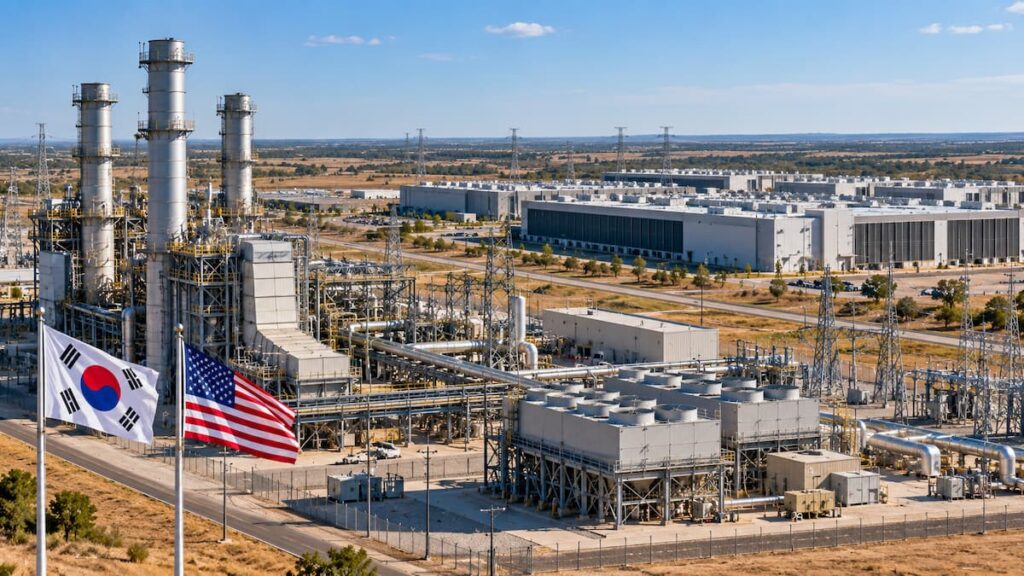
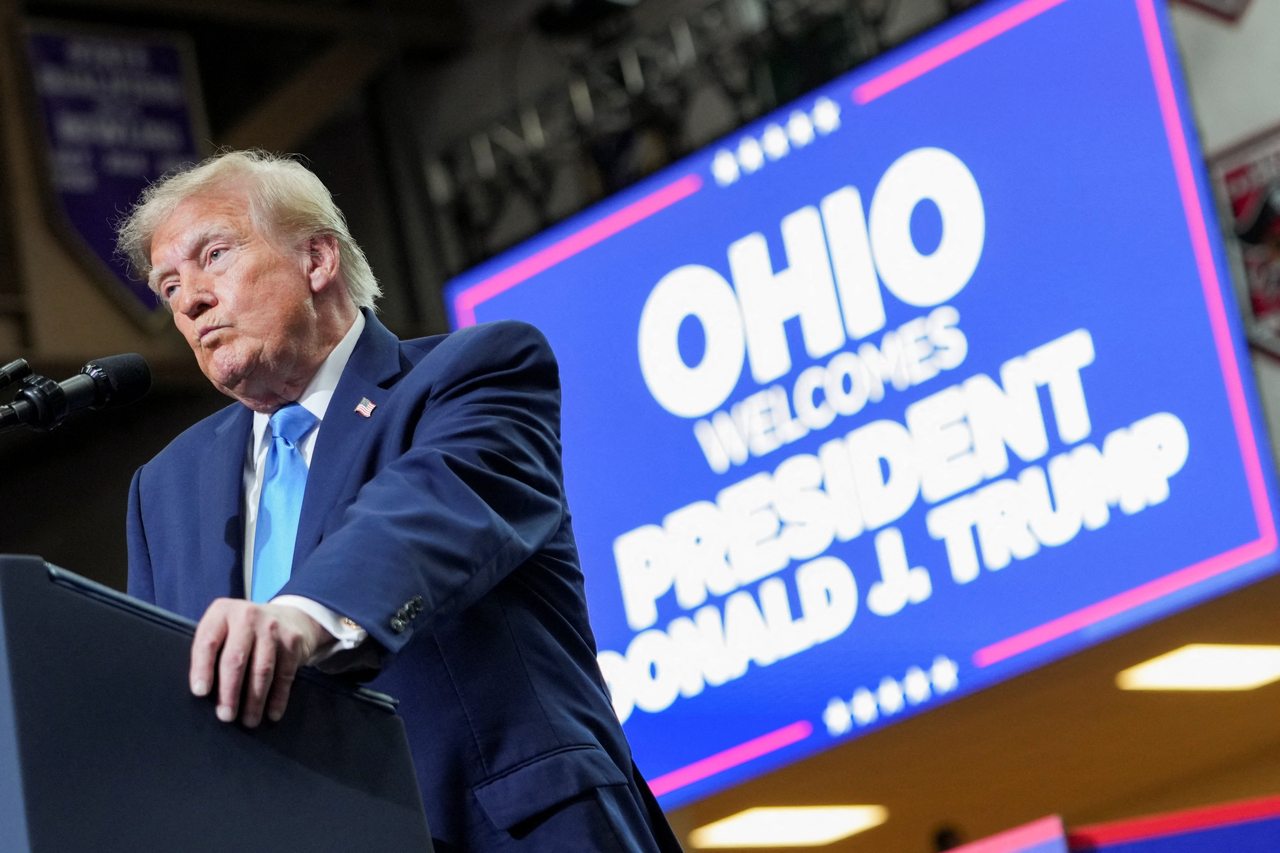
Trump's escalating tariff threats targeting South Korea, China, Japan, and Canada represent the most significant trade policy disruption for cross-border e-commerce sellers since 2018. The administration is threatening 150-300% tariffs on companies failing to invest in U.S. manufacturing within 18 months, with specific pressure on South Korea to commit $350 billion in investments or face tariff increases from the current 15% rate back to 25% on lumber, automobiles, and prescription drugs. This creates an immediate tariff arbitrage crisis for sellers sourcing from these countries.
For sellers importing Korean electronics, appliances, and auto parts, the financial impact is severe. Current tariff rates of 15% on Korean goods (reduced from 25% in July 2024) could revert to 25%+ if South Korea's legislature fails to ratify the October investment framework. For a seller importing $100,000 monthly in Korean electronics, this represents a potential $10,000-15,000 monthly tariff cost increase. The 18-month timeline creates a compressed window for sourcing strategy pivots. Sellers must immediately audit their Korean supplier dependencies and calculate tariff exposure by HS code—electronics (HS 8471-8517) face the highest vulnerability, followed by auto parts (HS 8708) and machinery (HS 8479-8481).
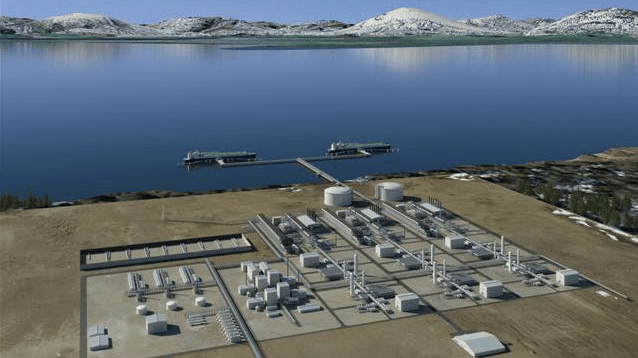
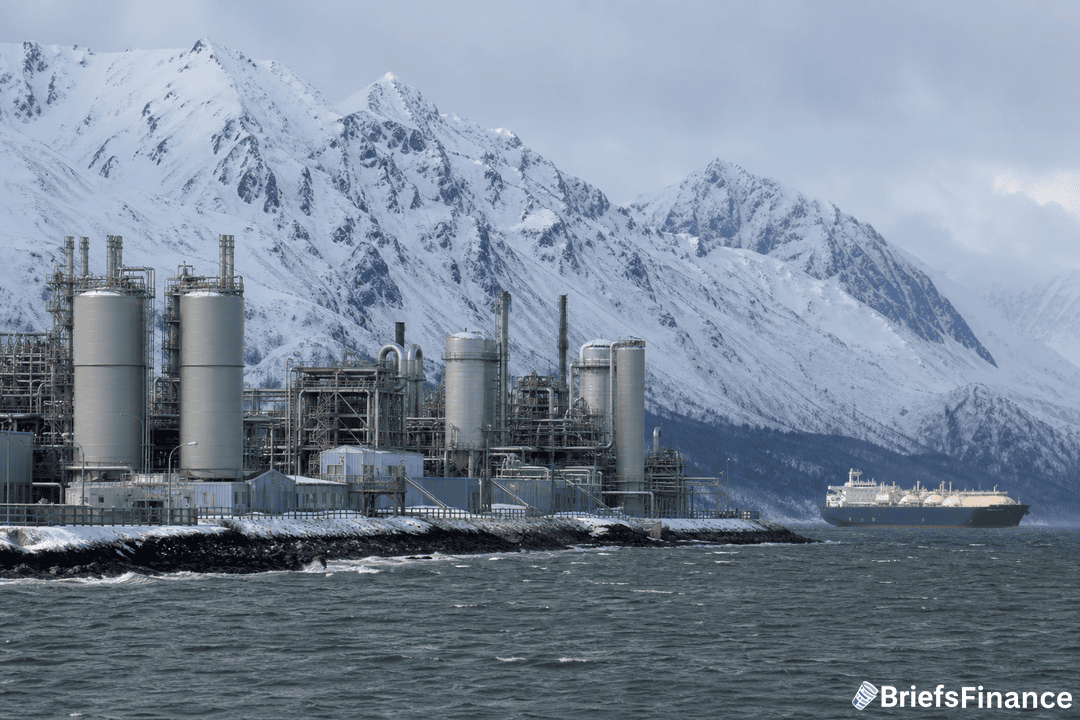
The broader tariff environment signals a shift toward bilateral investment-linked trade agreements rather than traditional MFN rates. Canada faces $27.6 billion in retaliatory duties with $1 billion in banned products (alcohols, motorcycles, dairy), while India negotiations are described as "very, very difficult." This creates a three-tier sourcing strategy opportunity: (1) Maintain Korean sourcing for products where tariff increases are manageable (textiles, consumer goods under 10% tariff), (2) Shift electronics and high-value goods to Vietnam, Thailand, or Indonesia where tariff rates remain stable at 0-5%, and (3) Explore nearshoring to Mexico for automotive and machinery categories where USMCA provides tariff advantages. The Alaska LNG investment pressure on South Korea signals energy cost volatility that could further impact manufacturing competitiveness in Korean factories, making alternative sourcing regions increasingly attractive.
Immediate seller actions must focus on tariff exposure mapping and supply chain diversification. Sellers with >$50,000 monthly Korean imports should conduct HS code-level tariff analysis within 30 days, identifying which product categories face the highest rate increases. Request quotes from Vietnam, Thailand, and Indian suppliers for electronics and machinery categories—these regions typically offer 8-15% cost savings that could offset tariff increases. Monitor South Korea's legislative ratification of the October framework (expected Q1 2025) as the critical decision point; if ratification fails, implement sourcing switches within 60 days before tariff increases take effect. For sellers with Canadian suppliers, the $27.6 billion in retaliatory duties already in effect means immediate cost increases are occurring—evaluate nearshoring to Mexico or U.S. domestic sourcing for products where tariff savings exceed logistics cost premiums.
Questions 8
What compliance risks should sellers monitor regarding these tariff changes?
Sellers must monitor three compliance deadlines: (1) South Korea's legislative ratification of the October investment framework (Q1 2025)—failure triggers tariff increases, (2) Implementation of tariff increases (60-90 days after ratification failure), (3) Customs documentation updates for alternative sourcing regions. Sellers should maintain detailed records of supplier origin (HS code country of origin) to ensure tariff classification accuracy. If tariff rates increase, sellers must update landed cost calculations and pricing strategies within 30 days to maintain margin targets. Failure to adjust pricing could result in 8-15% margin compression. Additionally, sellers should monitor India trade negotiations, as 'very, very difficult' talks could lead to tariff increases on Indian goods, affecting alternative sourcing strategies.
How should sellers calculate tariff exposure and plan sourcing transitions?
Sellers should conduct a three-step tariff exposure analysis: (1) Audit all Korean suppliers and categorize by HS code (electronics, auto parts, machinery, textiles), (2) Calculate monthly tariff costs at current 15% rate and projected 25% rate, (3) Identify which categories have >5% margin compression risk. For example, a seller importing $50,000 monthly in Korean electronics at 15% tariff ($7,500/month) would face $12,500/month at 25% rate—a $5,000 monthly increase. Request quotes from Vietnam/Thailand suppliers offering 8-15% cost savings to offset tariff increases. Implement sourcing switches for high-risk categories (electronics, auto parts) within 60 days if South Korea fails to ratify the investment framework by Q1 2025. Use tariff calculators at cbp.gov to verify HS codes and rates for specific products.