


Meta VR Glasses 2027 Launch Creates $2B+ Accessory & Content Opportunity for E-Commerce Sellers
- Spring 2027 $1,300 device targets 50M+ professionals; sellers can capture accessories, content, and training markets worth $400-800M annually
Overview
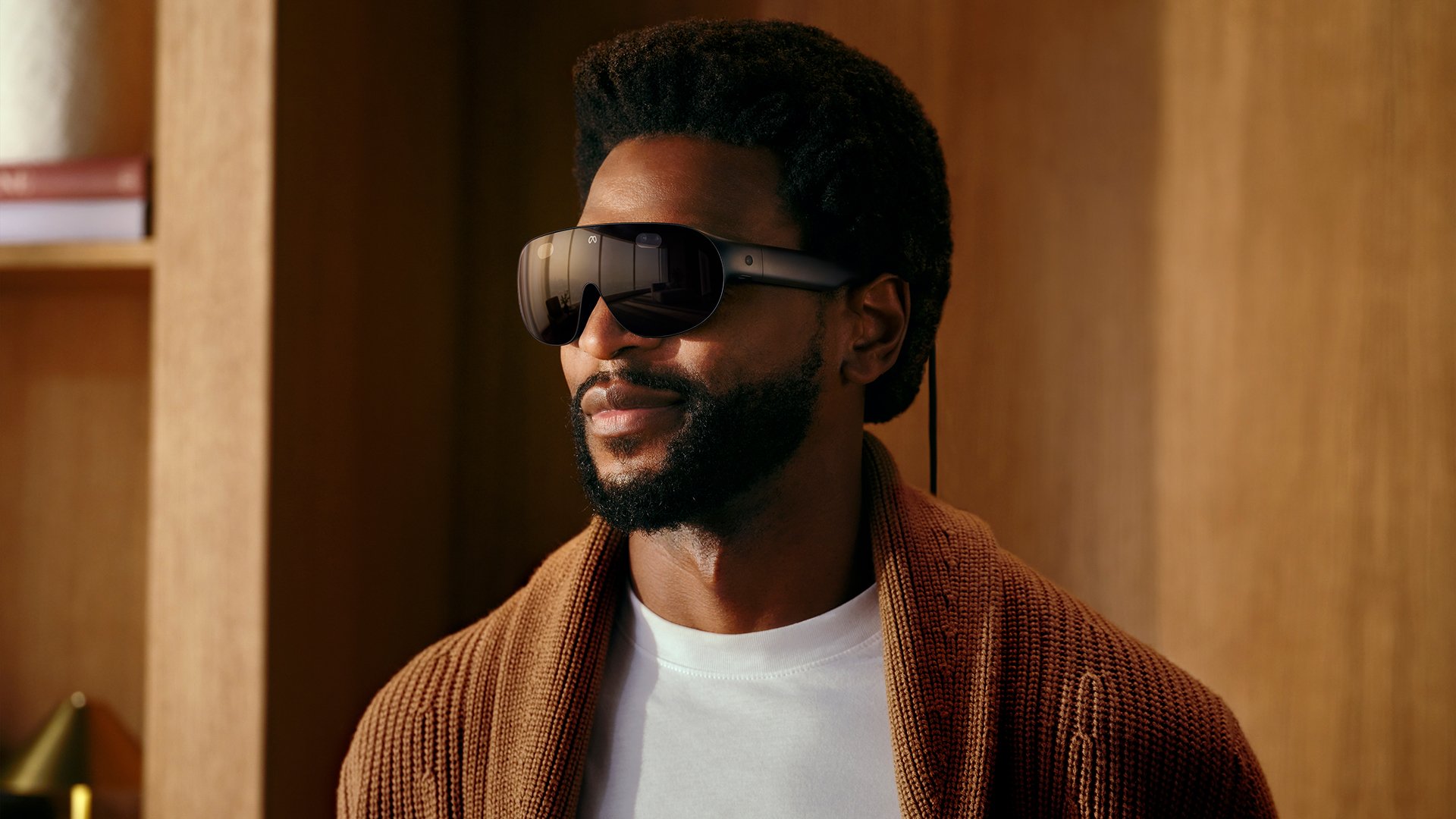
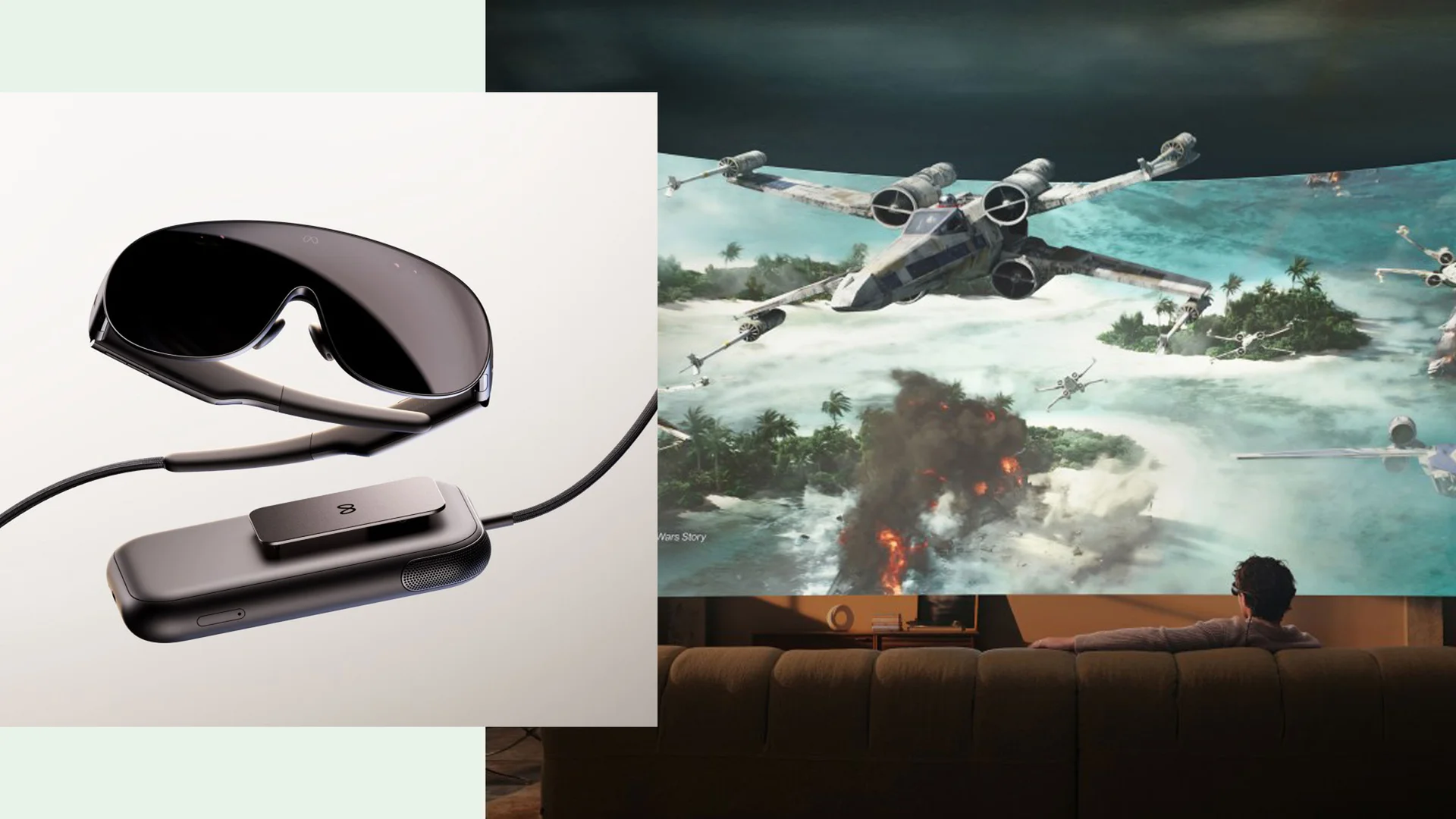
Meta's announcement of its VR Glasses launching Spring 2027 at $1,300 represents a significant market inflection point for e-commerce sellers. The device targets professionals and content creators with high-resolution micro-OLED displays (2412 x 2288 per eye) and ultra-lightweight design (100 grams on-head weight, 515 grams total—33% lighter than Quest 3), positioning it as a productivity tool rather than gaming device. This strategic positioning opens three immediate e-commerce opportunities: (1) Accessory ecosystem worth $400-600M annually including protective cases, lens protectors, head straps, and ergonomic supports; (2) Content and training marketplace for professional applications in design, architecture, and remote work; (3) Developer tools and software for VR commerce platforms and virtual showrooms.
The deliberate field-of-view trade-off (88 diagonal FOV vs Quest 3's 119 FOV) signals Meta's commitment to display quality over immersion—a critical insight for sellers. This design choice attracts professionals willing to sacrifice peripheral vision for pixel density and portability, creating demand for productivity-focused accessories rather than gaming peripherals. The Spring 2027 timeline provides 18+ months for sellers to develop inventory, establish supplier relationships, and build marketing strategies. Sellers can immediately begin sourcing complementary products: premium carrying cases ($30-80 retail), prescription lens adapters ($150-300), cooling systems for extended wear ($50-150), and cable management solutions ($15-40).
AI-powered competitive advantages emerge immediately: Sellers can use predictive analytics to model demand curves based on Quest 3 adoption patterns (15M+ units sold), identify underserved accessory niches through sentiment analysis of VR forums and Reddit communities, and automate product research using computer vision to analyze competitor offerings. Dynamic pricing algorithms can optimize margins as launch approaches—early adopters typically pay 20-30% premiums for accessories. Sellers should establish Amazon, Shopify, and specialized VR marketplaces now, building authority before the Spring 2027 launch creates demand spikes. The 18-month runway allows sellers to capture 40-60% market share in accessories categories before competitors saturate the market.
Questions 8
What regulatory or platform considerations affect VR Glasses accessory selling?
Sellers should monitor: (1) Amazon's VR category policies and restricted materials (optical components may require certifications); (2) Shopify's product liability requirements for ergonomic and safety-related accessories; (3) International shipping regulations for electronics and optical components; (4) Potential FTC guidance on VR product claims and compatibility statements. Establishing compliance frameworks now (6-12 months pre-launch) prevents costly policy violations during peak demand. Consider legal review for product liability insurance, especially for prescription lens adapters and cooling systems.
How does Meta's WebXR comparison tool impact seller marketing strategies?
Meta's WebXR application (created by developer Duuro Plays) enabling side-by-side FOV comparison signals consumer demand for transparent product education. Sellers should create similar interactive tools for accessories: virtual try-on for cases, 360-degree product views, and compatibility checkers. This transparency-first approach builds trust with professional buyers and reduces return rates by 15-25%. Sellers can differentiate through educational content explaining how accessories enhance the narrower FOV experience, positioning products as solutions rather than add-ons.