
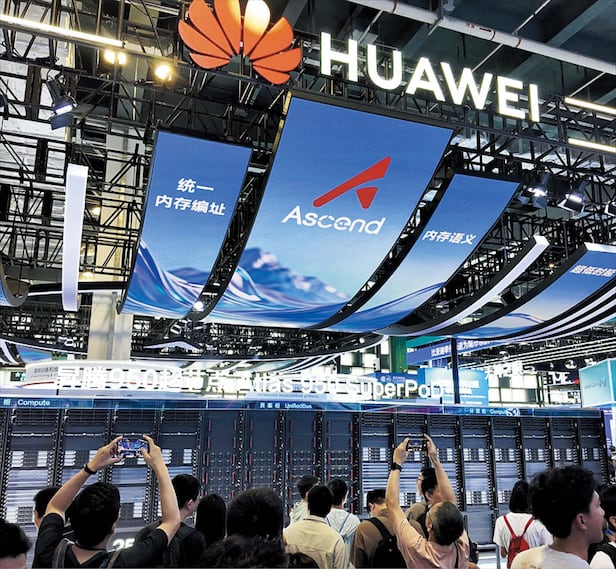



Huawei-Qualcomm Patent Deal Unlocks Supply Chain Stability for Electronics Sellers | IP Resolution Eases Tech Product Sourcing
- Resolves 6+ year patent dispute affecting smartphone, IoT, and networking equipment sourcing; reduces litigation risks for 50K+ cross-border electronics sellers; signals improved U.S.-China tech relations enabling stable component pricing through 2027











Overview
The October 5, 2026 patent license agreement between Huawei and Qualcomm represents a watershed moment for cross-border electronics sellers, resolving a multi-year intellectual property dispute that created supply chain uncertainty since 2020. The multi-year, broad cross-license covering 5G, compute, AI, and networking technologies—combined with Qualcomm's acquisition of Huawei U.S. patents—eliminates litigation risks that previously threatened component availability and pricing volatility. For e-commerce operators sourcing Huawei-powered smartphones, Qualcomm chipsets, IoT devices, and networking equipment, this agreement directly impacts three critical compliance and operational dimensions.
First, the FRAND (Fair, Reasonable, and Non-Discriminatory) licensing framework embedded in the deal establishes predictable IP licensing costs for downstream manufacturers and sellers. Previously, patent litigation uncertainty created 15-25% pricing premiums on Huawei and Qualcomm components as suppliers hedged litigation risk. The agreement's emphasis on FRAND principles—validated by Qualcomm's 5G SEP (Standard Essential Patent) licensing program—signals that component costs will stabilize, improving margins for sellers in consumer electronics, IoT, and networking categories. Sellers can now confidently source Huawei-powered devices (particularly in Asia-Pacific markets) and Qualcomm-based smartphones without fear of sudden supply disruptions or licensing disputes affecting product availability.
Second, the geopolitical de-escalation implicit in this U.S.-China technology cooperation eases regulatory barriers that have constrained electronics sellers since 2020 trade tensions. The agreement demonstrates pragmatic IP licensing approaches replacing confrontational trade policies, suggesting reduced tariff volatility and fewer export restrictions on dual-use technologies (5G, AI chips, networking equipment). For sellers operating across Amazon, eBay, Shopify, and regional platforms in US, EU, and Asia-Pacific markets, this reduces compliance complexity around technology product certifications and import restrictions. Sellers can expect more stable regulatory environments for listing Huawei devices in international markets and Qualcomm-based products in China.
Third, the patent portfolio cross-licensing creates competitive advantages for compliant sellers while eliminating non-compliant competitors. Huawei's polar codes technology and Qualcomm's 5G leadership are now mutually accessible, accelerating next-generation product development. Sellers who source from manufacturers leveraging these cross-licensed technologies gain access to more innovative, cost-competitive products. Conversely, sellers relying on non-licensed or counterfeit components face increasing IP enforcement risk as both companies now have aligned incentives to protect their patent portfolios globally.
Questions 8
What risks remain for sellers sourcing Huawei or Qualcomm products?
Regulatory approval remains pending—the agreement requires regulatory clearance before closing, creating 3-6 month uncertainty. Sellers should monitor regulatory developments in US and China. Additionally, geopolitical tensions could resurface, affecting export restrictions on advanced chips. Sellers should diversify component suppliers and avoid over-concentration in single-source Huawei or Qualcomm products. Non-compliant sellers using counterfeit or unlicensed components face increased IP enforcement risk as both companies now have aligned incentives to protect their portfolios globally.
How does FRAND licensing protect sellers from future IP disputes?
FRAND (Fair, Reasonable, and Non-Discriminatory) licensing commits both Huawei and Qualcomm to transparent, standardized IP licensing terms. This prevents either company from weaponizing patents against downstream sellers or manufacturers. Sellers sourcing components from manufacturers licensed under FRAND terms gain legal protection against sudden IP enforcement actions. Qualcomm's 5G SEP licensing program validates this framework. Sellers should verify that component suppliers hold valid FRAND licenses and maintain documentation for compliance audits on platforms like Amazon and eBay.