



Euro Weakness & FX Volatility | Critical Payment & Pricing Strategy Update for Cross-Border Sellers
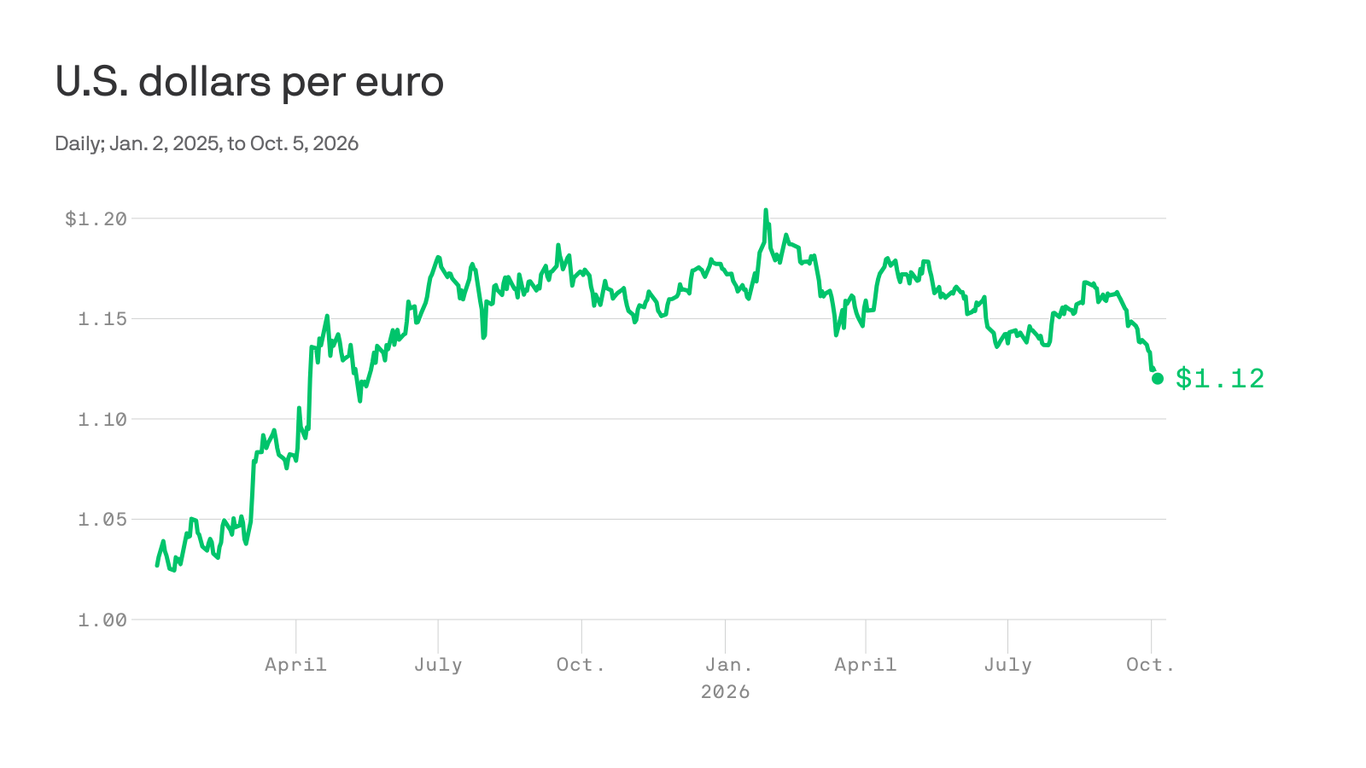
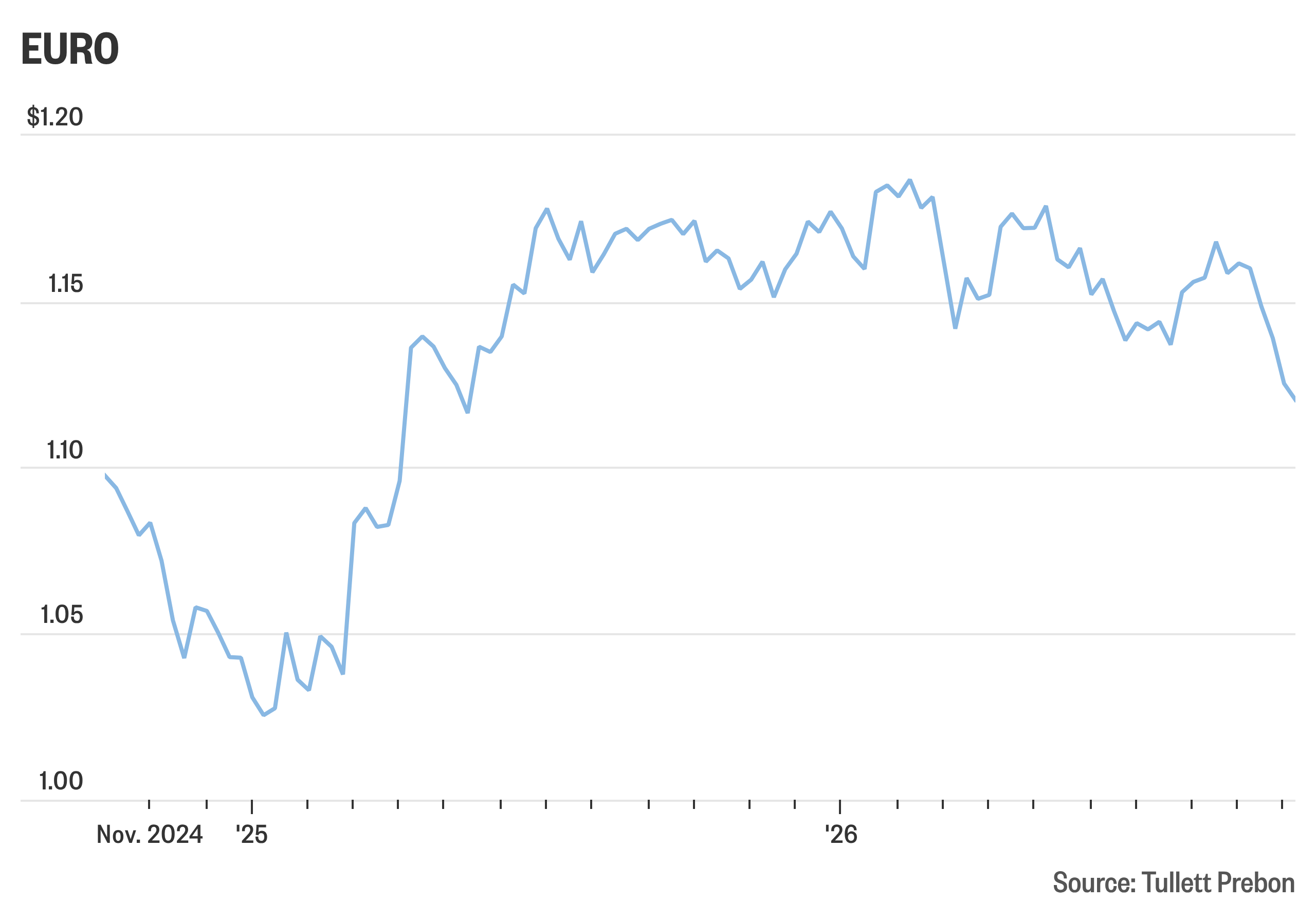
- EUR/USD drops 4% since September to 1.12 (117-month low); European borrowing costs surge; immediate impact on transatlantic commerce pricing and working capital for 50K+ EU-based sellers








Overview
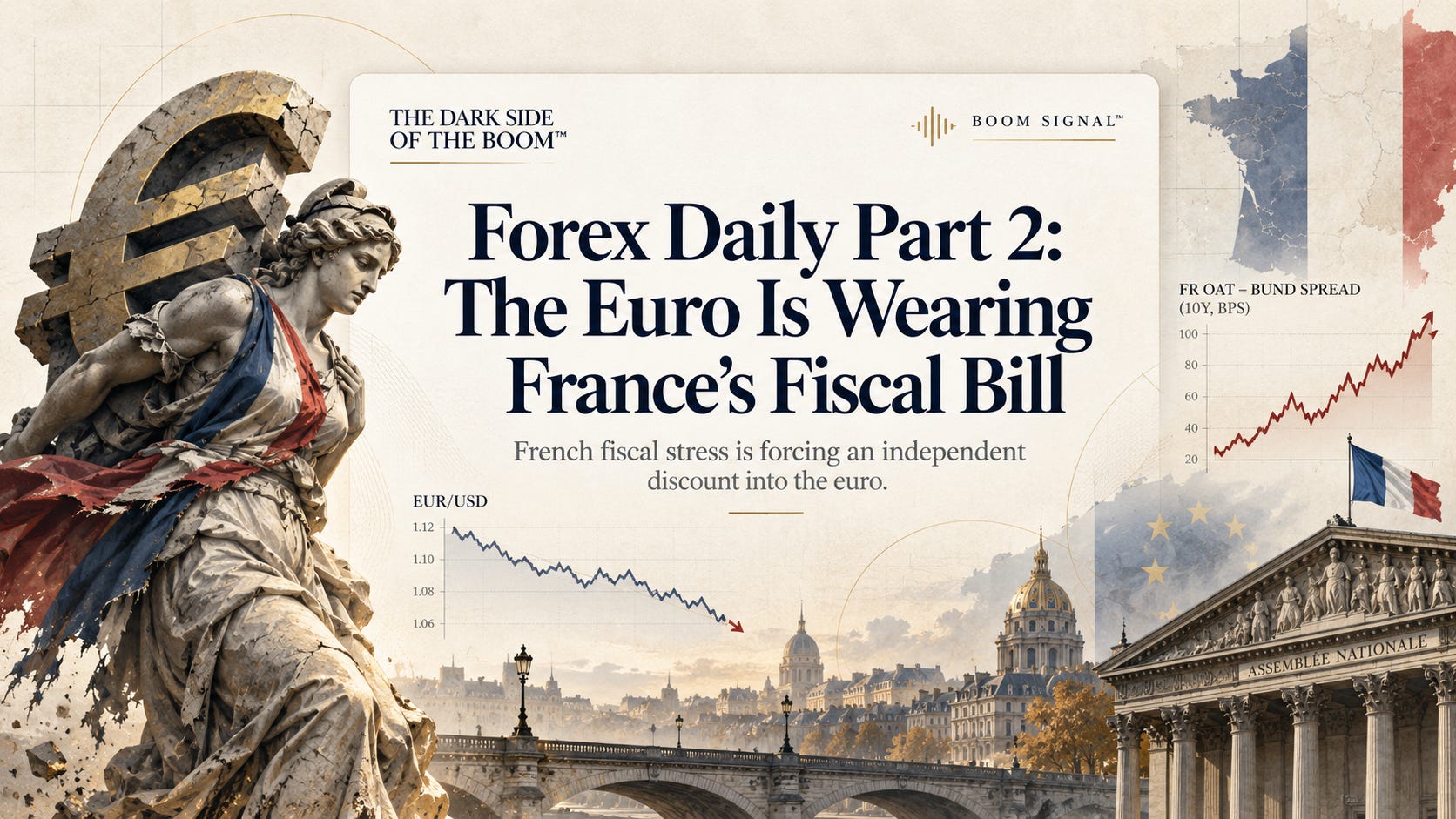
The euro has collapsed to a 117-month low of 1.12 against the US dollar in early 2026, representing a 4% decline since September, driven by France's fiscal crisis (debt-to-GDP at 118%, budget deficits exceeding 5%) and political uncertainty across the eurozone. For cross-border e-commerce sellers, this currency depreciation creates immediate financial headwinds: European suppliers purchasing dollar-denominated goods face 4-6% cost increases, while rising European borrowing costs (French 10-year yields at 5%, spreads at eurozone-crisis levels) constrain consumer spending and business investment across EU markets.
Payment Cost Implications: EU-based sellers exporting to US markets benefit from favorable exchange rates on USD revenue conversion, but face margin compression on dollar-denominated inventory purchases. Sellers importing components from Asia (priced in USD) experience 4-6% cost inflation as the euro weakens. Cross-border payment providers like Wise, PayPal, and Stripe are experiencing higher FX spreads (typically 1.5-2.5% vs. normal 0.5-1%), increasing transaction costs by €50-200 per €5,000 transfer. Immediate action: Lock in forward contracts for Q1-Q2 2026 inventory purchases to hedge currency exposure.
Working Capital & Financing Pressure: Rising ECB rates (expected hikes amid persistent inflation) increase borrowing costs for EU sellers by 150-250 basis points. Trade finance products (invoice factoring, supply chain financing) are becoming more expensive; typical APR rates for EU-based sellers have risen from 8-10% to 11-13%. Inventory financing costs increase 30-40% for sellers holding 60-90 day stock. Spanish and French sellers face particular pressure as local bank lending tightens ahead of Spain's November 29 snap elections and France's 2027 presidential uncertainty. Recommended action: Accelerate inventory turnover by 15-20 days; consider supply chain financing from non-EU lenders (Singapore, Hong Kong entities) offering 8-9% rates.
Demand Contraction Risk: Constrained consumer spending in France, Spain, and Germany directly impacts e-commerce demand. Rising mortgage costs and business investment pullback suggest 8-12% demand softening in discretionary categories (electronics, apparel, home goods) through Q2 2026. Sellers should reduce inventory exposure in EU warehouses by 20-25% and shift focus to US/UK markets where dollar strength supports consumer purchasing power. Monitor ECB policy announcements weekly; any suspension of quantitative tightening (as proposed by former ECB board member Smaghi) could stabilize the euro and reduce hedging costs.
Questions 7
How does the euro's 4% decline to 1.12 affect my cross-border payment costs?
The euro's weakness increases FX spreads charged by payment providers like Wise, PayPal, and Stripe from typical 0.5-1% to 1.5-2.5%, adding €50-200 per €5,000 transfer. For EU sellers receiving USD payments, the depreciation is favorable (you convert at weaker rates), but for those purchasing dollar-denominated inventory, costs rise 4-6%. Lock in forward contracts immediately for Q1-Q2 2026 purchases to hedge exposure. Monitor ECB policy announcements weekly, as any rate cuts or quantitative easing suspension could stabilize the euro within 4-8 weeks.
What's the impact on my inventory financing costs as a European seller?
Rising ECB rates (expected 150-250 basis point increases) push trade finance APR rates from 8-10% to 11-13%, increasing inventory financing costs by 30-40%. For a seller with €100K in 60-day inventory, this translates to €800-1,200 additional monthly costs. Spanish and French sellers face tighter lending conditions ahead of political elections (Spain November 29, France 2027). Consider supply chain financing from non-EU lenders (Singapore, Hong Kong entities) offering 8-9% rates, or accelerate inventory turnover by 15-20 days to reduce financing duration.