





Euro Collapse to 17-Month Low | Cross-Border Sellers Face 4% Currency Headwind
- EUR/USD drops to 1.12 amid France's €1.12T debt crisis; European consumer spending pressure threatens e-commerce demand across EU; sellers with euro costs face 4-8% margin compression on dollar-denominated imports



























Overview
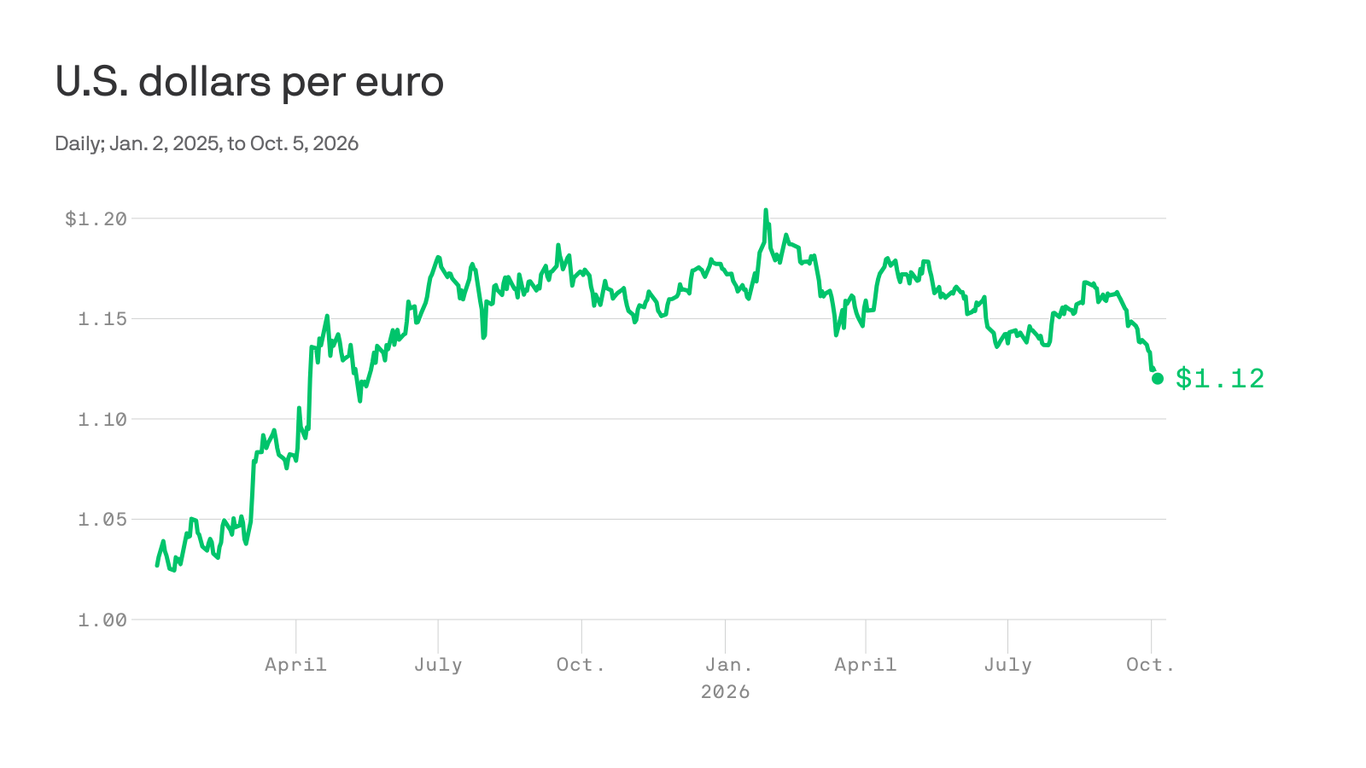
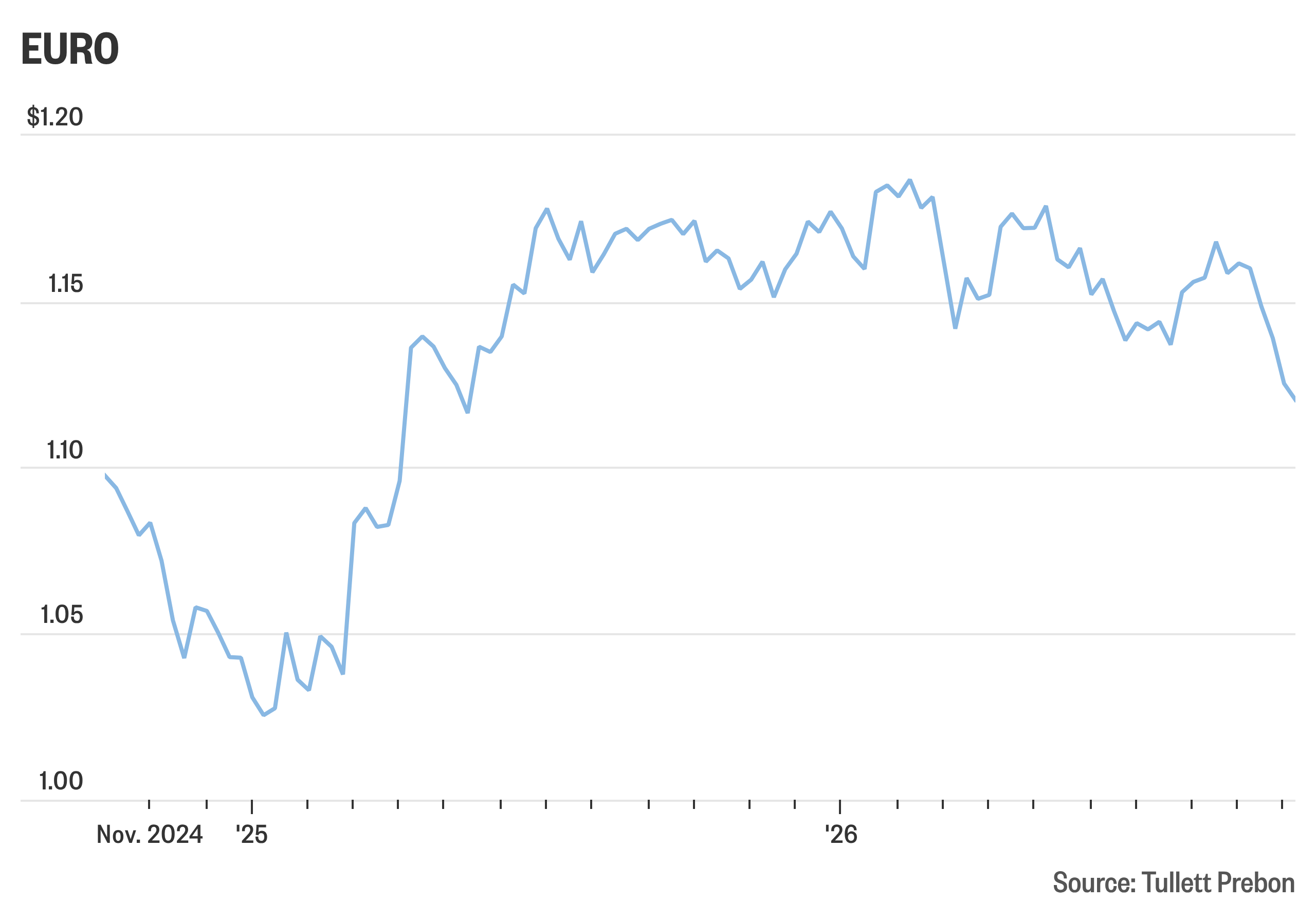
The eurozone faces a critical currency and fiscal crisis as the euro plummeted to a 17-month low against the US dollar (below 1.12) and a 16-month low against the pound (84.48 pence) in October 2026, driven by France's unsustainable debt trajectory and political uncertainty. France's debt-to-GDP ratio stands at 118% with annual deficits exceeding 5%, while the spread between French and German 10-year bond yields reached its highest level since the 2012 eurozone crisis. This currency depreciation creates immediate financial stress for cross-border e-commerce sellers operating in Europe.
For sellers with euro-denominated costs, the 4% euro decline since September 8 directly compresses margins on dollar-denominated imports. A seller importing $100,000 in goods faces approximately $4,000 in additional currency losses at current rates. European suppliers purchasing US-manufactured products, raw materials, or inventory now require 4-8% more euros to settle dollar-denominated invoices. This impact cascades across electronics, apparel, home goods, and beauty categories where US sourcing dominates. The European Central Bank's quantitative tightening policy (refusing to replace maturing bonds) forces private investors to absorb larger government bond supplies, keeping long-term borrowing costs elevated at 5% for French debt—constraining European consumer spending and business investment.
For sellers with euro revenue, the currency weakness reduces competitiveness in non-euro markets. A seller pricing products in euros faces reduced purchasing power when converting to dollars or other currencies, effectively lowering realized prices. Rising European borrowing costs (French 10-year yields at 5%) constrain consumer spending and business investment, signaling potential demand contraction across the EU e-commerce market. Political uncertainty amplifies the risk: France's 2027 presidential election features Marine Le Pen's National Rally as a significant force, while Spain's snap election (November 29) could shift fiscal policy further. These factors suggest sustained euro weakness and continued pressure on European consumer confidence through Q1 2027.
Payment and financing implications are severe. Cross-border payment providers (Wise, Stripe, PayPal) typically charge 1.5-3% for EUR/USD conversions; the 4% currency move dwarfs these fees, making dynamic hedging strategies essential. Sellers should immediately lock in forward contracts for known dollar-denominated expenses over the next 90-180 days. Invoice financing and supply chain finance products targeting European sellers may face tighter credit conditions as lenders reassess eurozone risk. The ECB's policy stance—maintaining quantitative tightening despite fiscal stress—suggests rates may remain elevated, increasing working capital financing costs for European SMEs by 50-100 basis points.
Questions 8
Which currency pairs offer arbitrage opportunities for sellers with multi-market exposure?
**EUR/GBP** (euro vs. pound) shows the most volatility—euro fell 0.4% to 84.48 pence on October 7, creating opportunities for sellers with UK and EU exposure. A seller with £100,000 revenue can lock in forward contracts at favorable rates before further euro depreciation. **EUR/JPY** (euro vs. yen) trades near one-year lows, offering hedging opportunities for sellers sourcing from Japan. **USD/GBP** remains relatively stable, making dollar-denominated costs more predictable. **Arbitrage strategy**: Sellers with revenue in strong currencies (GBP, JPY, CHF) and costs in weak currencies (EUR) can profit by: (1) Accepting payment in strong currencies; (2) Delaying euro conversions; (3) Using forward contracts to lock in favorable rates. Use **Wise's multi-currency accounts** to hold revenue in multiple currencies and convert strategically. Expect 5-10% arbitrage opportunities over next 6 months as euro weakness persists.
How does the euro's 4% decline since September affect seller margins on US imports?
The euro's drop to 1.12 USD (from ~1.16 in September) creates a 3.4% currency headwind on dollar-denominated costs. A seller importing $100,000 in goods now requires €89,286 instead of €86,207—an additional €3,079 cost. For electronics and apparel sellers sourcing from US manufacturers, this translates to 4-8% margin compression unless prices are raised immediately. Sellers should lock in forward contracts at current rates for Q4 2026 and Q1 2027 shipments to avoid further deterioration. The ECB's quantitative tightening policy suggests rates will remain elevated, keeping the euro weak through early 2027.