




AI Pricing Regulation Risk | McDonald's Antitrust Case Sets Precedent for Dynamic Pricing Sellers
- October 2026 lawsuit challenges algorithmic pricing across 14,000 locations; impacts all sellers using AI-driven pricing strategies in retail and food service sectors






















Overview
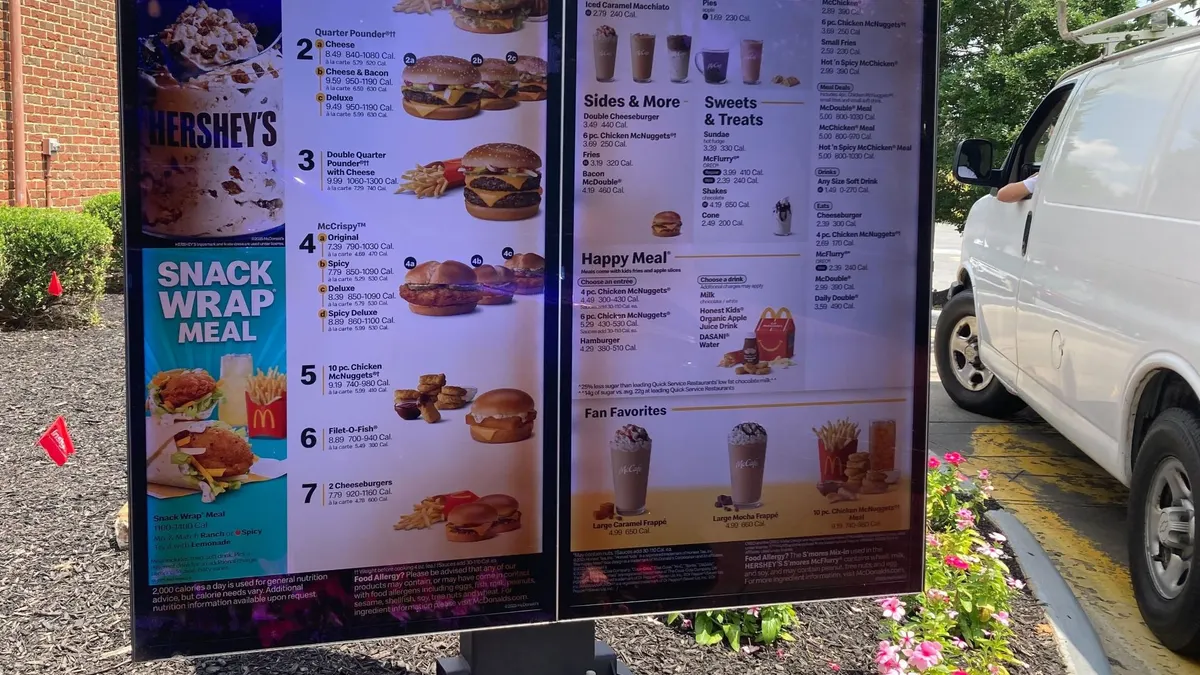
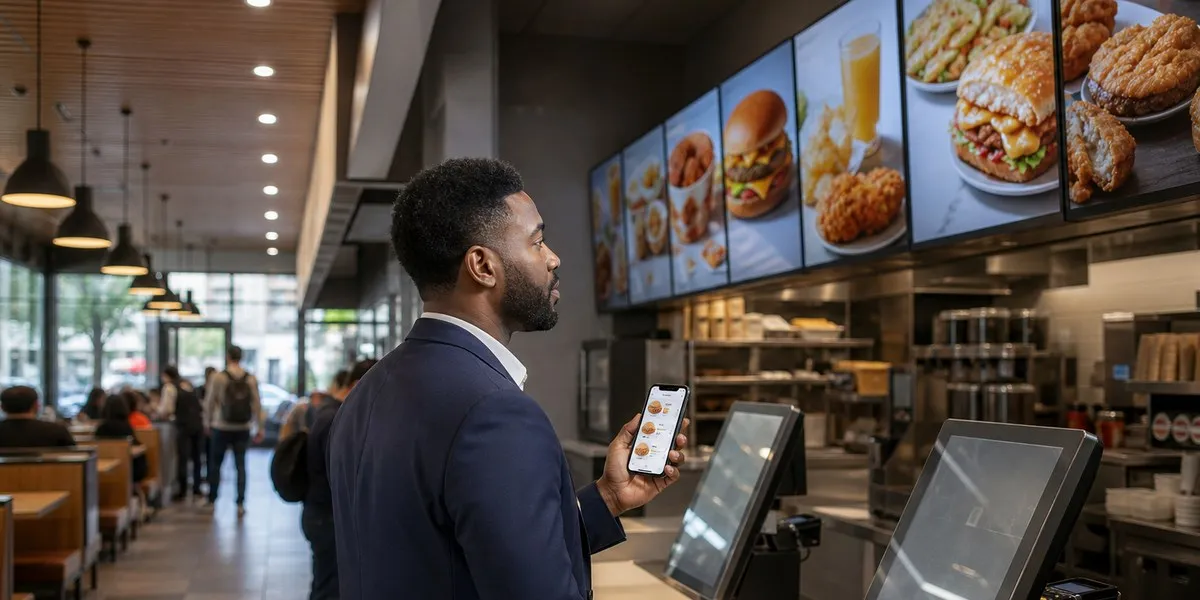
McDonald's faces a landmark October 5, 2026 class-action antitrust lawsuit challenging its AI-assisted dynamic pricing system that analyzes transaction data from approximately 14,000 U.S. locations to recommend prices based on local purchasing behavior and consumer willingness-to-pay estimates. The litigation represents a critical inflection point for e-commerce sellers and retailers deploying algorithmic pricing technologies. The lawsuit alleges McDonald's facilitated unlawful price coordination between corporate and franchisees since 2019, with Reuters documenting price variations ($5.69 vs. $6.89 for identical Big Macs two miles apart in Fresno, California). This case establishes novel antitrust precedent: whether centralized AI recommendations informed by nonpublic business data constitute illegal collusion when independent operators retain nominal pricing control.
For e-commerce sellers, this litigation creates immediate compliance and strategic risks. The case directly impacts sellers using dynamic pricing tools on Amazon, Shopify, eBay, and other platforms—particularly those selling across multiple locations or through marketplace networks. If courts rule that centralized algorithmic recommendations violate antitrust law, sellers could face liability for using popular pricing optimization software (Repricing tools, demand-based algorithms, competitive intelligence platforms). The regulatory scrutiny extends beyond quick-service restaurants; the news explicitly notes "growing regulatory scrutiny of algorithmic pricing across industries" and highlights that "many companies employ similar dynamic pricing technologies." Sellers currently using AI pricing optimization must audit whether their systems facilitate coordination between independent sellers or locations, or whether they optimize individual pricing decisions transparently.
The operational and financial implications are substantial. McDonald's AI system processes "enormous volumes of demand data, purchasing patterns, and local market conditions" to maximize revenue—exactly what e-commerce sellers do through repricing software and demand forecasting. The lawsuit's core question—where does corporate pricing assistance end and independent decision-making begin—directly parallels marketplace seller networks, franchise-like seller relationships, and multi-channel retailers. If the court finds McDonald's liable, sellers could face: (1) forced disclosure of pricing algorithms to regulators, (2) restrictions on using centralized data for pricing recommendations, (3) liability for price coordination even when unintentional, (4) compliance audits costing $50K-$200K+. The case may establish that sellers must maintain algorithmic transparency, document independent pricing decisions, and avoid using shared data to influence competitor pricing—fundamentally changing how dynamic pricing operates in e-commerce.
Immediate seller actions: Audit current pricing tools for coordination risks, document independent pricing decision-making processes, and monitor litigation outcomes. Strategic sellers should prepare alternative pricing strategies (cost-plus, competitor-agnostic algorithms) and consider legal review of pricing automation systems before broader regulatory enforcement.
Questions 8
What documentation should sellers maintain to defend against antitrust pricing allegations?
Sellers should maintain clear documentation that pricing decisions are independent and not coordinated through shared data or centralized algorithms. Specifically: (1) document the inputs to your pricing system (your own costs, inventory levels, local competition), (2) show that pricing decisions reflect independent analysis, not shared network recommendations, (3) maintain records of pricing decisions across locations/channels to demonstrate they reflect local conditions rather than coordinated strategy, (4) avoid using competitor pricing data or shared demand forecasts to inform your pricing, (5) ensure your pricing system doesn't facilitate coordination between independent sellers or locations. If audited, you must demonstrate that your AI pricing system optimizes your individual business decisions, not coordinates pricing across a seller network. Consider having legal counsel review your pricing algorithms and documentation practices before regulators investigate.
When should sellers expect regulatory enforcement on AI pricing and what should they do now?
The McDonald's lawsuit was filed October 5, 2026, and the FTC has already warned companies about AI pricing practices. Expect regulatory enforcement to accelerate as this case progresses through courts. Sellers should take immediate action: (1) audit current pricing tools within 30 days to identify coordination risks, (2) document independent pricing decision-making processes by November 2026, (3) review pricing algorithms with legal counsel by December 2026, (4) prepare alternative pricing strategies that don't rely on centralized data or competitor intelligence, (5) monitor litigation outcomes and FTC guidance. The case may take 12-24 months to resolve, but regulators won't wait for final judgment to enforce antitrust law. Sellers using aggressive dynamic pricing should assume regulatory scrutiny is coming and prepare defensible pricing documentation now. Consider consulting antitrust counsel if your pricing system uses shared data, competitor intelligence, or centralized algorithms across multiple locations or seller networks.