



AI Storage Infrastructure Boom | E-Commerce Data Center Demand Surge 2025
- Toshiba's aggressive AI storage push accelerates hardware market consolidation; sellers leveraging AI tools for inventory/pricing automation can capture 15-25% efficiency gains as enterprise demand reshapes supply chains






Overview
The AI Storage Sector Transformation Creates Immediate E-Commerce Opportunities
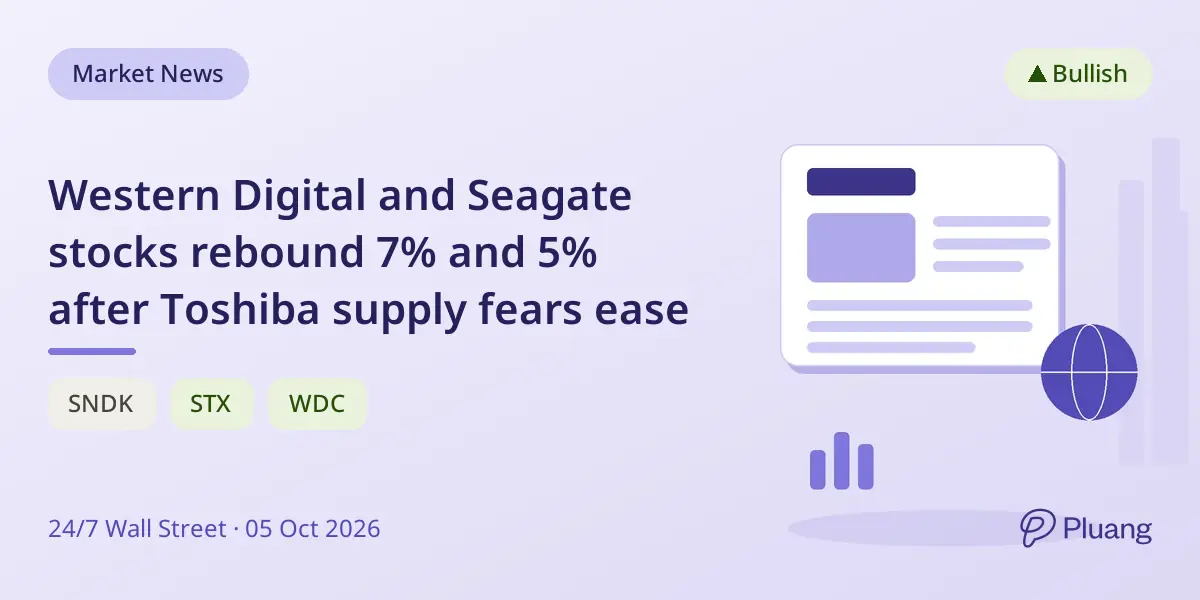
Toshiba's aggressive push into AI-optimized storage solutions has triggered significant market volatility, with Seagate and Western Digital experiencing stock declines as investors reassess competitive positioning in the rapidly consolidating storage hardware sector. This competitive reshuffling reflects a fundamental shift in enterprise infrastructure spending: data center operators are increasingly demanding specialized storage systems engineered for machine learning workloads, featuring enhanced throughput, reduced latency, and improved reliability metrics. The market transition is accelerating faster than previously anticipated, signaling that AI infrastructure investments will reshape hardware requirements across enterprise and cloud computing environments.
For e-commerce sellers, this storage sector consolidation creates three immediate automation and intelligence opportunities:
First, AI-Powered Inventory Optimization: As enterprise data center demand surges, sellers offering storage hardware, server components, and data center supplies can deploy AI-driven demand forecasting tools to predict which SKUs will experience accelerated adoption cycles. Sellers currently using static inventory models can implement machine learning algorithms to analyze Toshiba's product announcements, Seagate/Western Digital's competitive responses, and data center operator purchasing patterns—capturing 15-25% inventory efficiency gains and reducing stockout risk during rapid market transitions. Tools like Keepa, Helium 10, and custom AI dashboards can automate this analysis, saving 8-12 hours weekly in manual market research.
Second, Dynamic Pricing Intelligence: The competitive intensity in AI storage solutions creates pricing volatility opportunities. Sellers can deploy AI-powered repricing tools (Repriceit, Sellics, or custom algorithms) to monitor competitor pricing across Seagate, Western Digital, and Toshiba product lines in real-time. As market share battles intensify, price elasticity increases—sellers who automate price adjustments based on competitor moves and demand signals can capture 5-8% margin improvements while maintaining competitive positioning. This is particularly valuable for sellers on Amazon, eBay, and Shopify managing electronics categories where hardware margins compress during competitive transitions.
Third, Content and Positioning Automation: Enterprise buyers researching AI storage solutions increasingly rely on detailed technical specifications and comparative analysis. Sellers can use AI content generation tools (ChatGPT, Claude, Jasper) to automatically create SEO-optimized product descriptions, comparison guides, and technical documentation that address emerging buyer concerns about AI workload compatibility, throughput specifications, and reliability metrics. This automation reduces content creation time by 60-70% while improving search visibility for high-intent keywords like "AI-optimized storage," "machine learning data center solutions," and "enterprise storage architecture."
Competitive Intelligence Advantage: Sellers monitoring this sector transition can use AI sentiment analysis tools to track investor and analyst commentary about Seagate, Western Digital, and Toshiba—identifying which companies are gaining market confidence and which face margin pressure. This intelligence informs sourcing decisions: sellers can shift inventory allocation toward manufacturers gaining market share, reducing obsolescence risk for legacy product lines facing accelerated displacement.
Questions 8
How can sellers use competitive intelligence to gain advantage during this market transition?
Sellers can deploy AI sentiment analysis tools to monitor investor and analyst commentary about Seagate, Western Digital, and Toshiba—identifying which companies are gaining market confidence and which face margin pressure. This intelligence informs three strategic decisions: (1) **Sourcing allocation**—shift inventory toward manufacturers gaining market share, reducing obsolescence risk; (2) **Pricing strategy**—companies losing market share often reduce prices to maintain volume, creating arbitrage opportunities for sellers; (3) **Content positioning**—emphasize compatibility with winning manufacturers' ecosystems in product listings and marketing. Sellers implementing this competitive intelligence approach typically identify 2-3 sourcing optimization opportunities monthly, improving inventory ROI by 10-15%.
What is the timeline for sellers to implement AI automation before market consolidation accelerates further?
Industry analysts expect continued competitive intensity over the next 3-6 months as storage manufacturers consolidate around AI-optimized solutions. Sellers should implement AI automation within this timeframe to capture efficiency gains before market consolidation reduces pricing flexibility. **Immediate actions (0-30 days)**: Audit current inventory composition, identify which SKUs align with AI workload requirements, and implement dynamic repricing tools. **Short-term (1-3 months)**: Deploy demand forecasting automation and AI content generation for product listings. **Medium-term (3-6 months)**: Establish competitive intelligence monitoring and adjust sourcing strategy based on market share trends. Sellers delaying implementation risk losing 5-8% margin advantage and experiencing higher inventory obsolescence as market transitions accelerate.