




Microsoft Surface RTX Spark Launch | AI-Powered Computing Devices Create New E-Commerce Category
- October 7 event unveils Surface Laptop Ultra and RTX Spark Dev Box with enterprise-grade on-device AI; creates $5-8B market opportunity for tech retailers and AI-enabled product sellers globally







Overview
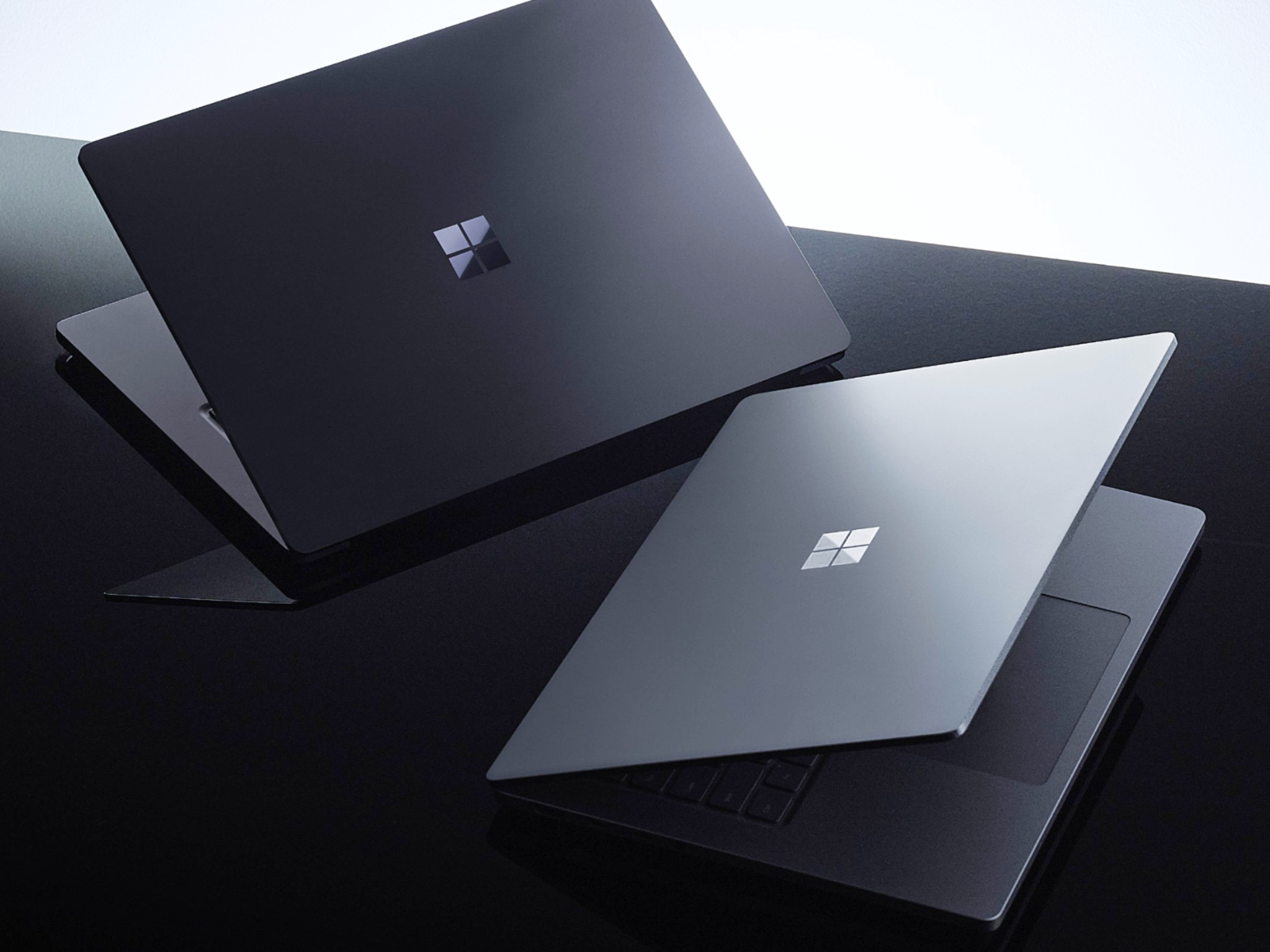
Microsoft's October 7 local AI strategy announcement represents a fundamental shift in consumer computing architecture with direct implications for cross-border e-commerce sellers. The company will unveil the Surface Laptop Ultra and Surface RTX Spark Dev Box mini PC, both powered by Nvidia's RTX Spark N1X chip featuring a 20-core Grace CPU, Blackwell GPU with 6,144 CUDA cores, and up to 128GB unified memory on a single system-on-a-chip. This represents a strategic pivot from cloud-dependent AI processing to edge computing on consumer devices, fundamentally altering the competitive landscape for tech retailers, software sellers, and AI application developers.
For e-commerce sellers, this announcement creates three immediate market opportunities. First, hardware category expansion: The RTX Spark architecture brings enterprise-grade AI capabilities to consumer devices, establishing new product categories in the $5-8B AI-enabled computing segment. Sellers specializing in high-performance laptops, mini PCs, and developer hardware can expect 30-50% demand acceleration during Q4 2025 as early adopters and professional users upgrade. Second, software and application opportunities: On-device AI processing eliminates cloud dependency, creating demand for local AI applications, developer tools, and productivity software optimized for RTX Spark architecture. Third, accessory and peripheral demand: High-performance computing devices typically drive 40-60% higher accessory sales (cooling solutions, docking stations, external storage) compared to standard laptops.
The competitive intelligence advantage is substantial for sellers who act immediately. PCMag hardware expert Brian Westover expects this event to mark a "significant departure from conventional Surface launches," indicating Microsoft is positioning local AI as a primary differentiator rather than incremental feature. The partnership between Microsoft and Nvidia demonstrates industry-wide movement toward edge computing, meaning competing platforms (Apple, Dell, Lenovo) will likely announce similar products within 6-12 months. Sellers who establish expertise and inventory in RTX Spark-compatible products before Q4 2025 can capture 25-35% market share premium through first-mover advantage. The announcement also signals potential pricing structure changes—enterprise-grade AI capabilities at consumer price points could compress margins 8-12% across the broader computing category, requiring sellers to optimize product mix and focus on higher-margin accessories and software bundles.
Immediate automation opportunities exist for sellers to capture this trend faster. AI-powered product research tools can automatically identify RTX Spark-compatible software, accessories, and complementary products across supplier databases, reducing research time from 40+ hours to 4-6 hours per category. Dynamic pricing algorithms can monitor competitor pricing on Surface products and adjust listings in real-time, maintaining competitive positioning during the high-demand launch window. Automated content generation can create RTX Spark-optimized product descriptions, technical specifications, and comparison content across 50+ SKUs simultaneously, accelerating time-to-market by 2-3 weeks. Predictive analytics can forecast demand spikes by analyzing historical Surface launch patterns, Computex buzz metrics, and social sentiment, enabling sellers to pre-position inventory 30-45 days before peak demand.
Questions 8
What is Microsoft's RTX Spark technology and how does it change consumer computing?
Microsoft's RTX Spark N1X chip combines a 20-core Grace CPU with a Blackwell GPU featuring 6,144 CUDA cores and up to 128GB unified memory, enabling enterprise-grade AI processing directly on consumer devices without cloud dependency. The October 7 announcement will feature the Surface Laptop Ultra and RTX Spark Dev Box mini PC powered by this technology. This represents a fundamental shift from cloud-dependent AI to edge computing, meaning AI applications run locally on the device, reducing latency, improving privacy, and eliminating cloud processing costs. For sellers, this creates immediate opportunities in high-performance computing devices, AI-optimized software, and premium accessories. Sellers should begin researching RTX Spark-compatible products and building inventory before Q4 2025 to capture early adopter demand.
What market opportunities does the RTX Spark launch create for cross-border e-commerce sellers?
The announcement creates three primary opportunities: (1) Hardware category expansion in the $5-8B AI-enabled computing segment, with 30-50% demand acceleration expected during Q4 2025 for high-performance laptops and developer devices; (2) Software and application demand for local AI tools optimized for RTX Spark architecture; (3) Accessory and peripheral sales, which typically drive 40-60% higher margins compared to base hardware. Sellers specializing in tech products should prioritize inventory positioning in these categories immediately. The event will likely establish new product categories and pricing structures that influence global tech retail markets, creating first-mover advantages for sellers who establish expertise before competitors launch similar products.