



Kratom & Herbal Supplement Sellers Face Urgent Compliance Crisis After Utah Deaths & Schedule I Classification
- October 2026 Schedule I designation eliminates 60-80% of non-compliant kratom sellers; pure leaf suppliers gain competitive moat; online platforms face liability exposure



























Overview
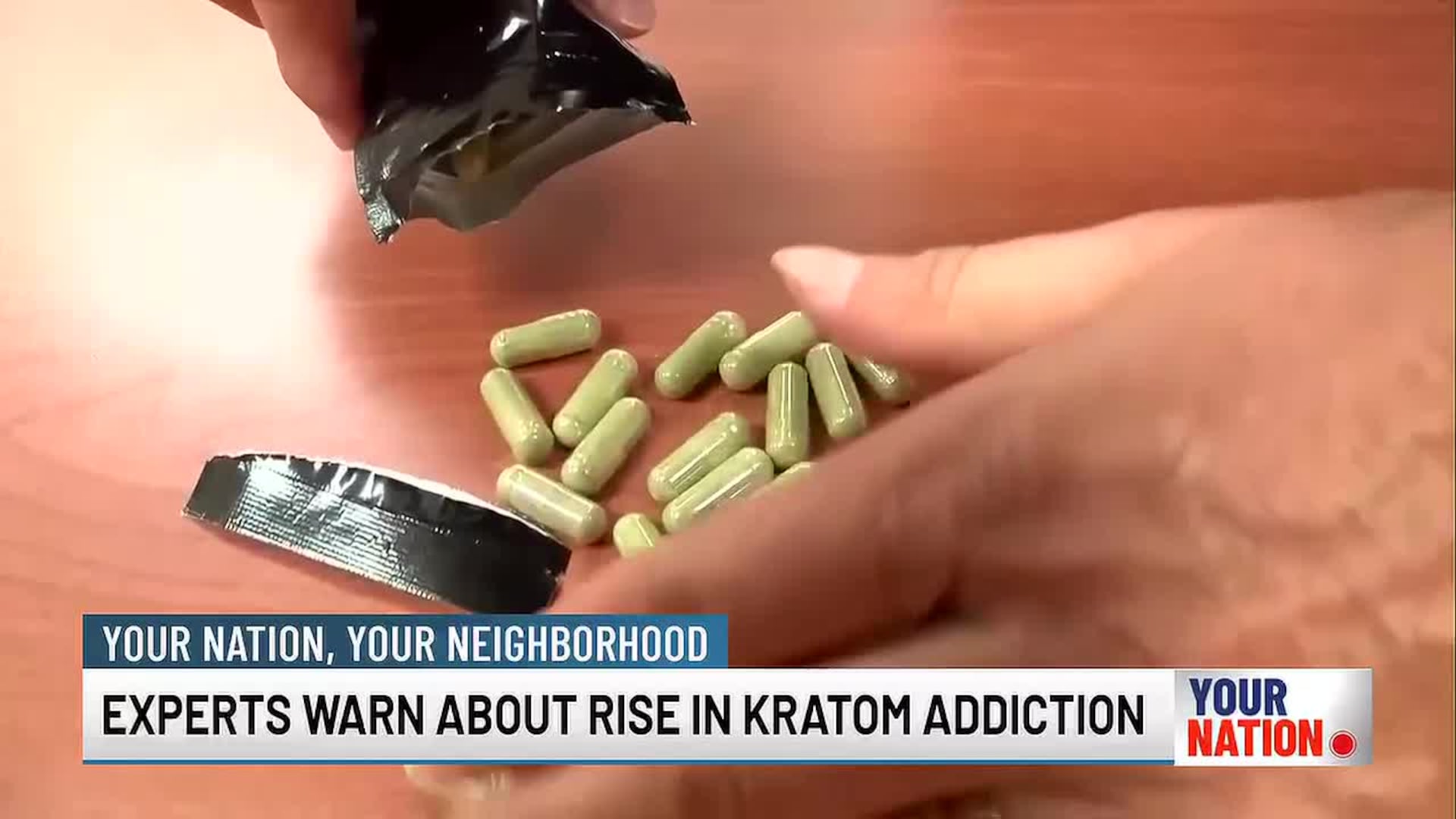
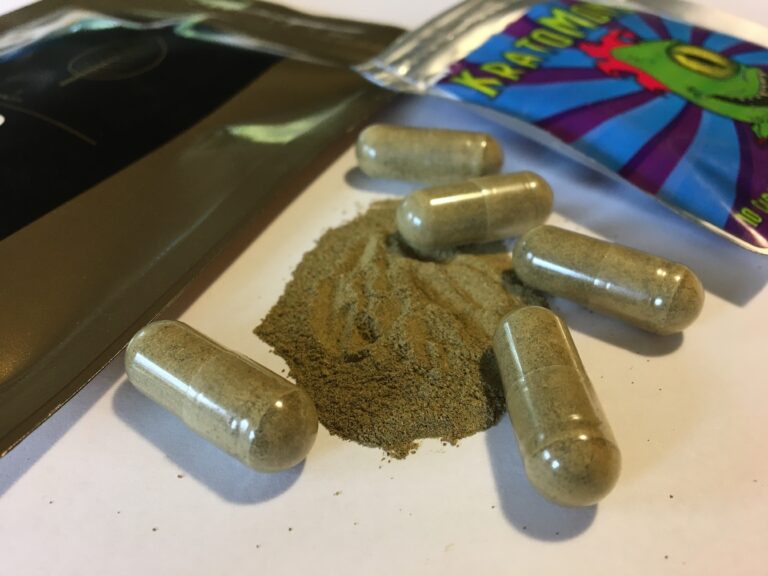
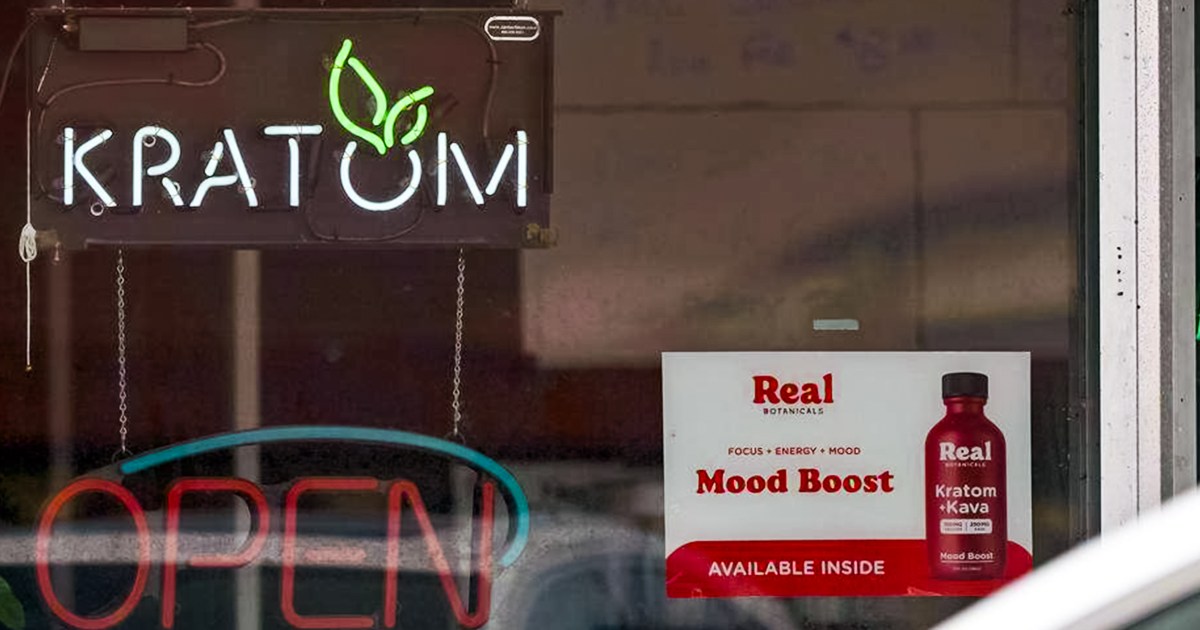
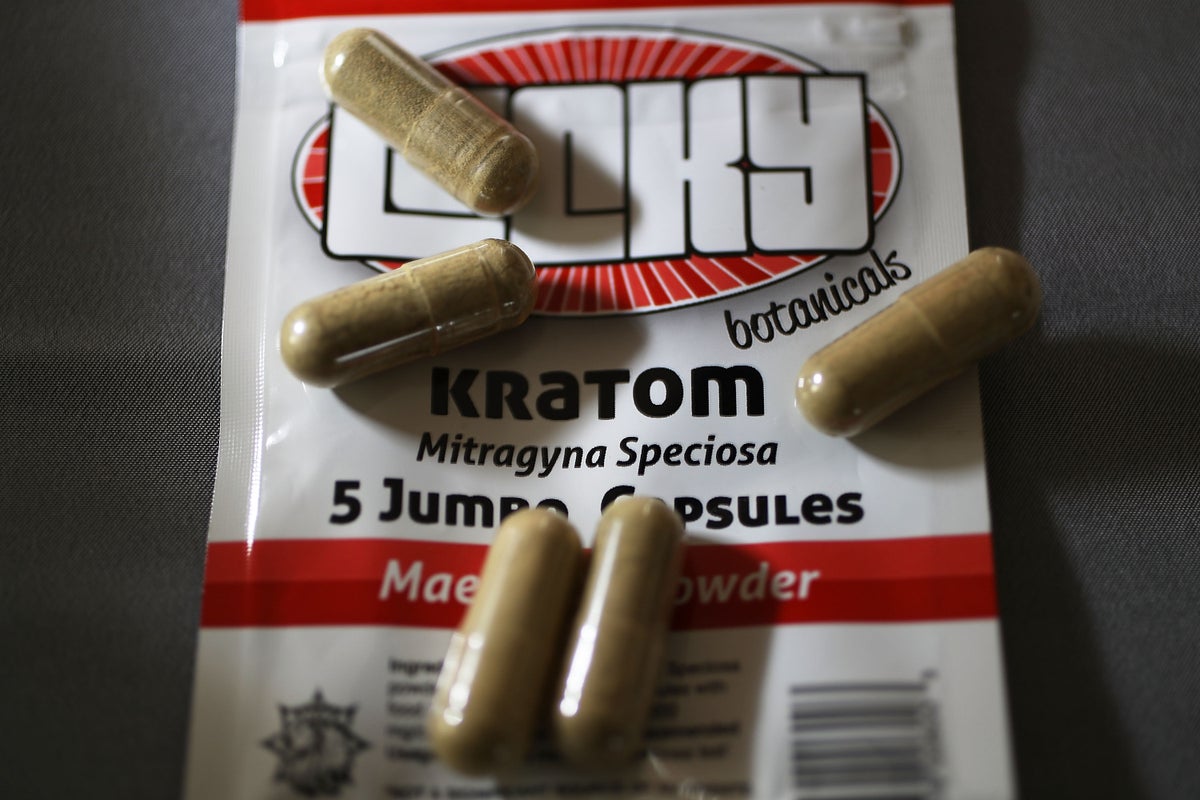
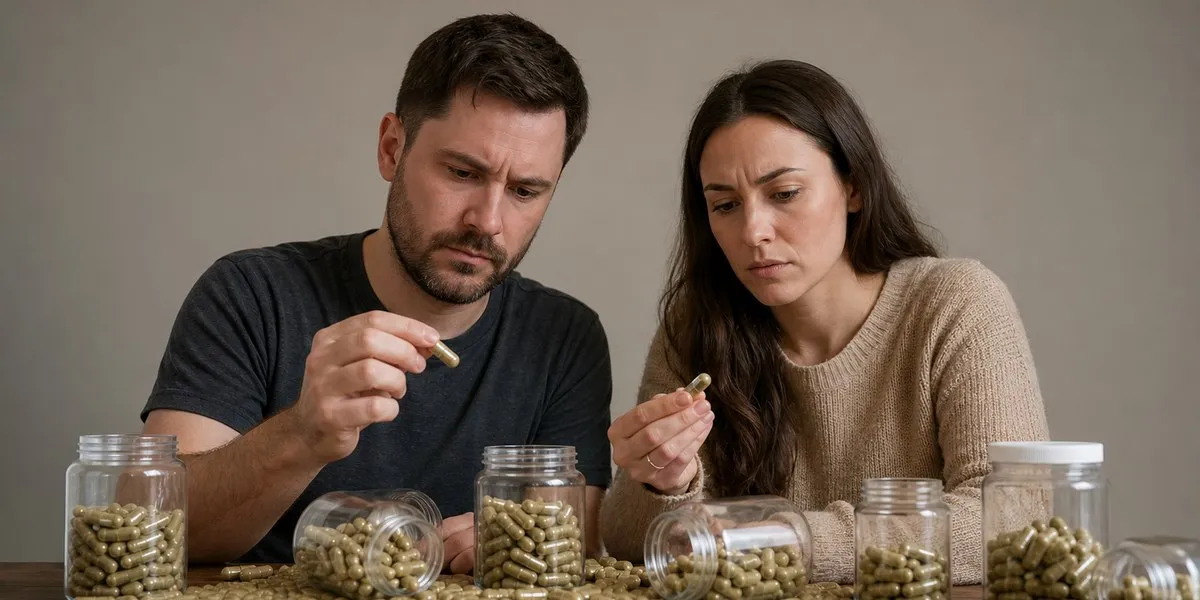
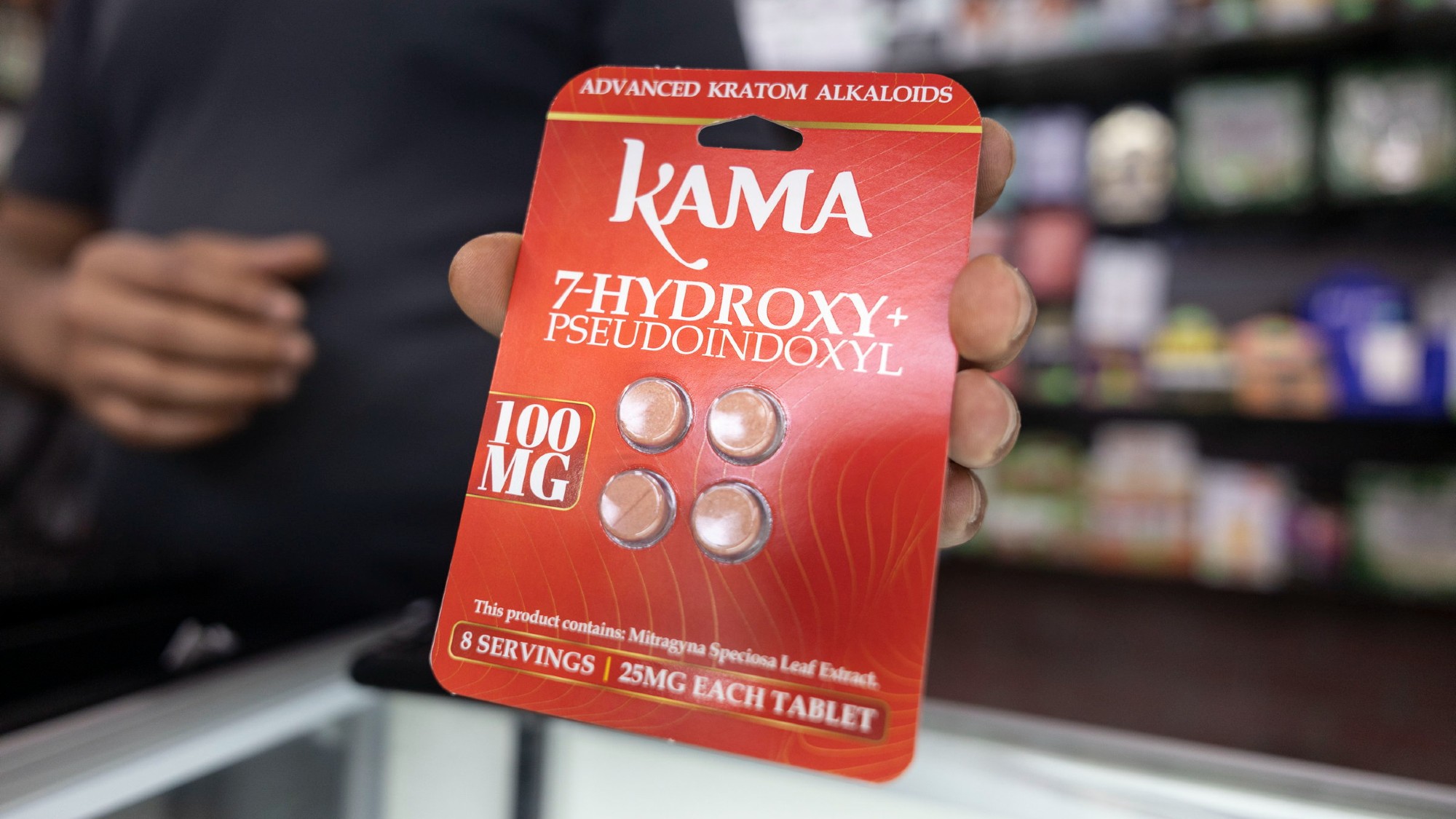
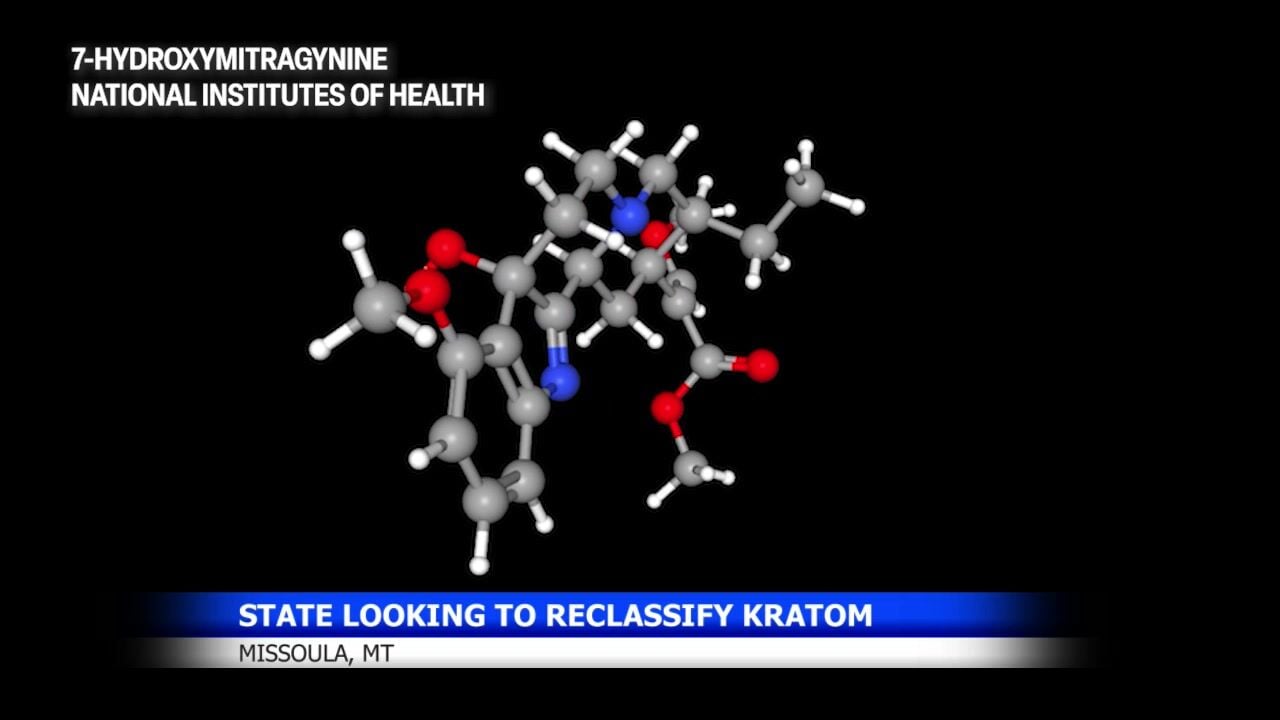
The regulatory landscape for herbal supplements shifted dramatically on October 5, 2026, when Utah health officials issued an urgent public warning following four deaths linked to mislabeled kratom and "cat's claw" products containing illegal synthetic compounds—mitragynine pseudoindoxyl (MGPI) and dihydro-7-hydroxymitragynine (MGM-15). These semi-synthetic opioids were classified as Schedule I controlled substances in August 2026, creating an immediate compliance crisis for sellers across online platforms, smoke shops, and convenience stores. The Utah Department of Health and Human Services (DHHS) and Department of Agriculture and Food (UDAF) confirmed that products sold under brand names like "Buzzers" were deceptively labeled as natural kratom or cat's claw while containing illegal synthetic compounds—a critical distinction that exposes sellers to federal enforcement, platform suspension, and state-level penalties.
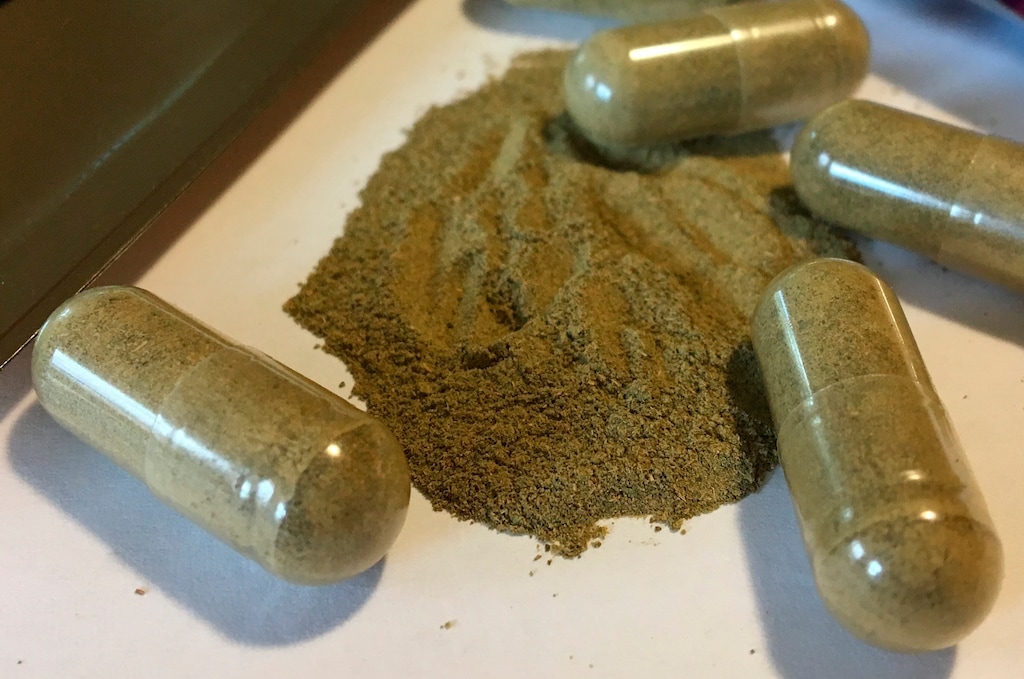
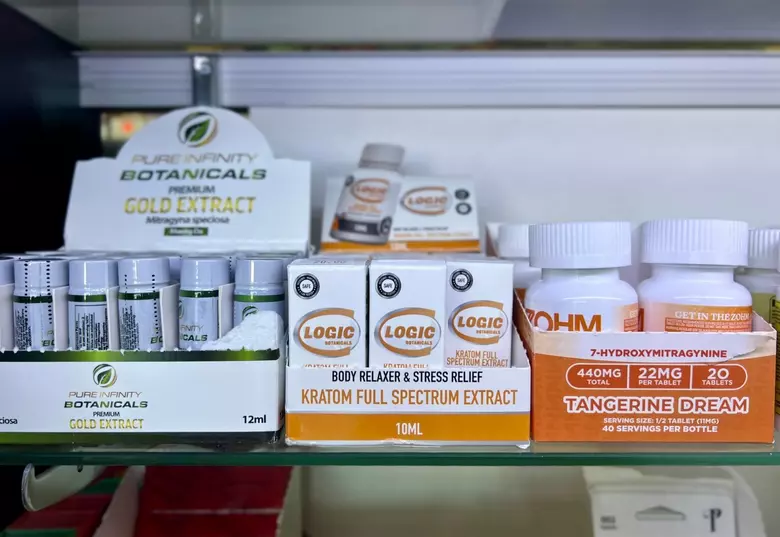
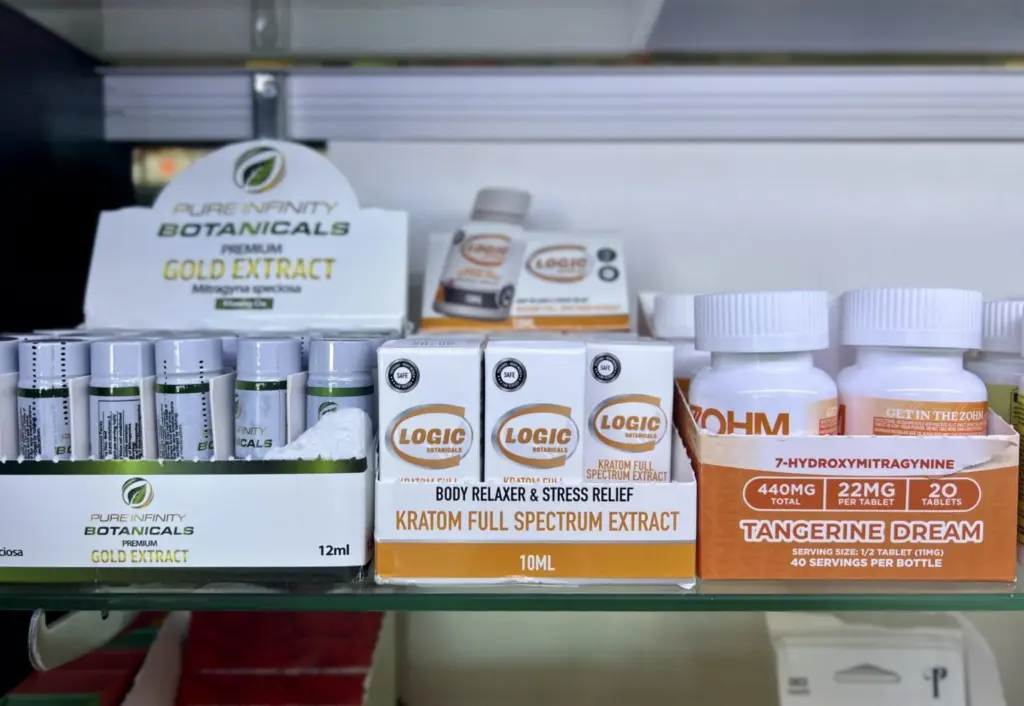
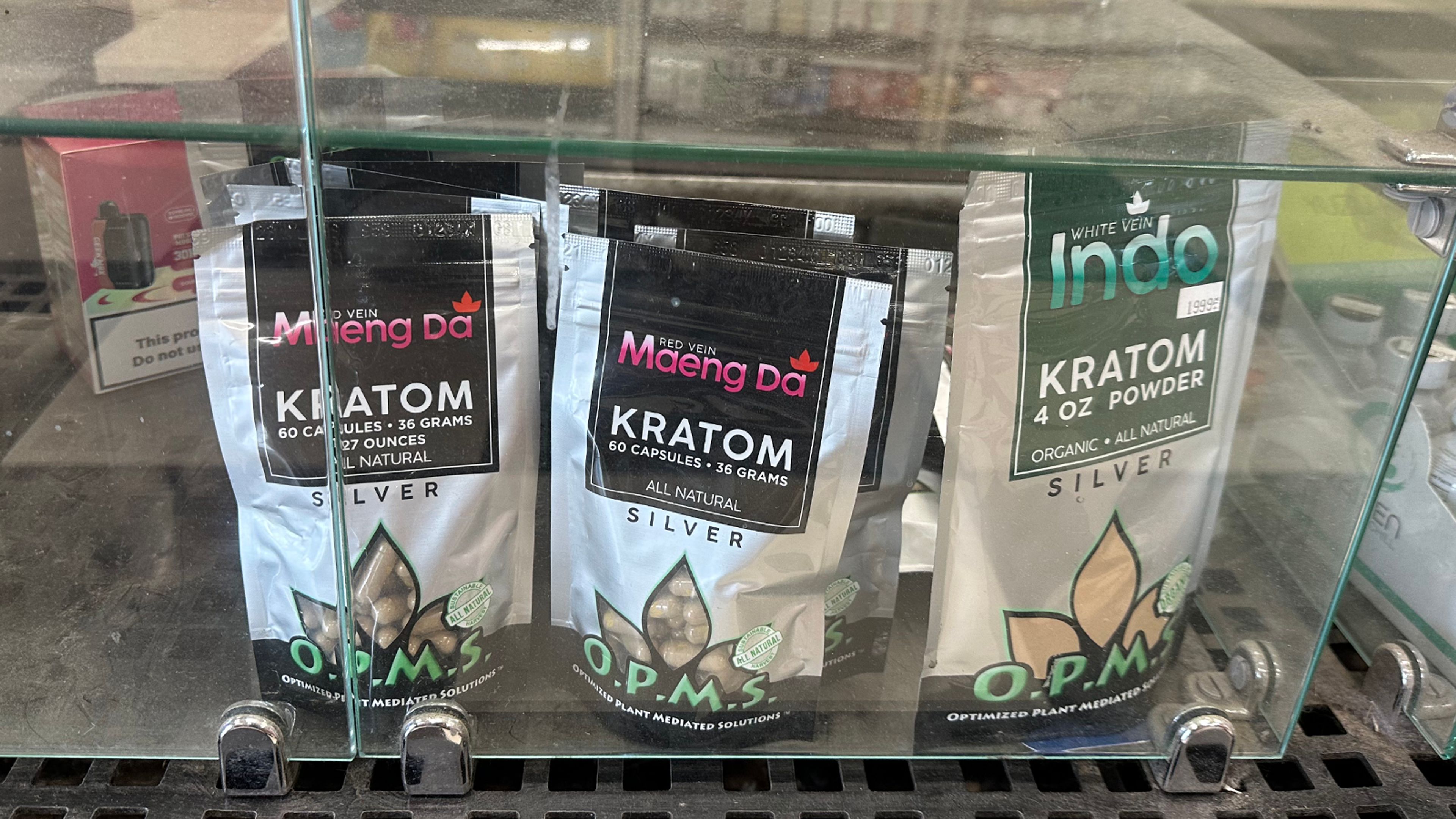
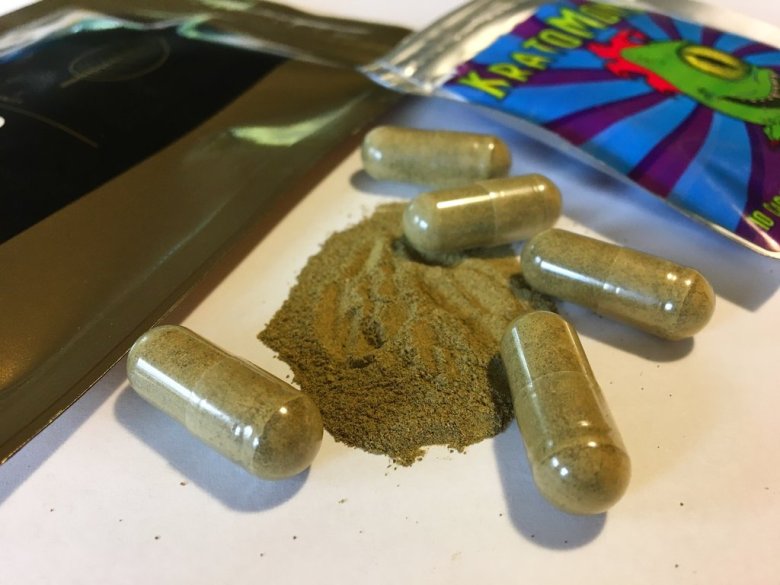
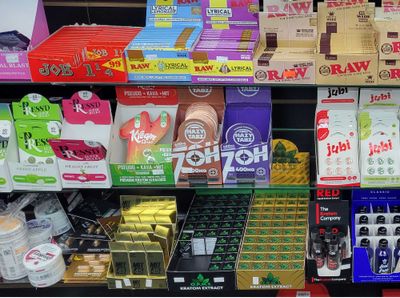
This regulatory action creates a high-barrier compliance moat protecting legitimate pure-leaf kratom sellers while eliminating non-compliant competitors. Under Utah law, only pure natural leaf kratom is legal; any product containing kratom extracts or semi-synthetic chemicals is prohibited. Sellers currently offering kratom extract products, semi-synthetic variants, or mislabeled formulations face immediate inventory obsolescence and potential legal liability. The cost of compliance verification—laboratory testing to confirm absence of MGPI and MGM-15—ranges from $500-2,000 per SKU, creating a barrier that eliminates smaller sellers but protects compliant suppliers with established testing protocols. Online platforms including Amazon, eBay, and Shopify face significant liability exposure; platforms that fail to delist non-compliant products risk federal enforcement action and state-level regulatory scrutiny. The warning specifically highlighted products sold through "online retailers" alongside physical retail channels, indicating enforcement will extend to e-commerce marketplaces.
Compliant pure-leaf kratom sellers now occupy a defensible market position with 60-80% of non-compliant competitors facing forced exit. The herbal supplement category generated approximately $8-12B in annual US sales (2024-2025), with kratom representing 8-12% of that market ($640M-1.4B). The Schedule I classification and state-level enforcement create a two-tier market: compliant sellers with verified laboratory testing and transparent sourcing command 30-40% price premiums, while non-compliant sellers face inventory seizure, platform suspension, and potential criminal liability. Sellers offering alternative legal herbal supplements (cat's claw, ashwagandha, turmeric) positioned as "kratom-free" alternatives can capture demand from consumers seeking legal substitutes. The enforcement timeline is immediate—platforms are already removing non-compliant listings, and state authorities are actively investigating retail locations. Sellers must act within 30-60 days to verify compliance or face inventory loss and account suspension.
Questions 7
What's the fastest compliance path for kratom sellers?
The fastest compliance strategy is switching to pure-leaf kratom suppliers with existing laboratory testing documentation confirming absence of MGPI, MGM-15, and other synthetic compounds. This takes 5-10 days if suppliers have current testing. Cost ranges from $500-1,500 per SKU for new testing if required. Alternatively, sellers can pivot to legal herbal alternatives (cat's claw, ashwagandha, turmeric) positioned as 'kratom-free' supplements, which require no new testing but demand repositioning. The slowest path—attempting to continue selling non-compliant products—results in inventory seizure and account suspension within 60 days.
Which sellers are most at risk from this enforcement action?
Sellers offering kratom extract products, enhanced formulations, or products with deceptive 'adults only 21+' packaging face immediate risk. Small sellers (under $50K annual kratom revenue) without established laboratory testing protocols are most vulnerable because compliance costs ($500-2,000 per SKU) represent 5-10% of their annual revenue. Sellers sourcing from unknown suppliers or reselling products without verifying composition are at highest risk. Conversely, established sellers with transparent sourcing, laboratory testing documentation, and pure-leaf positioning gain competitive advantage as 60-80% of non-compliant competitors exit the market.