




AI Agents: The Next Frontier of Enterprise Transformation and Efficiency
- Emerging AI infrastructure challenges will define competitive advantage for businesses in the next six years















Overview
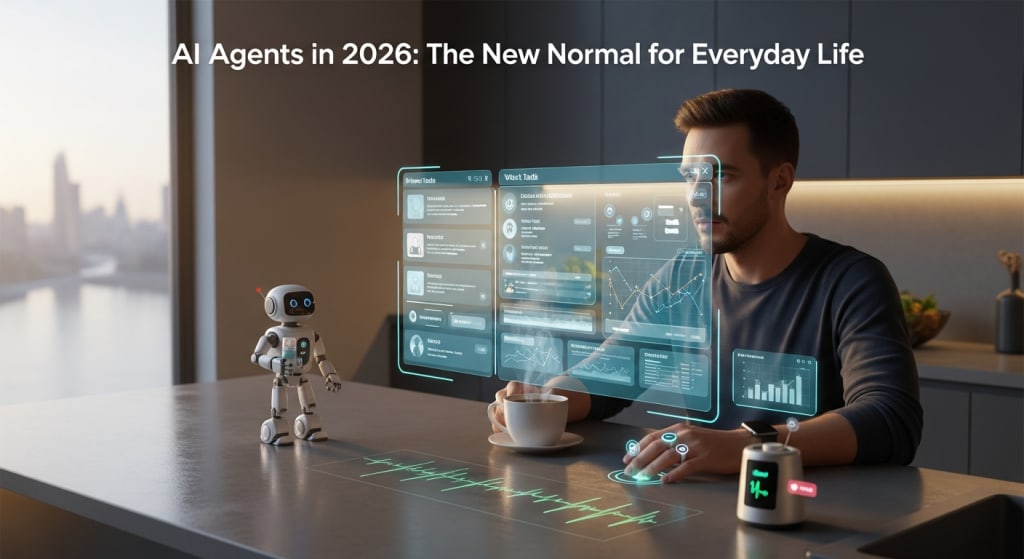
The convergence of enterprise AI agents and infrastructure efficiency is rapidly reshaping how organizations approach digital transformation. By 2025, a seismic shift is underway: 80% of business leaders plan to integrate autonomous AI agents into strategic workflows, signaling a profound reimagining of workplace productivity and operational models.
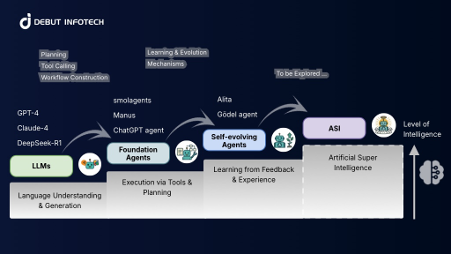
Microsoft's enterprise AI strategy reveals a transformative approach that goes far beyond traditional automation. AI agents are emerging as sophisticated digital workers capable of operating autonomously, connecting to organizational tools and knowledge bases, and delivering results at unprecedented speed and scale. Unlike previous generations of software, these agents can continuously run, escalate complex tasks to humans, and operate across multiple domains including finance, operations, supply chain, and customer support.
The underlying challenge, as highlighted by IDC's research, is the emerging AI efficiency gap. Organizations deploying AI technologies face significant operational complexities: 92% report negative efficiency effects, with 41.6% experiencing increased compute costs and 40.4% encountering engineering complexity. Critically, 29% of AI budget waste stems from inference inefficiencies, primarily due to idle GPU time and suboptimal resource utilization.
Strategic responses are already taking shape. Leading organizations are adopting multi-pronged approaches: 28.9% prioritize model optimization techniques, 26.3% partner with specialized AI service providers, and 25% invest in team upskilling. The future of AI innovation will be defined not by raw computational power, but by creating integrated, cost-effective systems that seamlessly blend human creativity with machine efficiency.
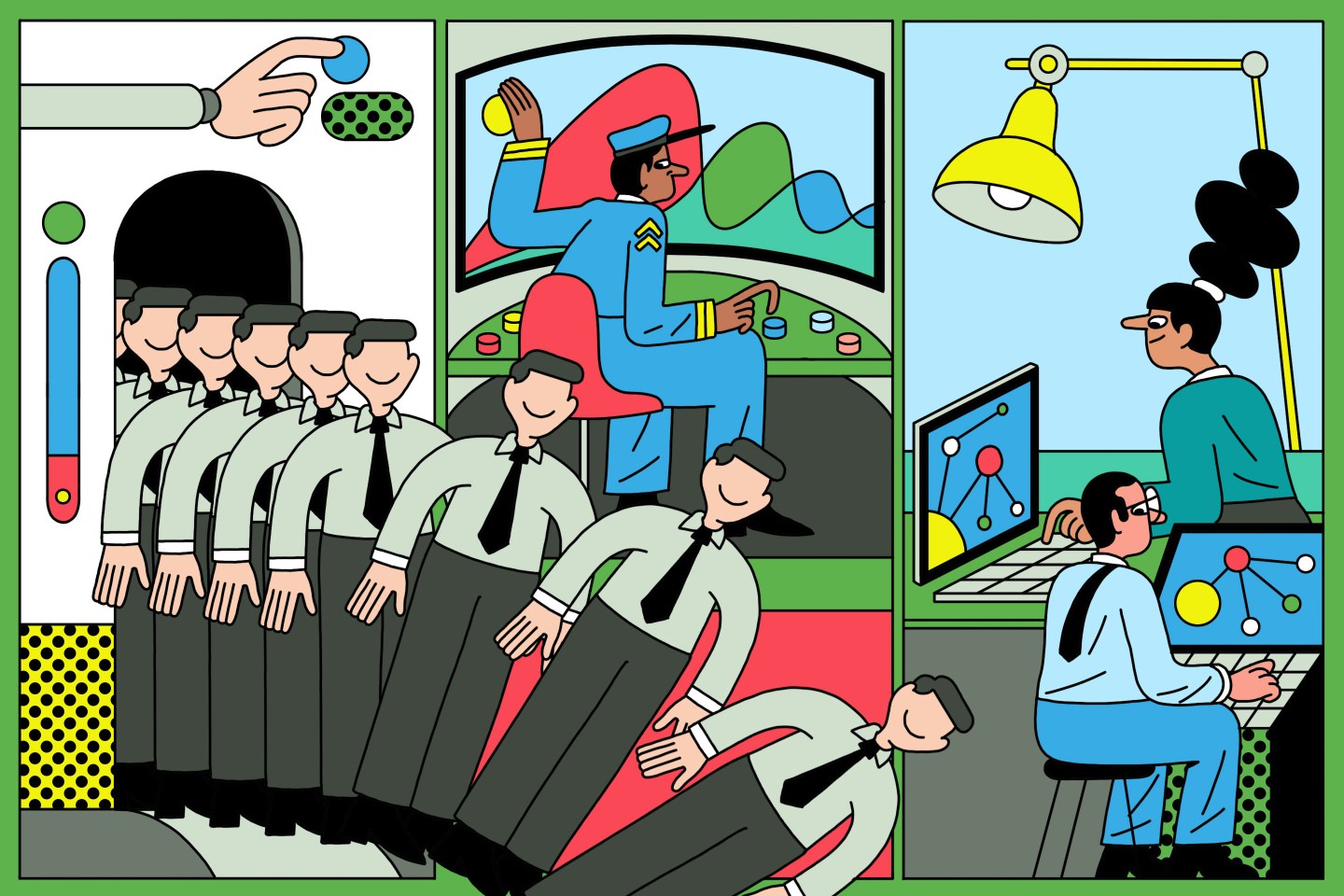
The most forward-thinking companies are implementing Zero Trust principles in AI agent deployment, ensuring controlled, adaptive access while gradually scaling capabilities through bottom-up innovation. This approach transforms AI from a technological tool to a strategic organizational capability, creating a hybrid human-agent workplace model where routine tasks are automated, allowing employees to focus on creativity, strategic thinking, and high-value problem-solving.
Questions 4
How will AI agents transform enterprise workflows by 2025?
By 2025, AI agents are expected to autonomously handle routine tasks across finance, operations, supply chain, and customer support. 80% of business leaders plan integration, creating a hybrid workplace where agents manage repetitive work while humans focus on strategic and creative tasks.
What are the primary challenges in AI agent deployment?
Organizations face the 'AI efficiency gap', with 92% reporting negative efficiency effects. Key challenges include increased compute costs (41.6%), engineering complexity (40.4%), and 29% AI budget waste from inference inefficiencies like idle GPU time.