


Municipal AI Regulation Surge Creates Compliance Complexity for E-Commerce Sellers Using Automation Tools
- NYC Council proposes 10 AI safety laws; Maryland launches bipartisan governors group; sellers face fragmented compliance costs across jurisdictions for pricing, inventory, and customer service AI systems
































Overview
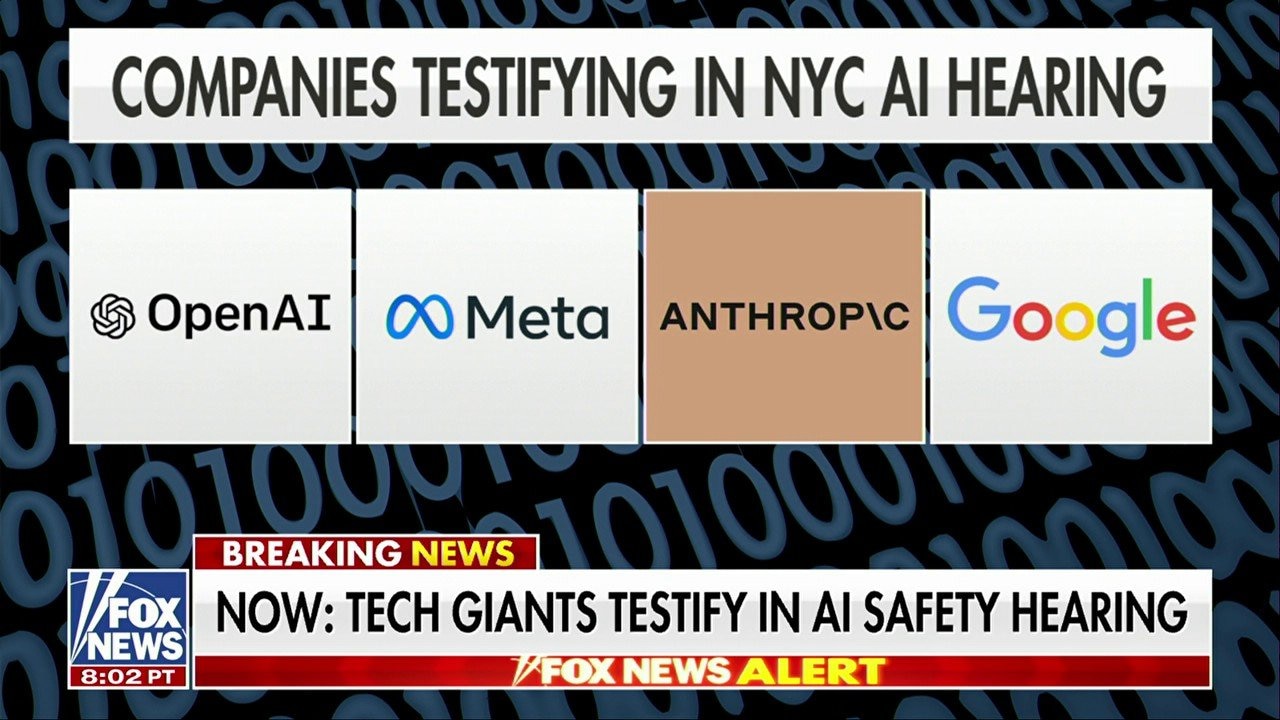
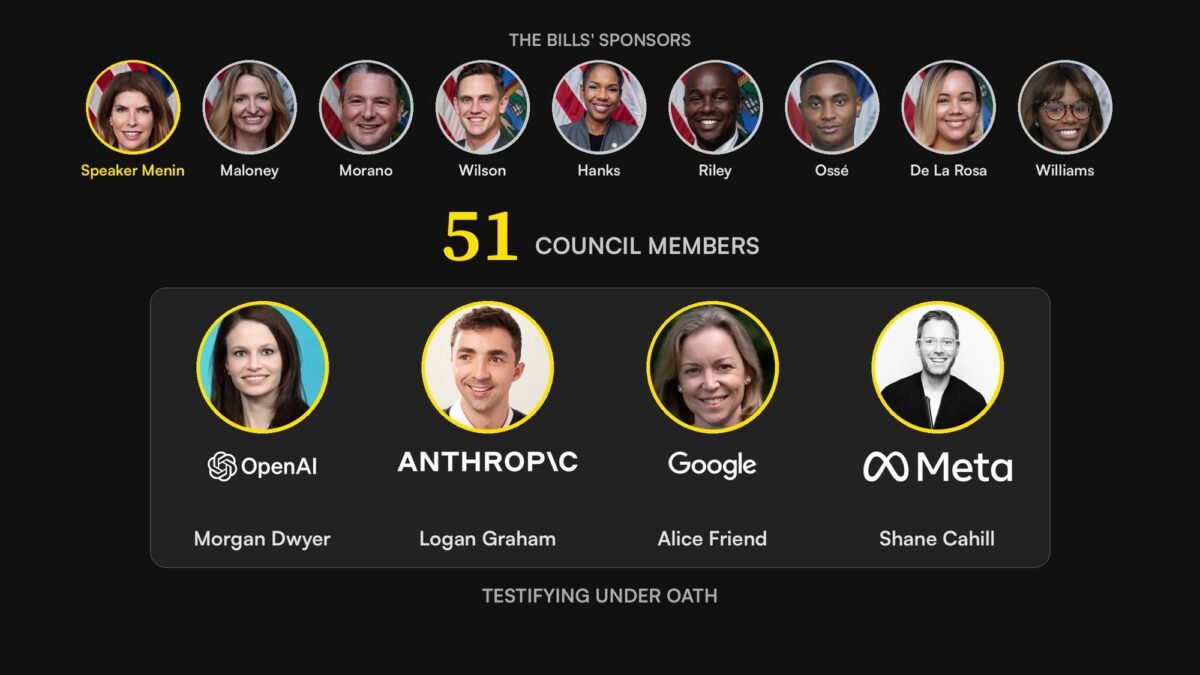
The regulatory landscape for AI-powered e-commerce operations is fragmenting rapidly at the municipal and state levels, creating immediate compliance challenges for sellers. The New York City Council held a rare October 5, 2026 hearing where representatives from OpenAI, Anthropic, Meta, Google, and xAI testified under oath about AI safety concerns. The NYC Council has proposed 10 pieces of legislation establishing the first-in-the-nation municipal AI governance framework, including a whistleblower incentive program. Simultaneously, Maryland Governor Wes Moore announced a bipartisan governors group focused on AI policy, explicitly citing insufficient federal action. This dual-track regulatory momentum signals that sellers using AI for recommendation engines, dynamic pricing, inventory management, and automated customer service will face increasingly complex compliance requirements across different jurisdictions.
For e-commerce sellers, the immediate operational impact is substantial and quantifiable. Companies operating AI-powered systems must now prepare for fragmented regulatory requirements across municipalities and states. The patchwork of local regulations could increase compliance costs significantly—sellers may need to maintain multiple versions of AI systems tailored to different jurisdictions, similar to how GDPR compliance required separate data handling protocols. Sellers using AI for inventory optimization, pricing algorithms, and customer service automation in New York City will face the strictest oversight first, with other major cities likely following NYC's precedent. The proposed whistleblower incentive program creates additional risk: employees or customers can report AI safety violations, potentially triggering audits and penalties. This regulatory uncertainty particularly affects mid-market sellers ($1-10M annual revenue) who lack dedicated compliance teams, forcing them to either hire compliance specialists or use third-party audit services.
The competitive advantage now shifts to sellers who proactively implement AI transparency and safety measures. Companies that document their AI systems' decision-making processes, conduct algorithmic bias audits, and implement human oversight protocols will gain credibility in markets with stricter oversight. The news indicates that firms "proactively addressing safety concerns and transparency may gain competitive advantages in markets with stricter oversight." This creates an opportunity for sellers to differentiate through compliance leadership—marketing AI-powered recommendations as "bias-audited" or "human-reviewed" becomes a selling point. Additionally, the AMD supply expansion announcement (substantially increasing chip supply in 2027) and Google-Constellation Energy partnership (890 megawatts by 2028) signal that AI infrastructure costs will stabilize, allowing sellers to invest in compliant AI systems without facing supply constraints. The South Korea $3.5B frontier AI program (launching March 2027) indicates global competition is intensifying, making early compliance adoption a competitive moat for sellers operating across multiple jurisdictions.
Questions 8
What AI tools should sellers use to ensure compliance?
Sellers should invest in: (1) bias detection tools (e.g., Fairness Indicators, AI Fairness 360) to audit recommendation and pricing algorithms, (2) data governance platforms to document AI training data and decision-making, (3) compliance management software to track audits and documentation, (4) third-party audit services for independent verification. The AMD supply expansion (2027) and Google-Constellation Energy partnership indicate AI infrastructure costs will stabilize, making these tools more affordable. Sellers should also implement human-in-the-loop systems where employees review AI recommendations before customer-facing deployment. No single tool solves all compliance needs—sellers typically use 3-5 tools in combination. Budget $20,000-$50,000 annually for compliance tooling for mid-market sellers.
How does the Maryland governors group affect sellers outside NYC?
The Maryland bipartisan governors group is coordinating state-level AI policy responses, signaling that multiple states will adopt similar regulations to NYC's framework. Sellers operating across state lines should expect fragmented compliance requirements—Maryland, California, and other major states will likely propose their own AI laws within 12-18 months. This creates a 'race to the top' where stricter regulations spread across jurisdictions. Sellers should monitor Maryland's regulatory announcements and prepare for multi-state compliance. The positive news: early compliance with NYC standards will partially satisfy future state requirements, reducing rework. Sellers should adopt a 'compliance-first' approach now rather than waiting for state-specific rules, as NYC's framework will likely become the baseline for other jurisdictions.