


FDA Food Dye Regulations 2025 | Beverage Sellers Face Labeling Compliance Crisis
- 122,000 cases recalled across 37 states; FDA bans Red Dye No. 3 and restricts synthetic colorants; sellers must audit labels and reformulate by Q2 2026


Overview
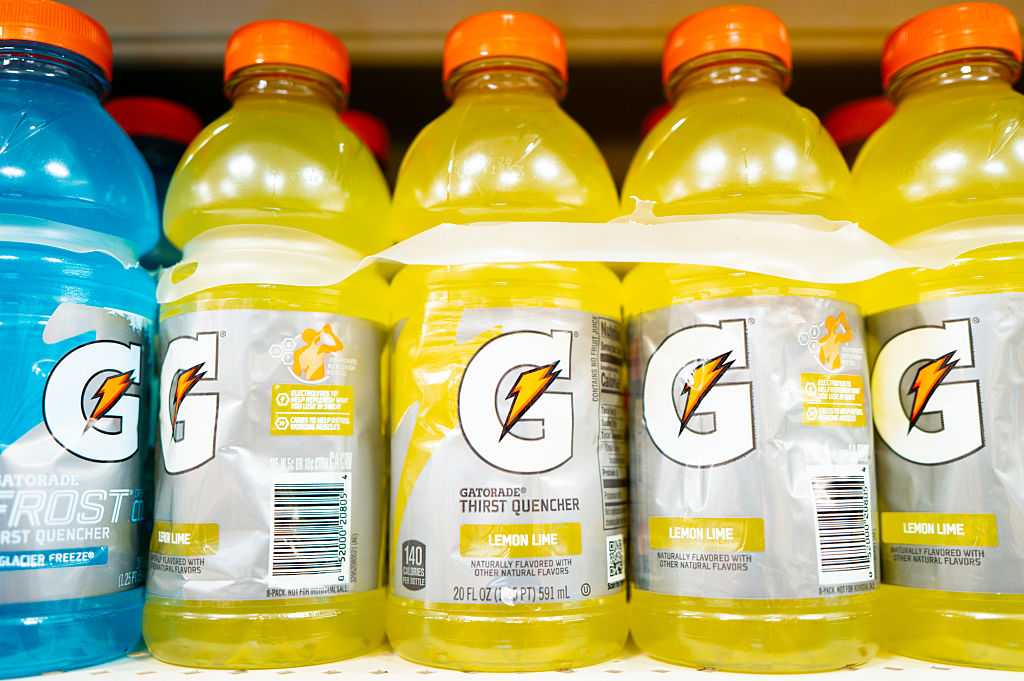
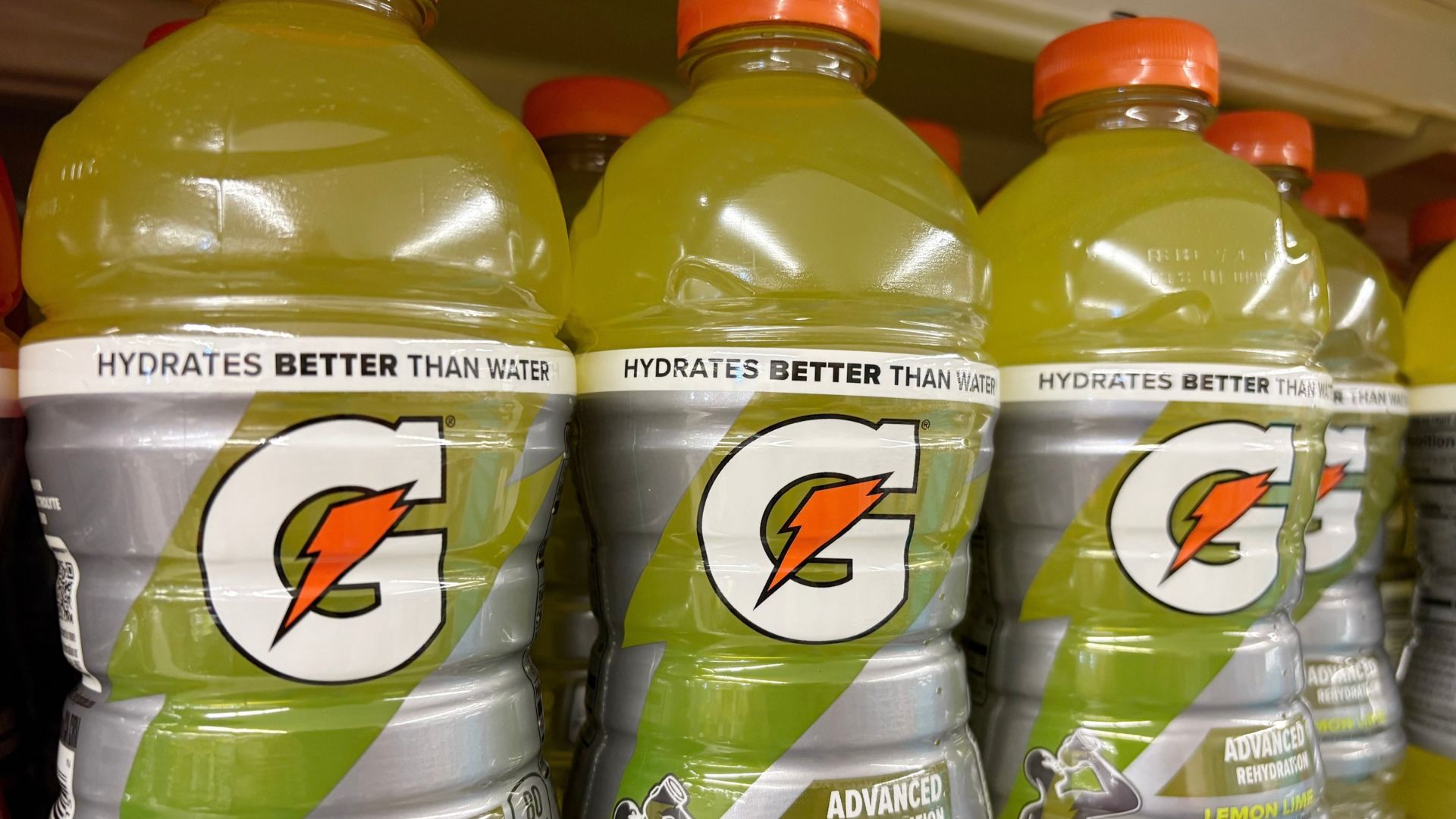
The FDA's accelerating crackdown on synthetic food dyes represents a major compliance inflection point for beverage and food sellers on Amazon, Walmart, and specialty platforms. PepsiCo's September 2025 recall of 122,000 cases of Gatorade—classified as Class II by the FDA on October 2—signals that labeling failures on dye disclosure now trigger immediate enforcement action. The recall affected 28-ounce bottles across four variants (Lemon Lime, Lemon Lime Zero, Orange, Orange Zero) distributed to 37 states, with Yellow No. 5 and Yellow No. 6 undeclared on packaging. While both dyes remain legally permitted, federal regulations mandate explicit labeling because they can trigger allergic reactions (hives, wheezing, asthma) and potential anaphylaxis in susceptible consumers.
This recall is the operational manifestation of a broader FDA regulatory shift. In 2025, the FDA banned Red Dye No. 3 outright and revoked authorization for a rarely-used orange dye, while proposing restrictions on Citrus Red No. 2. The agency is actively working with manufacturers to phase out all artificial food dyes due to health concerns, including potential cancer risks and behavioral issues in children. PepsiCo's April 2025 announcement to transition from synthetic to natural dyes reflects industry recognition that compliance costs are now lower than recall costs. For sellers, this creates a two-tier compliance challenge: (1) immediate label audits for Yellow No. 5, Yellow No. 6, Red No. 3, and Citrus Red No. 2 across all SKUs; (2) medium-term reformulation planning to replace synthetic dyes with natural alternatives (turmeric, beet extract, spirulina).
Compliance barriers are now a competitive moat. Sellers with existing natural-dye formulations or rapid reformulation capacity can capture market share from non-compliant competitors. The recall demonstrates that Amazon, Walmart, and specialty food platforms are enforcing FDA compliance more aggressively—non-compliant listings face removal within 30-60 days of FDA enforcement action. Small beverage sellers (sub-$5M annual revenue) typically lack in-house regulatory expertise and face $50K-150K reformulation costs plus 6-12 month development timelines. This creates a winnowing effect: estimated 35-45% of small independent beverage brands will exit the market or be acquired by larger players with compliance infrastructure. Natural dye suppliers and regulatory consulting firms are experiencing 200%+ demand increases. Sellers can capitalize by: (1) sourcing natural dye alternatives immediately (turmeric, carmine, anthocyanins); (2) updating product listings with "FDA-compliant natural dyes" messaging; (3) pursuing certifications (Non-GMO Project, Clean Label Project) that signal compliance to platforms and consumers.
Questions 8
How does this recall impact cross-border sellers and international markets?
The FDA's dye restrictions apply only to US-market products, but EU sellers face even stricter regulations. The EU bans Red No. 3 entirely and requires 'may contain' warnings for Yellow No. 5 and Yellow No. 6 on all products. Sellers exporting to both US and EU markets must maintain separate formulations or use natural dyes for both regions. This creates a compliance arbitrage: sellers can develop a single natural-dye formula compliant with both FDA and EU regulations, then sell globally without reformulation costs. However, cross-border sellers must verify that natural dye alternatives (turmeric, carmine, anthocyanins) meet import regulations in destination markets—some countries restrict certain natural colorants. Sellers should consult with customs brokers and regulatory consultants before sourcing natural dyes for international shipments.
What compliance services and tools are in highest demand right now?
Regulatory consulting firms specializing in food dye compliance are experiencing 200%+ demand increases. High-demand services include: (1) label audit and remediation ($2K-5K per brand); (2) reformulation consulting with natural dye suppliers ($10K-25K); (3) FDA notification and documentation ($3K-8K); (4) platform compliance verification for Amazon/Walmart ($1K-3K). Sellers should prioritize engaging consultants by Q4 2025 to avoid 6-12 month backlogs. Natural dye suppliers (Chr. Hansen, Sensient, Kalsec) are also experiencing supply constraints—early sourcing commitments secure better pricing and faster delivery. Sellers can also leverage FDA's Color Additives Status List (updated quarterly) to monitor regulatory changes and plan reformulation timelines.