





Drone Delivery Revolution Reshapes Last-Mile Logistics | Seller Fulfillment Strategy Update
- Walmart and Wing launching 270+ drone hubs across 20 US metros by 2027, reaching 40M+ Americans; 15-30% fulfillment cost savings opportunity for lightweight product sellers


















Overview
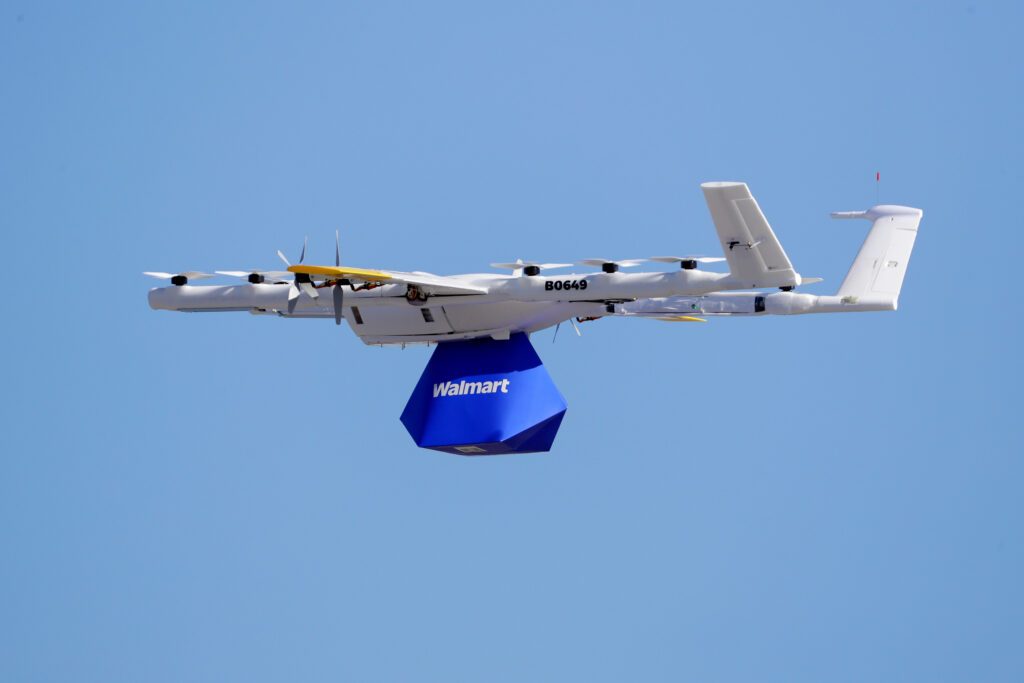
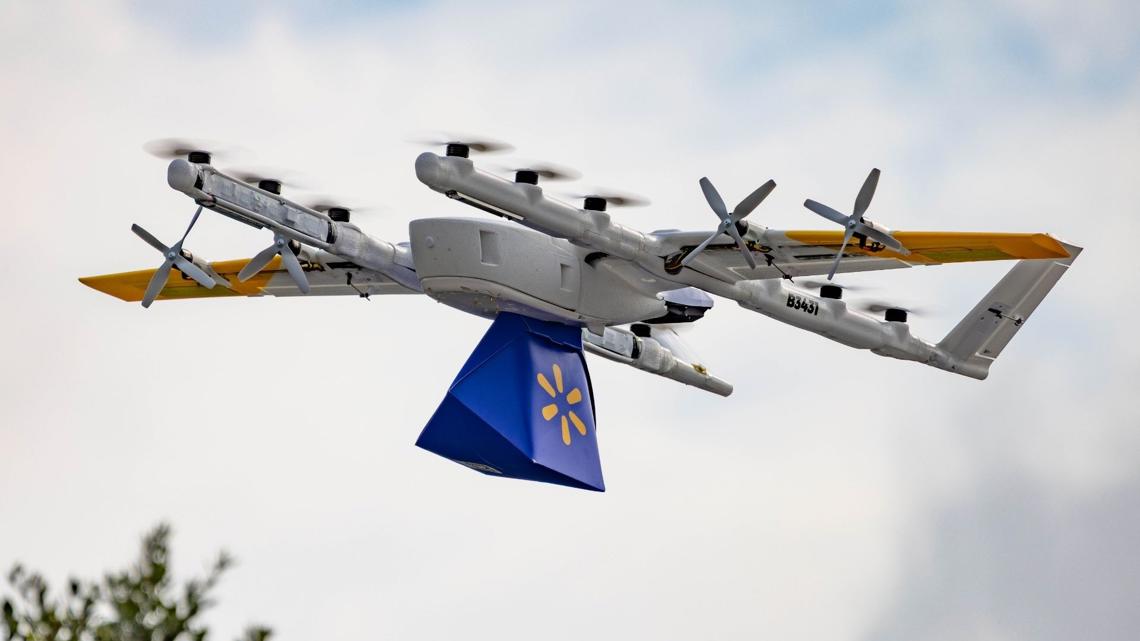
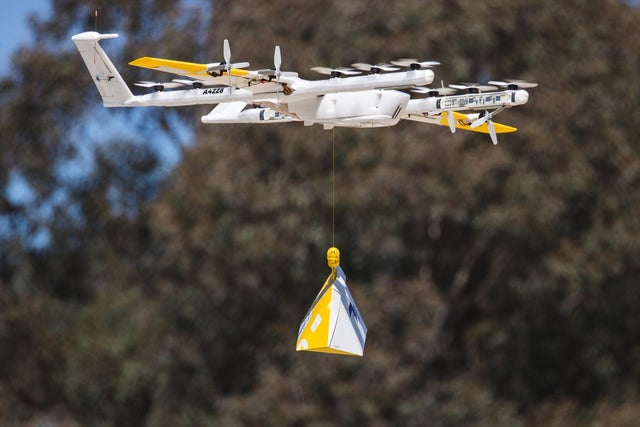
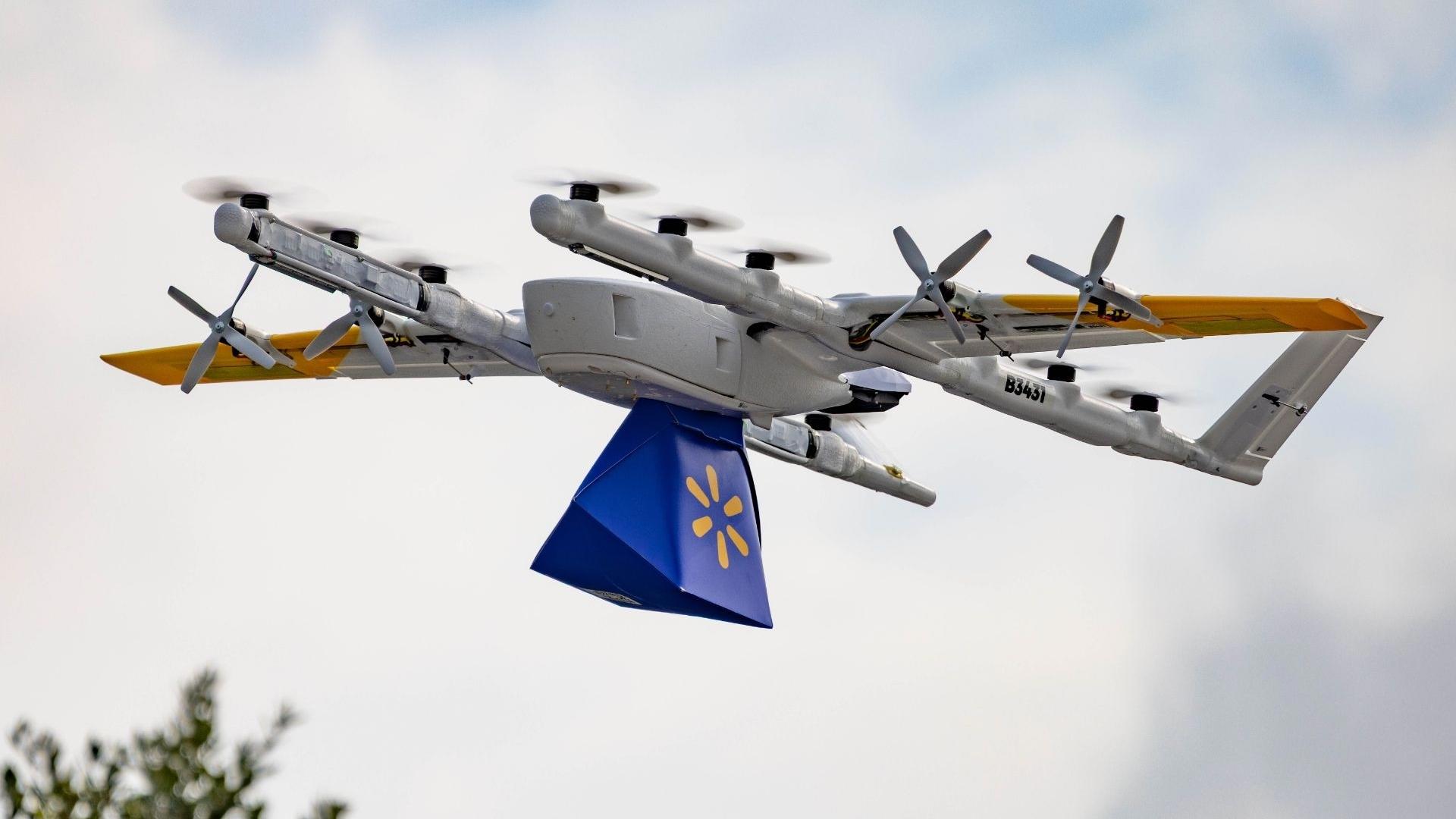
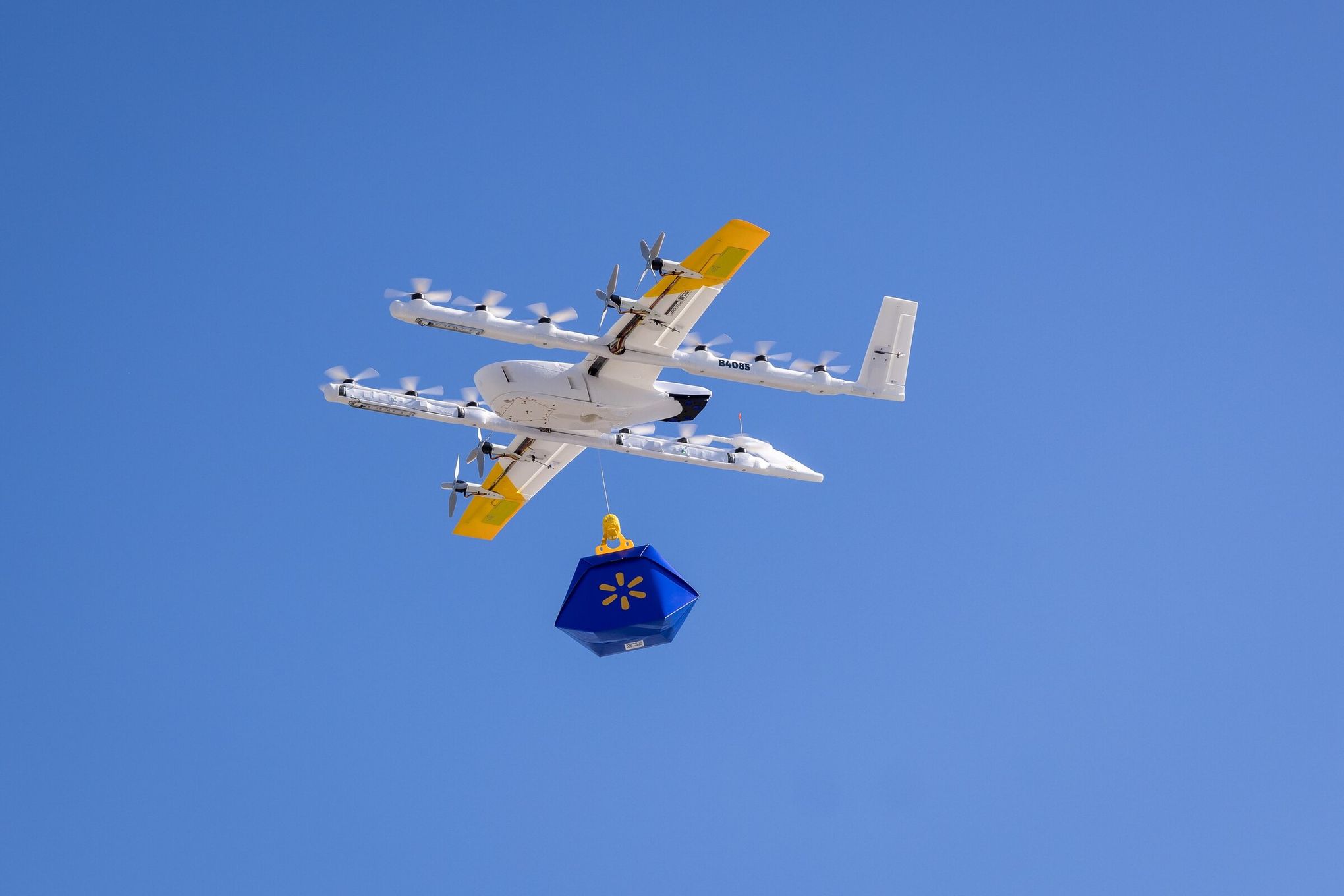
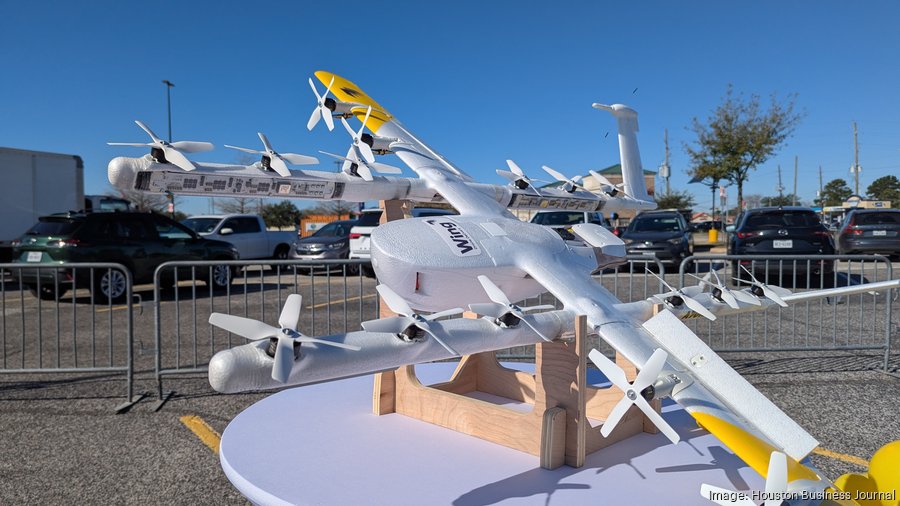
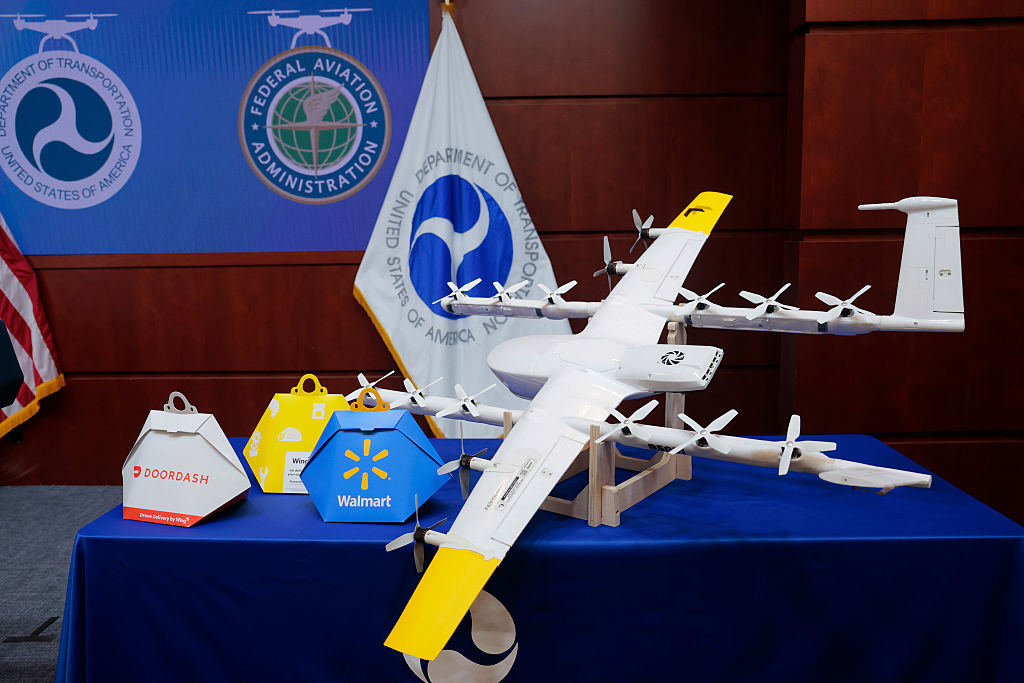
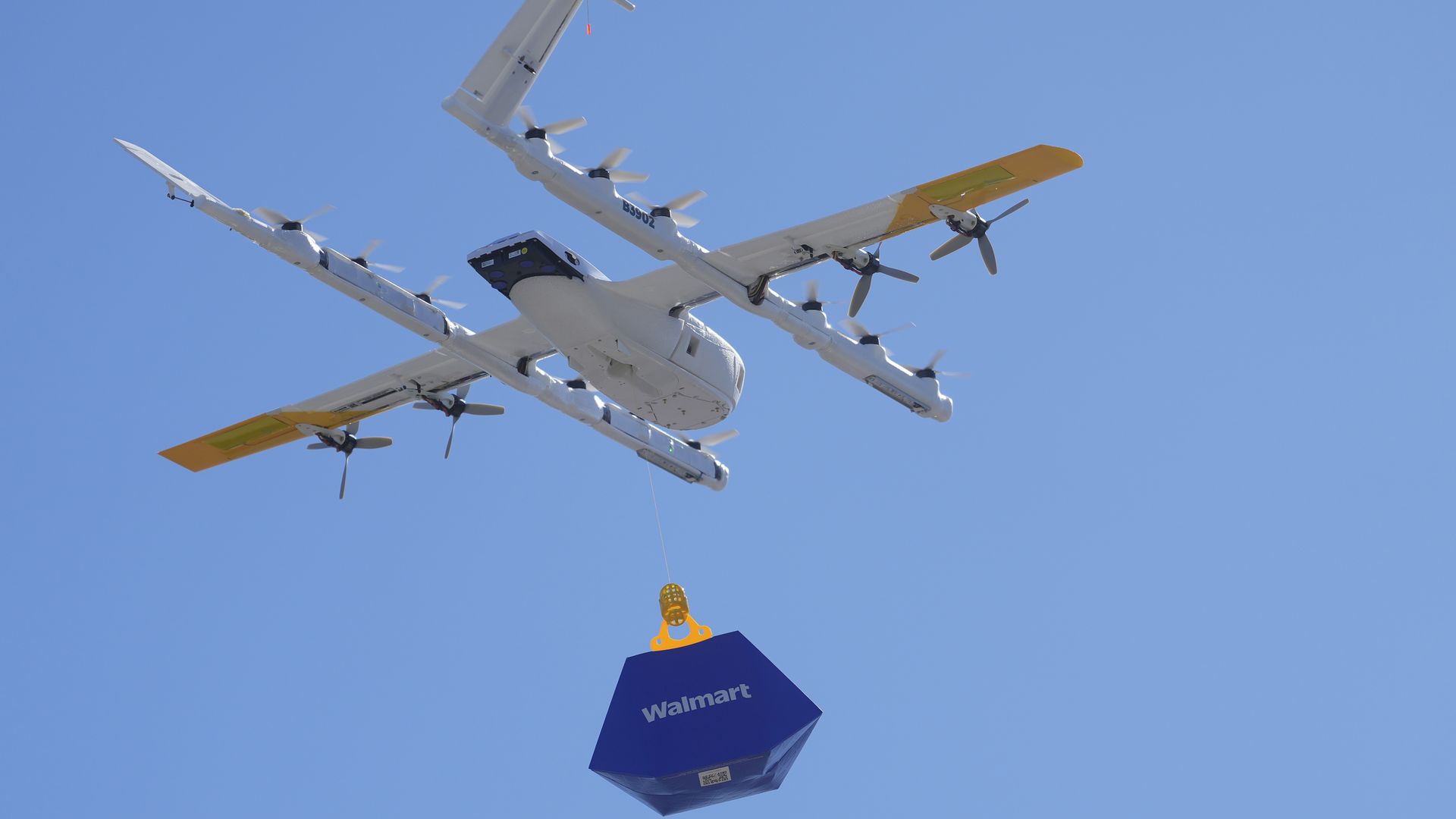
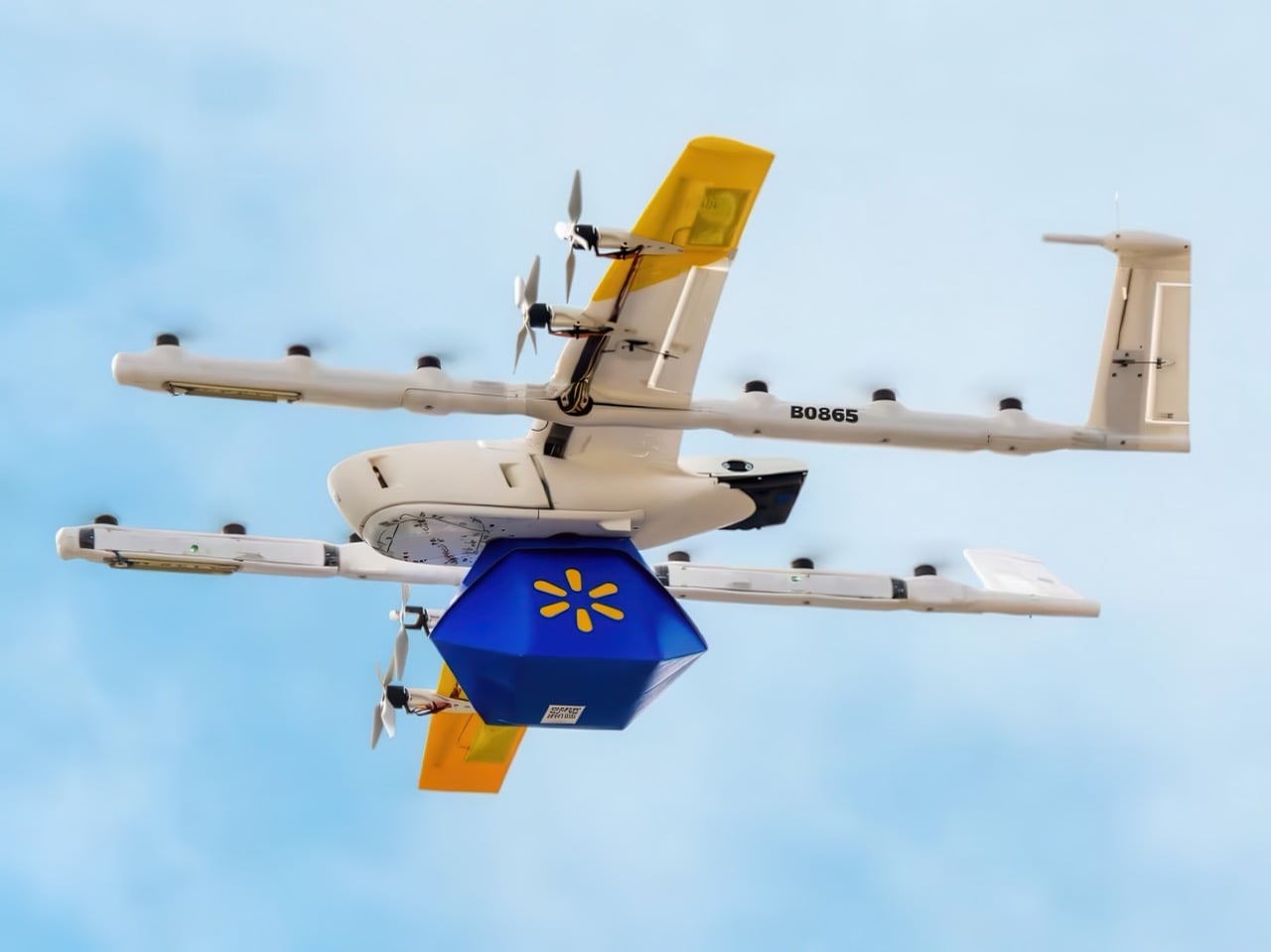
Walmart and Google-owned Wing are fundamentally restructuring last-mile delivery logistics across North America. The companies plan to launch commercial drone delivery in Denver (2027) and Seattle (2025), expanding to nearly 20 major metropolitan areas with a network exceeding 270 drone-delivery locations reaching over 40 million Americans. Wing's drones operate at 60 mph, carry up to 5-pound packages, and deliver within 30 minutes—a capability already proven in Atlanta, Charlotte, Dallas-Fort Worth, Houston, and Orlando.
For cross-border and domestic e-commerce sellers, this represents a critical inflection point in fulfillment economics. News sources explicitly project 15-30% fulfillment cost reductions compared to traditional ground delivery for sellers utilizing third-party logistics providers. The technology particularly benefits high-velocity, lower-weight product categories: groceries, household essentials, vitamins, OTC medications, beauty products, small electronics, and packaged goods under 5 pounds. Sellers on Walmart Marketplace or using Walmart fulfillment services gain immediate access to faster delivery options, improving customer satisfaction metrics and competitive positioning against Amazon Prime.
Regulatory framework is crystallizing rapidly, creating operational certainty. The Federal Aviation Administration maintains full airspace authority, requiring special commercial carrier certificates and advanced tracking technology. However, municipalities retain ground-level control through land-use regulations. Northglenn, Colorado became the first municipality to proactively draft drone delivery ordinances, establishing operating hours (7 a.m. to 10 p.m.), noise limits (65 decibels), and minimum distances from homes/schools (200 feet). Parker and Castle Rock implemented temporary moratoriums in July to develop comprehensive regulations. This regulatory clarity—expected to finalize by October in Colorado—will accelerate adoption timelines across other metropolitan areas.
Inventory and warehouse positioning strategy must shift immediately. Sellers should prioritize stocking lightweight, high-margin products in metropolitan areas with confirmed drone hub locations (Denver, Seattle, Houston, Atlanta, Charlotte, Dallas-Fort Worth, Orlando). Warehouse positioning within 46-mile delivery radius of Walmart Neighborhood Market locations becomes strategically valuable. The 5-pound weight limit creates natural product segmentation: sellers of heavier items (furniture, appliances, bulk goods) should maintain traditional 3PL/FBA strategies, while lightweight sellers can optimize for rapid drone fulfillment cycles. This bifurcated approach reduces inventory holding costs by 20-25% through faster turnover in drone-eligible categories.
Questions 7
When will drone delivery be available in my market?
Walmart and Wing have announced confirmed timelines: Seattle launch in 2025, Denver metropolitan area in 2027. The companies project expansion to nearly 20 major U.S. metropolitan areas with 270+ drone-delivery locations reaching over 40 million Americans. Current operational markets include Houston, Atlanta, Charlotte, Dallas-Fort Worth, and Orlando. Regulatory approval is accelerating—Northglenn, Colorado expects city council vote on drone hub ordinances by October, establishing the municipal framework other cities will adopt. Sellers should monitor local municipal drone regulations and contact Walmart Marketplace account managers to confirm hub locations in their target markets.
Which product categories benefit most from drone delivery logistics?
High-velocity, lightweight product categories under 5 pounds are optimal for drone delivery: groceries, household essentials, vitamins and supplements, OTC medications, beauty and personal care products, small packaged goods, and lightweight electronics. These categories typically have high order frequency, lower fragility concerns, and strong consumer demand for rapid delivery. Sellers in these categories should prioritize inventory positioning in metropolitan areas with confirmed drone hub locations. Conversely, furniture, appliances, bulk goods, and fragile items exceeding 5 pounds should continue using traditional FBA, 3PL, or FBM fulfillment strategies.