





Personal Agent Protocol Standards | AI Commerce Automation Reshapes E-Commerce Operations
- Meta, Shopify, Walmart standardize AI agent transactions; $27B revenue opportunity by 2030; sellers must prepare for autonomous shopping infrastructure









Overview
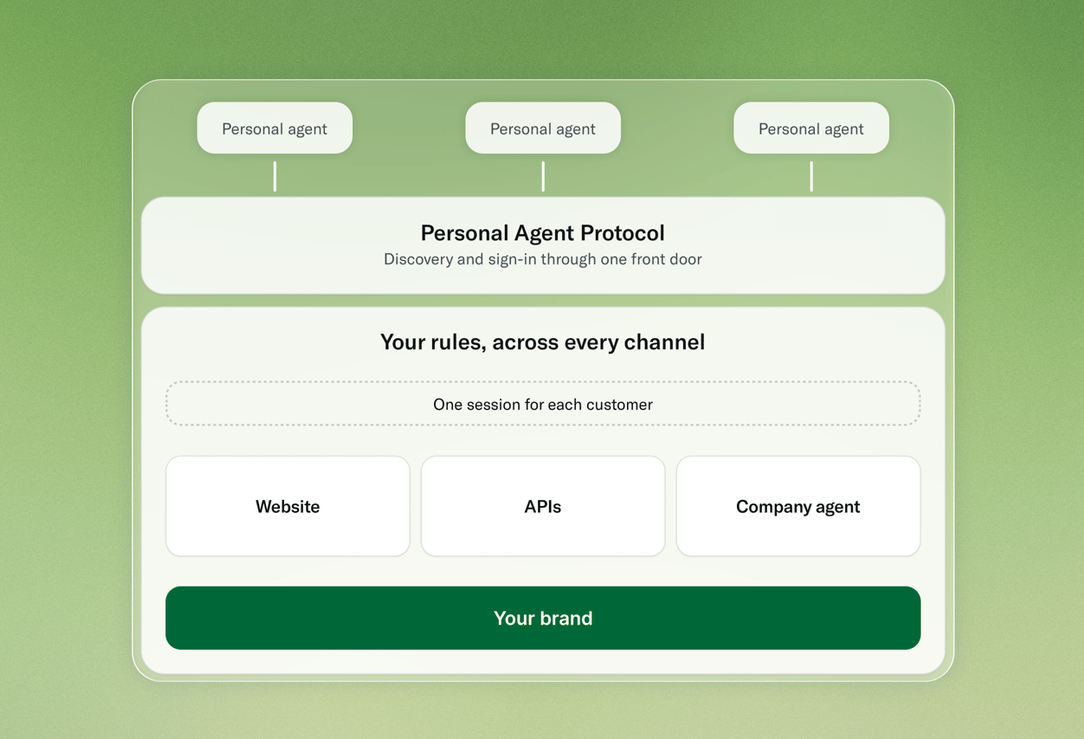
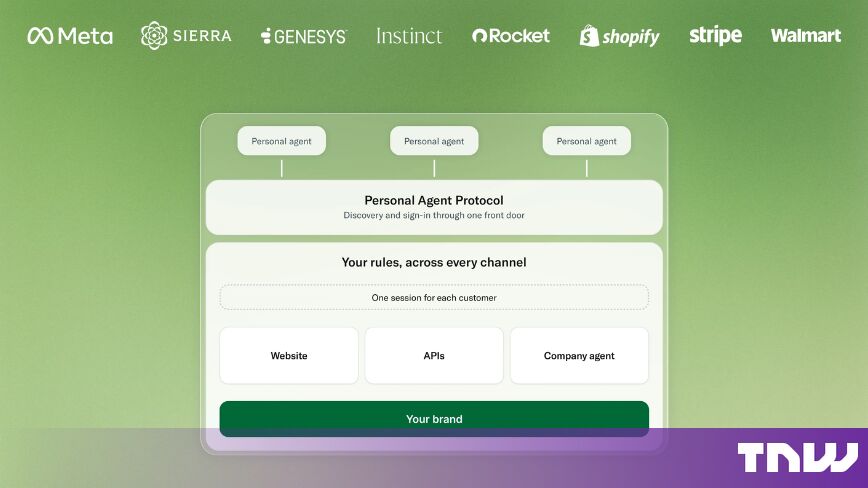
Meta, Sierra, and nine major commerce platforms are establishing the Personal Agent Protocol—an industry standard for AI agents conducting authorized transactions—creating a fundamental shift in how e-commerce operates. Announced October 6, 2026, with v0.1 specification due by month-end, this protocol standardizes authentication, consumer permissions, and business boundaries for AI agents across websites and APIs. The initiative directly addresses Meta's Muse (launched September 8, topped App Store charts within days) and competing agents like OpenAI's Dots and Instinct ($10B valuation in September), which are rapidly commercializing autonomous shopping capabilities.
For e-commerce sellers, this represents both immediate automation opportunities and critical operational requirements. The protocol enables AI agents to conduct transactions autonomously, meaning customer purchase decisions will increasingly bypass traditional product discovery and checkout flows. Sellers must now prepare for a commerce model where AI agents—not humans—are the primary decision-makers. This creates three immediate automation opportunities: (1) Agent-optimized product data: AI agents require structured, machine-readable product information (specifications, pricing, availability) that differs fundamentally from human-facing listings. Sellers can automate data transformation using AI tools like Zapier + GPT-4 to convert existing Amazon/Shopify listings into agent-compatible formats, saving 8-12 hours weekly per 1,000-SKU catalog. (2) Dynamic pricing for agent commerce: Unlike humans, AI agents can process real-time pricing signals and commission structures. Sellers should implement AI-powered dynamic pricing tools (Repricing tools like Keepa, Jungle Scout) to optimize margins when agents compare prices across platforms—potentially increasing conversion rates 15-25% as agents route to best-value sellers. (3) Automated compliance and transparency: The protocol mandates transparency about agent activities and commission incentives. Sellers can use AI automation to generate required disclosure documents, audit logs, and agent interaction records, reducing manual compliance overhead by 60-70%.
The competitive advantage window is 3-6 months. Citigroup estimates Muse alone could generate $27B revenue by decade's end, positioning it as the "front door to the internet for online shopping." Early adopters who optimize for agent commerce will capture disproportionate traffic as these platforms scale. However, Amazon's September block of Muse agents (citing credential handling concerns) signals platform gatekeeping—sellers must prepare for fragmented agent ecosystems where different platforms accept different agent types. This creates data portability risks: sellers optimizing exclusively for Meta's agents may face exclusion if Amazon, Shopify, or other platforms establish competing standards. The five banking principles (transparency, safety, privacy, consumer choice, interoperability) indicate regulatory scrutiny is imminent, meaning sellers who implement compliant agent infrastructure now will avoid costly retrofits when regulations formalize (likely 2027-2028).
Critical risk: commission incentive manipulation. Banks warned that AI agents may prioritize products based on commission rates rather than customer needs. Sellers face pressure to increase agent commissions to gain visibility, compressing margins 5-10% industry-wide. Sellers should monitor competitor commission rates and establish commission caps to avoid a race-to-the-bottom dynamic.
Questions 8
What automation tools should I implement now to prepare for agent commerce?
Three immediate automation opportunities: (1) **Agent-optimized product data**: Use Zapier + GPT-4 to convert existing listings into machine-readable formats (JSON, XML). This saves 8-12 hours weekly per 1,000-SKU catalog and ensures agents can process your product information. (2) **Dynamic pricing APIs**: Implement tools like Keepa or Jungle Scout to optimize pricing for agent commerce. Agents compare prices across platforms in real-time, so dynamic pricing can increase conversion rates 15-25% by routing agents to your products when you offer best value. (3) **Compliance automation**: Use AI to generate required transparency disclosures, audit logs, and agent interaction records—reducing manual compliance overhead by 60-70%. These tools should be implemented within 3-6 months to capture early-adopter advantage as agent commerce scales from niche to mainstream.
Which e-commerce platforms should I prioritize for agent commerce optimization?
The Personal Agent Protocol includes Shopify, Stripe, Walmart, Meta, Genesys, and others—but adoption is fragmented. Meta's Muse topped App Store charts within days (September 8 launch), indicating strong consumer adoption on Meta platforms. Shopify is integrating agent capabilities into its merchant dashboard. Walmart is building agent commerce into its marketplace. However, Amazon blocked Muse agents in September, suggesting Amazon will develop proprietary agent standards rather than adopt the Personal Agent Protocol. For sellers: (1) Prioritize Shopify and Walmart for immediate agent optimization (v0.1 spec due October 31, 2026). (2) Prepare for Amazon's proprietary agent standard (likely announced Q1 2027). (3) Monitor OpenAI's Dots agent platform (launched September 29) for integration opportunities. Diversification across multiple agent platforms reduces dependency risk.