


Hormuz Shipping Crisis & G7 Oil Reserves | Cross-Border Logistics Cost Surge
- Strait of Hormuz handles 21% of global petroleum; military attacks escalate shipping insurance costs 15-25% for e-commerce logistics providers







Overview
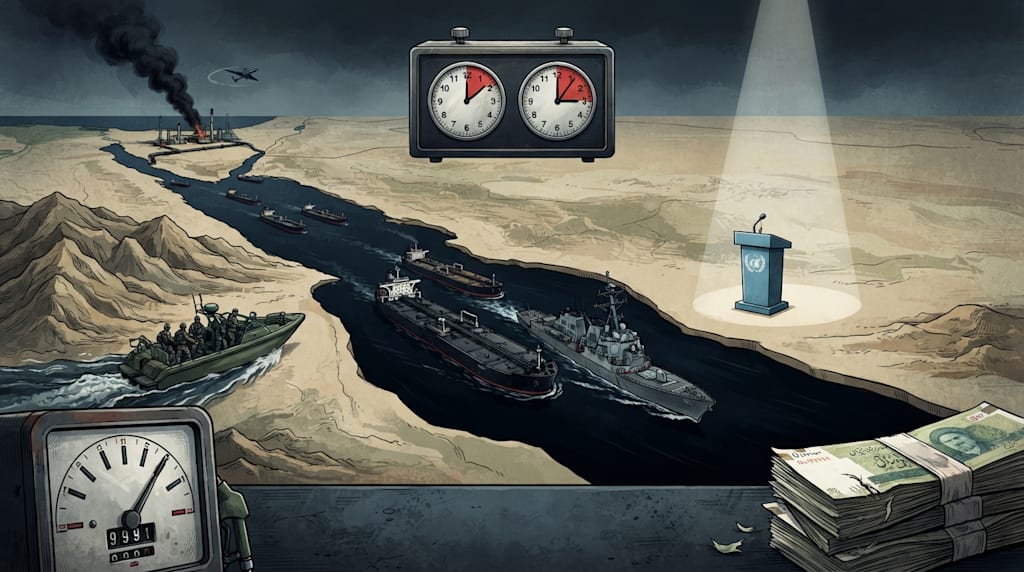
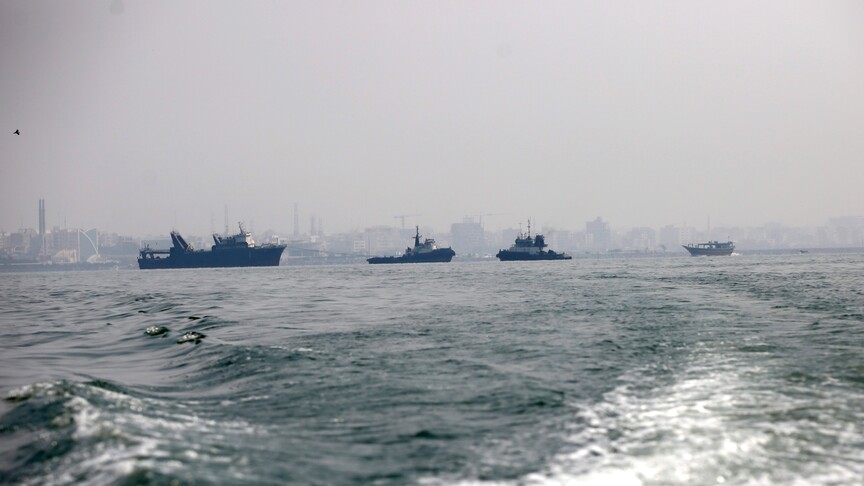
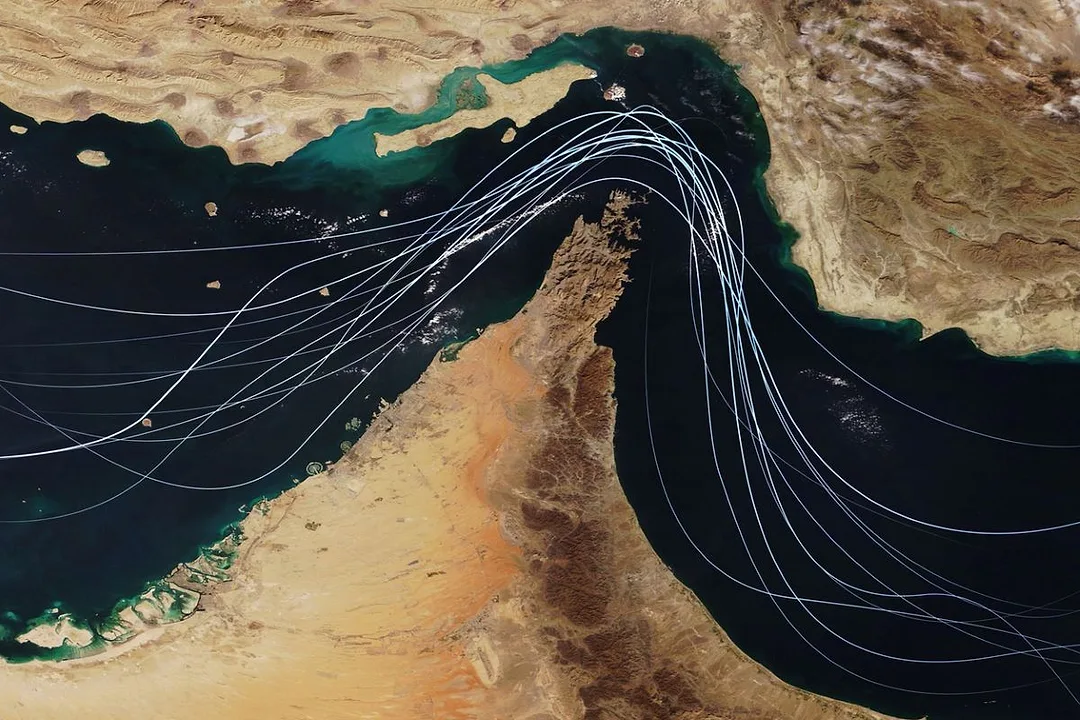
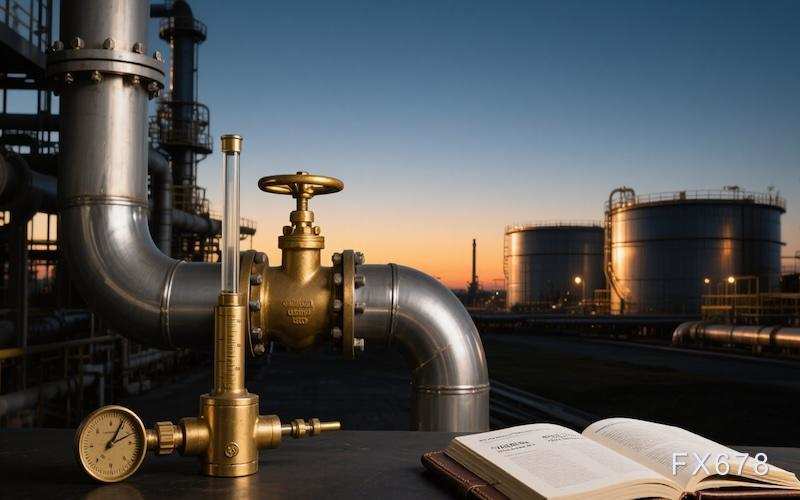
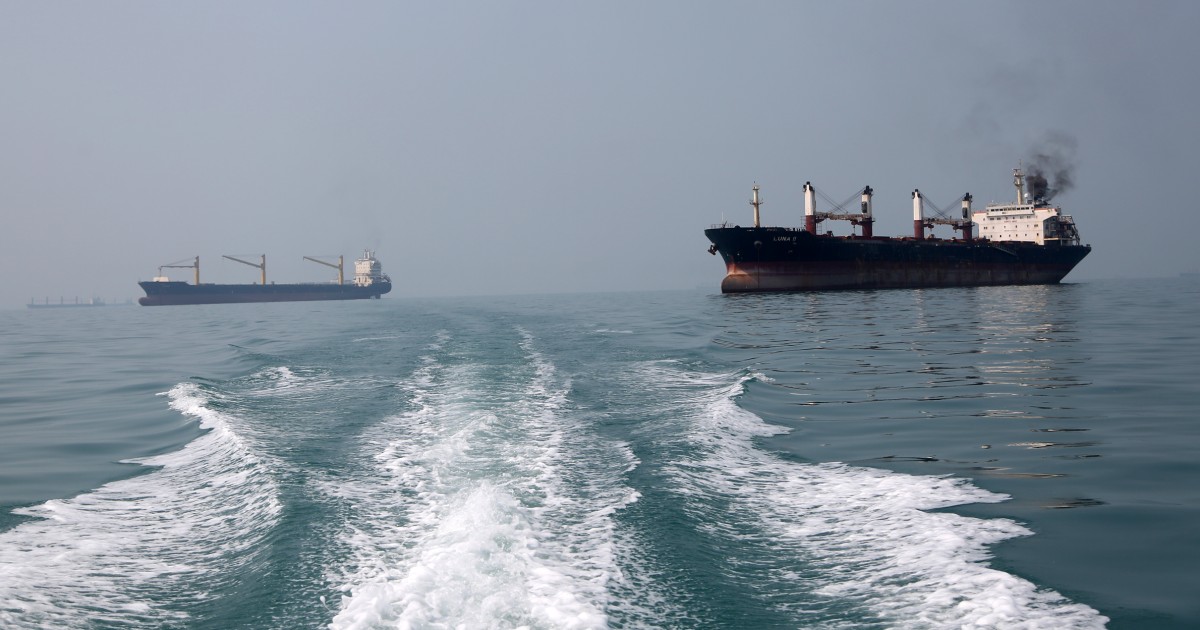
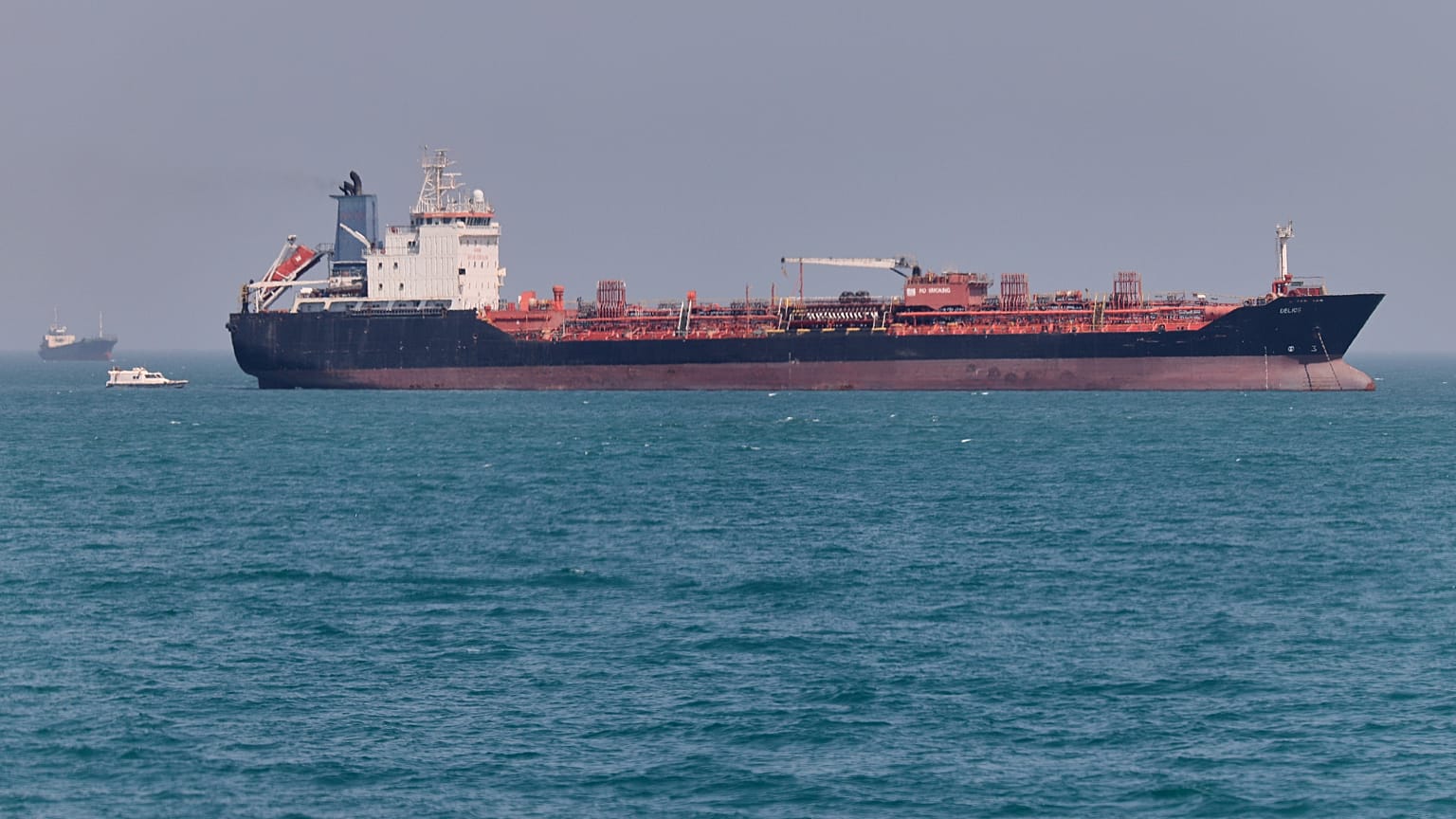
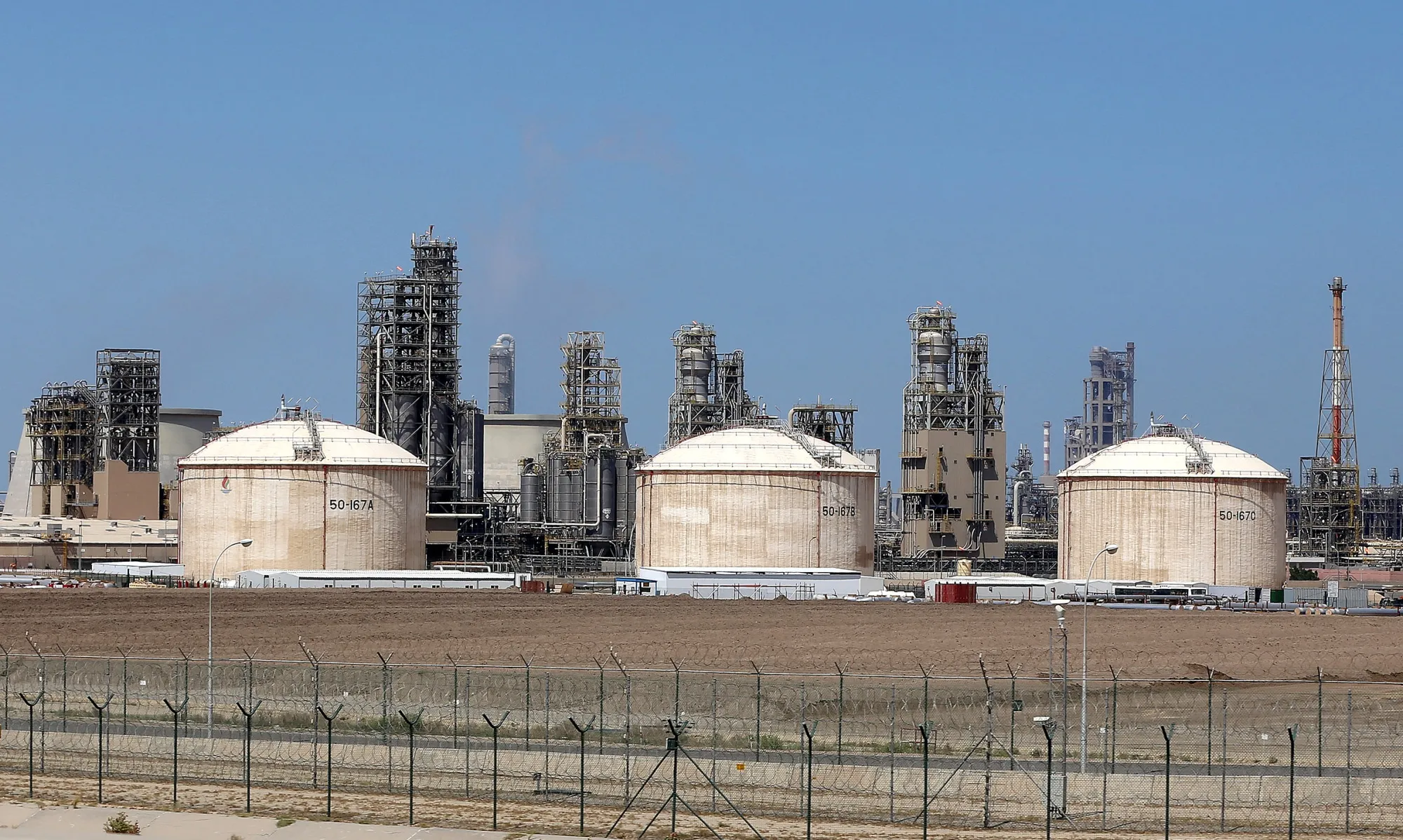
Global energy market instability centered on the Strait of Hormuz—through which 21% of global petroleum transits daily—is creating immediate cost pressures for cross-border e-commerce sellers relying on maritime logistics. The convergence of four critical factors creates a complex risk environment: (1) escalating military attacks on Persian Gulf energy infrastructure and commercial tankers, (2) G7 coordinated strategic petroleum reserve releases aimed at price stabilization, (3) rising vessel insurance costs for Gulf transit routes, and (4) Iran's diminishing capacity to control the chokepoint, creating unpredictable geopolitical dynamics.
For e-commerce sellers, the operational impact is immediate and quantifiable. Shipping costs represent 15-35% of total landed costs for cross-border sellers importing from Asia-Pacific regions or exporting to Middle Eastern markets. The news reports indicate insurance costs for vessels transiting the Strait of Hormuz have increased substantially, with maritime authorities recommending enhanced security protocols and alternative routing. This translates directly to higher freight forwarding fees: sellers using ocean freight through the Hormuz corridor face potential surcharges of $200-500 per 20-foot container, while air freight users experience fuel surcharges of 5-12% above baseline rates. The G7's strategic reserve releases provide temporary price relief, but underlying geopolitical tensions mean this stabilization is fragile and reversible.
Seller segments face differentiated impacts based on logistics strategy. Small-to-medium sellers (SMBs) relying on consolidated shipments through traditional freight forwarders absorb higher per-unit costs due to limited negotiating power with 3PL providers. Large sellers with dedicated logistics contracts may negotiate fixed rates, but face margin compression on expedited shipping options. Sellers specializing in time-sensitive categories (electronics, fashion, perishables) relying on air freight face the highest exposure to fuel surcharges. Conversely, sellers with flexible delivery timelines can shift to slower ocean routes avoiding peak Hormuz transit periods, though this requires 4-6 week advance planning and inventory buffer management.
The policy dimension creates both risks and opportunities. G7 reserve releases indicate governments recognize energy market disruption threatens economic stability—suggesting future coordinated interventions may become more frequent. However, the persistence of geopolitical tensions means sellers cannot rely on policy interventions alone. Strategic sourcing diversification away from Asia-Pacific suppliers toward nearshoring options (Mexico for US sellers, Eastern Europe for EU sellers) becomes increasingly attractive despite potentially higher unit costs, as it reduces exposure to Hormuz-dependent shipping corridors. Sellers should monitor Strait of Hormuz incident frequency and insurance rate indices as leading indicators of logistics cost volatility.
Questions 8
How do Strait of Hormuz attacks directly impact my shipping costs as an e-commerce seller?
Military attacks on Persian Gulf energy infrastructure and commercial tankers increase vessel insurance costs, which shipping companies pass to customers through higher freight rates and fuel surcharges. Ocean freight through the Hormuz corridor can increase $200-500 per 20-foot container, while air freight fuel surcharges rise 5-12%. For a seller shipping 100 containers monthly, this represents $20,000-50,000 in additional monthly costs. Insurance rate indices for Gulf transit routes have risen 15-25% according to maritime authorities' reports. Monitor freight forwarder quotes weekly and consider locking in rates during price dips following G7 reserve releases.
Should I shift my sourcing away from Asia-Pacific suppliers due to Hormuz risks?
Nearshoring to Mexico (for US sellers) or Eastern Europe (for EU sellers) reduces Hormuz corridor exposure but increases unit costs 10-20% due to higher labor rates. The decision depends on your product category and margin structure. Time-sensitive categories (electronics, fashion) benefit most from nearshoring due to reduced shipping times and fuel surcharge exposure. Bulk commodity sellers with 4-6 week delivery flexibility can maintain Asia-Pacific sourcing by scheduling shipments during low-geopolitical-tension periods. Calculate your break-even point: if nearshoring cost premium exceeds current Hormuz surcharge exposure, maintain current sourcing; if surcharges exceed 8-10% of landed costs, nearshoring becomes economically justified.