


Puget Sound Ferry Disruptions Impact Last-Mile Delivery | Amazon/UPS/FedEx Route Optimization Urgent
- 72-hour service suspension + labor actions halt shipments to island communities; sellers must reroute inventory through alternative carriers and warehouses

Overview
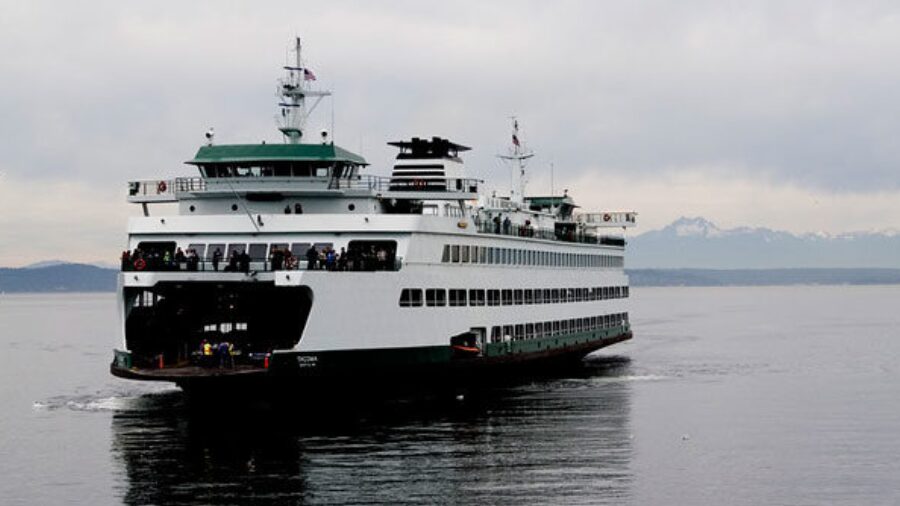
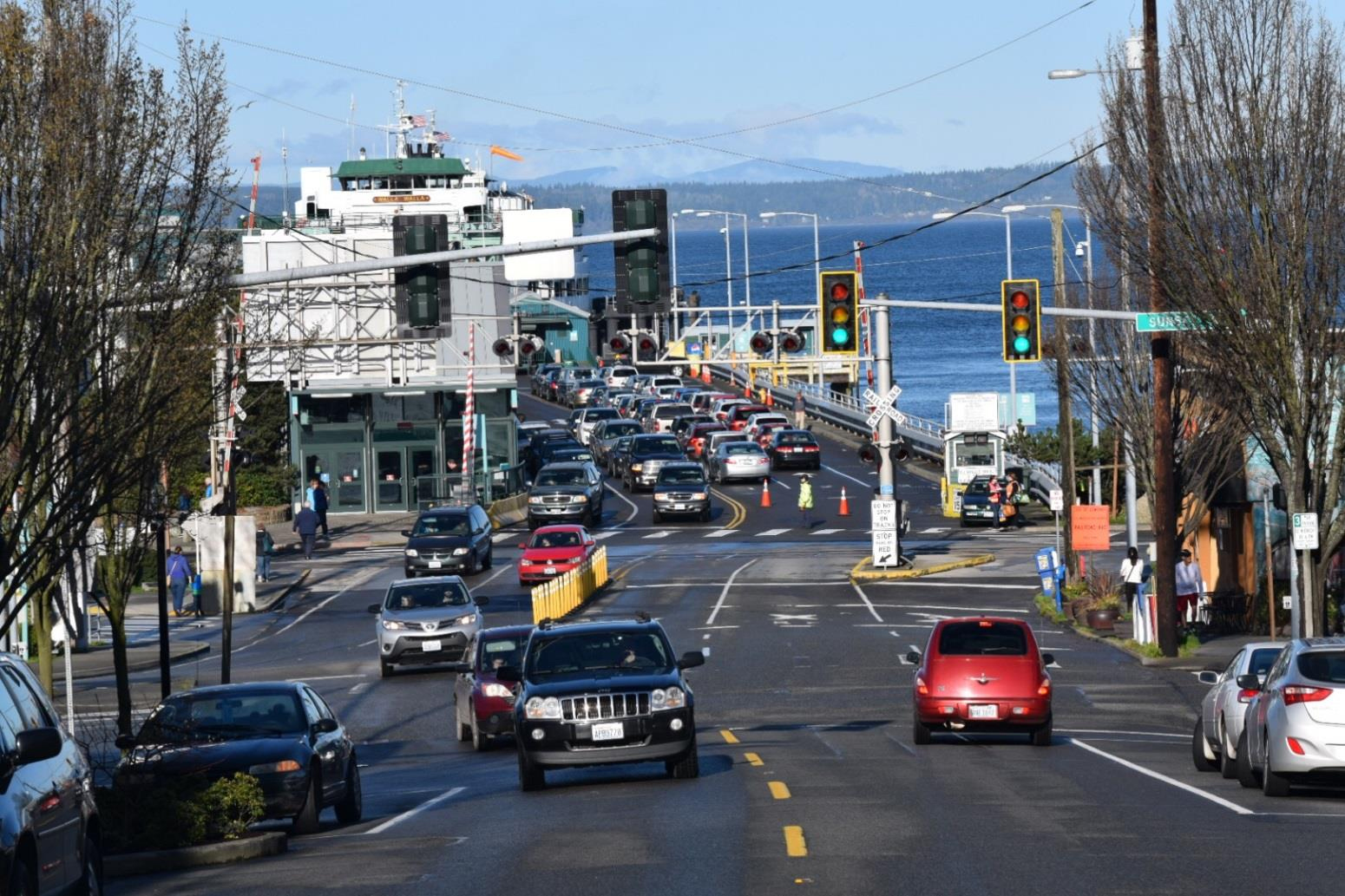
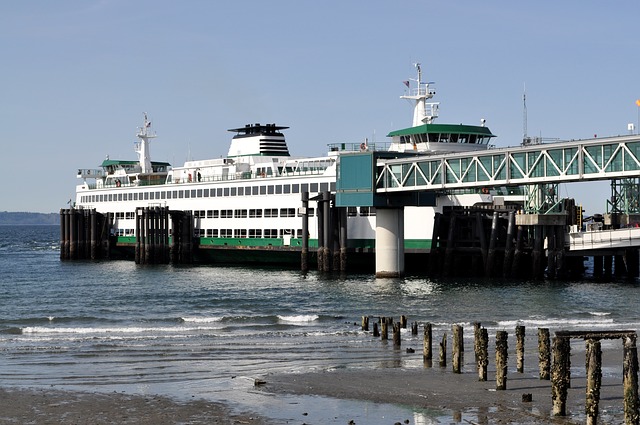
Washington State Ferries (WSF) faces a critical operational crisis directly impacting e-commerce logistics across the Puget Sound region. On October 6, 2026, 23 engine-room employees executed a coordinated sick-out, rendering 13 of 18 vessels inoperable and halting UPS, FedEx, and Amazon shipments to island communities including Vashon Island. The disruption cascaded into a scheduled 15-hour suspension of the Edmonds-Kingston route (7 p.m. Tuesday–10 a.m. Wednesday) for BNSF railroad maintenance, compounding service failures across five major ferry corridors: Fauntleroy-Vashon-Southworth, Bainbridge Island, Mukilteo-Clinton, and Edmonds-Kingston.
Logistics Impact for E-Commerce Sellers: The ferry system serves as a critical last-mile connector for island-based businesses and Seattle-area fulfillment operations. Amazon, UPS, and FedEx shipments were completely halted Monday, forcing local businesses like Engels Repair and Towing to experience multi-day parts delivery disruptions from Seattle warehouses. For sellers operating 3PL facilities in the Puget Sound region or serving island communities, this represents a 2-3 day delivery delay and potential inventory bottlenecks. The underlying cause—loss of 132 experienced ferry workers due to vaccine mandate enforcement—signals systemic staffing shortages that will persist beyond immediate service restoration. Union surveys indicate 60%+ of remaining crew members are considering retirement or departure, suggesting recurring disruptions through 2026-2027.
Warehouse and Routing Implications: Sellers currently routing inventory through Puget Sound ports (Seattle-Tacoma) to island destinations must immediately shift to alternative carriers: Kitsap Transit's Kingston Fast Ferry (walk-on passengers only, unsuitable for freight), or bypass island routes entirely via truck-based distribution through I-5 corridor alternatives. For sellers with inventory staged in Seattle-area 3PLs serving Vashon, Bainbridge, or Kitsap County markets, the 60%+ crew departure risk creates a 6-12 month supply chain vulnerability. The Marine Engineers Beneficial Association's demand for 20% wage increases signals labor cost inflation across West Coast maritime logistics, potentially raising ferry freight rates 8-15% when service normalizes. Sellers should immediately audit inventory positioned for island delivery and consider pre-positioning stock at alternative distribution points or shifting to ground-based fulfillment models.
Questions 7
How can sellers monitor ferry service status to optimize shipping schedules and avoid future disruptions?
**Real-time monitoring**: Subscribe to **WSDOT ferry alerts** (wsdot.wa.gov/ferries) and set up automated notifications for route suspensions and labor actions. **Carrier coordination**: Contact UPS, FedEx, and Amazon Logistics directly to confirm island delivery windows before shipping; request alternative routing options for time-sensitive shipments. **3PL partnership**: Engage regional 3PLs (Geodis, XPO, Saia) with Puget Sound operations to establish backup fulfillment capacity outside ferry-dependent zones. **Inventory strategy**: Implement **rolling 2-week inventory buffers** at non-ferry warehouses for island-bound SKUs to absorb 24-72 hour service gaps. **Cost tracking**: Monitor ferry freight rate increases quarterly; if rates exceed $0.18/lb, shift to ground-based routing permanently to improve margins.
Which product categories are most vulnerable to Puget Sound ferry disruptions, and what are the seller implications?
**High-vulnerability categories**: Pharmacy/medical supplies (Vashon Pharmacy canceled vaccination appointments), automotive parts (Engels Repair and Towing faced multi-day delays), perishables, and time-sensitive electronics. These categories generate 40-60% of island-bound e-commerce volume but have **zero tolerance for 2-3 day delays**. **Seller implications**: Sellers in pharmacy, parts, and perishables categories must shift to **same-day or next-day fulfillment models** via alternative carriers or local island warehouses. The cost of pre-positioning inventory ($200-400/month) is justified by avoiding 5-10% cancellation rate increases. **Opportunity**: Sellers can differentiate by offering **guaranteed island delivery windows** (24-48 hours) through alternative logistics, capturing market share from competitors relying on ferry-dependent routes.