
FDA Class II Recall: 122K Gatorade Cases | Food Dye Labeling Compliance Crisis for E-Commerce Sellers
- Affects 37 US states with undeclared Yellow No. 5 & No. 6 dyes; sellers face immediate inventory verification, customer notification, and potential account suspension on Amazon/eBay/Walmart








Overview
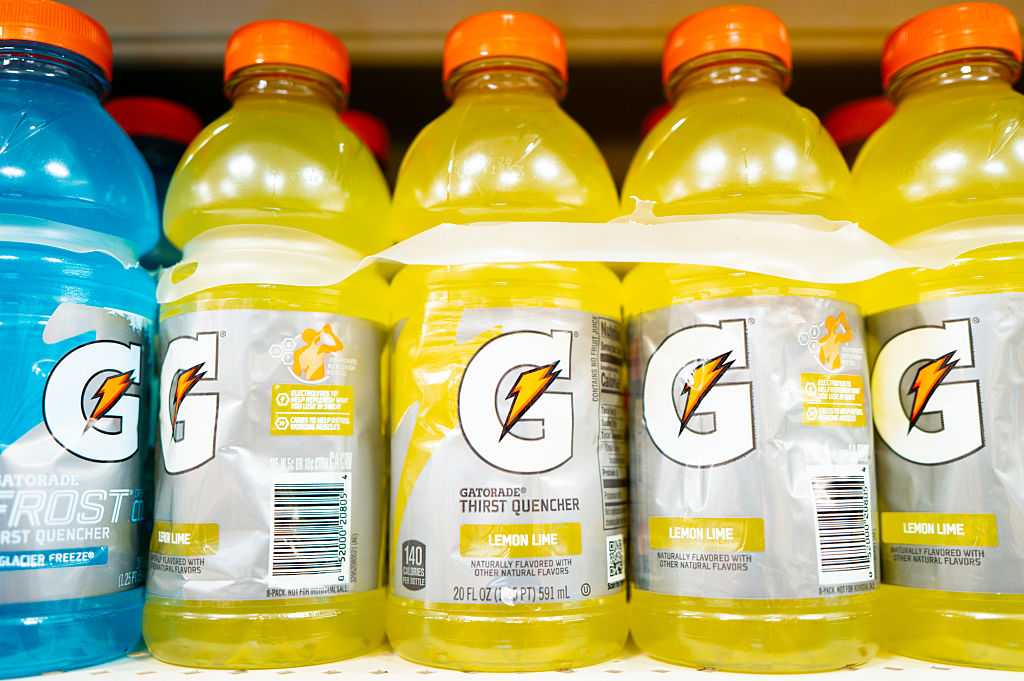
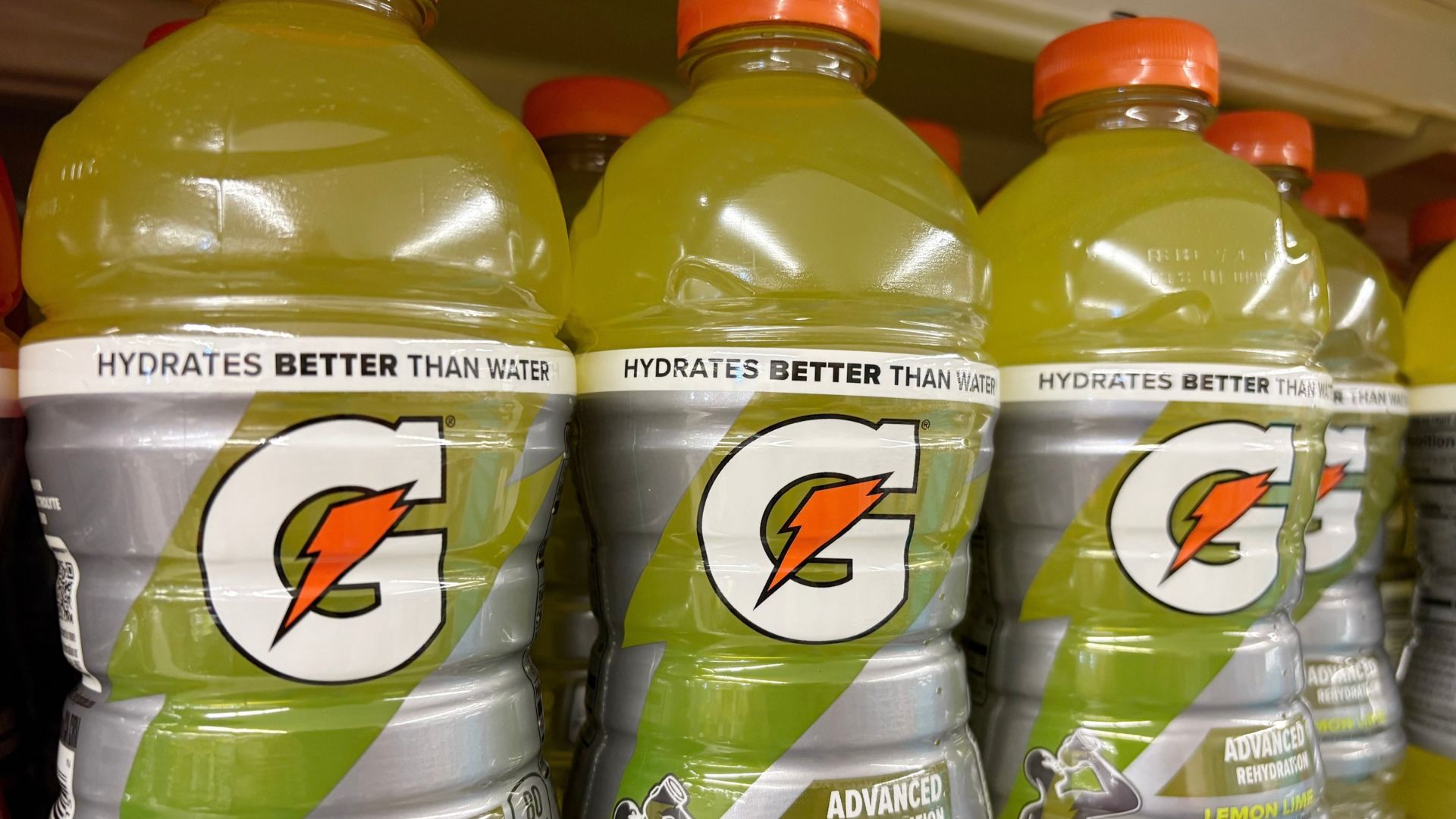
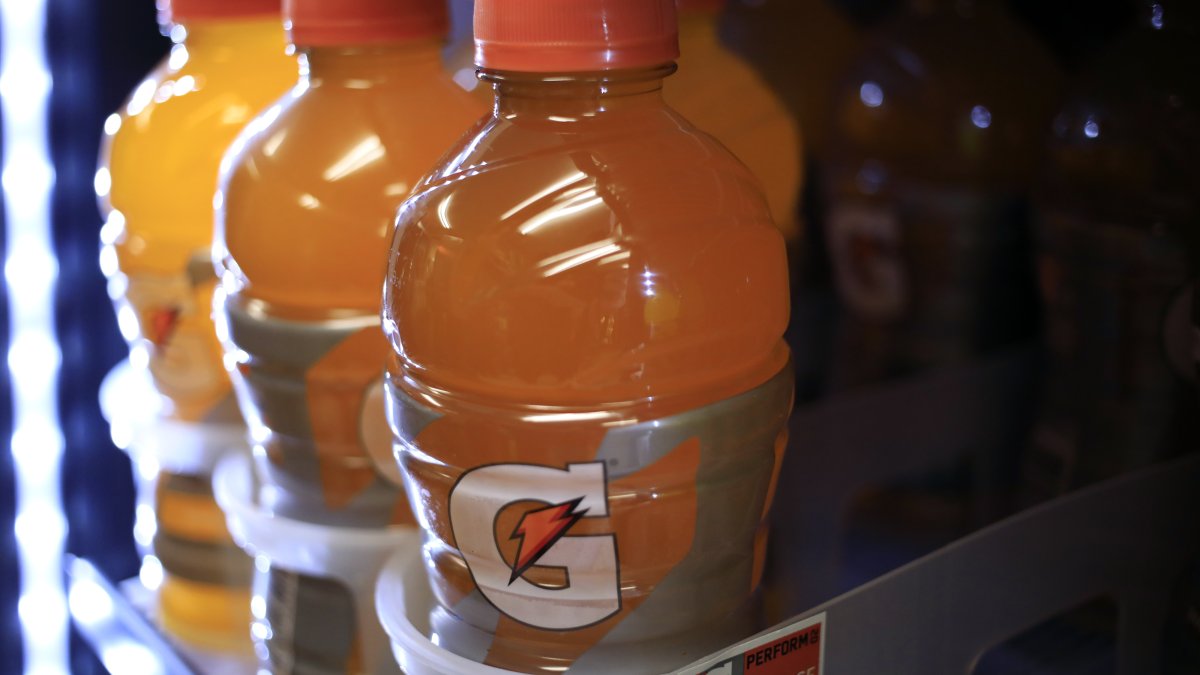
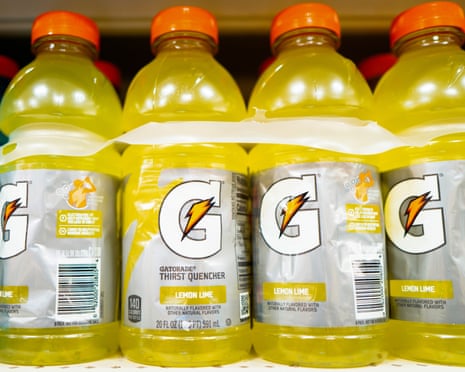
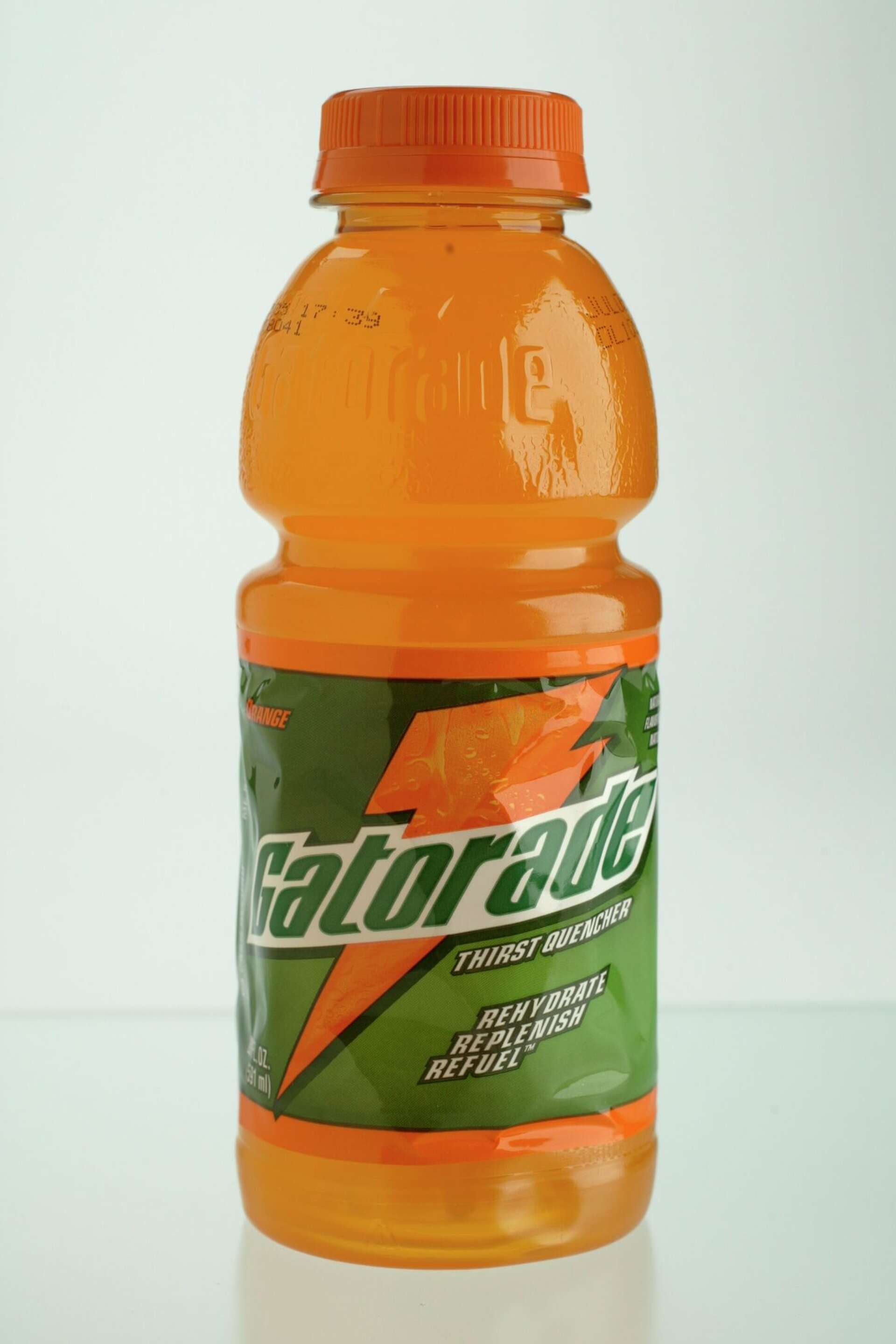
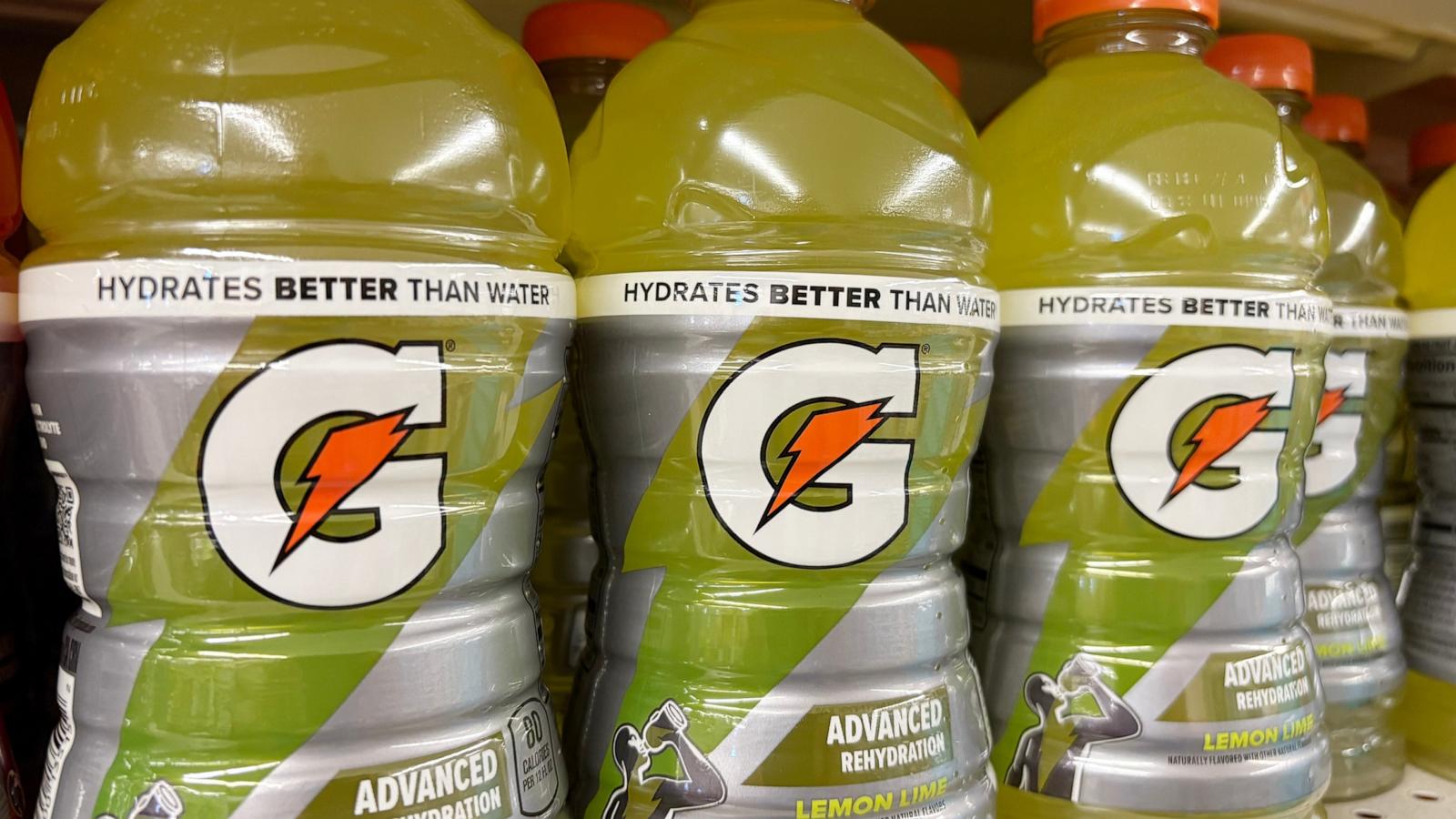
The Gatorade recall represents a critical compliance watershed moment for food and beverage sellers on major e-commerce platforms. On September 25, 2026, PepsiCo initiated a voluntary Class II FDA recall of 122,000+ cases of Gatorade (28oz bottles: Lemon Lime, Lemon Lime Zero, Orange, Orange Zero) distributed across 37 US states due to undeclared Yellow No. 5 and Yellow No. 6 food colorants. The FDA classified this as a Class II recall—indicating products "may cause temporary or medically reversible adverse health consequences"—with affected lot dates spanning April-June 2027. This labeling violation creates an immediate compliance crisis for cross-border e-commerce sellers stocking these products on Amazon, eBay, and Walmart marketplaces.
For e-commerce sellers, this recall establishes a new enforcement baseline for food and beverage labeling compliance. Sellers distributing affected Gatorade SKUs must immediately verify inventory against FDA lot date specifications and affected state lists, then execute rapid customer notification and product removal protocols. Non-compliance triggers cascading penalties: regulatory fines, mandatory product delisting, account suspension on major platforms, and reputational damage that depresses future sales velocity. The incident reveals that platform marketplaces now enforce FDA recall compliance as a core seller accountability metric—failure to respond within 48-72 hours can result in automatic account restrictions. This transforms food and beverage selling from a category with loose compliance monitoring into one requiring real-time FDA database integration and automated recall response systems.
The broader compliance implication: undeclared allergens and food additives now represent the highest-risk labeling category for sellers. Yellow No. 5 and No. 6 are common in processed beverages and foods, yet many third-party sellers source from suppliers with incomplete ingredient documentation. The recall demonstrates that even major brands like PepsiCo face enforcement gaps, suggesting smaller sellers with weaker supplier vetting face significantly higher risk. Sellers should immediately audit supplier agreements for ingredient declaration guarantees, implement lot-date tracking systems, and establish protocols for rapid FDA database monitoring. The 37-state distribution scope indicates this recall affects sellers across all major US markets (California, Texas, Florida, New York explicitly mentioned), making regional compliance strategies ineffective—national-level systems are now mandatory for food and beverage sellers.
Questions 7
Which seller segments face the highest risk from this recall?
Sellers in three segments face elevated risk: (1) Third-party beverage resellers stocking Gatorade across multiple SKUs without lot-date tracking systems; (2) Sellers in major markets (California, Texas, Florida, New York) where recall distribution is concentrated; (3) Sellers with weak supplier relationships who lack real-time ingredient documentation. Small sellers (1-50 SKUs) typically lack automated recall monitoring systems and face longer response times, increasing account suspension risk. Sellers should prioritize implementing FDA database integration tools and establishing supplier communication protocols to reduce compliance response time from days to hours.
What alternative beverage categories offer lower compliance risk?
Sellers seeking to reduce food and beverage compliance risk should consider: (1) Private-label beverages with direct manufacturer relationships (enabling ingredient control); (2) Organic/natural beverages with simpler ingredient lists and fewer synthetic additives; (3) Sports drinks from smaller brands with transparent supplier networks; (4) Functional beverages (electrolyte drinks, protein beverages) where ingredient documentation is typically more rigorous. These categories typically have 15-25% higher margins than mass-market beverages like Gatorade, offsetting the compliance investment required. Sellers should prioritize supplier relationships with documented ingredient transparency and FDA compliance certifications.