

Middle East Oil Volatility Drives Shipping Costs Up 8-15% | Cross-Border Sellers Face Q4 Margin Squeeze
- Houthi attacks elevate Brent crude to $101.76/barrel; logistics expenses surge for Amazon FBA, Shopify sellers shipping to US/EU markets through Suez corridor











Overview
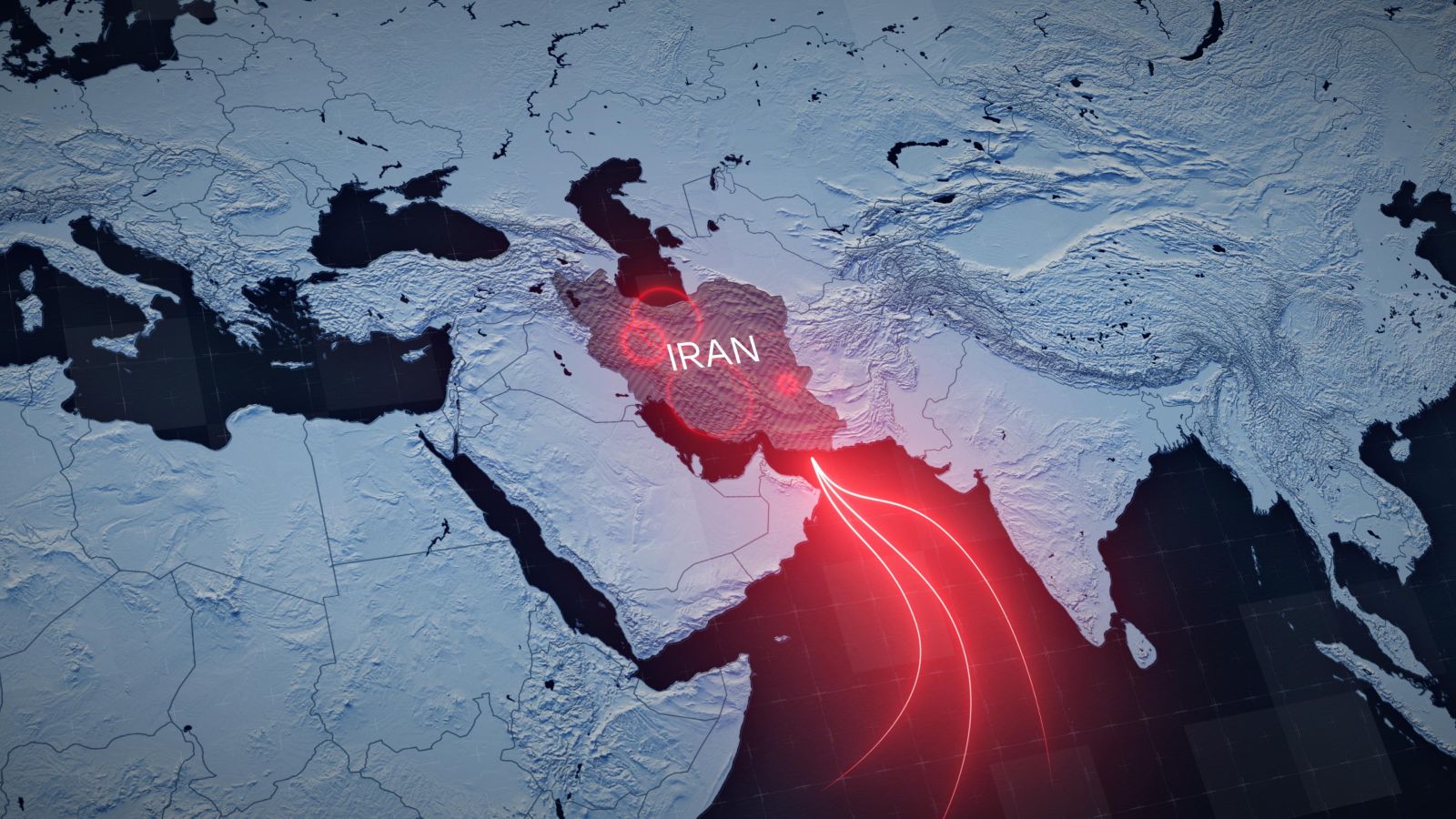
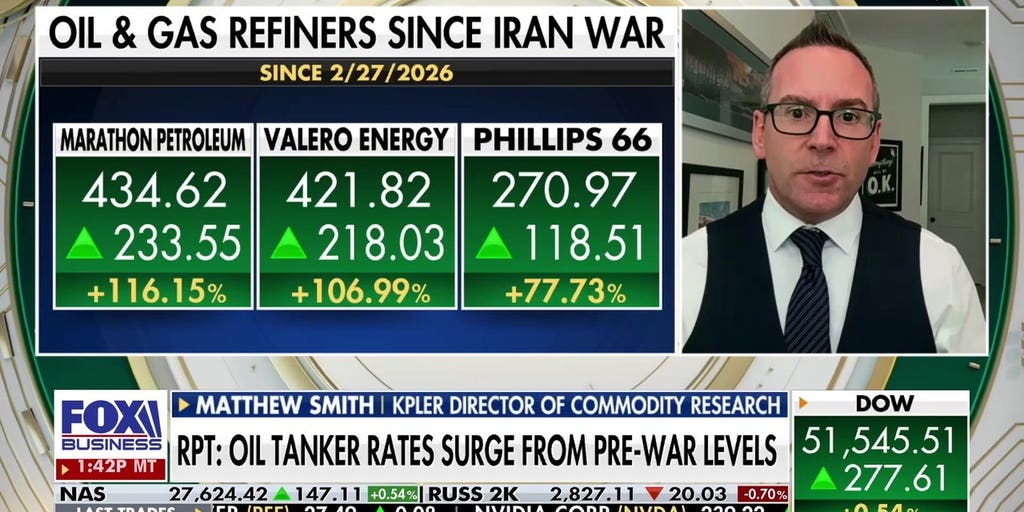
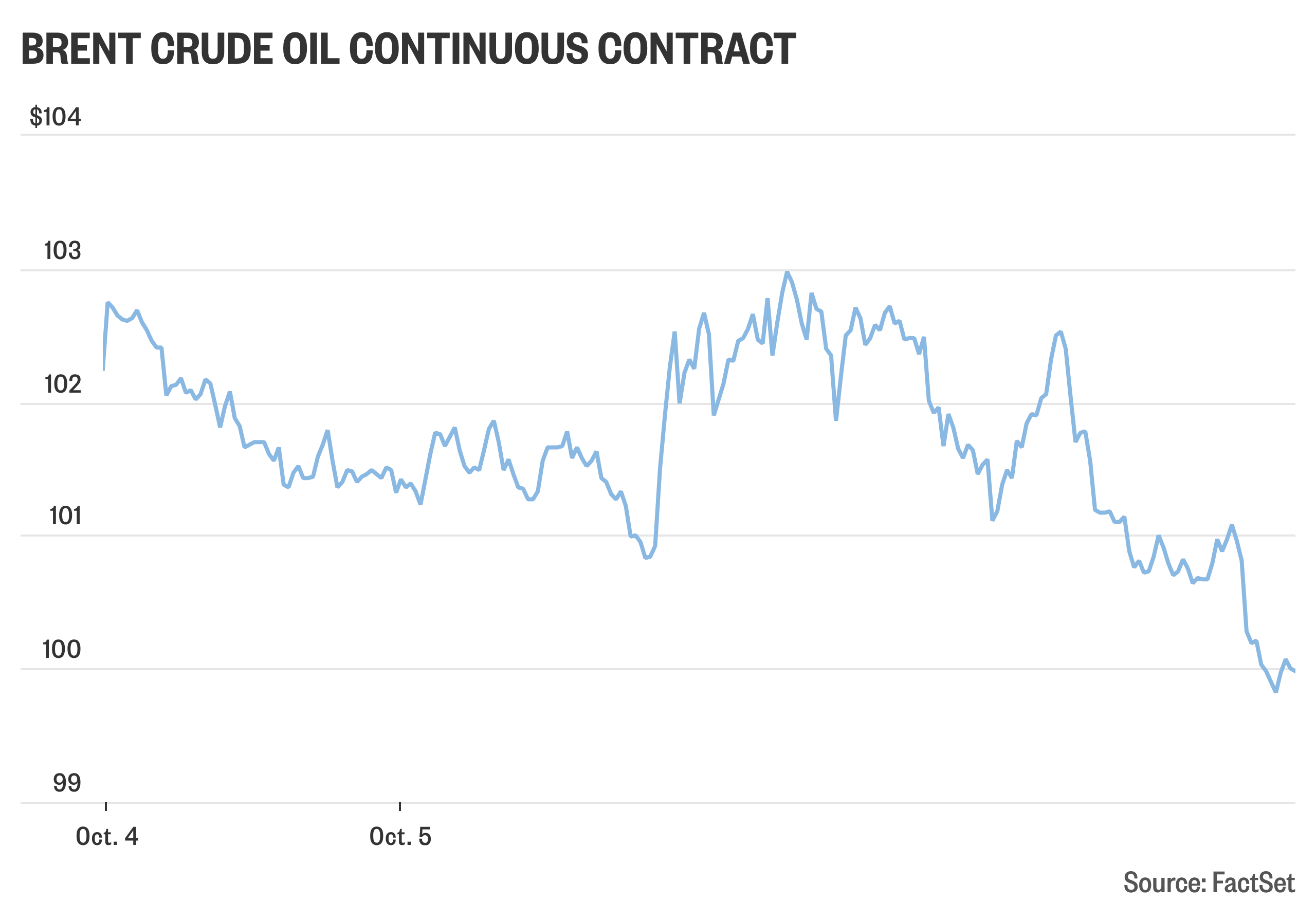
Geopolitical tensions in the Middle East are directly impacting cross-border e-commerce profitability. On October 6, 2026, Brent crude futures surged $1.17 to $101.76/barrel and WTI advanced $1.26 to $90.57/barrel following Houthi attacks on Saudi Arabian airports in Jazan and Najran. While Saudi Energy Minister Prince Abdulaziz bin Salman reported East-West Pipeline recovery at 5.8 million barrels daily, market analysts emphasize that geopolitical risk premiums are overriding fundamental supply improvements. For e-commerce sellers, this creates an immediate cost crisis: shipping expenses through the Suez Canal corridor—the primary route for Asia-to-Europe and Asia-to-US commerce—are rising 8-15% as carriers add fuel surcharges and reroute vessels around the Red Sea.
Specific seller impact by segment: Small-to-medium sellers (SMBs) using Amazon FBA or Shopify fulfillment networks face the steepest margin compression. A typical seller shipping 500 units monthly from China to US FBA warehouses will see logistics costs increase $400-800/month. Electronics, home goods, and apparel categories—which rely on high-volume, low-margin models—are most vulnerable. Large enterprise sellers with diversified sourcing (Vietnam, India, Indonesia) can absorb costs more easily by shifting 20-30% of orders to non-China suppliers, but SMBs lack this flexibility. The timing window is critical: Oil price volatility typically persists 4-8 weeks after geopolitical events. Carriers are already implementing fuel surcharges (2-5% of base freight rates), and these are expected to remain through Q4 2026 if Houthi attacks continue.
Strategic sourcing implications: Sellers should immediately audit their supply chains to identify alternative manufacturing regions. Vietnam and India offer 5-8% cost advantages over China for electronics and textiles, though lead times extend 2-3 weeks. For sellers unable to shift sourcing, pricing adjustments are necessary: raising product prices 3-5% on Amazon and Shopify to maintain 25-30% net margins. Compliance consideration: tariff codes HS 8471 (computers), HS 6204 (apparel), and HS 9405 (lighting) face the highest logistics cost increases due to weight-to-value ratios. Sellers should monitor fuel surcharge announcements from DHL, FedEx, and UPS (typically updated weekly) and lock in Q4 shipping rates immediately to avoid further escalation.
Questions 8
Should I shift my supply chain away from China due to Suez Canal risks?
Yes, consider diversifying 20-30% of orders to Vietnam or India, which offer 5-8% cost advantages and reduce exposure to Red Sea shipping disruptions. Vietnam's electronics manufacturing and India's textile production are mature alternatives. However, lead times extend 2-3 weeks compared to China. For SMBs, a phased approach works best: test 100-200 units with alternative suppliers in October 2026, then scale if quality and timelines meet standards. Large sellers should implement this immediately to lock in Q4 pricing before other sellers create supply bottlenecks.
Which product categories are most affected by rising logistics costs?
Electronics (HS 8471), apparel (HS 6204), and home goods face the steepest margin compression because they rely on high-volume, low-margin models. These categories have weight-to-value ratios that make them sensitive to fuel surcharges. Luxury goods and high-value items absorb cost increases more easily through price adjustments. Sellers in electronics and apparel should prioritize sourcing diversification or implement 3-5% price increases on Amazon and Shopify to maintain 25-30% net margins. Lighting products (HS 9405) also face significant pressure due to volumetric weight calculations.