





AI Demand Drives Semiconductor Shortage & Inflation Risk | E-Commerce Sellers Face Rising Costs Through 2025-2026
- AI infrastructure competing with consumer electronics for chip supplies; forward contracts signal 2-3 year supply constraints; sellers in electronics, appliances, smart home categories face 8-15% COGS increases









Overview
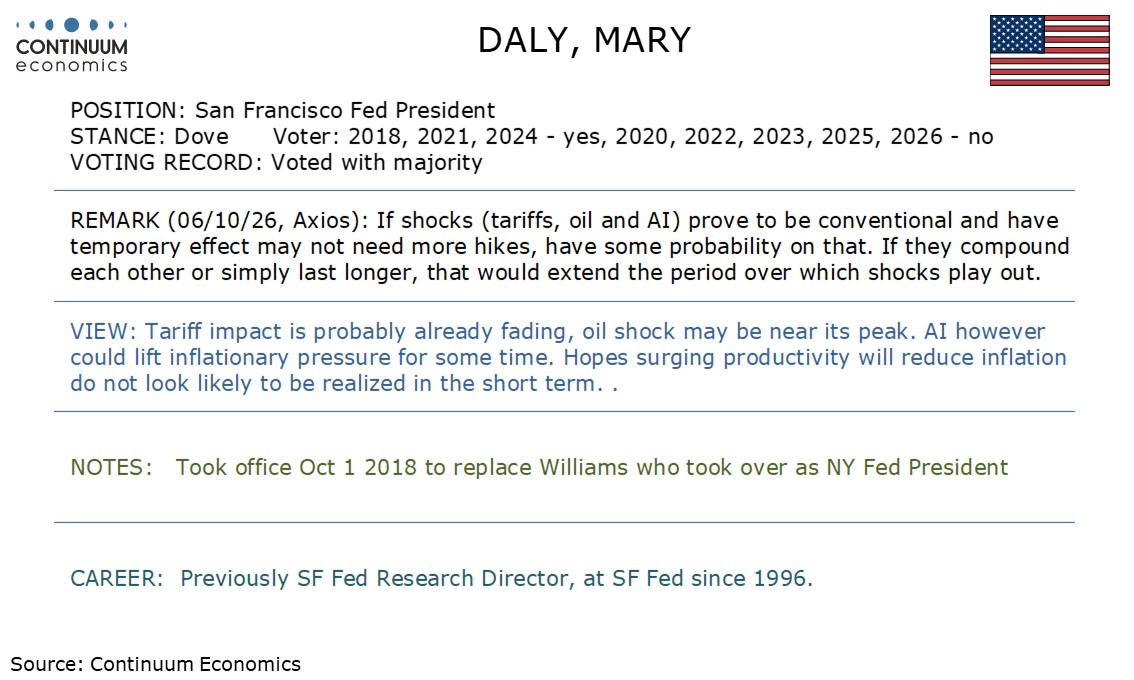
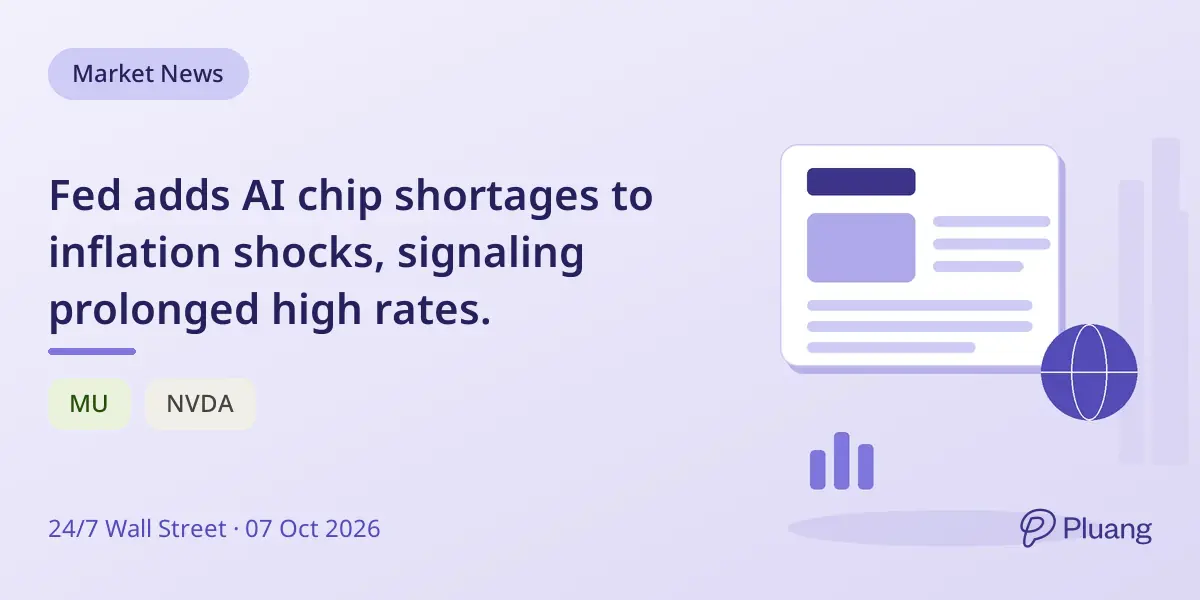
The Federal Reserve faces a structural inflation challenge as AI demand reshapes semiconductor markets, creating unprecedented supply constraints that extend far beyond typical 1-3 year shock cycles. San Francisco Fed President Mary Daly warns that AI-driven pressure on semiconductor and technology prices could persist for years, not quarters. The critical finding: companies are negotiating forward contracts for memory chips—historically uncommon in fast-depreciating markets—signaling genuine supply anxiety. This represents a fundamental shift in how businesses secure critical components.
For e-commerce sellers, this creates a multi-layered operational crisis. First, semiconductor scarcity directly impacts product costs: electronics, smart home devices, appliances, and automotive components all compete for limited chip supplies. Sellers sourcing from Asia (particularly Taiwan, South Korea) face 8-15% COGS increases as manufacturers prioritize AI infrastructure over consumer goods. Second, inflation persistence threatens margin compression: the Fed's September rate hike was necessary, but Daly signals openness to pausing future hikes only if geopolitical shocks stabilize. This uncertainty makes inventory financing expensive—sellers relying on credit lines face 7-9% borrowing costs versus 3-4% pre-2023 levels. Third, smaller companies investing in AI are rate-sensitive, meaning sellers using AI tools for automation (product research, pricing optimization, customer service) face higher operational costs, while mega-platforms (Amazon, Google, Meta) continue aggressive AI spending regardless of rates, creating competitive asymmetry.
The platform acceleration angle is critical: continued AI investment by Amazon, Shopify, and TikTok Shop will accelerate feature rollouts and algorithmic changes affecting seller visibility. Amazon's A9 search algorithm improvements, dynamic pricing tools, and automated advertising systems are being enhanced with AI, requiring sellers to adopt complementary AI tools just to maintain Buy Box competitiveness. This creates a cost-of-doing-business escalation: sellers must invest in AI-powered product research tools, pricing optimization software, and demand forecasting to compete, while simultaneously managing higher inventory financing costs and COGS inflation.
The supply chain reengineering signal is actionable: Daly notes firms are "reengineering products to reduce chip dependency," indicating a strategic shift toward lower-tech alternatives. Sellers can capitalize on this by identifying product variants with reduced electronics content—mechanical alternatives, non-smart versions of smart products, or simplified feature sets that maintain functionality while reducing semiconductor exposure. This creates a 6-12 month window to develop and launch these variants before competitors saturate the market.
Questions 8
Will the Fed raise interest rates again, and how does that affect my seller financing costs?
Fed President Daly signals the need for additional rate hikes depends on how economic shocks develop—including tariffs, Middle East oil prices, and AI demand. The Fed's data-dependent approach means future decisions remain uncertain. However, the structural challenge is clear: major AI companies show limited sensitivity to rate increases, while smaller companies (including most e-commerce sellers) are highly rate-sensitive. Current borrowing costs for seller financing are 7-9% versus 3-4% pre-2023 levels. If the Fed pauses rate hikes due to geopolitical stabilization, financing costs may stabilize; if shocks compound, rates could rise further. Sellers should lock in fixed-rate financing now rather than relying on variable-rate credit lines.
How will AI demand for semiconductors affect my electronics inventory costs in 2025?
AI infrastructure is competing directly with consumer electronics for limited semiconductor supplies, creating a structural shortage that Fed President Daly warns could persist for years rather than quarters. Companies are now negotiating forward contracts for memory chips—historically rare in fast-depreciating markets—indicating genuine supply anxiety. For sellers sourcing electronics, smart home devices, or appliances from Asia, expect 8-15% COGS increases through 2025-2026. The primary risk: AI hardware demand could recreate pandemic-era bottleneck scenarios. Sellers should immediately audit their supply chains to identify which products have highest chip exposure and consider negotiating long-term contracts with suppliers now, before prices escalate further.