






Amazon October Prime Big Deal Days | 133+ Deals Reveal Seller Pricing Strategy Opportunities
- October event features 70% markdowns across electronics, home goods, apparel; signals aggressive inventory clearance and competitive pricing pressure for Q4 sellers






















Overview
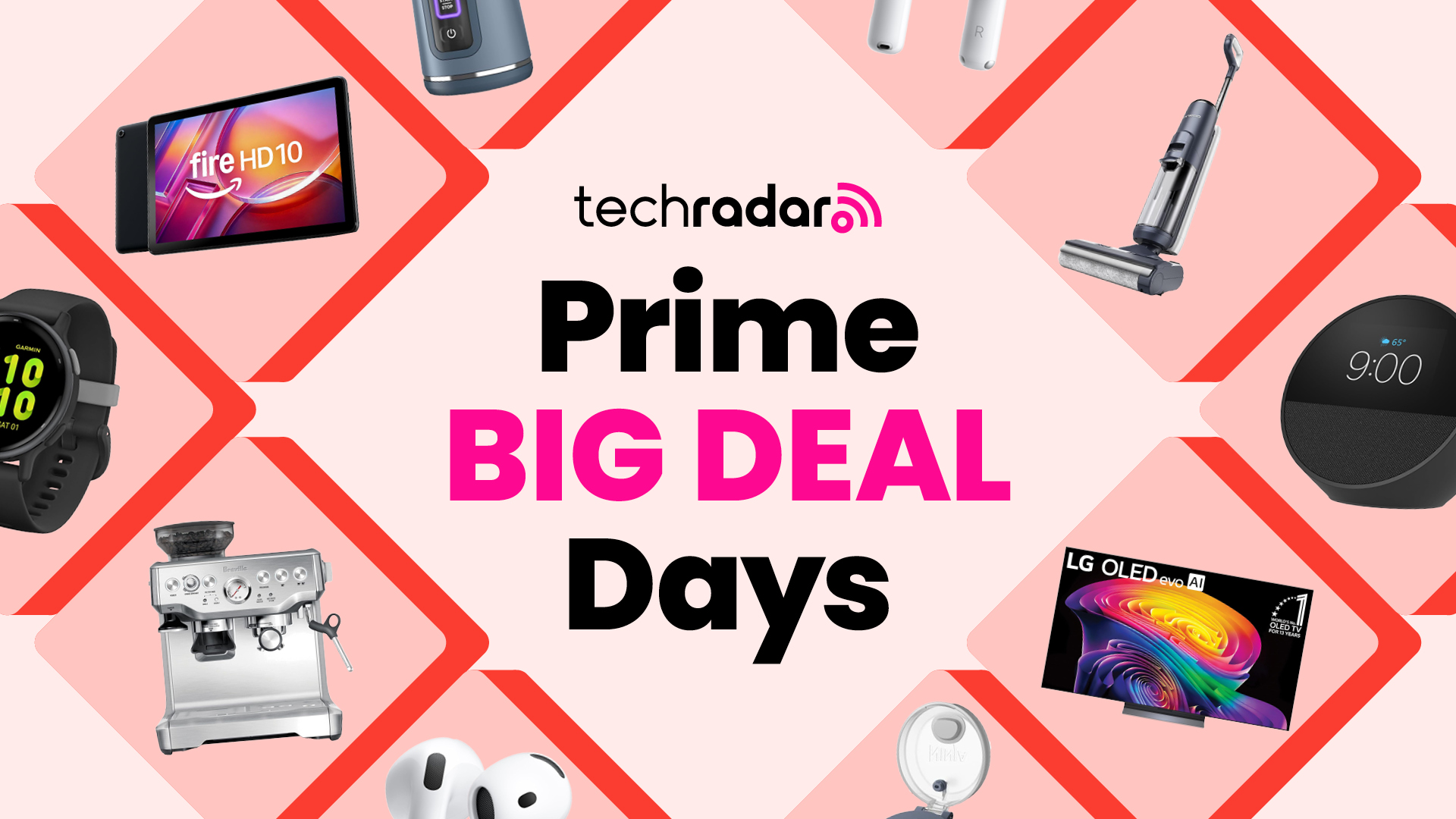
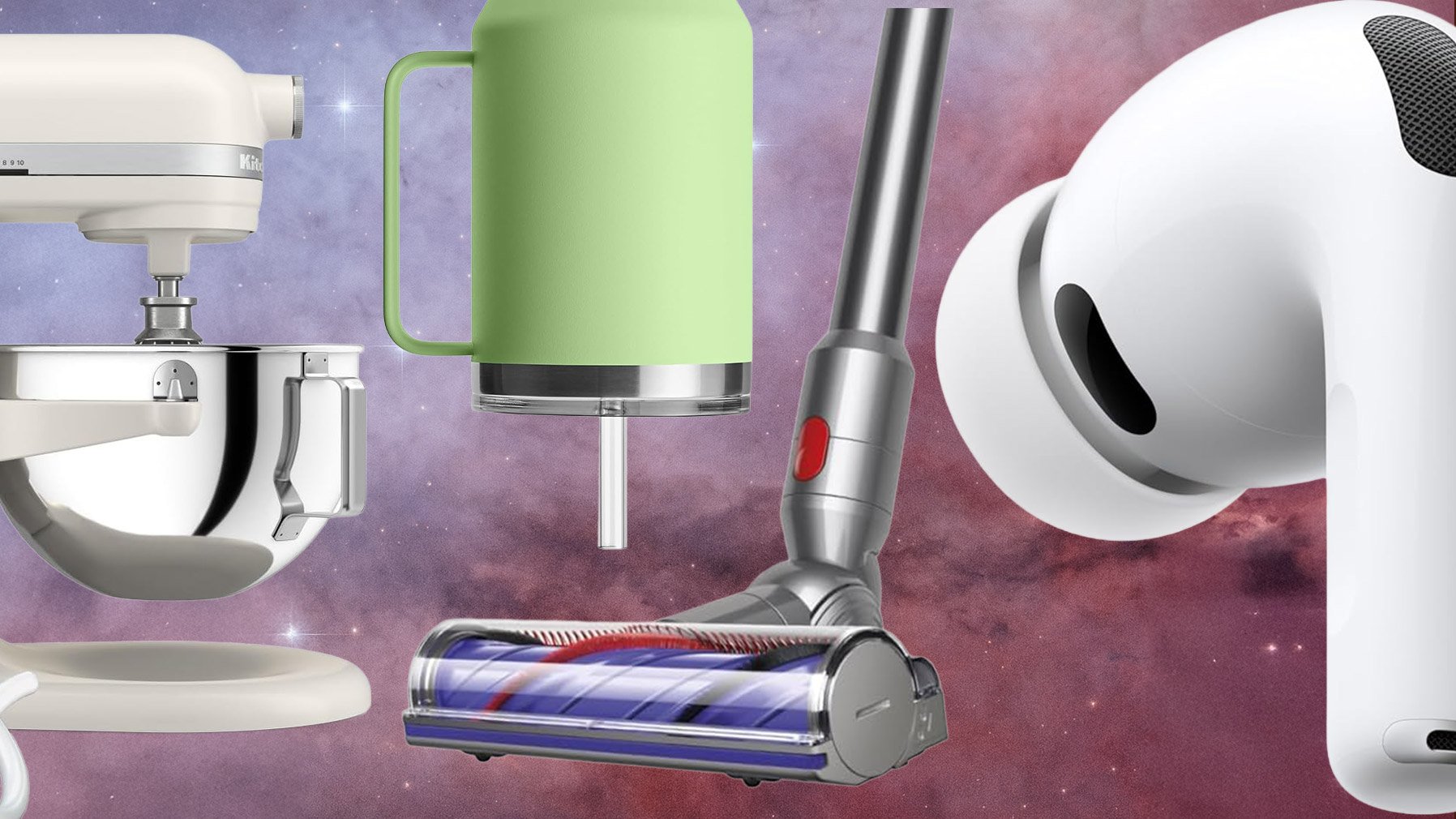
Amazon's October Prime Big Deal Days event represents a critical inflection point for third-party sellers navigating Q4 inventory management and competitive pricing dynamics. The event featured 133+ Prime Day-level deals with markdowns reaching 70% across multiple categories—including flagship products like Apple AirPods Pro 3 at $179 (70% off from $249), iRobot Roomba j15+ at $399 (50% off from $800), and Hanes bestseller hoodies at $10 (65% off from $28). This aggressive promotional calendar signals three key seller implications: (1) Amazon is using October events to clear summer/early-fall inventory ahead of holiday season, creating margin compression for third-party sellers competing on price; (2) Brand-name products are experiencing first-time or lowest-price-of-year discounts, indicating Amazon's willingness to sacrifice per-unit margins to drive Prime membership engagement and holiday shopping momentum; (3) The 24-hour flash deal format creates urgency-driven consumer behavior, rewarding sellers with optimized listings, competitive pricing strategies, and fast inventory turnover.
For third-party sellers, this event reveals critical competitive intelligence about Amazon's pricing floor and category priorities. The featured categories—electronics (Apple Watch Series 12 at $49 off, USB-C chargers), home appliances (Dyson V8 at $120 off, Ninja air fryers), and apparel (Carhartt, Dr. Scholl's)—represent high-volume, low-margin categories where Amazon leverages first-party inventory and brand partnerships to set price ceilings. Sellers in these categories face immediate margin pressure: competing on identical products requires matching or beating these promotional prices, while private-label alternatives must offer 15-25% better value propositions to capture Buy Box share. The Hanes hoodie example is particularly instructive—Amazon's #1 bestseller with 60,000+ five-star ratings at $10 demonstrates that volume-driven, low-price positioning dominates apparel category rankings, making premium or differentiated products harder to rank without heavy PPC investment.
The operational impact extends beyond pricing to inventory planning and cash flow management. Sellers observing these October promotions should recognize that Amazon is signaling aggressive holiday season competition: if October deals reach 70% discounts, November-December promotions will likely match or exceed these levels. This requires sellers to (1) pre-position inventory by mid-October to avoid stockouts during peak promotional windows; (2) lock in supplier costs now before holiday season price increases; (3) stress-test profit margins assuming 40-50% discount scenarios in November-December; (4) diversify platform exposure to eBay, Walmart, and Shopify to reduce Amazon-specific promotional dependency. The 205+ tracked deals across NBC News and CNN Underscored coverage indicate mainstream media amplification of Amazon's promotional calendar, driving consumer expectations for sustained discounting through year-end.
Questions 8
How does Amazon's October event impact third-party seller margins in electronics and apparel categories?
The October event creates immediate margin compression for sellers competing in featured categories. Electronics (Apple Watch, USB-C chargers) and apparel (Hanes, Carhartt, Dr. Scholl's) experienced 50-70% discounts, establishing new price ceilings that third-party sellers must match to compete for Buy Box share. Sellers in these categories face two options: (1) match Amazon's promotional pricing and accept lower per-unit margins, or (2) differentiate with private-label alternatives offering 15-25% better value. The Hanes hoodie example—Amazon's #1 bestseller with 60,000+ ratings at $10—demonstrates that volume-driven, low-price positioning dominates category rankings, making premium products harder to rank without significant PPC investment.
What does Amazon's October Prime Big Deal Days event reveal about Q4 pricing strategy for sellers?
Amazon's October event with 70% markdowns signals aggressive inventory clearance and sets pricing expectations for Q4. The featured deals—AirPods Pro 3 at $179 (70% off), iRobot Roomba at $399 (50% off), Hanes hoodies at $10 (65% off)—indicate Amazon is willing to sacrifice per-unit margins to drive Prime membership and holiday shopping momentum. For third-party sellers, this means Q4 promotions will likely match or exceed these discount levels, requiring sellers to assume 40-50% discount scenarios when planning November-December inventory and pricing strategies. Sellers should lock in supplier costs immediately and stress-test profit margins against these promotional benchmarks.