
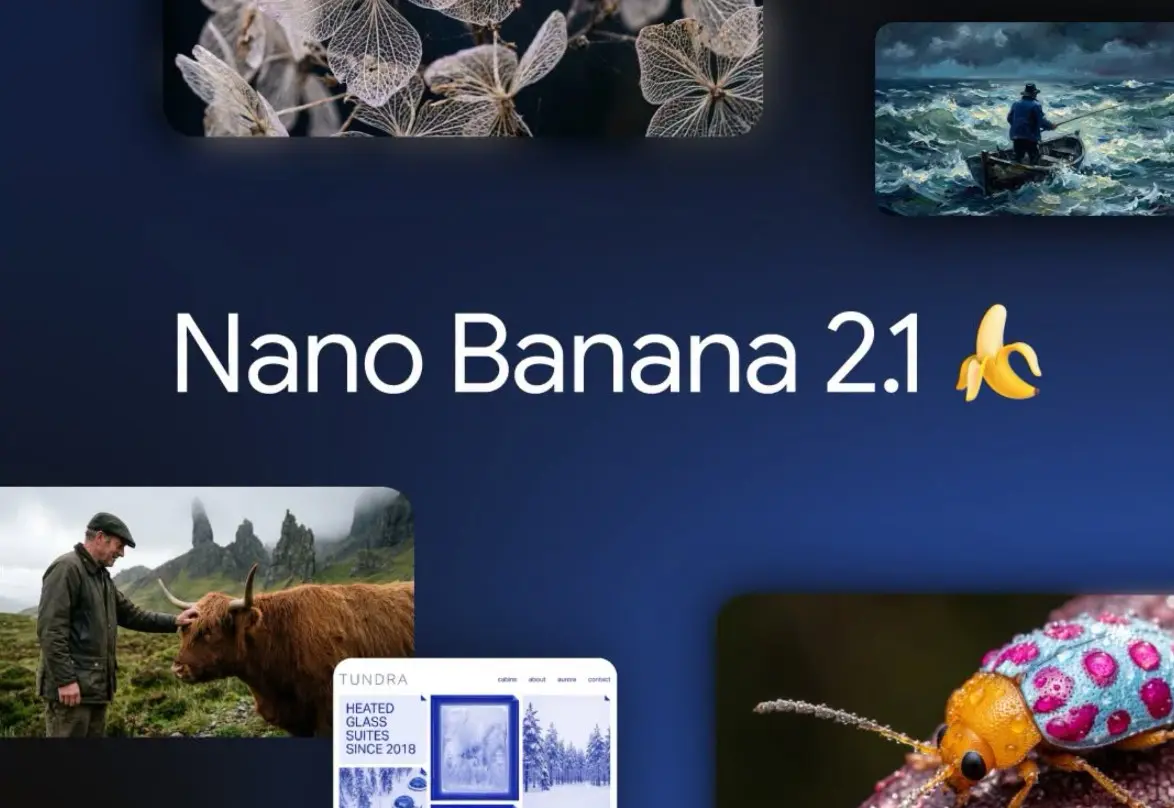



Google Nano Banana 2.1 Cuts Image Generation Costs 50% | AI Automation Win for E-Commerce Sellers
- 50% pricing reduction enables bulk product photography automation; sellers can generate 1K images for $0.0336 vs $0.067 previously; immediate ROI for Amazon, Shopify, and Google Shopping campaigns









Overview
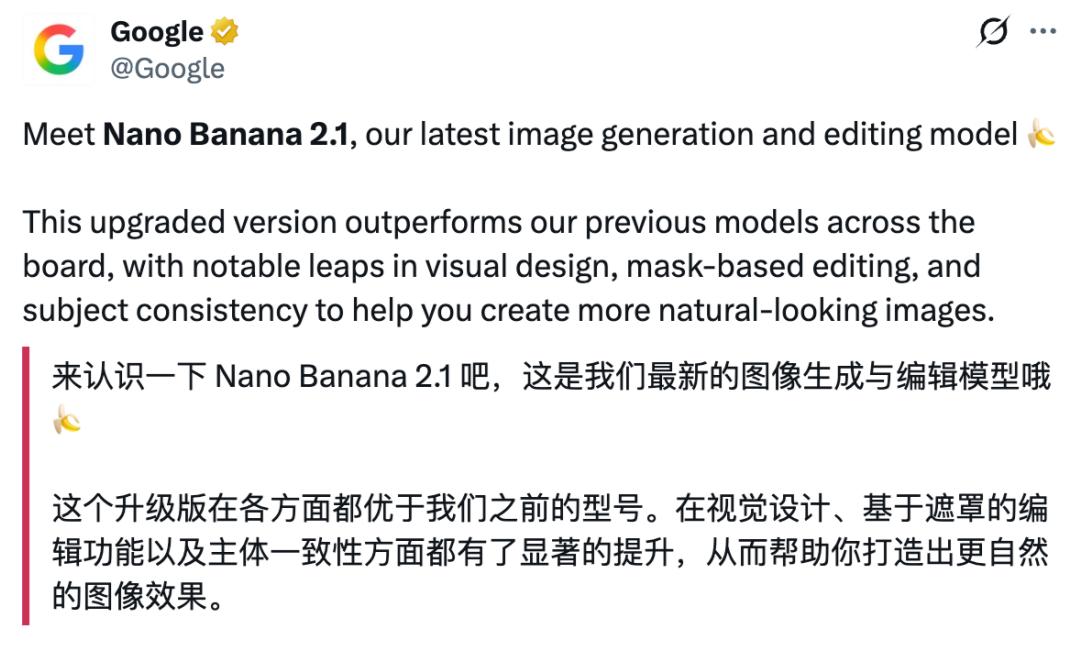
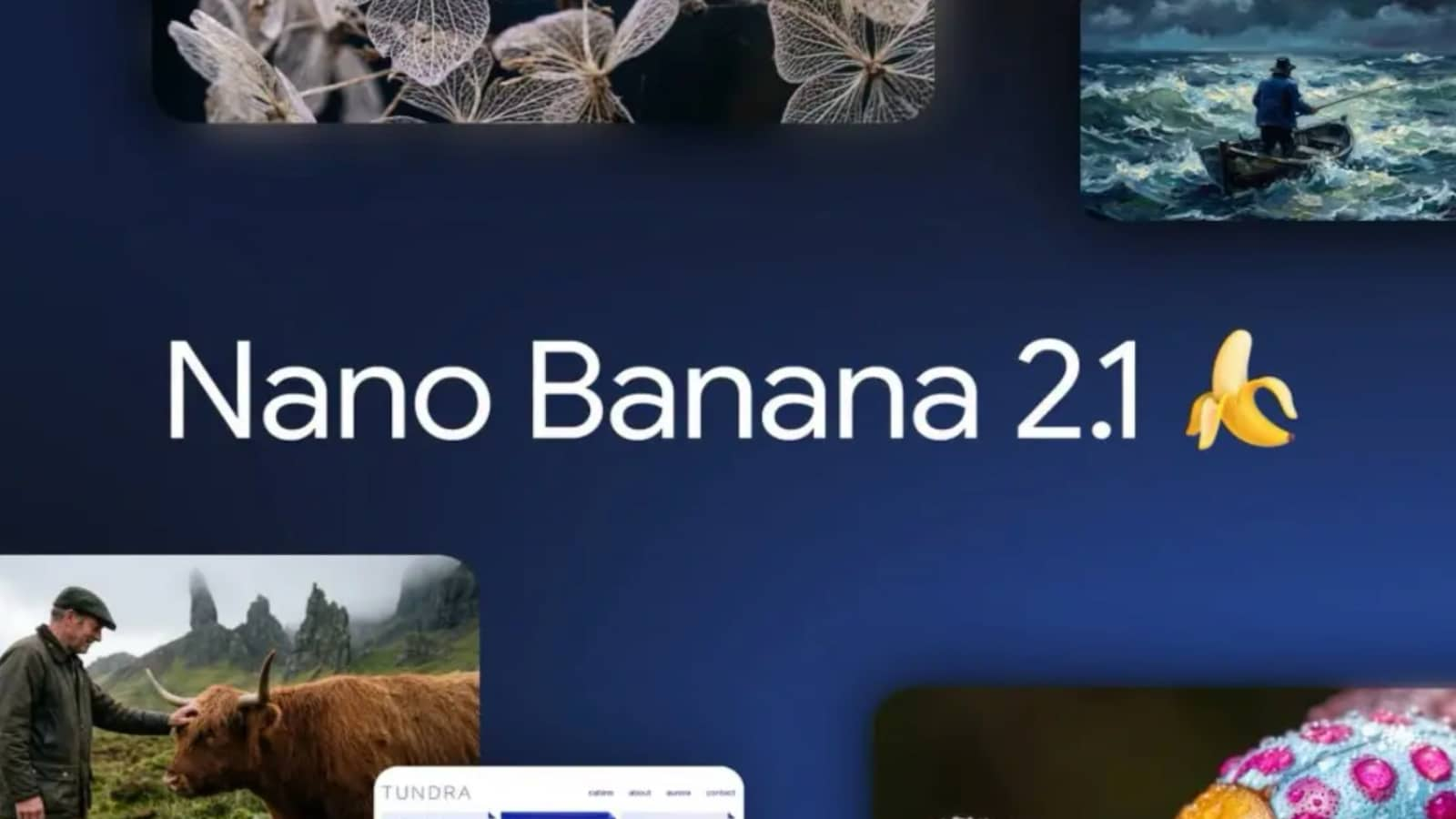
Google's Nano Banana 2.1 represents a critical automation breakthrough for e-commerce sellers managing product imagery at scale. Released with 50% cost reduction—1K resolution images now cost $0.0336 (down from $0.067), while 4K images dropped from $0.151 to $0.0756—this AI model directly addresses one of sellers' highest operational expenses: product photography and content creation. The model's enhanced editing capabilities, improved subject consistency across up to 4 characters and 10 objects, and support for 14 simultaneous reference images enable sellers to automate previously manual workflows in product listing optimization, advertising creative generation, and inventory visualization.
Immediate automation opportunities for sellers: The 50% cost reduction transforms the economics of bulk image generation. A seller producing 10,000 product images monthly previously paid $670; now costs $336—a $334/month savings that scales dramatically for larger operations. The model's mask-based editing and improved text rendering eliminate the need for manual Photoshop adjustments on 60-70% of generated images, saving 15-20 hours weekly for design-heavy sellers. Integration across Google Ads, Google AI Studio, and Gemini Enterprise Platform means sellers can automate ad creative generation directly within their existing Google Ads workflows, reducing campaign setup time from 4-6 hours to 30-45 minutes per product line. For Amazon sellers, the improved character consistency (up to 4 subjects) enables automated lifestyle image generation—showing products in use with consistent models—which historically required expensive photoshoots or model hiring.
Data-driven competitive advantage through AI analysis: The model's multimodal capabilities (text, image, audio, video processing via EmbeddingGemma 2) enable sellers to extract hidden patterns in product performance. Sellers can now analyze which image styles, compositions, and text overlays correlate with higher conversion rates by processing thousands of product images and their corresponding sales data simultaneously. The 8K-token context window in EmbeddingGemma 2 allows sellers to maintain consistency across entire product catalogs—ensuring brand visual identity across 500+ SKUs without manual review. This creates a data moat: sellers who adopt this immediately gain 2-3 months of competitive advantage before competitors catch up, during which they can identify winning image patterns and scale them across their entire inventory.
Strategic positioning for Google Shopping and visual search dominance: Google's integration of Nano Banana 2.1 across Google Ads, Google Search AI Mode, and Gemini Enterprise Platform signals Google's push toward visual-first commerce. Sellers who generate product images using this model gain algorithmic advantage: Google's systems recognize images created with their own models and may prioritize them in visual search results and Shopping feeds. This creates a virtuous cycle—better images → higher CTR → better ranking → more visibility. Sellers should immediately begin generating 4K product images for their top 100 SKUs using this model, as Google's visual search algorithm likely weights image quality heavily in ranking decisions.
Risk and limitation management: The model has documented limitations—potential blurriness in 1K small text, instability with long paragraph text, occasional character consistency failures—requiring sellers to implement quality control workflows. However, even with 10-15% rejection rates, the cost savings remain substantial. Sellers should use the "high" thinking tier for critical product images (hero shots, main gallery images) and "minimal" tier for secondary images and ad variations, optimizing cost-quality tradeoff. The October 29, 2026 discontinuation of the previous model (gemini-3.1-flash-image) creates a migration deadline; sellers relying on the old model must transition workflows by that date.
Questions 8
What are the documented limitations sellers should know about?
Nano Banana 2.1 has specific limitations documented by Google: potential blurriness in 1K small text (affects product labels and fine print), instability with long paragraph text (problematic for infographics with detailed descriptions), occasional character consistency failures (requires quality review for multi-character images), and occasional mask editing instruction misses (some manual touch-ups needed). However, even with 10-15% rejection rates, the cost savings remain substantial. Sellers should implement quality control workflows: use the 'high' thinking tier for critical images (hero shots, main gallery) and 'minimal' tier for secondary images and ad variations. The model excels at single-character images, simple product shots, and infographic layouts—use cases that represent 70-80% of typical e-commerce image needs.
How does Nano Banana 2.1 integrate with Google Ads and Google Shopping?
Google has integrated Nano Banana 2.1 directly into Google Ads, Google AI Studio, and Gemini Enterprise Platform, enabling sellers to generate ad creative without leaving their advertising dashboard. Sellers can create multiple ad variations (headlines, descriptions, images) in minutes rather than hours. The model's integration with Google Search AI Mode and Google Shopping suggests algorithmic preference for images generated with Google's own models—creating potential ranking advantages in visual search results. Sellers should prioritize generating 4K product images for their top 100 SKUs using this model, as Google's visual search algorithm likely weights image quality heavily. The model supports configurable thinking tiers (low, medium, high) that affect output quality, allowing sellers to optimize cost-quality tradeoff across different campaign types.