


Global Markets Navigate Uncertain Monetary Policy Crossroads
- Central Bank Decisions Spark Investor Recalibration Across Currency and Equity Markets




















Overview
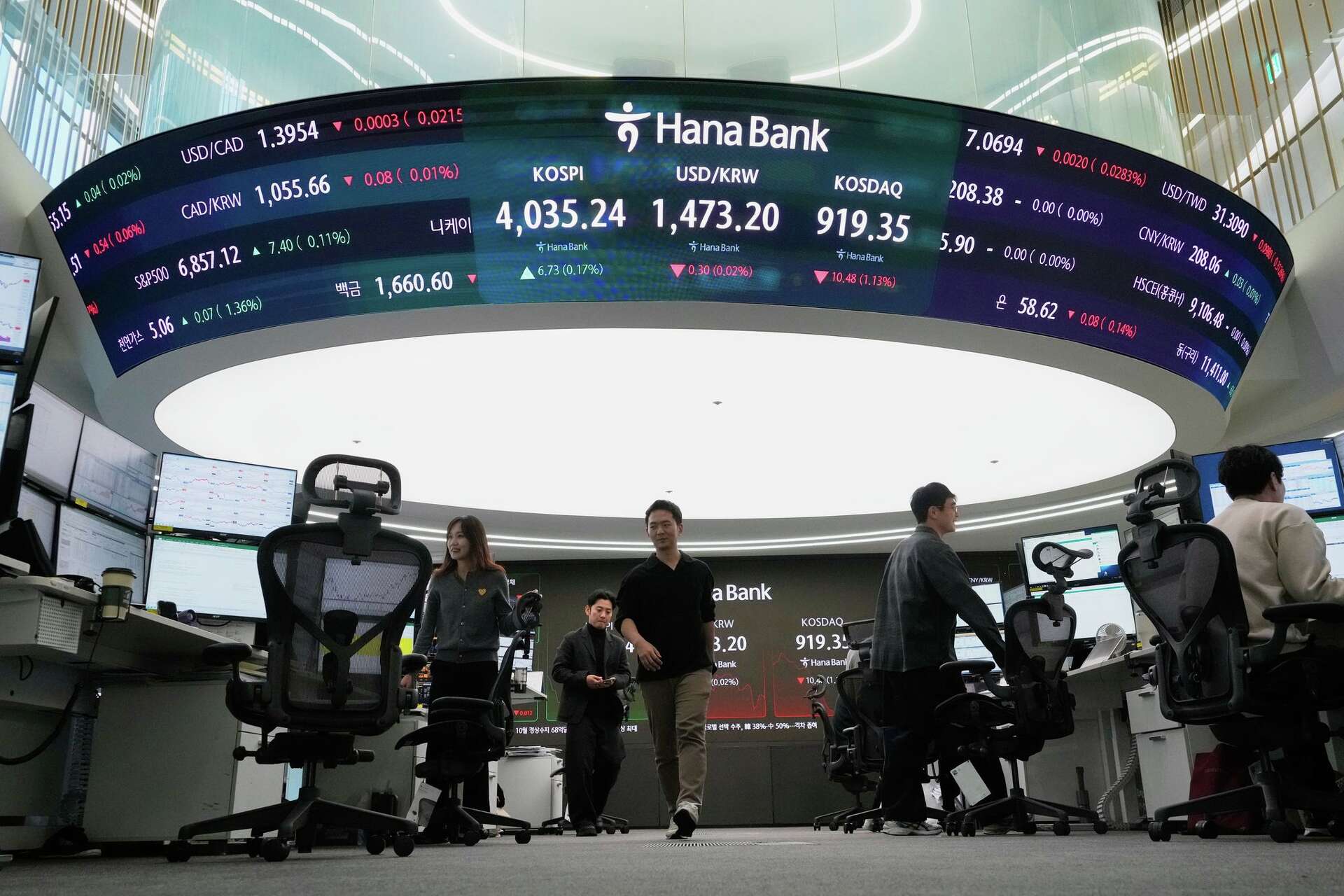
Global financial markets are experiencing a critical inflection point, characterized by heightened uncertainty and strategic repositioning ahead of pivotal economic data releases and central bank meetings. The current landscape reveals a complex monetary policy puzzle where investors are meticulously parsing potential shifts in interest rate trajectories.
Monetary Policy Uncertainty Drives Market Volatility: The Federal Reserve's nuanced stance—indicating only one potential rate cut in 2026 while markets anticipate at least two cuts next year—creates a delicate equilibrium. This disconnect signals investors' sensitivity to potential data surprises that could dramatically reprice interest rate expectations. The dollar index hovering near recent lows and Asian stocks tumbling underscore the market's fragile sentiment.
Central Bank Divergence Emerges as Key Trend: The upcoming policy decisions from major central banks highlight a fascinating divergence. The Bank of England is expected to cut rates, the Bank of Japan might hike rates, and the European Central Bank is likely to maintain current rates. This asynchronous monetary approach introduces significant currency market volatility, with the euro reaching its highest level since early October. Commodity markets further reflect this uncertainty, with oil prices declining amid geopolitical tensions and oversupply concerns.
The overarching narrative suggests a 'mini reset' of macroeconomic expectations. Investors are no longer passively waiting but actively recalibrating their strategies based on granular economic signals. The upcoming U.S. employment and inflation reports will serve as critical inflection points, potentially reshaping investment strategies across global markets.
Strategic implications are profound: financial leaders must develop adaptive risk management frameworks that can quickly respond to rapid monetary policy shifts. Prepare for increased market volatility, maintain flexible investment portfolios, and closely monitor central bank communications for early signals of strategic changes.
Questions 3
How might the divergent central bank policies impact global investment strategies?
The asynchronous monetary approaches from the Bank of England, Bank of Japan, and ECB create significant currency market opportunities. Investors should develop flexible portfolios that can quickly adapt to different interest rate environments, focusing on hedging strategies and cross-border investment diversification.
What are the key economic indicators investors should watch in the coming months?
Investors should closely monitor U.S. employment reports, inflation data, and central bank communications. The Federal Reserve's potential rate cut strategy and upcoming economic indicators will be critical in determining market sentiment and investment positioning.