



Google SynthID Detector Goes Public | AI Content Verification Now Critical for E-Commerce Sellers
- Google's public SynthID launch processes 1M+ daily verification requests; sellers using AI-generated product images face content flagging risks and must implement dual-content strategies















Overview
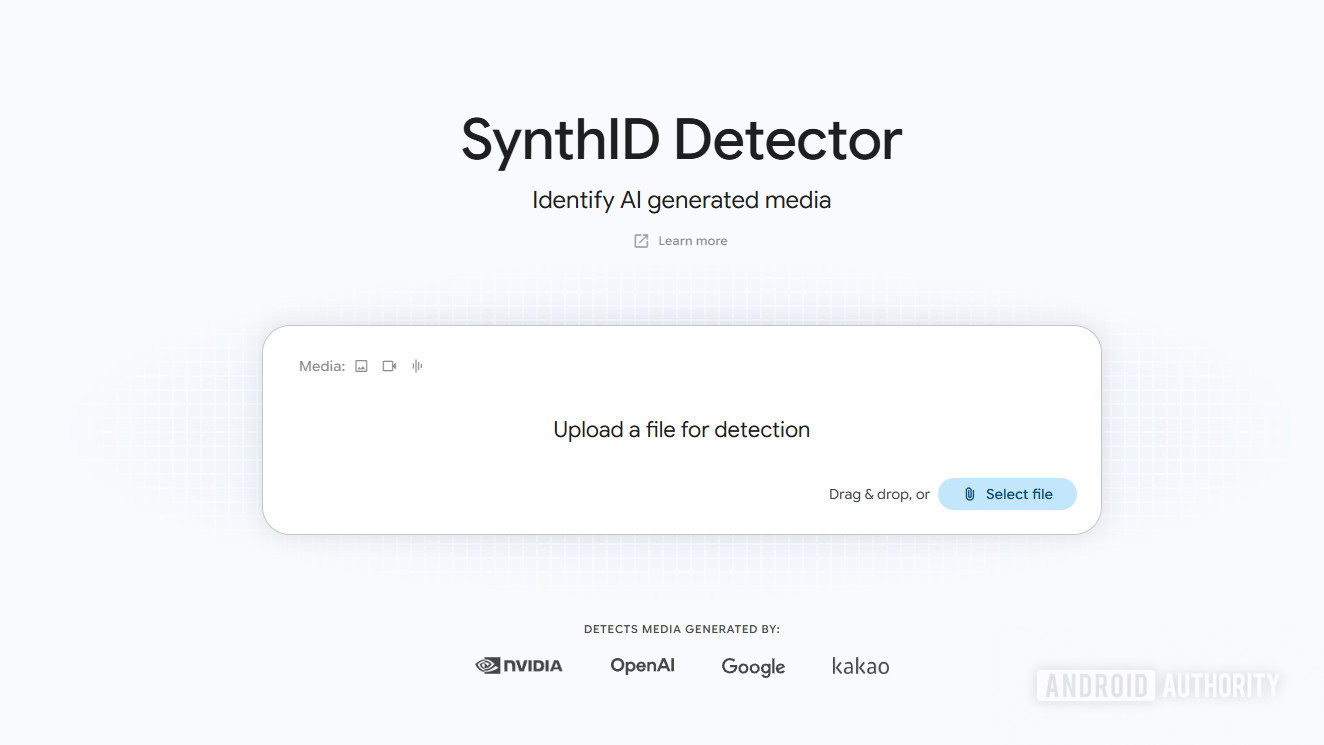
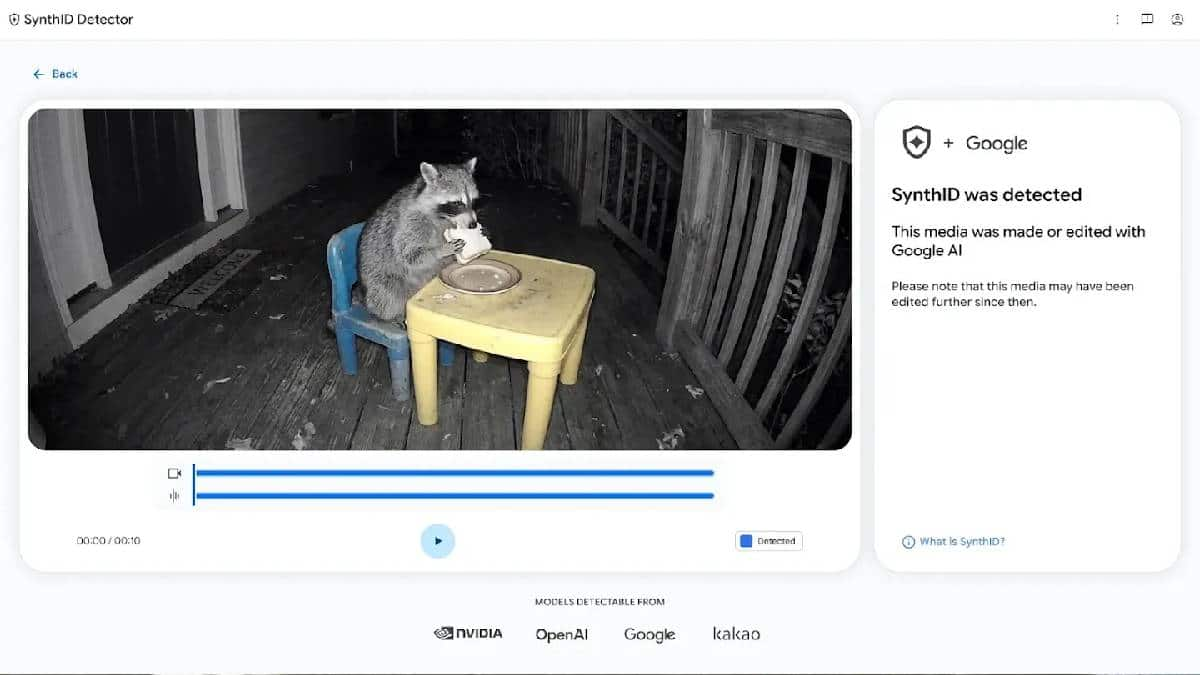
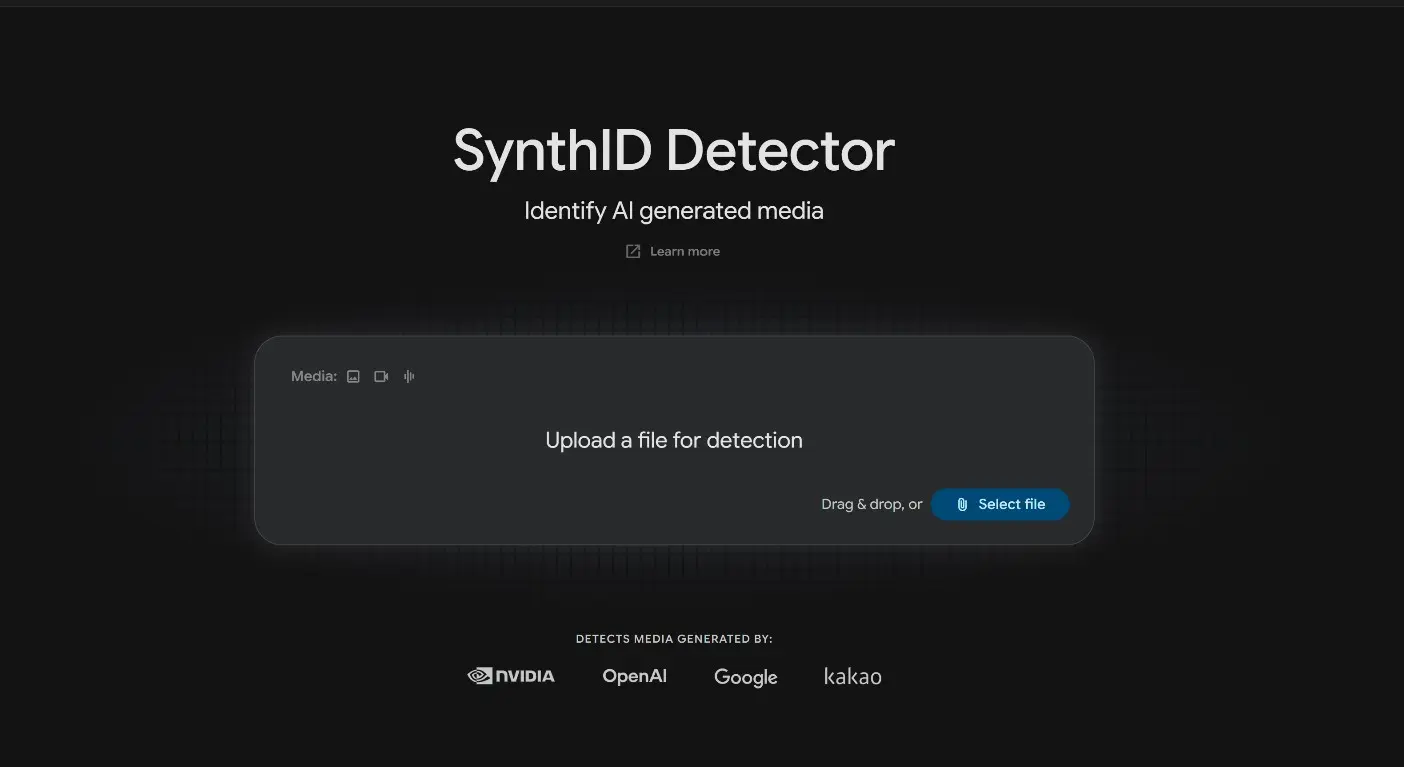
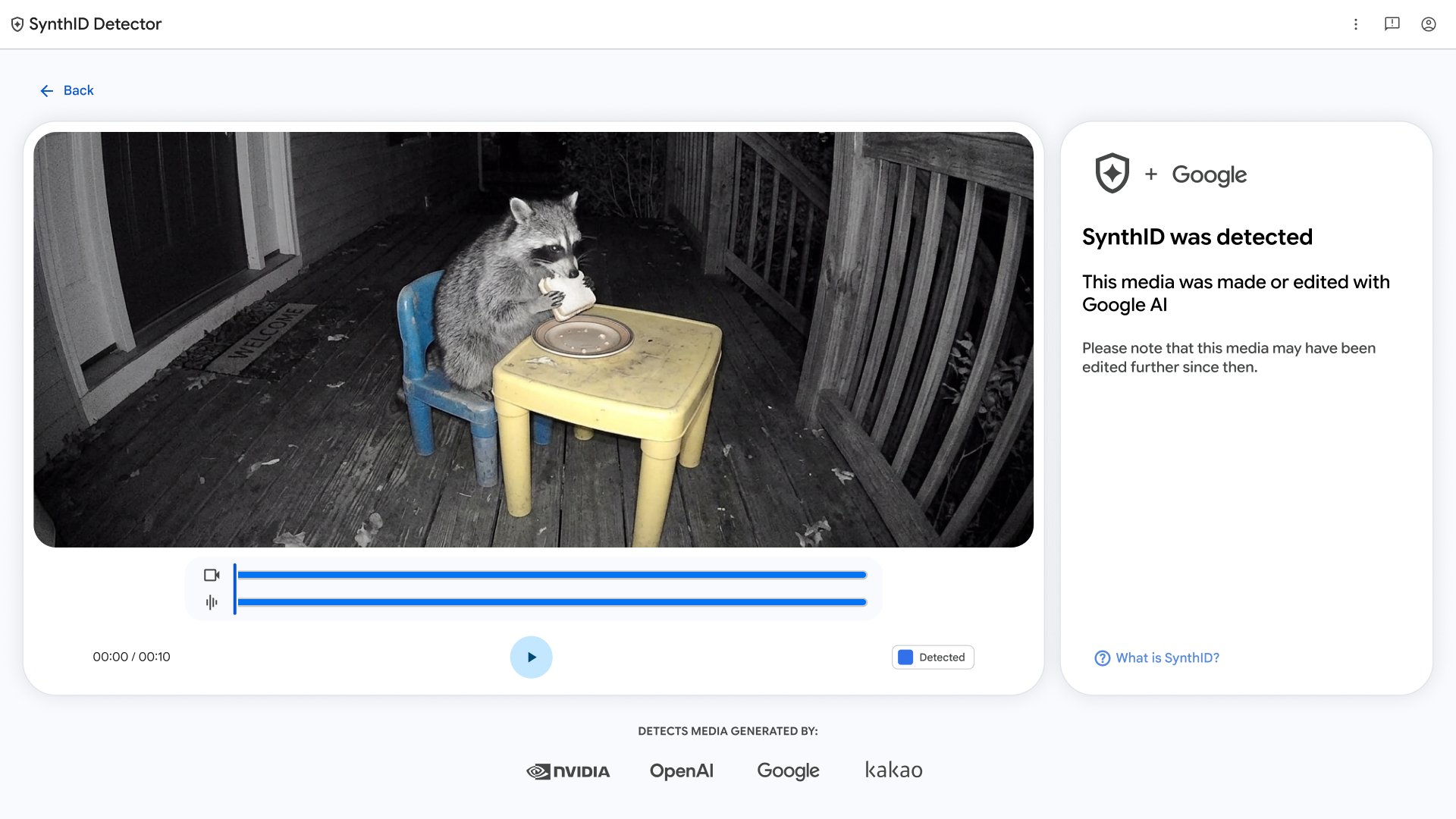
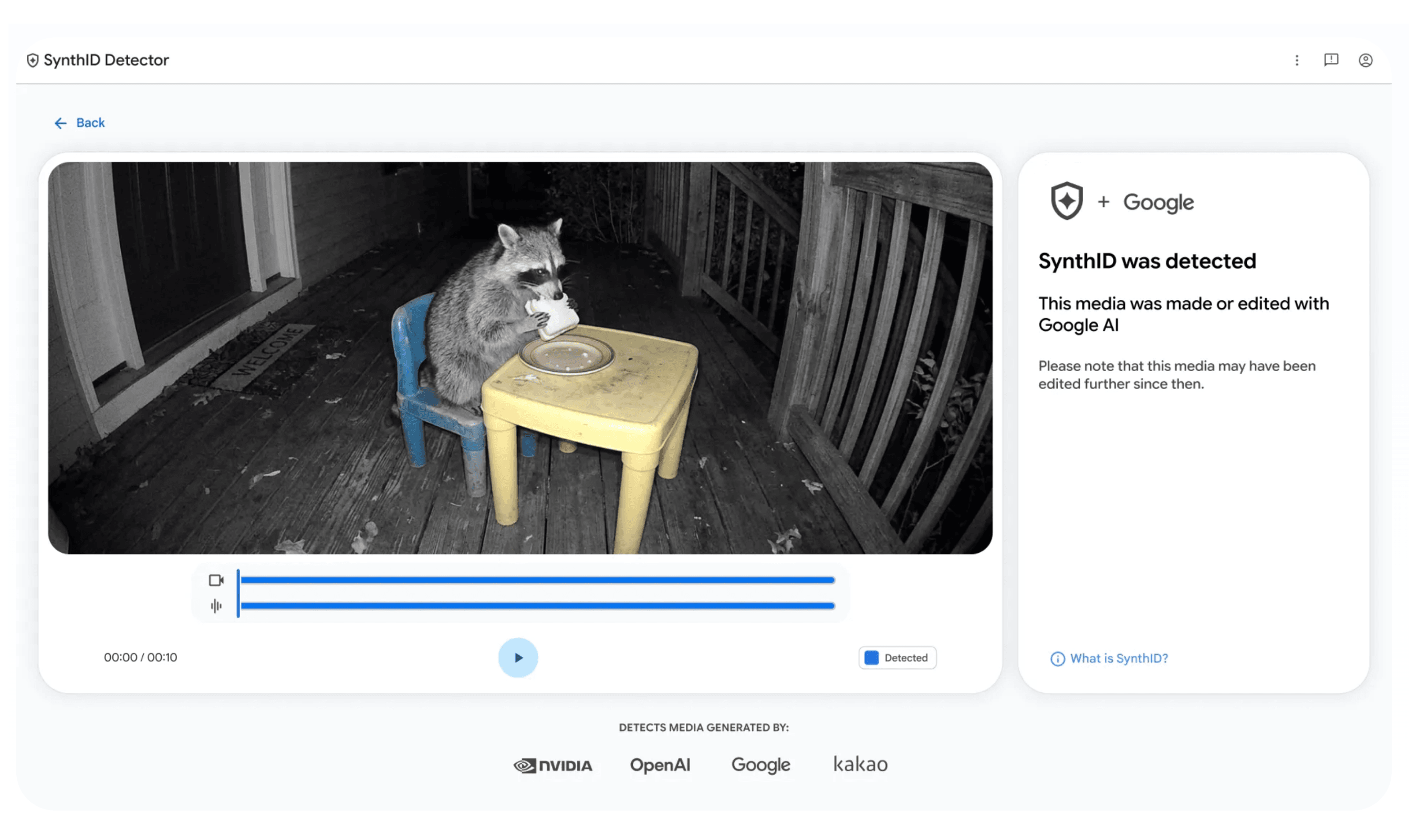
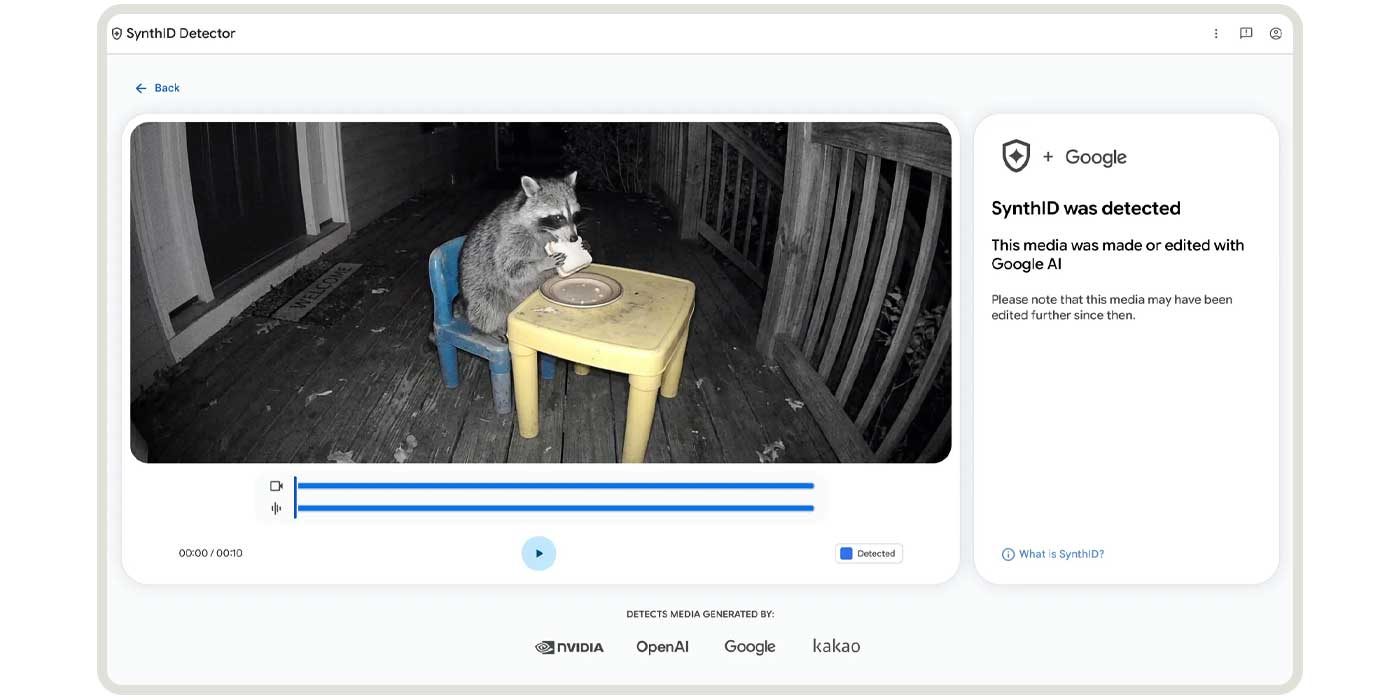
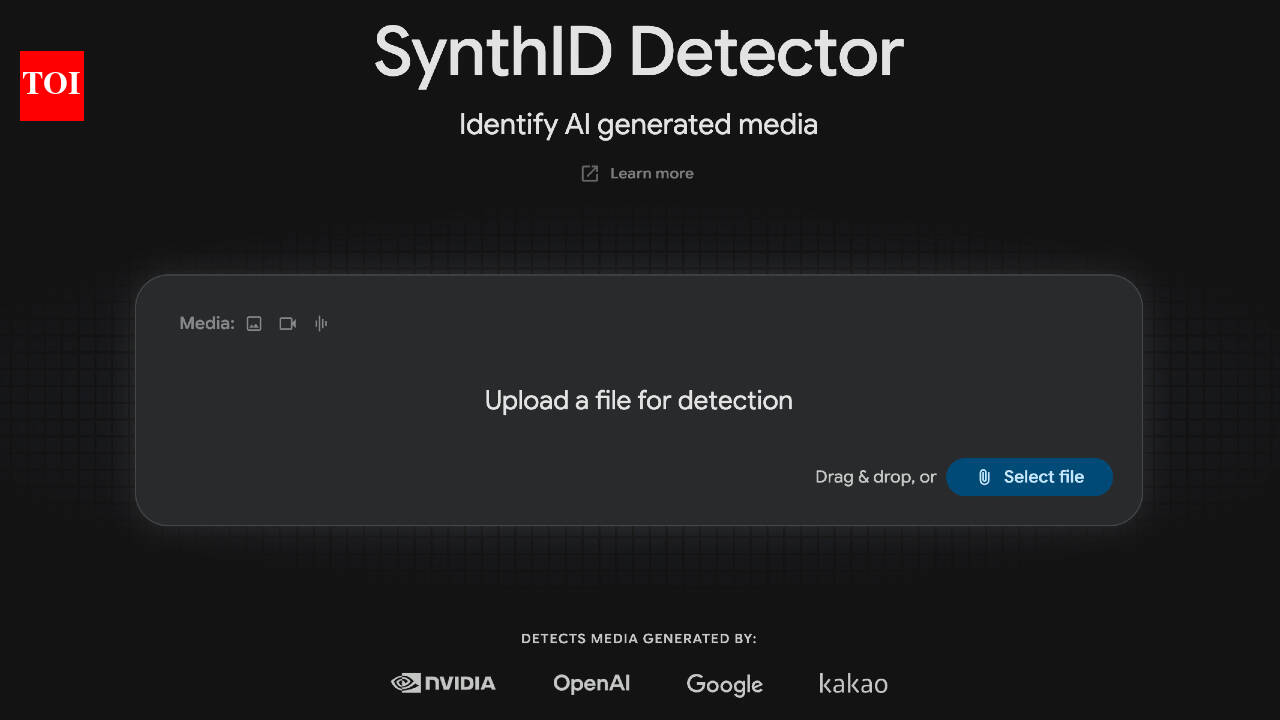
Google's October 2026 public launch of SynthID Detector represents a watershed moment for e-commerce content authenticity. The tool, now accessible at synthid.com globally, identifies invisible watermarks embedded in AI-generated images, videos, and audio files from Google's Gemini models (180+ billion images/videos marked since 2023) plus OpenAI, Nvidia, Kakao, and Apple-supported content. Processing 1 million daily verification requests, SynthID has become mainstream infrastructure for content authentication—directly impacting sellers who rely on AI tools for product photography, lifestyle imagery, and promotional videos.
For e-commerce sellers, this creates an immediate operational tension: AI-generated content detection is now consumer-facing and platform-integrated. Google has embedded SynthID verification into Gemini, Chrome, and Search, meaning buyers can verify product images in real-time. Sellers using AI tools like Gemini, Veo, or Lyria for product photography must understand that their content carries embedded watermarks detectable by consumers, competitors, and potentially platform algorithms. The news reports reveal critical limitations—SynthID only detects partner watermarks (not open-source models), and detection systems frequently fail on their own makers' content—but this fragmentation creates compliance uncertainty. Sellers cannot assume their AI-generated content will remain undetected; they must assume it will be flagged.
The automation opportunity for sellers is immediate: AI-powered content auditing and dual-content strategies. Sellers should deploy AI tools to scan their entire product catalog through SynthID (10 checks/day free quota) to identify which listings contain detectable AI watermarks. This requires building automated workflows that batch-process images through the detector, flag results, and trigger content replacement protocols. Sellers generating 500+ product images monthly can save 15-20 hours/week by automating this detection-and-replacement cycle versus manual review. The strategic play: maintain a hybrid content library where high-risk categories (electronics, luxury goods, beauty) use authentic photography while lower-scrutiny categories (apparel, home goods) can leverage AI-assisted content. This requires AI-driven content classification and risk-scoring systems that don't yet exist as standalone SaaS products—a clear market gap for AI tool developers.
Data-driven competitive intelligence reveals hidden patterns in AI adoption risk. Sellers can use SynthID detection data to reverse-engineer competitor content strategies: which competitors rely on AI-generated images (flagged by SynthID), which use authentic photography, and which employ hybrid approaches. This creates a predictive model for category-level AI adoption rates. For example, if 60% of top-100 sellers in "home decor" show SynthID watermarks while only 15% in "luxury watches" do, this signals category-specific trust dynamics. Sellers can exploit this asymmetry by positioning authentic content as a competitive differentiator in high-trust categories while using AI efficiently in lower-scrutiny segments. The time savings from this analysis: 5-8 hours/week of manual competitor research replaced by automated SynthID scanning and classification.
Risk mitigation is critical: Reuters reports SynthID detection systems frequently fail on their own makers' content, creating false confidence. Sellers cannot rely solely on negative SynthID results to prove authenticity. The tool's limitations mean many AI-generated files remain undetectable, and the detector provides identical labeling for AI-created vs. AI-edited content, obscuring actual generation methods. Sellers must implement multi-signal verification strategies: combine SynthID detection with metadata analysis, reverse image search, and human review for high-value listings. The compliance risk is real—platforms like Amazon increasingly scrutinize content authenticity, and sellers flagged for systematic AI-generated imagery face listing suppression or account suspension. The cost of non-compliance: 20-40% conversion rate drops on flagged listings, plus potential account restrictions.
Questions 8
How should I balance AI-assisted content with authentic photography?
The optimal strategy is a hybrid approach: use authentic photography as your primary content library for high-trust categories and high-visibility listings, while leveraging AI-assisted content for supplementary imagery, lower-risk categories, and rapid content scaling. Specifically, allocate 70-80% of your content budget to authentic photography (product shots, lifestyle imagery, user-generated content) and 20-30% to AI-assisted materials (background variations, lifestyle contexts, seasonal themes). This requires automated content classification systems that tag each image by authenticity level and risk category. For sellers managing 500+ monthly product images, this hybrid approach reduces content production costs by 25-35% while maintaining consumer trust and platform compliance. The implementation: build AI-powered workflows that classify new product images by category and visibility tier, automatically route high-risk listings to authentic photography pipelines, and use AI-generated content for supplementary imagery. Monitor conversion rates and SynthID detection flags to continuously optimize the authenticity mix by category and season.
What is Google SynthID and how does it affect my e-commerce product listings?
SynthID is an invisible watermarking technology embedded in AI-generated images, videos, and audio files from Google's Gemini models and partner platforms (OpenAI, Nvidia, Kakao, Apple). Google launched the public SynthID Detector on October 7, 2026, processing 1 million daily verification requests. For sellers, this means product images created with AI tools like Gemini or Veo now carry detectable watermarks that consumers, competitors, and platforms can identify using the free synthid.com tool. If your product photography relies on AI-generated content, buyers can verify this in real-time, potentially affecting trust and conversion rates. Sellers should audit their product catalogs to identify AI-generated imagery and develop hybrid content strategies combining authentic photography with AI-assisted materials for lower-risk categories.