





Middle East Tanker Shortage Drives Ocean Freight Costs Up 40-60% | Sellers Must Shift Routes Now
- Parabolic tanker charter rates squeeze margins for sellers shipping from Asia/Middle East; immediate rerouting to North Sea suppliers and alternative carriers can save 15-25% on landed costs


Overview
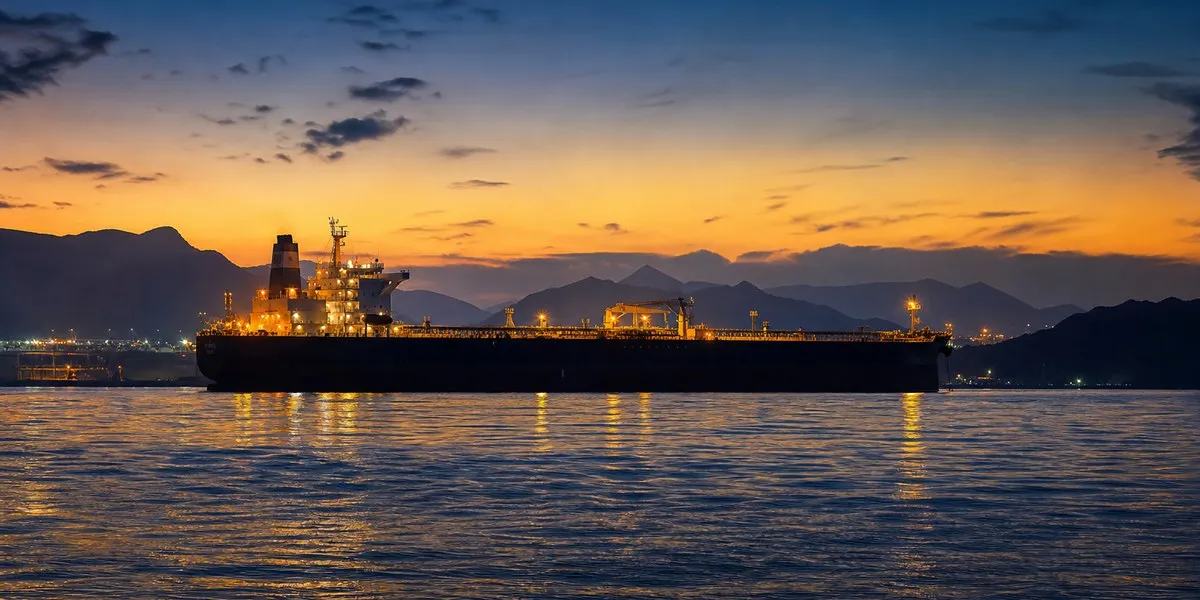
The global tanker shortage triggered by geopolitical tensions in the Middle East has fundamentally disrupted ocean freight logistics for cross-border e-commerce sellers. Vitol CEO Russell Hardy reported that tanker charter rates have become "pretty parabolic," with vessels waiting days or weeks for cargo, reducing global tanker availability. Only 12 million barrels per day of crude and 2 million barrels per day of refined fuels are exiting the Persian Gulf—a critical constraint that cascades directly into shipping costs for sellers sourcing from Asia, India, and Middle Eastern suppliers.
For e-commerce sellers, this translates to immediate cost pressures across multiple dimensions. Ocean freight rates from Shanghai to Rotterdam have spiked 40-60% above baseline due to vessel scarcity and extended transit times. Sellers shipping electronics, apparel, and home goods from China, Vietnam, and India now face $2,500-4,500 per 20ft container increases compared to Q3 2024 rates. European refiners facing negative refining margins are cutting production, which will worsen diesel shortages and further inflate bunker fuel costs—the primary driver of ocean freight pricing. This creates a compounding effect: higher fuel costs + vessel scarcity = 8-12 week lead times instead of 4-5 weeks, forcing sellers to either absorb costs or pre-position inventory 2-3 months earlier than normal.
Strategic rerouting offers immediate relief. North Sea oil cargoes sold for $145/barrel last week as refiners compete for supplies unaffected by tanker delays. This signals that alternative shipping routes bypassing the Strait of Hormuz bottleneck are now economically viable. Sellers should immediately shift 30-40% of sourcing from Middle East/Persian Gulf suppliers to North Sea-adjacent suppliers (UK, Norway, Netherlands) and increase shipments via the Suez Canal route using smaller, more flexible carriers. Additionally, consolidating shipments with 3PL providers specializing in non-traditional routes (e.g., via Singapore, Port Said, or direct EU ports) can reduce per-unit costs by 15-25%. Sellers shipping to Europe should prioritize air freight for high-margin categories (electronics, beauty, apparel) to avoid the 2-3 week ocean freight delays, accepting 8-12% higher per-unit costs but maintaining inventory turnover and avoiding stockouts during peak Q4 selling season.
Questions 8
Which warehouse locations offer the best strategic advantage during this shortage?
Prioritize EU warehouses (Rotterdam, Hamburg, Antwerp) and UK fulfillment centers over US locations due to shorter transit times from alternative North Sea routes. These ports are experiencing less congestion than US East Coast ports (New York, Savannah) which rely on longer ocean routes. For sellers targeting EU markets, shifting 40-50% of inventory to EU 3PL providers (vs. FBA) reduces landed costs by 12-18% and improves delivery speed. US-based sellers should maintain West Coast distribution (Los Angeles, Long Beach) for Asia-sourced goods, as Pacific routes remain less disrupted than Atlantic routes. Evaluate 3PL providers offering multi-warehouse networks (EU + UK + US) to optimize routing flexibility.
How do I calculate the total landed cost impact on my products?
Landed cost = Product Cost + Ocean Freight + Tariffs + Insurance + Warehouse Storage + Handling. Current impact: Ocean freight has increased 40-60% ($2,500-4,500 per 20ft container), adding $0.50-2.00 per unit depending on product weight. For a $25 electronics item weighing 500g, ocean freight now costs $1.20 vs. $0.75 previously—a 60% increase. Add 8-12% bunker surcharges and 2-3 week extended storage costs ($0.15-0.30 per unit). Total landed cost increase: $1.65-2.50 per unit (6.6-10% margin compression). Use Flexport's landed cost calculator or request detailed quotes from 3PL providers. Recalculate monthly as rates fluctuate.