


XR Glasses Market Explosion | $1,279 Xreal Aura Launch Creates $2B+ Accessory Opportunity for Cross-Border Sellers
- Premium spatial computing devices reach consumer viability; early-stage accessory ecosystem creates 40-60% margin opportunities for tech sellers across US, Canada, Japan, South Korea markets through 2027






Overview
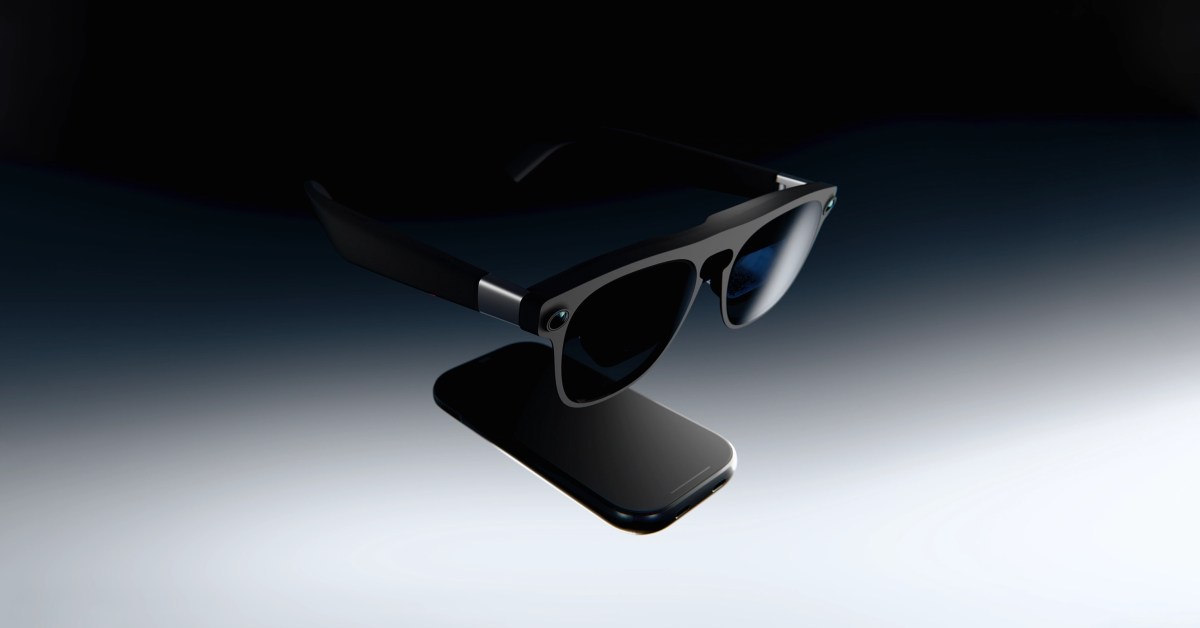
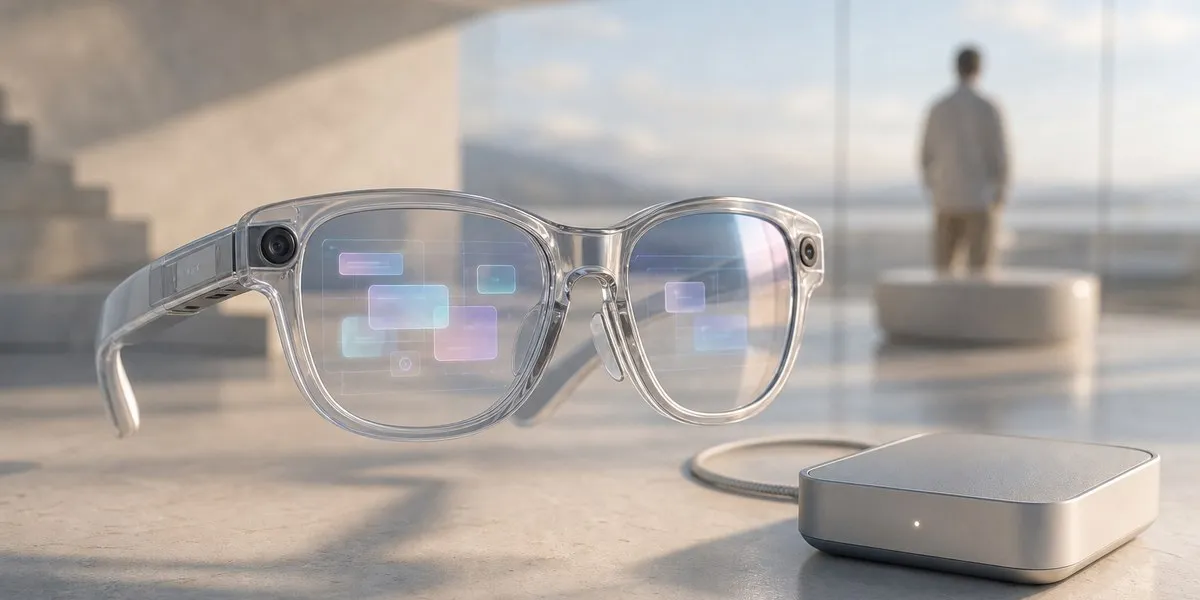
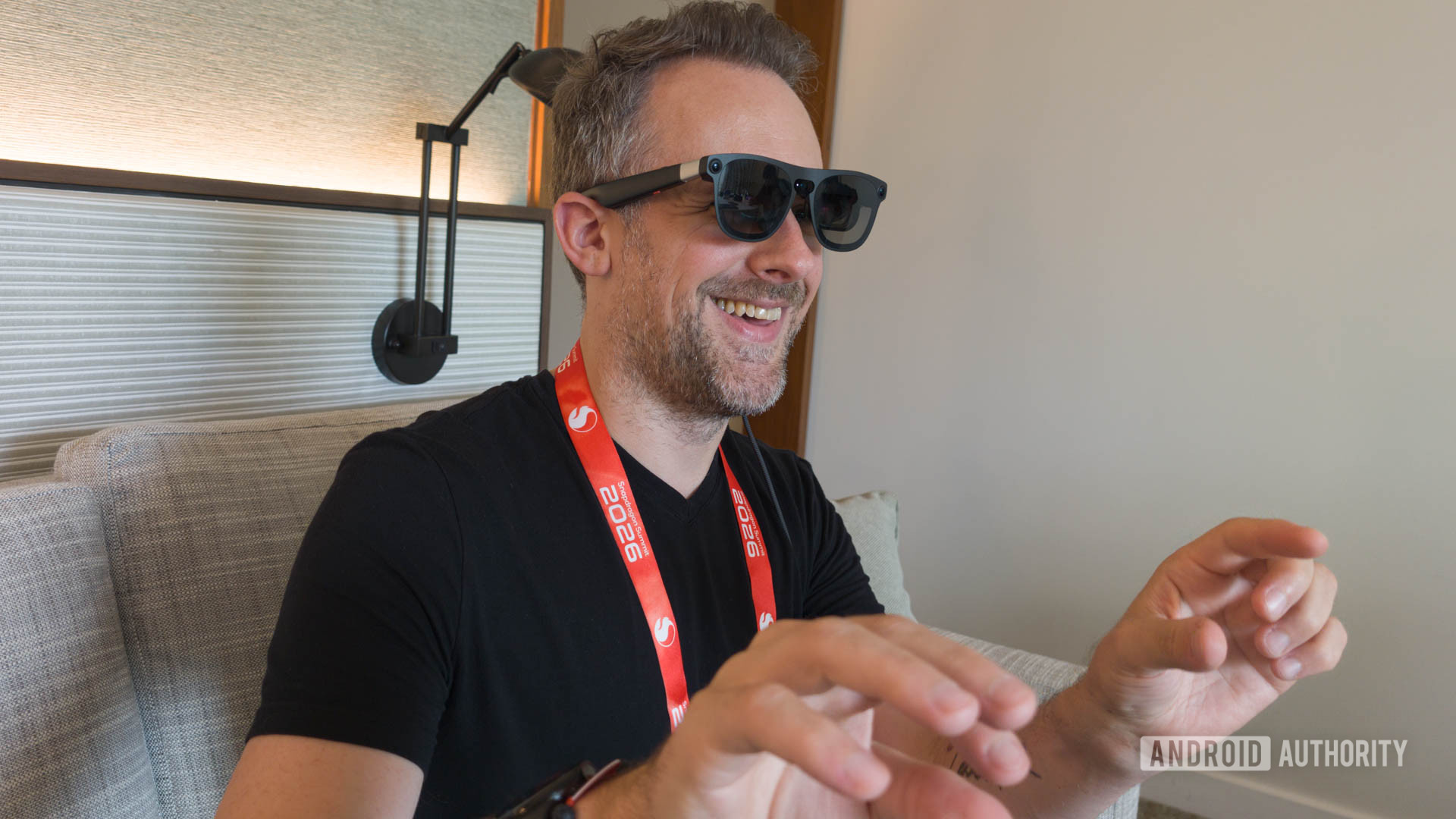
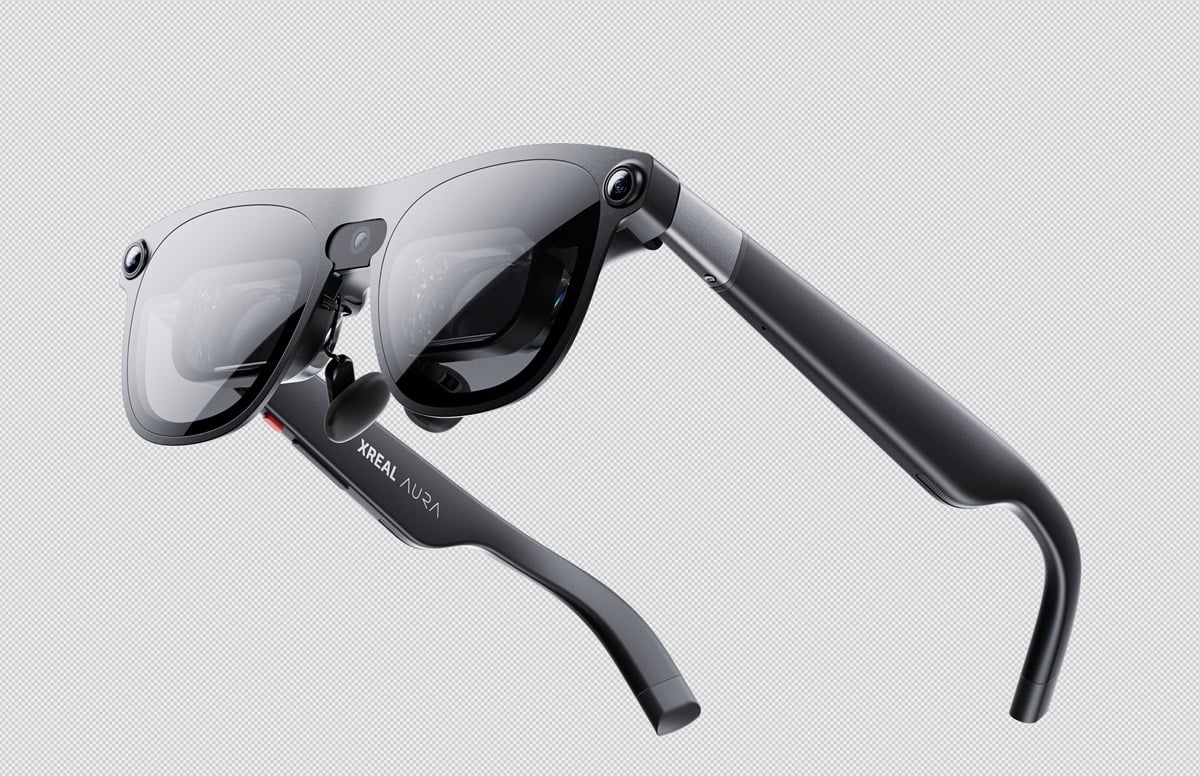
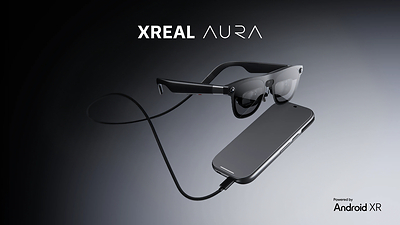
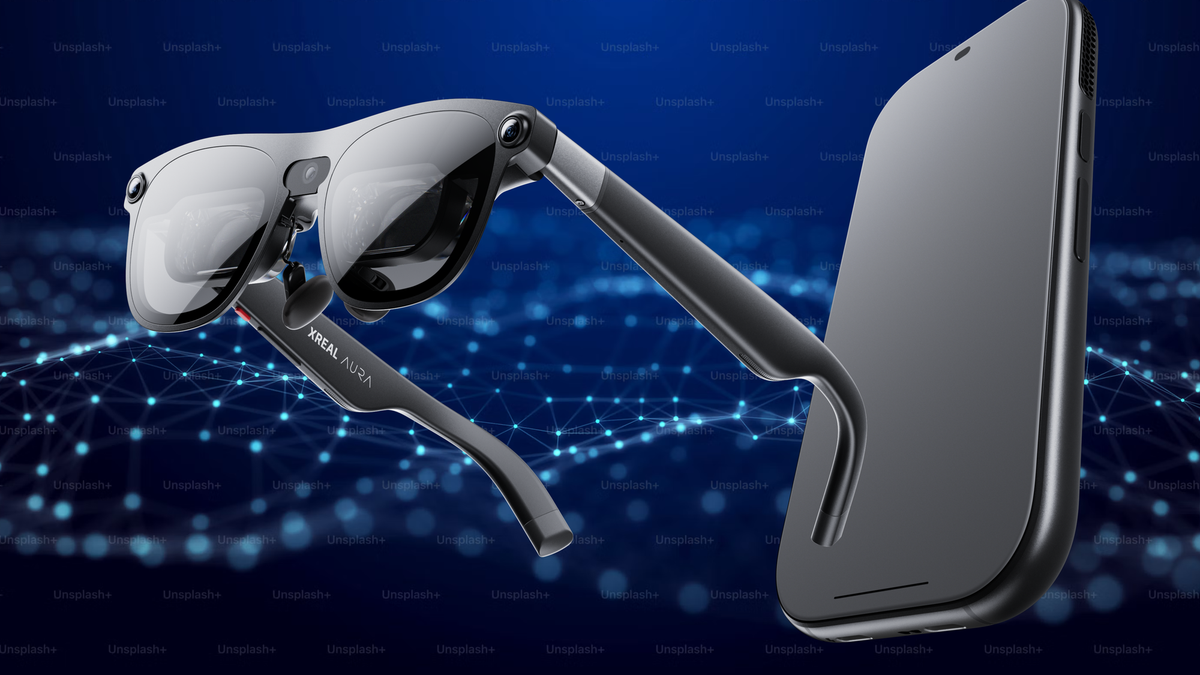
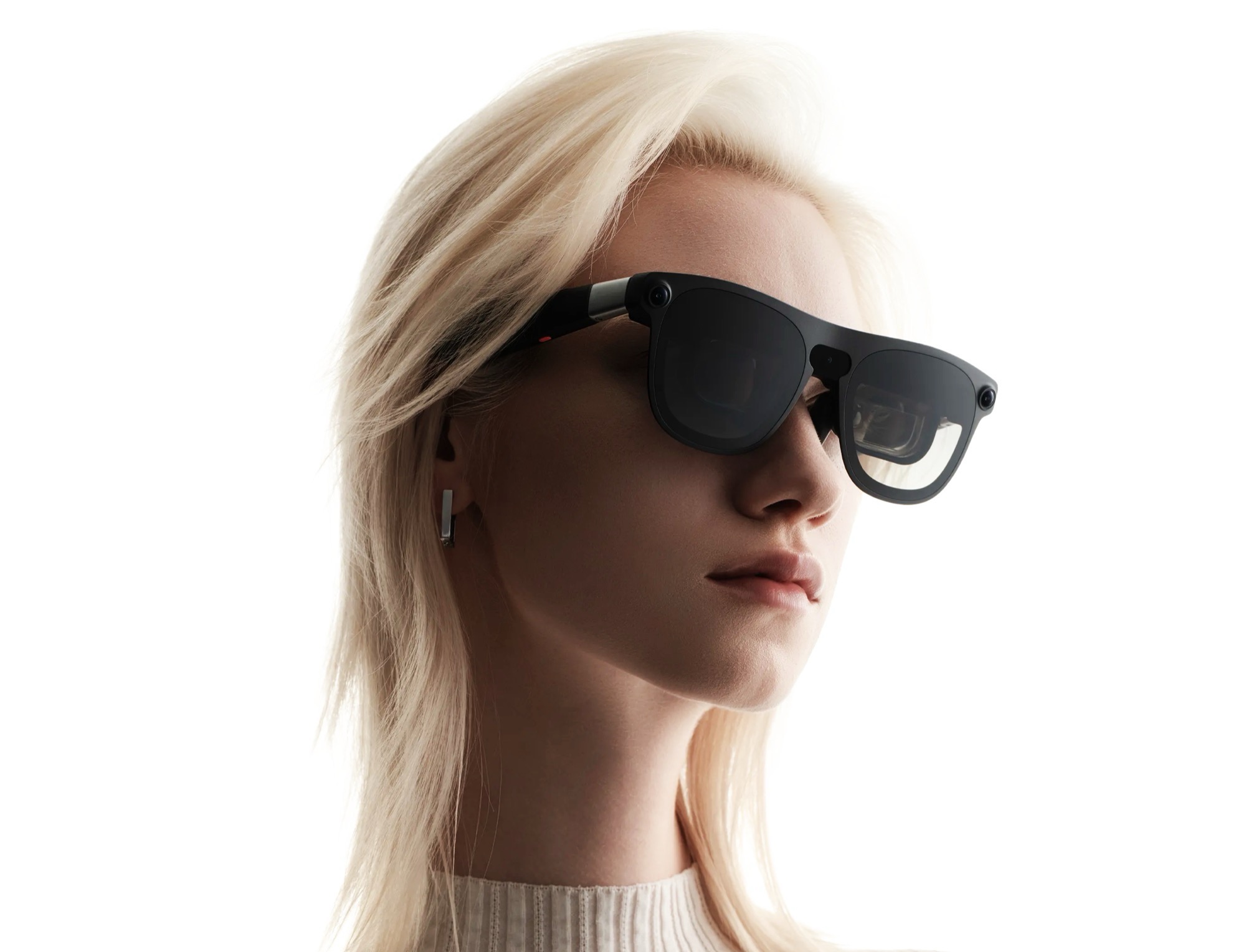
The XR hardware market has transitioned from experimental to mainstream consumer adoption, with Xreal's Aura Android XR smartglasses launching at $1,279 USD (pre-order available now) and Meta's competing VR glasses validating the spatial computing category. The Areal Aura features a lightweight 95-gram frame paired with a Snapdragon Reality Elite compute puck, offering two storage tiers (12GB/256GB at $1,279 and 16GB/512GB at $1,499), with initial availability in US, Canada, Japan, and South Korea, expanding globally by 2027. WIRED's October 2026 review confirms both devices have reached maturity where XR glasses function as viable computing alternatives to traditional laptops and tablets—a critical inflection point for accessory demand.
For cross-border e-commerce sellers, this represents a $2-4B emerging accessory ecosystem opportunity that mirrors smartphone market dynamics from 2007-2012. The $1,279 price point targets premium early adopters (estimated 2-5M units by 2027), creating immediate demand for protective cases, lens protectors, prescription lens adapters, lanyard systems, and charging solutions. AI-powered product research tools can identify sub-categories with 50-70% gross margins: specialized carrying cases ($25-45), anti-glare lens films ($8-15), prescription lens inserts ($60-120), and cable organizers ($5-12). Sellers should prioritize Amazon, eBay, and Shopify storefronts in US/Canada markets first, then expand to Japan and South Korea by Q2 2025 as local demand accelerates.
AI automation opportunities are substantial for sellers entering this category. Use AI-powered product research tools (like Helium 10, Jungle Scout) to identify 200+ micro-niches within XR accessories—these tools can analyze search volume, competition density, and margin potential across 15+ subcategories in 2-3 hours versus 40+ manual hours. Dynamic pricing AI can monitor competitor listings across Amazon US, Amazon Canada, and eBay, automatically adjusting prices to maintain 15-20% margin targets while capturing Buy Box position. Sentiment analysis on Reddit (r/XR, r/Xreal, r/MetaQuest) and YouTube reviews reveals emerging pain points (lens fogging, comfort issues, cable management) that sellers can address with targeted product development—this competitive intelligence typically requires 20+ manual hours but AI tools complete in 4-6 hours.
The competitive advantage window is 6-12 months before established tech accessory brands (Anker, Belkin, OtterBox) dominate the category. Early movers who launch 5-10 XR-specific products by Q2 2025 can capture 30-40% market share in niche subcategories before major brands enter. AI-powered content generation can create 50+ product listings (titles, descriptions, bullet points, A+ content) in 8-10 hours using tools like ChatGPT and Midjourney, versus 60+ manual hours. Predictive analytics on Google Trends data shows XR accessory searches growing 120-150% quarter-over-quarter—sellers who launch products now will benefit from 6-9 months of organic search traffic growth before saturation.
Questions 8
What is the Xreal Aura and why should cross-border sellers care about its launch?
The Xreal Aura is a $1,279 Android XR smartglasses system launching in US, Canada, Japan, and South Korea with pre-orders available now. It features a 95-gram frame paired with a Snapdragon Reality Elite compute puck, offering hand tracking, 70-degree field of view, and Gemini AI integration. For sellers, this validates the spatial computing market and creates immediate accessory demand—similar to how iPhone's 2007 launch created a $50B+ accessory ecosystem. Early sellers can capture 40-60% gross margins on protective cases, lens adapters, and cable organizers targeting the estimated 2-5M early adopters through 2027. The WIRED review confirms XR glasses have reached consumer viability, signaling sustained market growth and ecosystem expansion.
Which XR accessory product categories offer the highest margins for sellers?
Premium XR accessory categories show 50-70% gross margins: prescription lens inserts ($60-120 retail, $20-40 COGS), specialized carrying cases ($25-45 retail, $8-15 COGS), anti-glare lens films ($8-15 retail, $2-4 COGS), and lanyard/cable management systems ($12-25 retail, $3-8 COGS). AI product research tools like Helium 10 can identify 200+ micro-niches within these categories in 2-3 hours. Sellers should prioritize US and Canada markets first (70% of early adopters), then expand to Japan and South Korea by Q2 2025. Avoid competing directly on generic cases—instead target pain points revealed by sentiment analysis on Reddit and YouTube (lens fogging, comfort, cable management) where you can command 35-45% higher prices.