


U.S. Trade Deficit Surge Signals Sustained Import Demand | Tariff Volatility Creates Margin Compression Risk for Cross-Border Sellers
- $106 billion monthly deficit reaches post-tariff peak; AI infrastructure imports drive 2025 surge; sellers face 8-15% margin pressure from tariff uncertainty






Overview
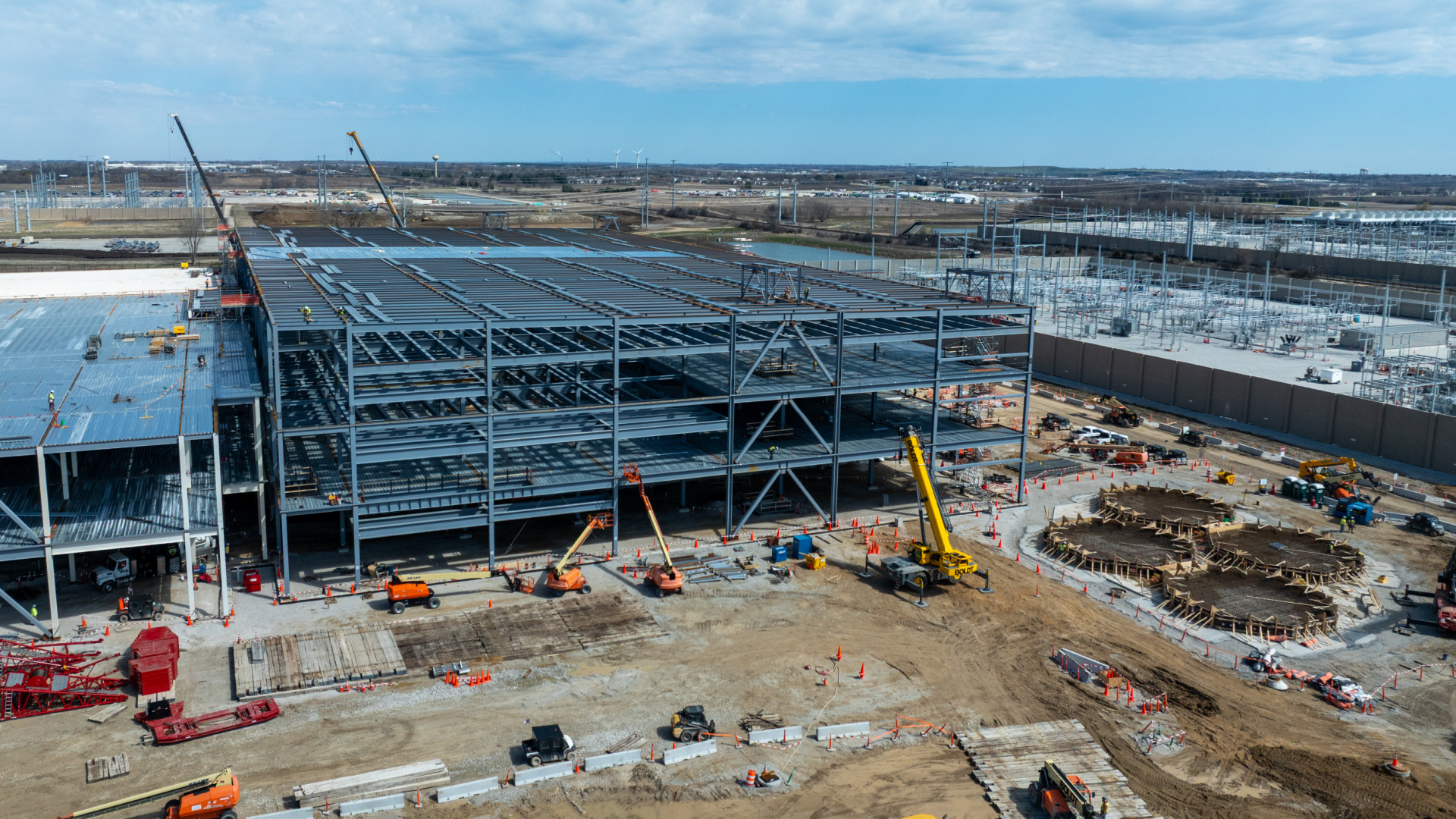
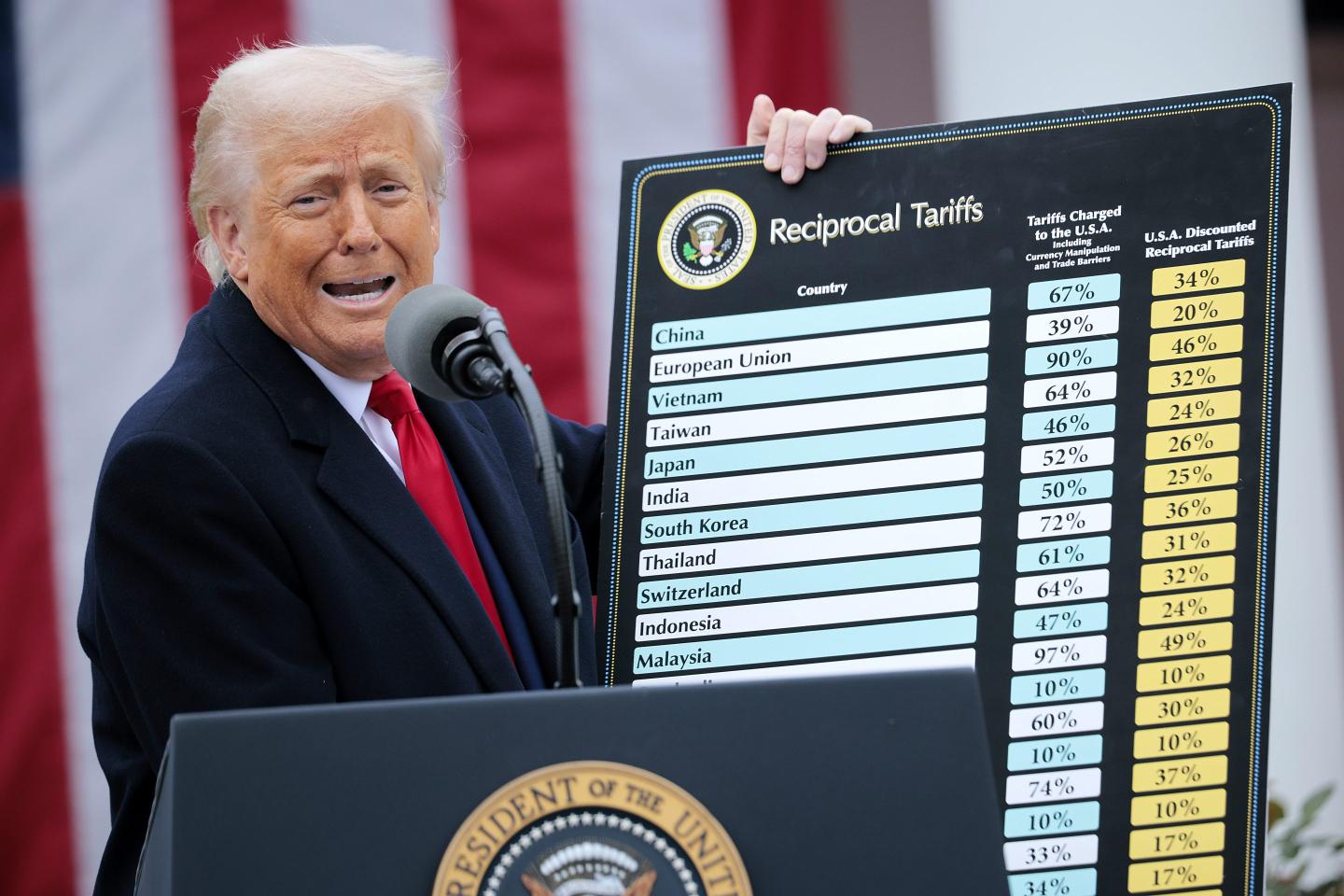
The U.S. trade deficit has reached $106 billion monthly—its widest gap since before Trump's tariff implementation ("Liberation Day")—contradicting policy objectives to reduce imports. This paradox reveals critical market dynamics for cross-border e-commerce sellers: despite tariff headwinds, import volumes remain resilient due to business front-loading, consumer spending strength, and retaliatory tariff complications. Simultaneously, accelerating data-center infrastructure development driven by AI adoption is fueling massive imports of semiconductors, server hardware, and specialized computing equipment from Asia through 2025, according to Wall Street Journal reporting. This dual trend creates a complex operating environment where import demand persists despite policy uncertainty.
For cross-border sellers, the immediate implication is clear: sustained import demand into the U.S. market presents genuine opportunity, but tariff volatility creates operational hazards. The persistent deficit indicates consumers and businesses continue importing goods despite tariff implementation, benefiting sellers importing electronics, components, tech products, and general merchandise. However, the tariff environment remains unpredictable—with potential additional duties, fluctuating rates, and evolving trade policies creating 8-15% margin compression risk for sellers relying on thin-margin categories. Sellers sourcing semiconductors, server components, and tech infrastructure equipment face particular exposure, as regulatory scrutiny of import-dependent sectors may trigger additional tariff increases or trade restrictions through 2025.
Strategic sourcing decisions become critical in this environment. The widening deficit despite tariffs suggests that tariff-driven sourcing shifts (Vietnam, India, Mexico replacing China) may not materialize as quickly as anticipated, since import volumes remain strong regardless of tariff rates. This indicates that tariff arbitrage opportunities—shifting production to lower-tariff jurisdictions—may be less profitable than previously calculated. Instead, sellers should focus on: (1) pricing flexibility to absorb tariff volatility without losing competitiveness, (2) inventory management to avoid front-loading costs, and (3) category diversification away from tariff-sensitive electronics toward less-regulated merchandise. The U.S. economy's relative strength maintains import demand despite tariff headwinds, but this strength is fragile—any economic slowdown could trigger demand collapse while sellers remain locked into high-cost inventory positions.
Questions 8
How should sellers adjust pricing strategy amid tariff volatility?
Sellers should implement dynamic pricing that absorbs tariff volatility without losing competitiveness. Rather than locking in fixed prices, use tiered pricing models that adjust automatically when tariff rates change. For Amazon FBA sellers, this means updating pricing in Seller Central within 24-48 hours of tariff announcements. For Shopify sellers, implement automated pricing rules that trigger price adjustments based on tariff cost inputs. Additionally, sellers should communicate tariff impacts transparently to customers—many consumers understand tariff pressures and accept modest price increases if explained clearly. Build tariff cost buffers into baseline pricing (5-10% above current costs) to absorb future tariff increases without requiring price cuts. Monitor competitor pricing to ensure tariff adjustments remain competitive, and avoid aggressive discounting that erodes margins during uncertain periods.
Why is the U.S. trade deficit widening despite Trump's tariff implementation?
The $106 billion monthly deficit reflects multiple offsetting factors: businesses front-loaded purchases ahead of tariff increases, consumers continued importing goods despite higher costs, and retaliatory tariffs from trading partners complicated the trade landscape. Additionally, the U.S. economy's relative strength maintains robust import demand, particularly for AI infrastructure equipment (semiconductors, servers, data-center components). Economists note that tariffs alone are insufficient to address structural trade imbalances without complementary economic policies. For sellers, this means import demand remains strong despite tariff headwinds, creating continued market opportunity even as policy uncertainty persists.