

US Trucking Crisis: $8 Diesel Drives 80% Wage Hikes | Seller Shipping Costs Surge
- Diesel prices 32% above national average force 516 freight bankruptcies; last-mile delivery costs jump 80% ($2.50→$4.50/mile) affecting all US-based sellers


Overview
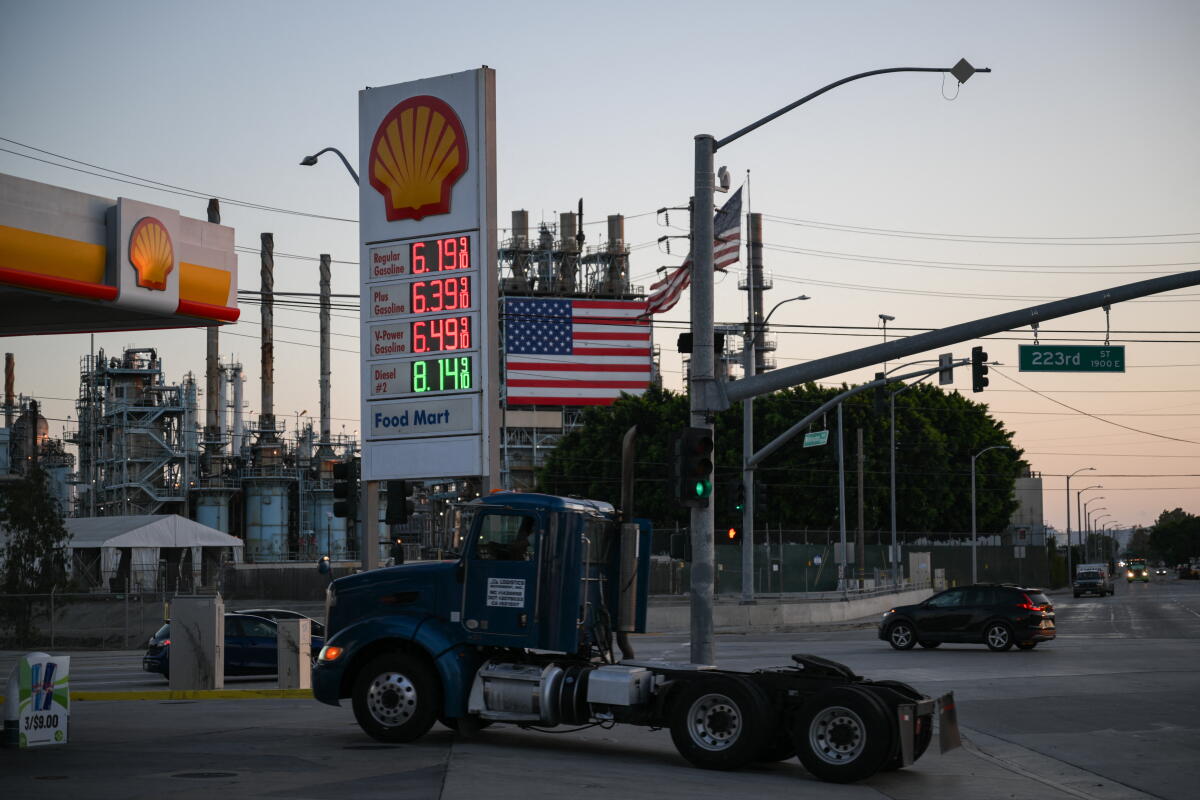
California's diesel crisis represents an existential threat to US domestic logistics, with direct cost implications for every e-commerce seller shipping within or from the United States. Diesel prices have surged to $8.35/gallon in California—32% above the national average of $6.32—creating a perfect storm combining fuel costs, driver shortages, and regulatory disruption. The Trump administration's immigration enforcement removed 28,000 commercial drivers and canceled 30,000+ licenses, while hundreds of driver training schools closed, eliminating the pipeline for new drivers. This supply shock forced trucking companies to increase driver wages from $0.45 to $0.80 per mile—an 78% increase—directly raising last-mile delivery costs from $2.50 to $4.50 per mile for major retailers like Walmart. Between August and September alone, 516 freight companies filed for bankruptcy nationwide, signaling systemic collapse in the small-carrier segment that handles 90% of US trucking capacity.
For e-commerce sellers, this translates to immediate cost pressures across fulfillment models. FBA sellers face higher Amazon fulfillment fees as carriers pass through fuel surcharges; FBM sellers using 3PL providers see spot rates increase 15-25% for regional distribution; and sellers relying on LTL (less-than-truckload) carriers for inventory replenishment face 30-40% cost increases. Owner-operators report fuel costs jumping from $1,000 to $1,600 per tank fill, forcing fleet downsizing (one Fresno operator reduced from 5 to 2 trucks) and capacity constraints. Bakersfield-based Roadies reports monthly fuel costs escalated to $450,000, eliminating all profit margins. The crisis is particularly acute for sellers shipping perishables, heavy goods, or time-sensitive inventory where trucking is non-negotiable.
Strategic logistics responses are emerging but require immediate action. Governor Newsom's early winter-blend gasoline approval and the Trump administration's expansion of tax-exempt red dye diesel for on-road trucks provide marginal relief (2-3% cost reduction). Owner-operators employ tactical strategies like battery-powered AC systems to reduce idling and strategic fueling in cheaper Arizona markets. For sellers, this signals three immediate opportunities: (1) Shift inventory positioning to regional 3PL hubs in lower-fuel-cost states (Arizona, Texas, Oklahoma) to reduce per-unit shipping distances; (2) Consolidate shipments to full-truckload (FTL) models where possible, reducing per-unit costs by 20-30% versus LTL; (3) Accelerate nearshoring of inventory from West Coast ports to inland distribution centers in lower-cost regions. The supply chain consequences are severe—industry experts warn that "any American trucking company cannot survive at $8 diesel," with ripple effects affecting consumer prices on goods from lettuce to auto parts, signaling broader inflation pressure on all product categories.
Questions 8
Will consumer prices increase due to trucking cost pressures?
Yes, significantly. The news explicitly warns that 'consequences trickling through supply chains affect consumer prices on goods from lettuce to auto parts.' With 516 freight companies filing for bankruptcy (August-September) and small carriers (90% of trucking) unable to absorb costs, price increases are inevitable. Expect 3-8% price increases on heavy/perishable goods within 60-90 days. For sellers, this creates opportunity: raise prices on affected categories now before competitors do, but monitor competitor pricing to avoid losing Buy Box. Categories like furniture, appliances, and fresh food will see fastest price increases; lightweight categories will see slower increases.
How can I reduce my shipping costs during the diesel crisis?
The news highlights three tactical strategies: (1) **Consolidate to FTL shipping** instead of LTL—saves 20-30% per unit by filling entire trucks; (2) **Reposition inventory to low-fuel-cost states** like Arizona, Texas, or Oklahoma (owner-operators strategically fuel in Arizona to save 5-8%); (3) **Use battery-powered logistics optimization** to reduce idle time and fuel waste. Operationally: negotiate annual contracts with carriers (locks rates before further increases), shift to regional 3PL hubs closer to customers, and implement demand forecasting to reduce emergency expedited shipments. For perishables, consider nearshoring production to reduce transit time and fuel consumption.