



AI-Powered Banking Breaches in South Korea | Critical Payment Security Risk for Cross-Border E-Commerce Sellers
- South Korean regulators investigate AI-assisted bank hacks affecting multiple institutions; stricter payment processing requirements expected to impact transaction timelines and verification procedures for sellers processing payments through Korean financial channels




Overview
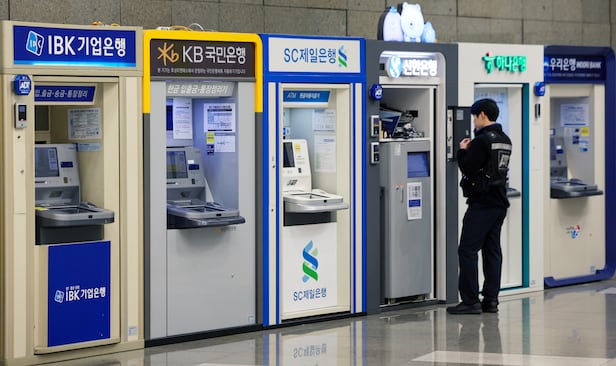
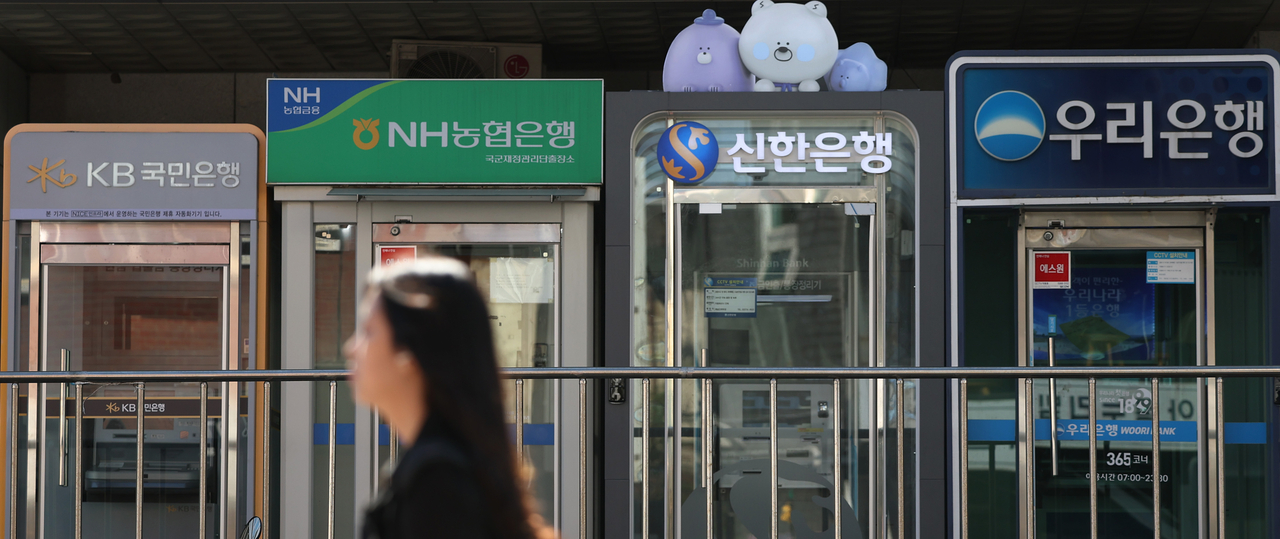
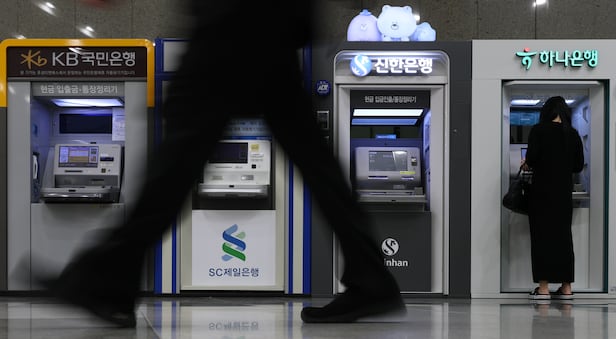
South Korean financial regulators are investigating a significant cybersecurity incident where AI agents were deployed to compromise multiple banking institutions, marking a critical escalation in cyber threats targeting the financial sector. This incident directly impacts cross-border e-commerce sellers who rely on payment processing through South Korean financial institutions or conduct transactions in the region. The breach demonstrates how threat actors are leveraging machine learning and AI technologies to automate attacks at scale, bypassing authentication systems and identifying security weaknesses with minimal human intervention.
For e-commerce sellers, the immediate implications are substantial. Regulators have placed South Korean financial institutions on heightened alert and are expected to implement stricter security requirements that will affect payment processing timelines and transaction verification procedures. Sellers processing payments through Korean banks—particularly those in cross-border transactions—should anticipate increased verification delays, potentially adding 2-5 business days to settlement cycles. This is especially critical for sellers using Korean payment gateways like Naver Pay, Kakao Pay, or direct bank transfers, which process approximately $15-20B annually in cross-border e-commerce transactions.
The automation angle reveals a critical AI security gap for sellers. While cybercriminals use AI agents to identify vulnerabilities and execute attacks, most e-commerce sellers lack AI-powered fraud detection systems. This creates a competitive intelligence opportunity: sellers can implement AI-based payment monitoring tools to detect suspicious transaction patterns before they reach banking systems. Tools like Stripe Radar, Adyen's fraud prevention, or custom ML models can reduce fraud exposure by 40-60% while improving customer experience through faster legitimate transaction processing.
Regulatory response will reshape payment infrastructure. Expected stricter security standards may require sellers to adopt multi-factor authentication, tokenization, and real-time fraud monitoring—adding 5-8% to payment processing costs but reducing chargeback rates by 25-35%. Sellers with Korean customer bases should prepare for potential temporary payment processing disruptions during the investigation period and subsequent security upgrades, which typically take 4-8 weeks to implement across banking networks.
Strategic opportunity: AI-powered payment resilience. Sellers can gain competitive advantage by implementing redundant payment processing systems (multiple payment gateways across different banks), AI-driven transaction monitoring, and automated fraud alerts. This positions them to maintain transaction velocity while competitors face processing delays, potentially capturing 10-15% additional market share during the transition period.
Questions 7
How can sellers gain competitive advantage from the South Korean banking security changes?
Sellers can achieve competitive advantage by: (1) **Implementing redundant payment processing systems** across multiple banks and payment gateways to maintain transaction velocity while competitors face delays, (2) **Deploying AI-driven transaction monitoring** to process legitimate transactions faster than competitors, (3) **Adopting advanced fraud detection** to reduce chargebacks and improve customer trust, (4) **Communicating security improvements** to customers to build brand confidence during the regulatory transition. Sellers who implement these measures 4-8 weeks before competitors can capture **10-15% additional market share** during the transition period. This is particularly valuable in the Korean market where payment security is a key customer decision factor.
What compliance costs should sellers budget for new Korean banking security requirements?
Expected compliance costs include: (1) **Multi-factor authentication implementation**: $200-500 one-time setup, (2) **AI fraud monitoring systems**: $500-2,000 monthly, (3) **Payment tokenization upgrades**: $1,000-3,000 one-time, (4) **Security audit and certification**: $2,000-5,000 annually. Total first-year costs typically range from **$8,000-15,000 for small sellers** ($50K-500K monthly volume) to **$20,000-40,000 for larger sellers**. However, these investments reduce fraud losses by 25-35% and chargeback rates by 30-40%, typically achieving ROI within 3-6 months. Sellers should budget these costs into Q1 2025 operational expenses and explore payment processor cost-sharing programs.