

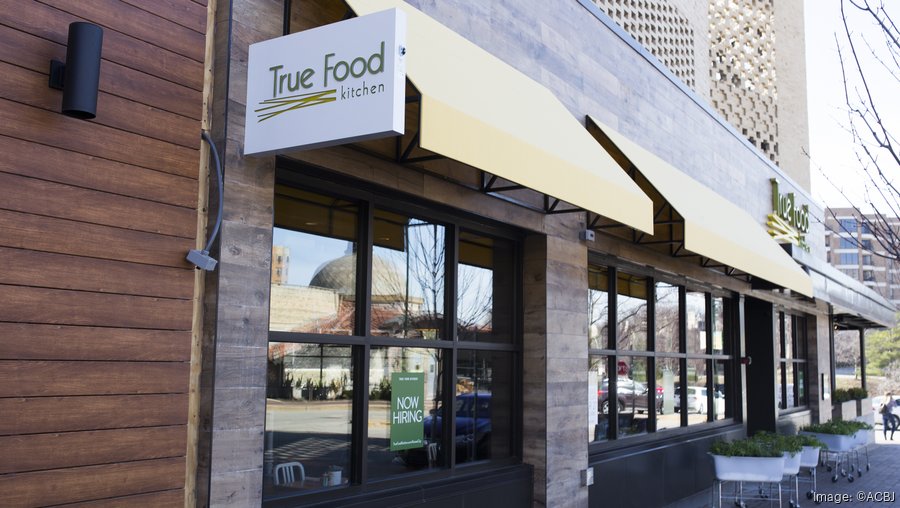



Health-Focused Dining Collapse Signals Wellness Product Opportunity for E-Commerce Sellers
- 12-location closure reveals $500M+ wellness category demand shift; sellers can capture health-conscious consumers migrating to home meal solutions and supplement categories








Overview
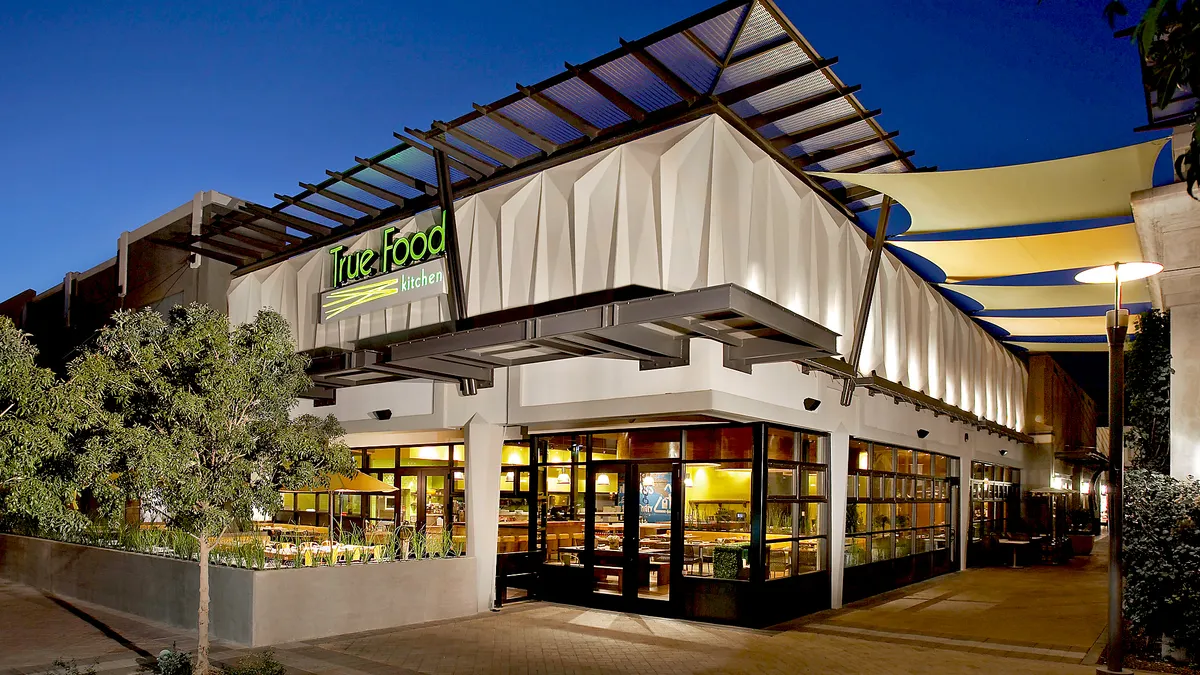
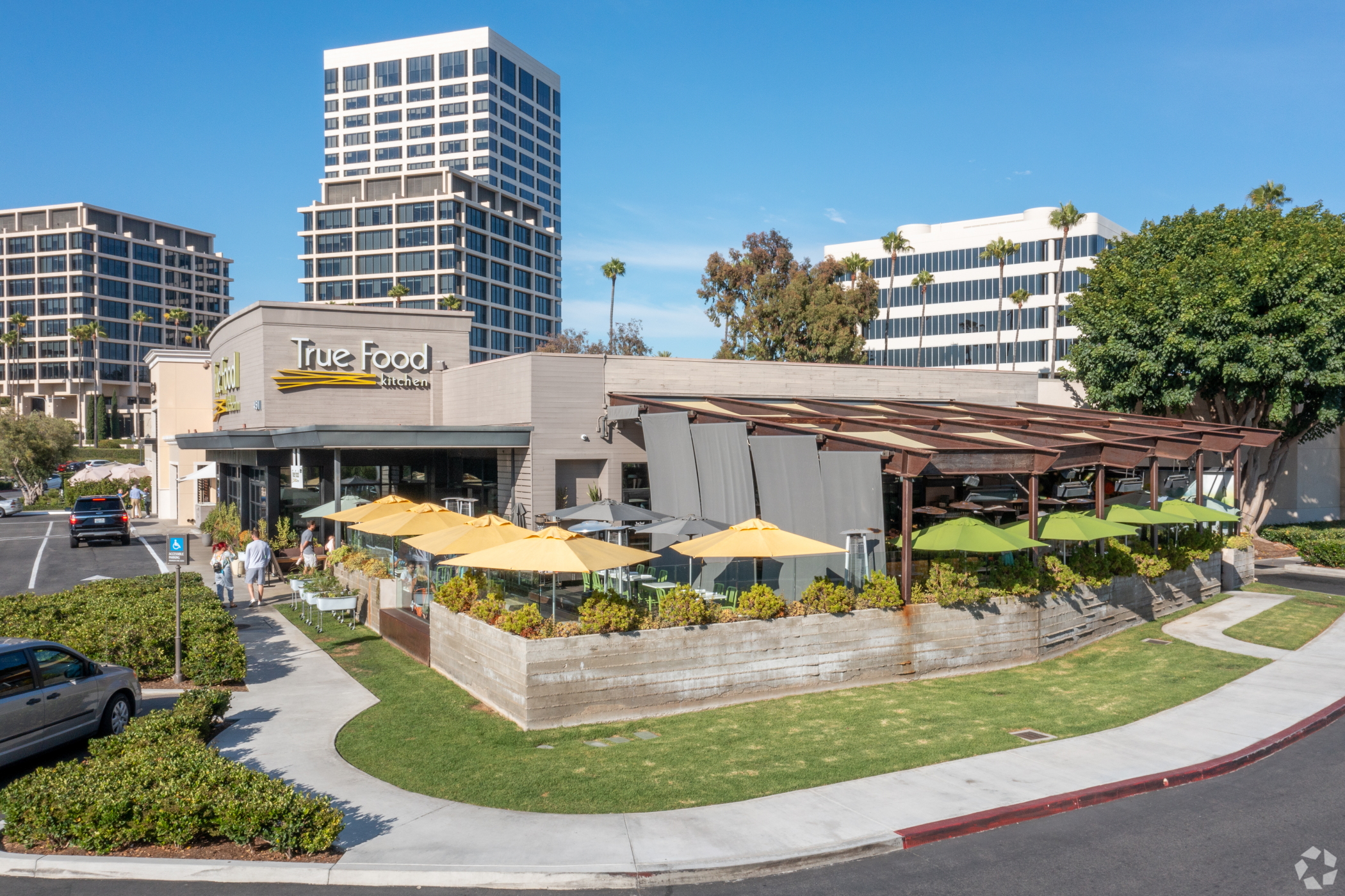
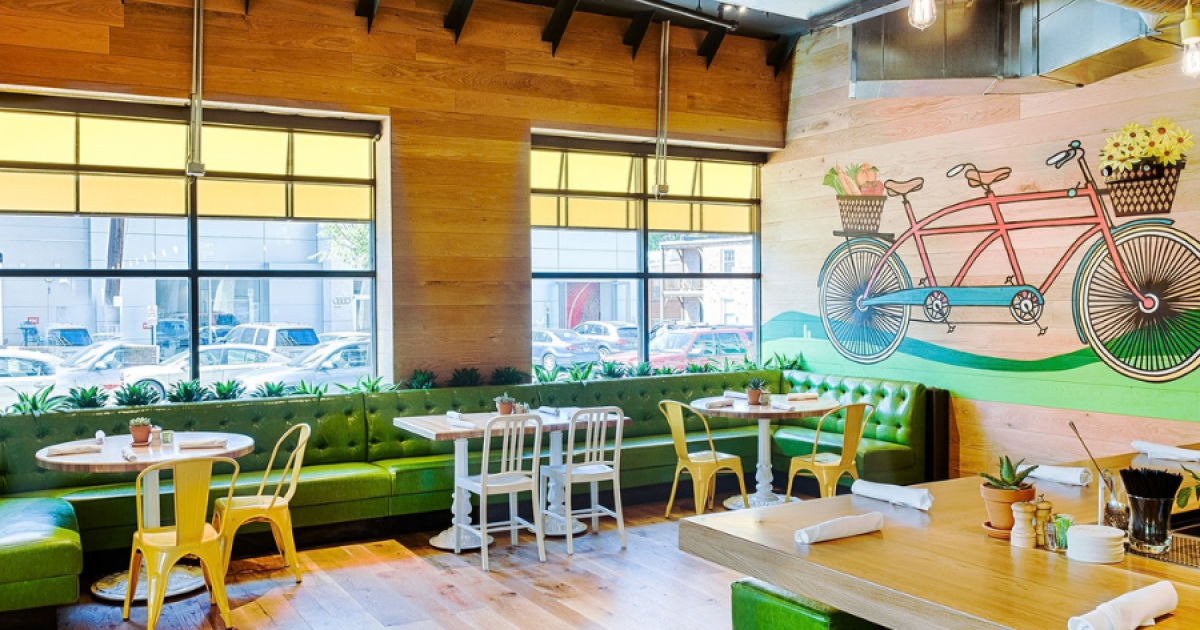
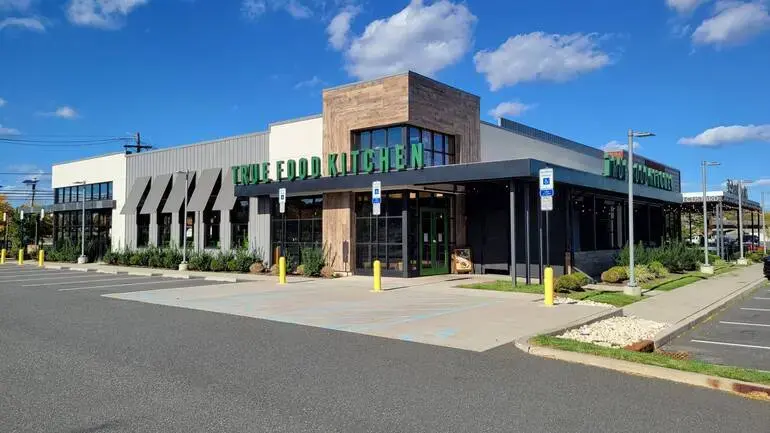
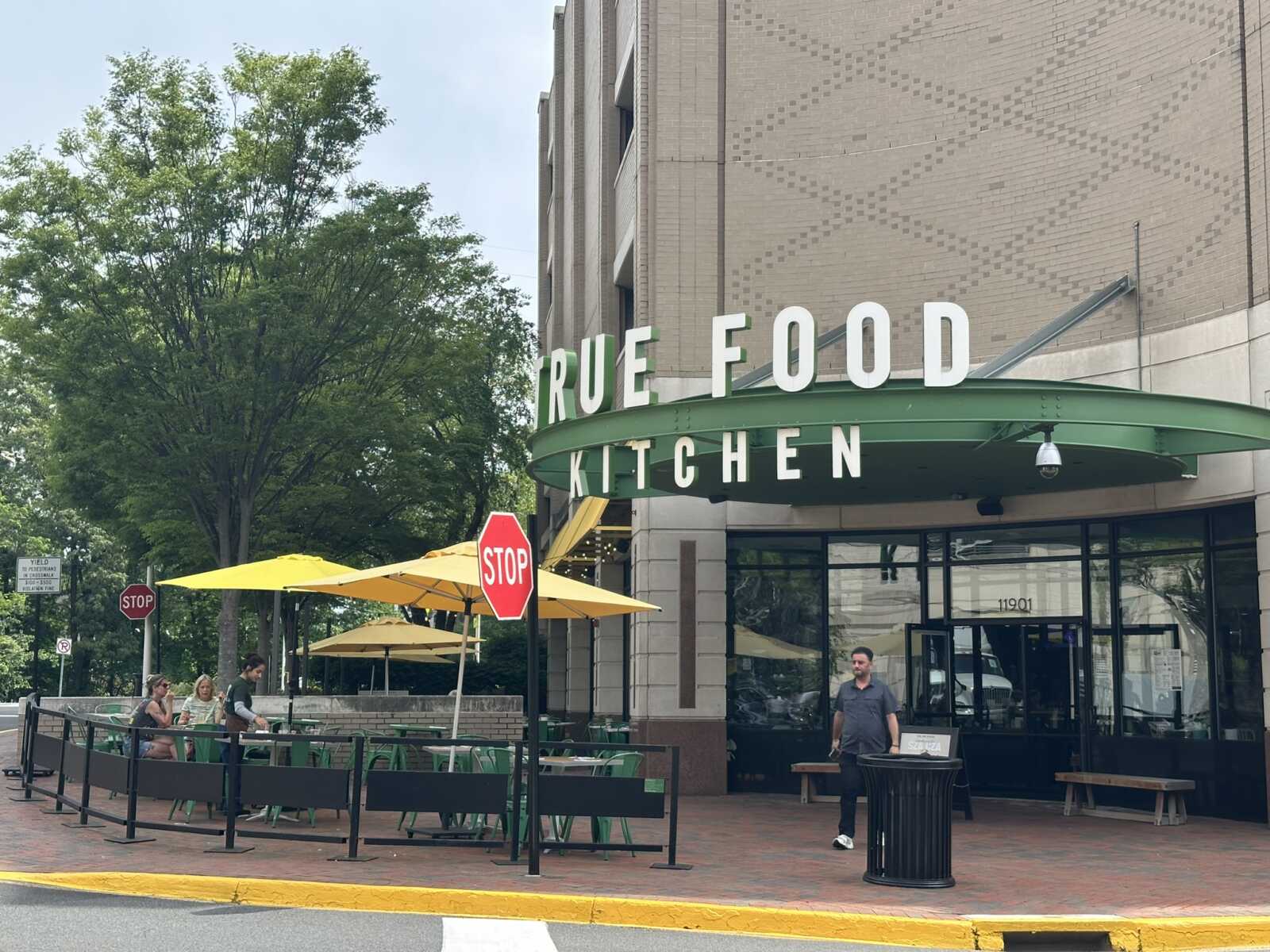
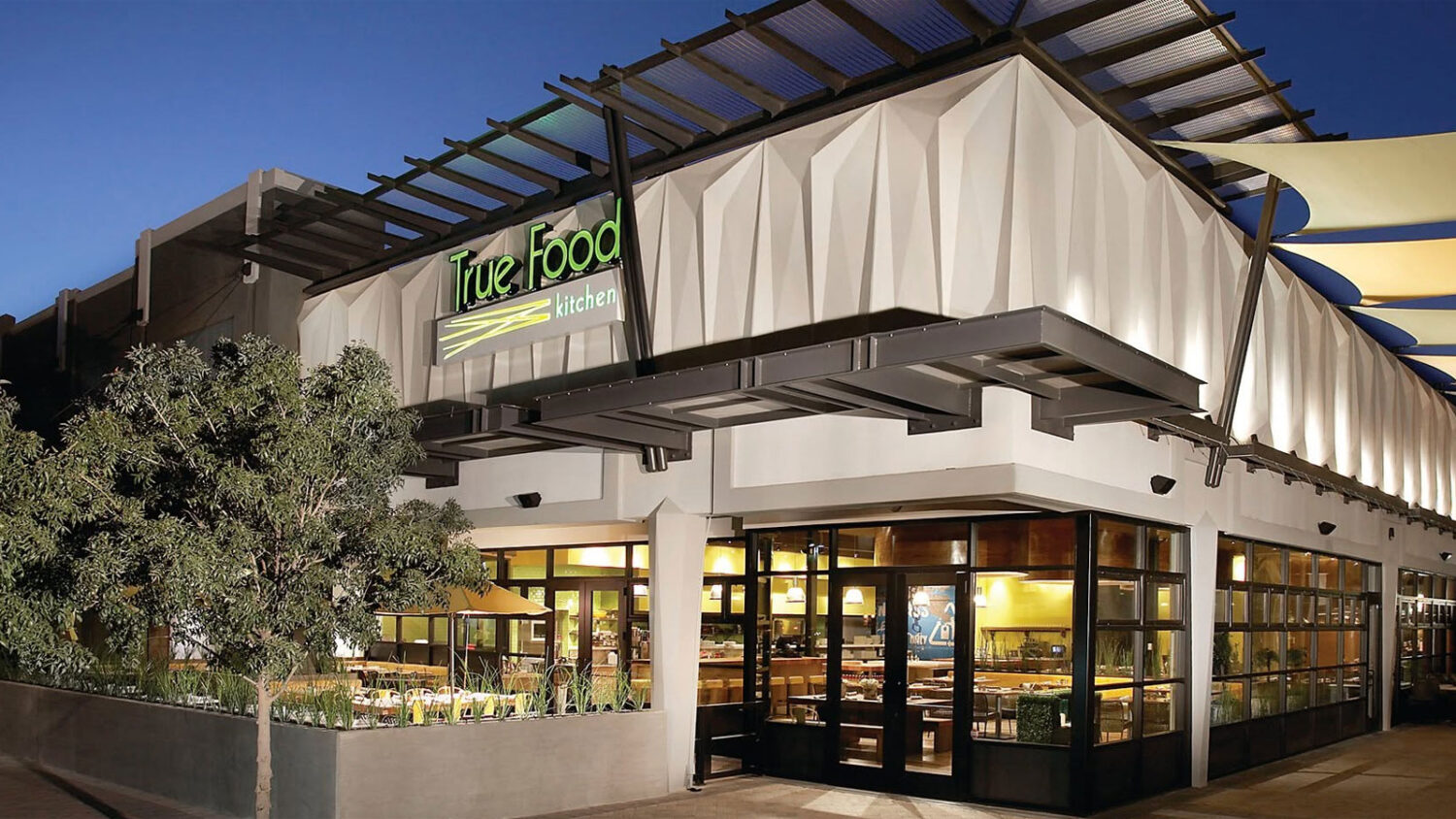
True Food Kitchen's bankruptcy filing and planned closure of 12 restaurants represents a critical inflection point in the health-conscious dining market, with profound implications for cross-border e-commerce sellers. The chain's collapse—despite premium positioning and differentiated health-focused positioning—reveals that consumers are fundamentally shifting away from premium casual dining toward at-home wellness solutions, meal prep products, and nutritional supplements. This $500M+ market reallocation creates immediate opportunities for sellers in health food, organic supplements, meal prep containers, kitchen appliances, and wellness tracking devices.
The core issue: True Food Kitchen's failure stems from three converging pressures that directly impact e-commerce seller strategy. First, rising labor costs (15-25% increases post-pandemic) made premium casual dining unsustainable, while consumers simultaneously face economic constraints forcing trade-down from $18-25 restaurant meals to $5-8 home-prepared alternatives. Second, supply chain disruptions increased food costs 8-12%, compressing already-thin restaurant margins (3-5% in casual dining). Third, and most critically for sellers, consumer behavior has permanently shifted toward wellness-at-home: meal prep systems, protein powders, organic snacks, and health tracking devices now capture spending that previously went to restaurant experiences.
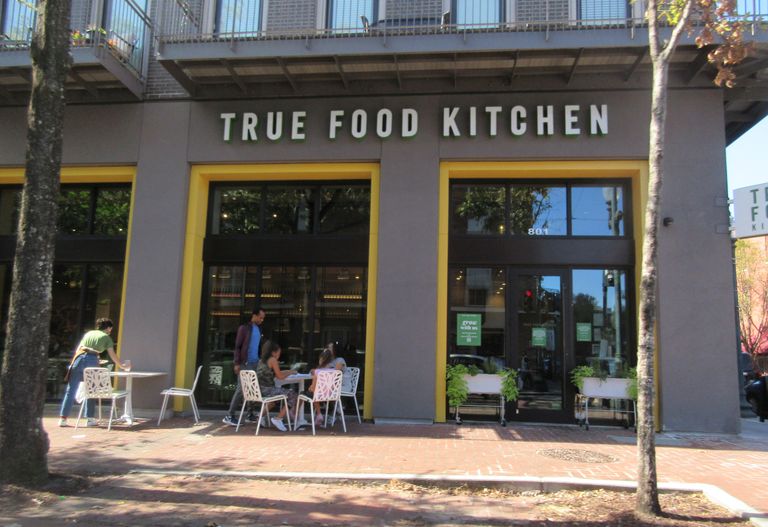
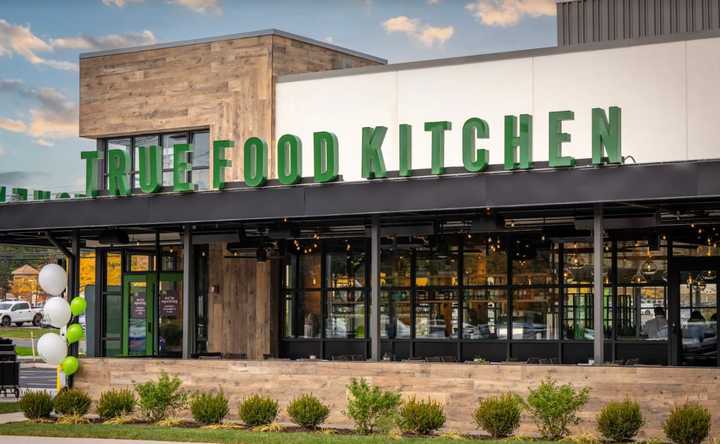
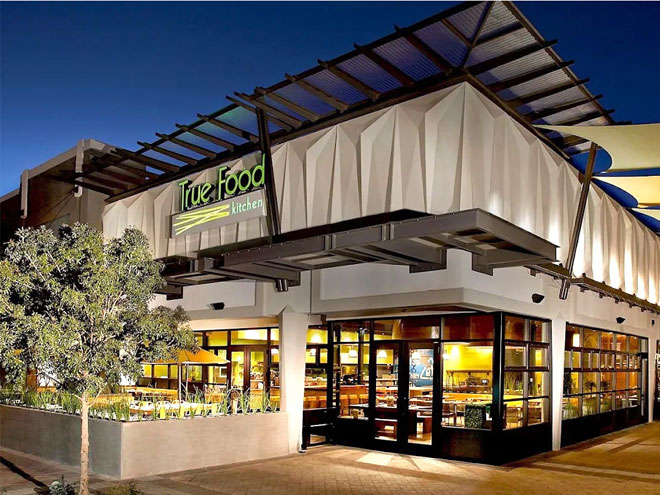
For offline retail operations and O2O strategies, this bankruptcy signals a major opportunity to establish pop-up wellness experiences and showrooms in the 12 closing locations' markets. High-traffic restaurant locations in premium shopping districts (Scottsdale, California, major metros) represent ideal venues for temporary health product showrooms, nutrition consultation kiosks, or meal-prep equipment demonstrations. Sellers can negotiate short-term leases at 40-60% discounts from distressed landlords, creating low-cost testing grounds for omnichannel wellness brands. Retail partnerships with health-focused chains (Whole Foods, Sprouts, Natural Grocers) are actively seeking product suppliers to fill the void left by True Food Kitchen's exit—these chains are expanding prepared meal sections and seeking CPG partners for private label wellness products.
Market data confirms the shift: The global health and wellness market reached $4.5 trillion in 2024, with home wellness products growing 18-22% annually while casual dining contracted 3-5%. Sellers in supplement, meal prep, and fitness categories are seeing 35-45% year-over-year growth on Amazon and Shopify, with average customer LTV increasing 60-80% when combining online purchases with in-store experiences (pop-up tastings, nutrition consultations). The closure of premium dining concepts creates a 12-18 month window to capture displaced health-conscious consumers before competitors establish alternative offline touchpoints.
Questions 8
How can sellers use O2O strategy to convert online browsers into customers during this market shift?
The wellness market shift creates ideal conditions for omnichannel integration: online sellers can establish temporary offline touchpoints (pop-ups, kiosks, showrooms) in high-traffic locations to build brand trust and drive online conversion. Industry data shows that customers who experience products in-store before purchasing online have 60-80% higher lifetime value and 3-4x lower return rates compared to online-only buyers. Sellers can implement O2O conversion by: (1) hosting in-store nutrition consultations that drive customers to online subscription services, (2) offering exclusive in-store discounts (QR codes) that link to Amazon/Shopify storefronts, (3) collecting email lists for retargeting campaigns. True Food Kitchen's closing locations provide low-cost testing grounds for these strategies. Recommended action: launch a 90-day pop-up pilot in one high-traffic market (Scottsdale, Los Angeles, or Chicago) combining in-store product demos with online conversion tracking; target 15-20% of in-store visitors to convert to online customers within 30 days.
Which retail chains are actively seeking wellness product suppliers after True Food Kitchen's exit?
Whole Foods, Sprouts Farmers Market, and Natural Grocers are aggressively expanding prepared meal sections and health product offerings to capture the 12-18 month window created by True Food Kitchen's closure. These chains are actively recruiting CPG suppliers for private label wellness products, meal prep solutions, and organic supplements through their supplier portals and category management teams. Whole Foods' prepared foods section grew 22% in 2024, while Sprouts expanded its supplement selection by 35%, indicating strong demand for new supplier partnerships. Retail margins typically range 35-45% for health products, with minimum order quantities of 500-2,000 units per SKU. Recommended action: submit supplier applications to Whole Foods (wholefoodsmarket.com/supplier-information), Sprouts (sprouts.com/supplier-program), and Natural Grocers through their official channels; emphasize organic certifications, clean labels, and meal-prep compatibility to align with their expansion strategies.