

Japan Beer Cartel Investigation | Supply Chain Risk & Pricing Volatility for Cross-Border Sellers
- Fair Trade Commission raids 4 brewers controlling 90% of market; impacts wholesale pricing, inventory costs, and Australian distribution networks for international sellers


Overview
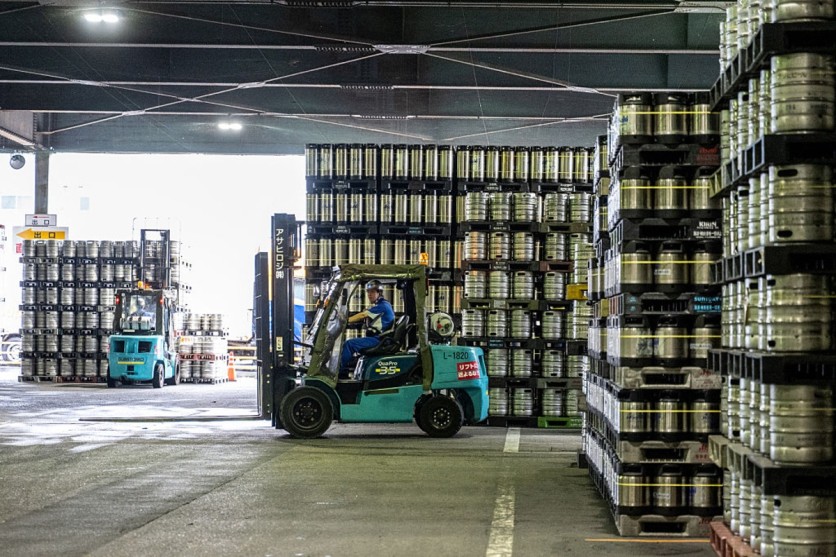
Japan's Fair Trade Commission launched a major anti-monopoly investigation on October 7, 2026, raiding Asahi, Kirin, Sapporo, and Suntory—four brewers controlling approximately 90% of Japan's domestic beer market—on suspected price-fixing collusion. The investigation examines whether these companies coordinated simultaneous price increases over multiple years, citing rising raw material costs as justification. This regulatory action carries substantial implications for cross-border e-commerce sellers, particularly those sourcing Japanese beer brands or managing international distribution networks.
Supply Chain & Pricing Impact: The investigation directly affects sellers handling Japanese beer exports, especially to Australia where Japanese brands represent only 4% of beer imports but have experienced significant growth—notably Asahi's Super Dry sales surged 40% in Australia since 2020. Kirin and Sapporo maintain substantial Australian manufacturing operations (Kirin operates Lion Breweries with multiple production facilities; Asahi employs 4,000 Australians across 17 manufacturing sites), creating complex supply chain dependencies. If anti-monopoly violations are confirmed, the Fair Trade Commission can impose substantial fines and mandate business practice improvements, potentially triggering compliance costs, operational restructuring, and pricing adjustments that compress wholesale and retail margins for sellers.
Competitive Dynamics & Market Timing: The investigation reflects broader regulatory scrutiny in Japan's beverage sector—earlier in 2026, six major ice cream manufacturers faced identical price-fixing allegations, signaling authorities' commitment to enforcement. Market reaction was immediate: beer maker shares declined nearly 4% following raid announcements, indicating investor concern about potential penalties and operational disruption. For sellers, this creates a critical timing window: current pricing volatility presents opportunities to lock in favorable wholesale rates before potential price corrections, while simultaneously exposing inventory to margin compression if compliance costs force price reductions.
Tariff & Market Access Considerations: The investigation may accelerate sourcing diversification away from Japanese brewers toward alternative suppliers in Vietnam, Thailand, or South Korea, where regulatory environments present fewer cartel risks. Sellers should monitor Australian import dynamics closely—Japanese beer's 40% growth trajectory suggests strong demand elasticity, but regulatory-driven price increases could shift consumer preferences toward domestic or alternative imported brands. The compliance timeline remains uncertain, but historical Japanese regulatory cases typically resolve within 12-18 months, creating a medium-term planning horizon for inventory and pricing strategy adjustments.
Questions 7
What immediate actions should sellers take in response to this investigation?
Immediate actions (0-30 days): (1) Audit all supplier contracts for price escalation clauses and termination rights; (2) Request written confirmation from suppliers regarding FTC compliance status; (3) Lock in wholesale pricing for 90-180 days where possible; (4) Inventory current Japanese beer stock levels and calculate margin impact at 5%, 10%, and 15% price increases. Medium-term actions (30-90 days): (5) Evaluate alternative suppliers in Vietnam, Thailand, South Korea; (6) Monitor FTC announcements weekly via JFTC.go.jp; (7) Adjust pricing strategies to maintain margins if wholesale costs increase; (8) Review platform policies (Amazon, eBay) regarding alcohol category compliance. Risk mitigation: Avoid aggressive inventory builds until regulatory clarity emerges; maintain 30-45 day cash reserves for potential margin compression.
How does Japan's beer cartel investigation affect cross-border sellers sourcing Japanese brands?
The Fair Trade Commission investigation of Asahi, Kirin, Sapporo, and Suntory creates immediate supply chain uncertainty for sellers. These four brewers control 90% of Japan's domestic market and maintain significant international operations—Asahi employs 4,000 Australians across 17 manufacturing sites, while Kirin operates Lion Breweries in Australia. If anti-monopoly violations are confirmed, the FTC can impose fines and mandate business practice changes, potentially triggering compliance costs and pricing adjustments that compress wholesale margins. Sellers should immediately audit their supplier contracts for price escalation clauses and consider locking in current wholesale rates before potential regulatory-driven corrections occur.