


Local AI Processing Revolution | E-Commerce Sellers Gain Competitive Edge with On-Device AI Tools
- Microsoft's $2,599-$5,900 RTX Spark laptops enable sellers to run AI agents locally, reducing cloud costs 60-80% while automating product research, pricing, and customer service at scale













Overview
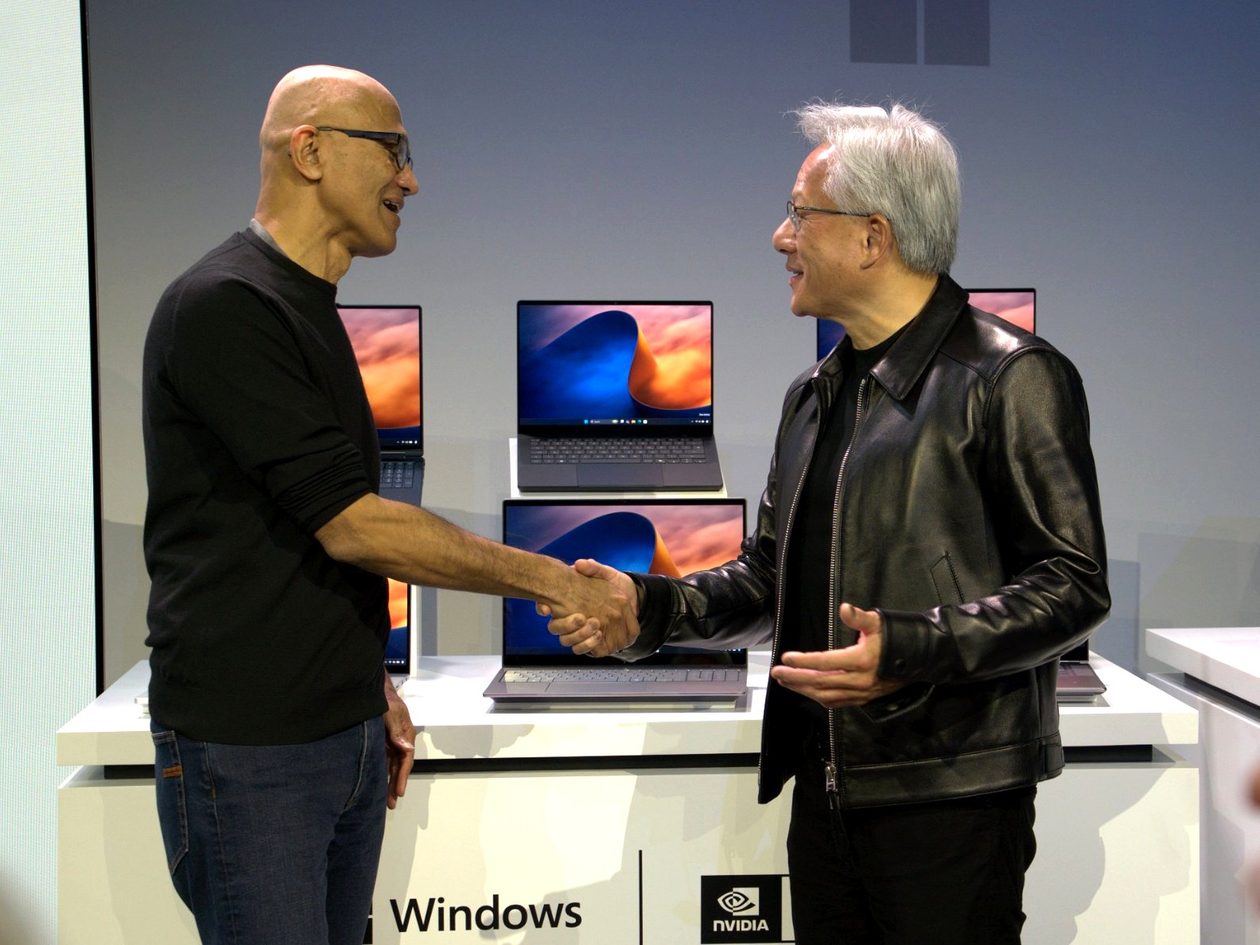
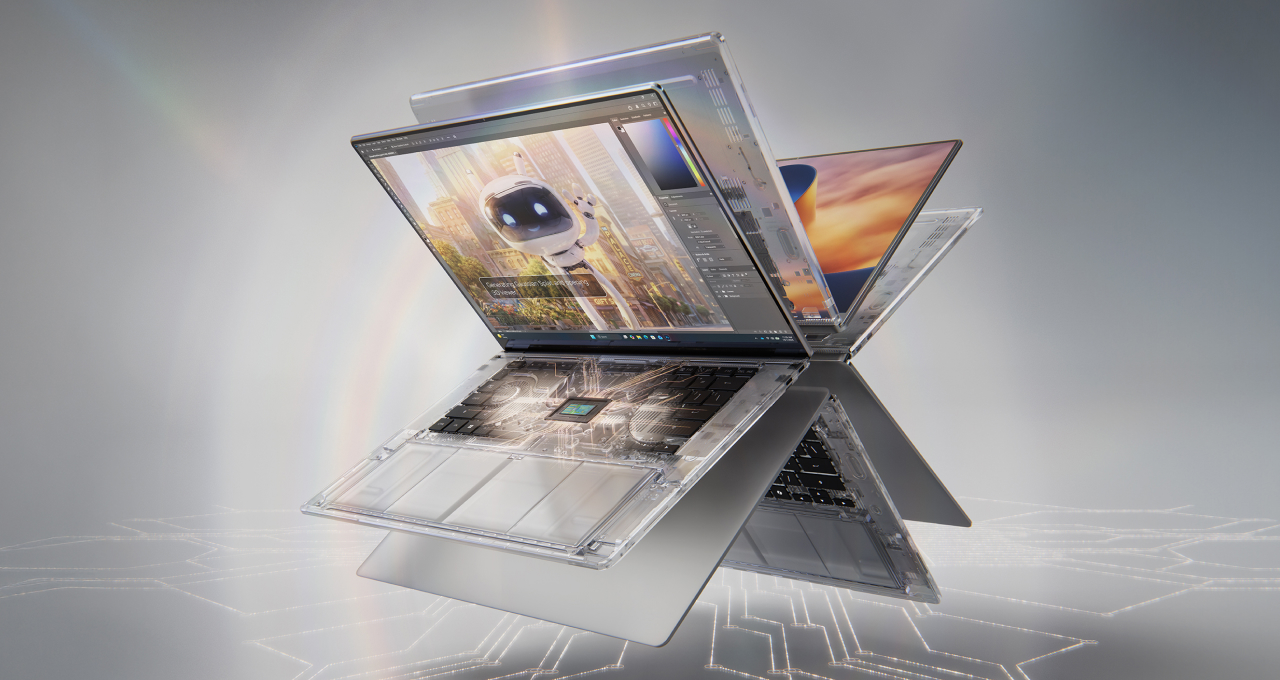
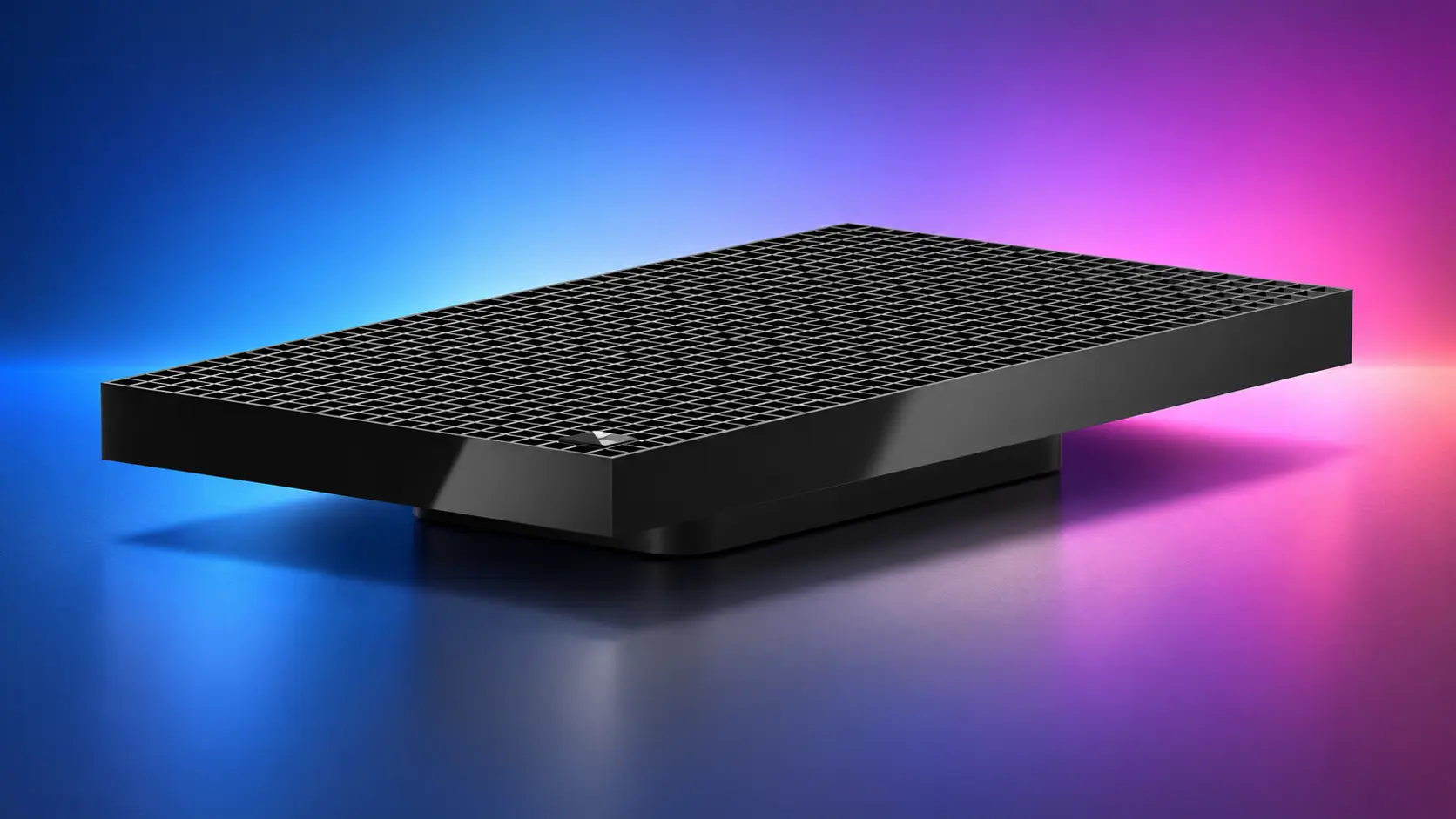
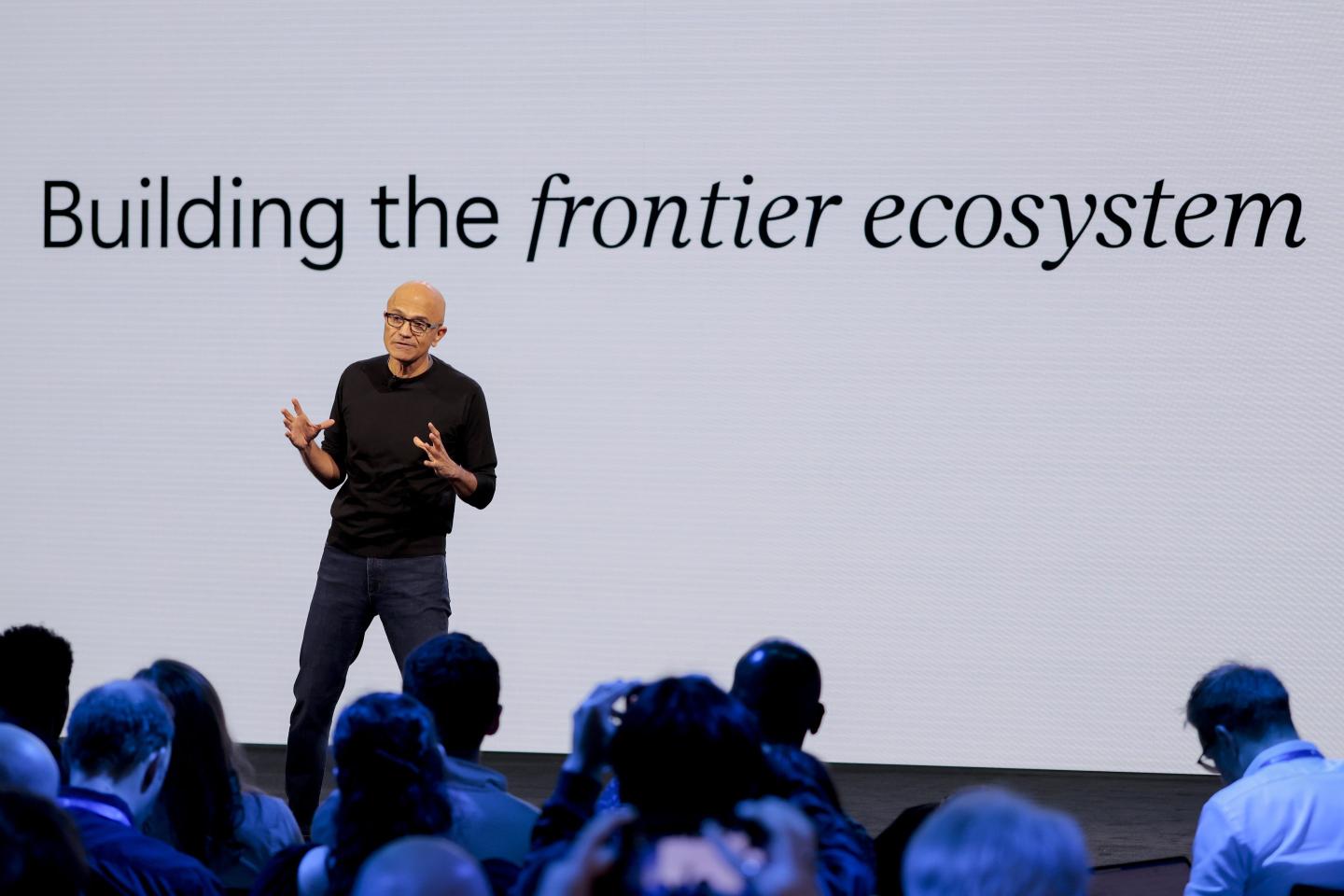
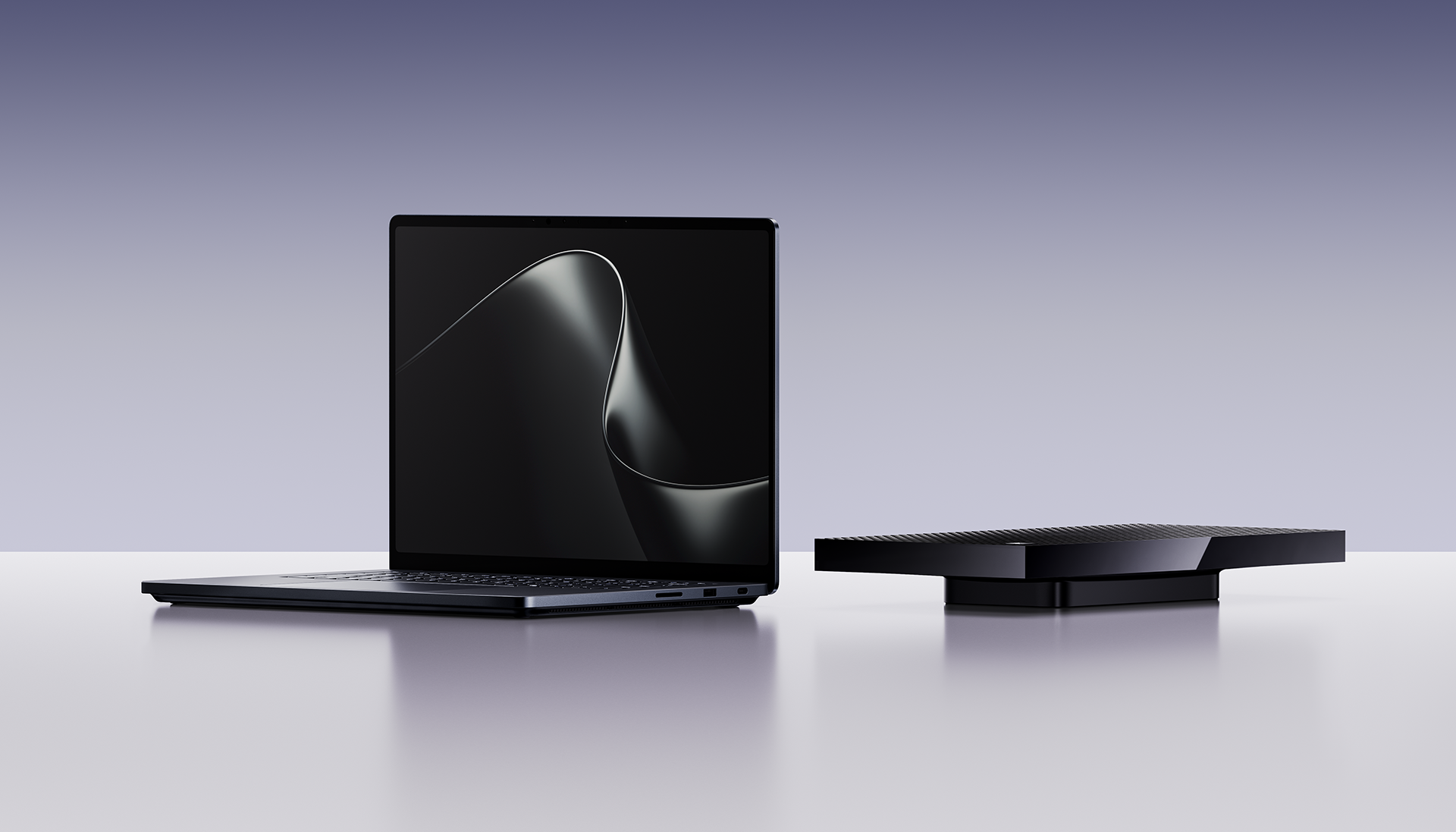
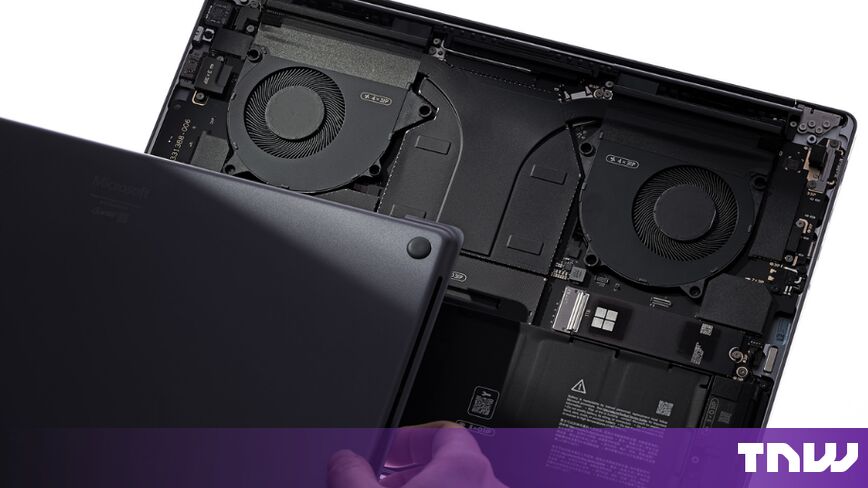
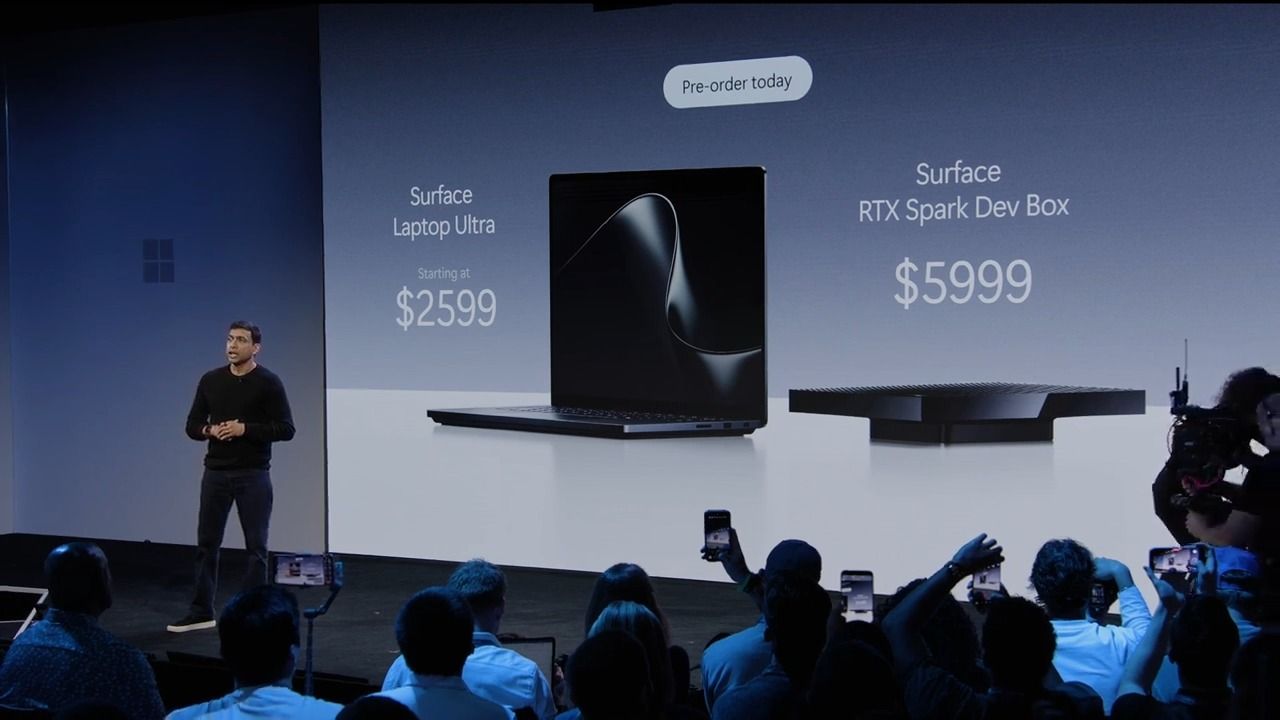
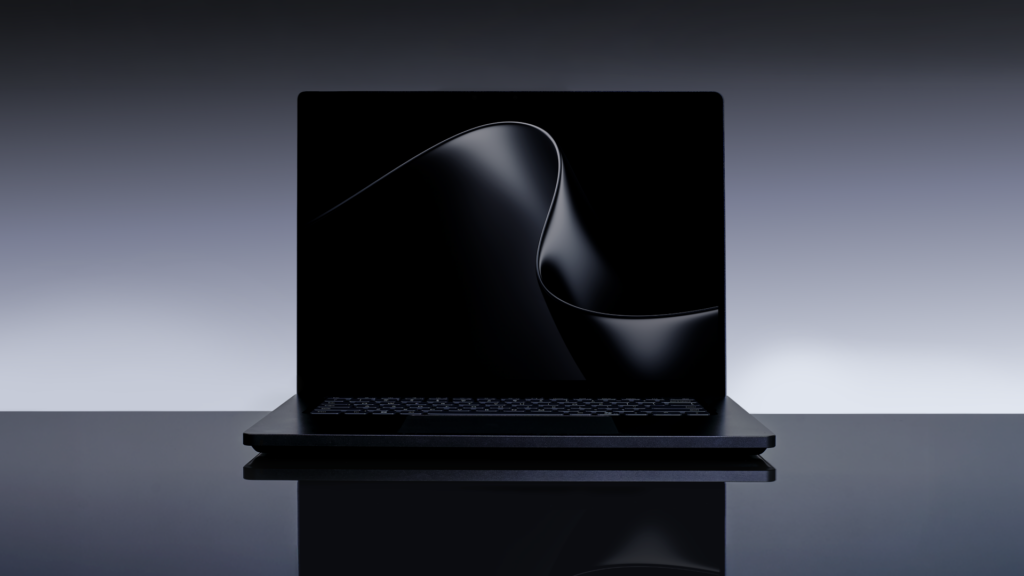
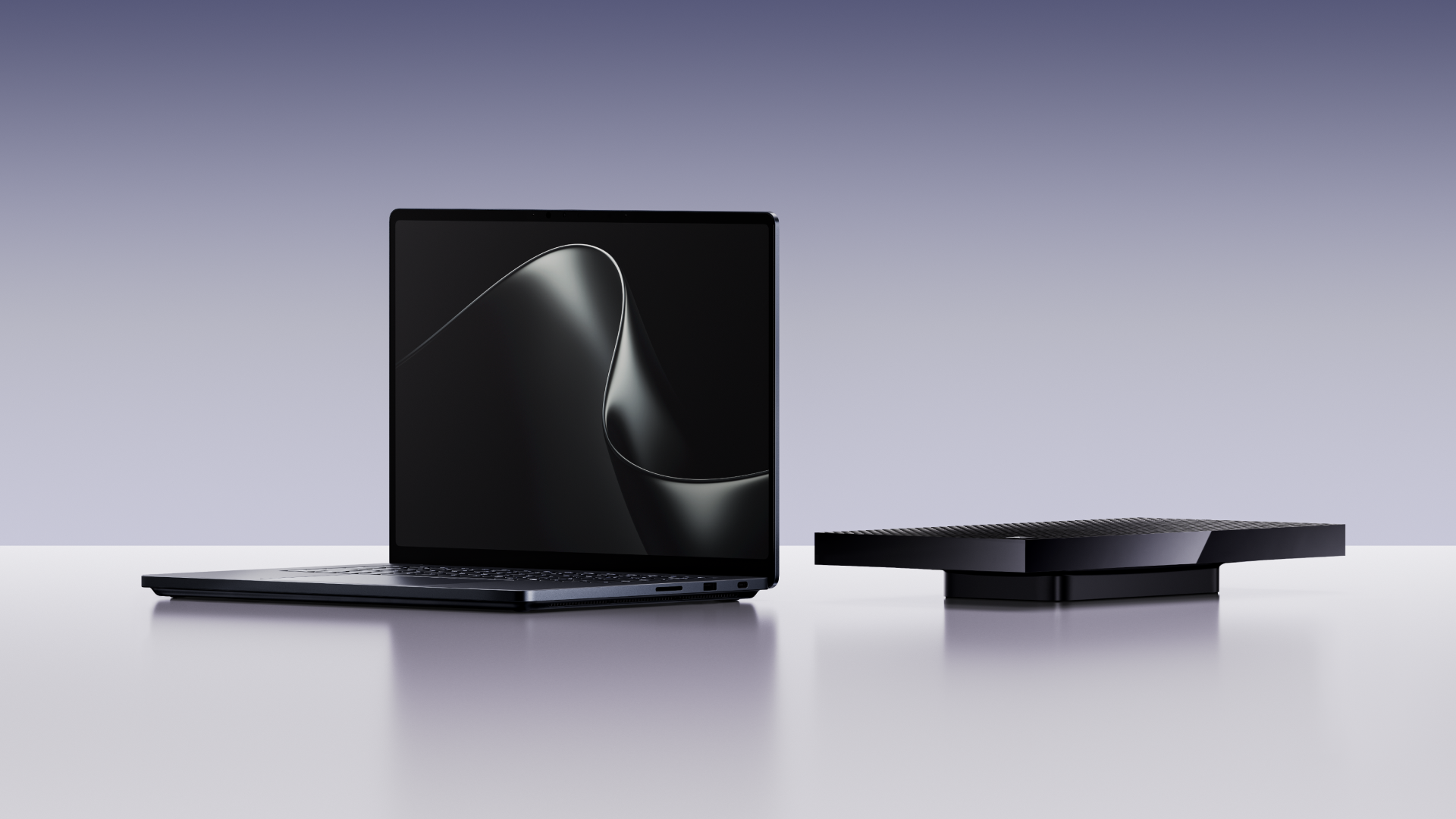
Microsoft's strategic shift toward on-device AI processing fundamentally changes how e-commerce sellers can deploy automation tools. The company's October 2026 launch of Surface Laptop Ultra ($2,599-$5,900) and RTX Spark Dev Box ($6,000+), powered by NVIDIA's Blackwell GPU delivering one petaflop of FP4 AI performance, creates a new infrastructure paradigm for sellers. Unlike cloud-dependent AI services that charge per API call or token consumption, these devices enable frontier-class models (125B+ parameters like Qwen 3.8 Flash Next) to run locally without cloud connectivity. This directly addresses the hidden cost crisis in e-commerce: sellers using ChatGPT API, Claude, or Copilot for product research, listing optimization, and customer service automation face escalating token costs—often $500-2,000/month for high-volume operations.
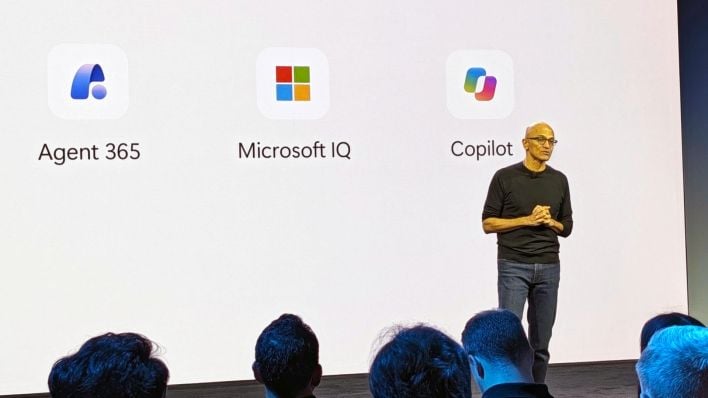
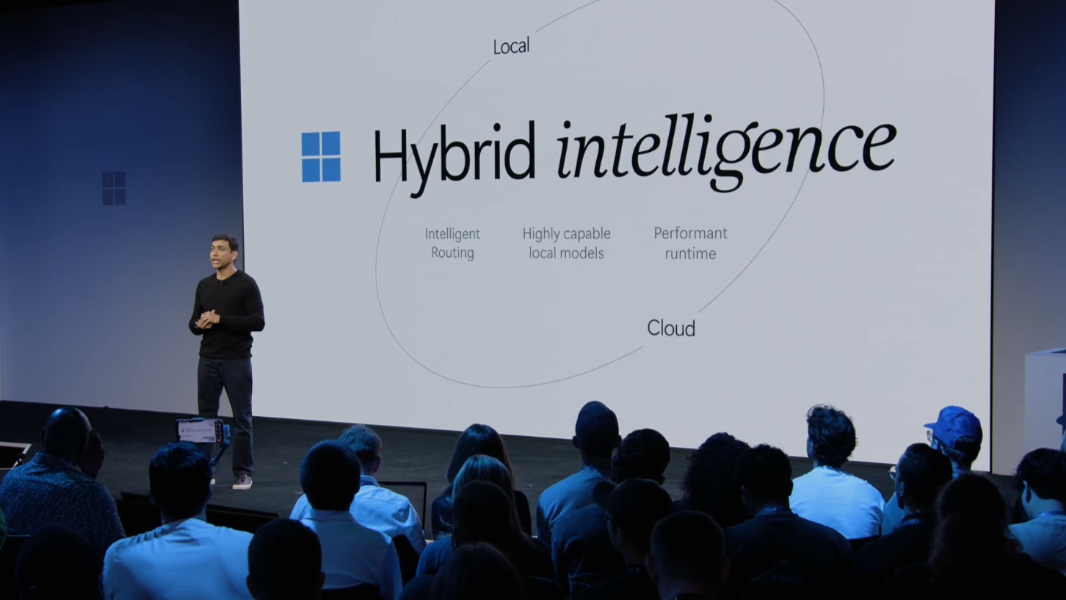
The immediate automation opportunity is massive for mid-market sellers. Microsoft's Microsoft Execution Containers (MXC) now generally available on Windows 11 enables developers to sandbox AI agents securely, allowing sellers to deploy custom automation workflows without cloud infrastructure. GitHub's HydraFusion intelligent routing extends to Windows, intelligently routing tasks between local and cloud models to minimize token consumption. This means a seller running 10,000 product research queries monthly can execute 70-80% locally on RTX Spark hardware (reducing to 2,000-3,000 cloud queries), cutting API costs from $1,500 to $300-500 monthly. The hardware investment ($2,599 for Surface Laptop Ultra) pays for itself in 3-4 months for sellers with significant AI automation needs.
Competitive intelligence and data analysis capabilities expand dramatically with local processing. Sellers can now run large language models continuously on local hardware to analyze competitor pricing, monitor market trends, and generate dynamic pricing recommendations without cloud latency or cost constraints. The RTX Spark's 128GB unified memory enables batch processing of entire product catalogs (10,000+ SKUs) for sentiment analysis, keyword optimization, and demand forecasting. Windows ML runtime supporting llama.cpp allows deployment of open-source models (DeepSeek V4 Flash, NVIDIA Nemotron 70B) optimized to 2-3 bit precision, reducing memory footprint 80% while maintaining accuracy. For sellers managing multi-category operations across Amazon, Shopify, and eBay, this represents a $10,000-30,000 annual cost savings in cloud AI services while enabling real-time, on-device intelligence previously impossible at this price point.
Questions 8
What is the total cost of ownership for RTX Spark hardware versus cloud AI services over 3 years?
RTX Spark hardware: Surface Laptop Ultra ($2,599-$5,900) + Windows 11 Pro ($200) + development tools (free/open-source) = $2,800-$6,100 upfront. Annual maintenance: $300-500 (software updates, occasional repairs). 3-year total: $3,700-$7,600. Cloud AI services (current baseline): $300-500/month for mid-sized seller automation = $10,800-$18,000 over 3 years. **RTX Spark achieves 60-65% cost savings over 3 years** compared to cloud-dependent workflows. Break-even occurs at 8-12 months for sellers with high automation volume (1,000+ daily AI operations). Sellers with lower automation needs (under 500 daily operations) should wait for RTX Spark-optimized SaaS tools rather than investing in hardware. The DGX Station for Windows ($50,000+) targets enterprise sellers with 10,000+ daily operations, achieving ROI within 12-18 months through massive cloud cost reduction.
Which hardware manufacturers are launching RTX Spark systems for sellers?
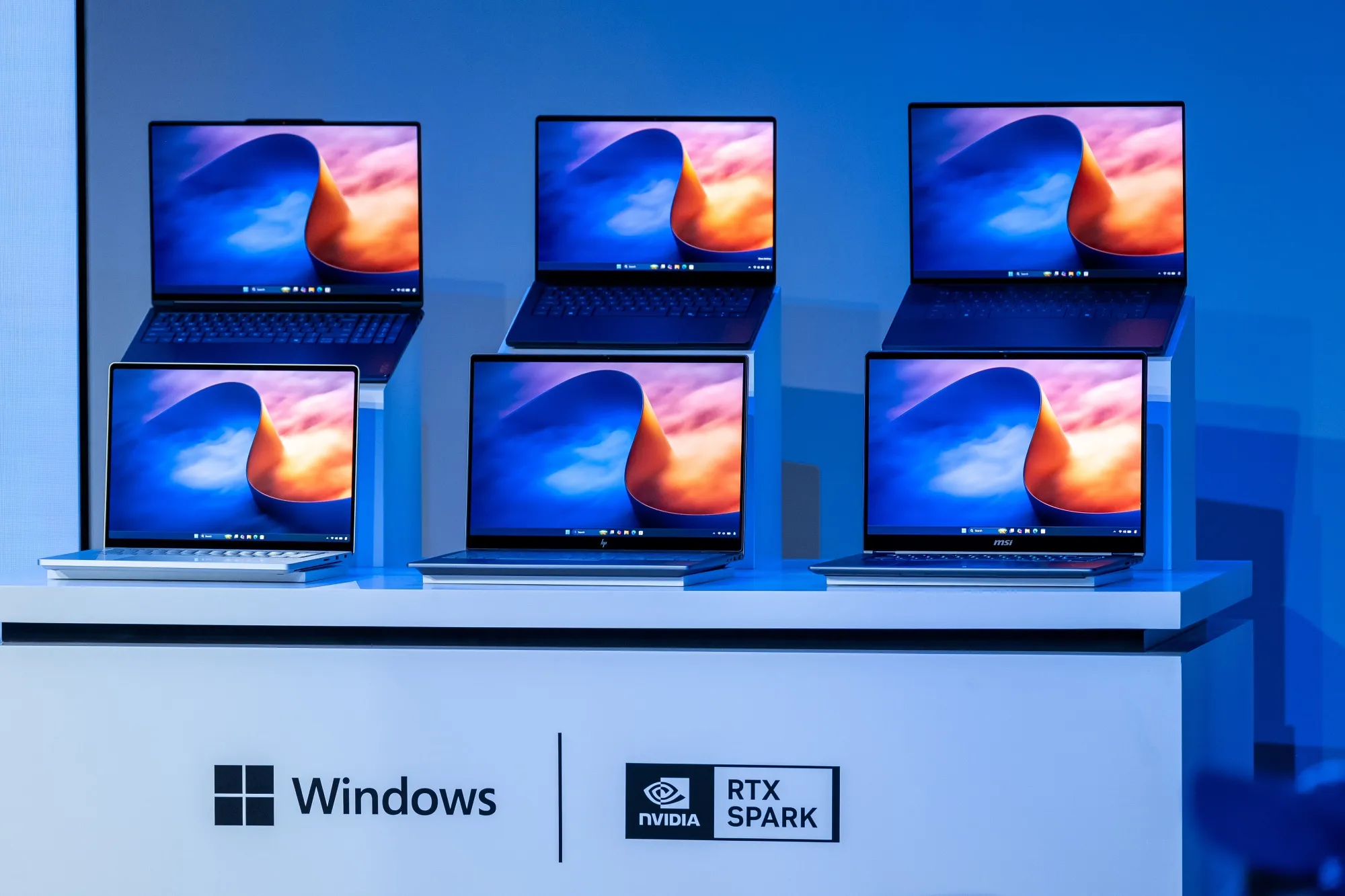
Major manufacturers including ASUS, Dell, HP, Lenovo, Microsoft, MSI, Acer, and Gigabyte are developing RTX Spark systems. Dell's XPS 16 Creator Edition ($3,800, October delivery) targets content creators and video processors. Microsoft's Surface Laptop Ultra ($2,599-$5,900) offers the broadest appeal for general sellers. NVIDIA previewed DGX Station for Windows (748GB coherent memory, 20 petaFLOPS compute), addressing enterprise developers at Fortune 500 companies. This ecosystem ensures sellers have multiple hardware options at different price points, from $2,599 laptops to $6,000+ workstations, enabling adoption across seller segments from solopreneurs to enterprise operations.