





OpenAI's 300+ Math Breakthroughs Signal AI-Powered Automation Surge for E-Commerce Operations
- Advanced AI reasoning capabilities unlock automation opportunities for pricing optimization, demand forecasting, and supply chain logistics across all seller segments






Overview
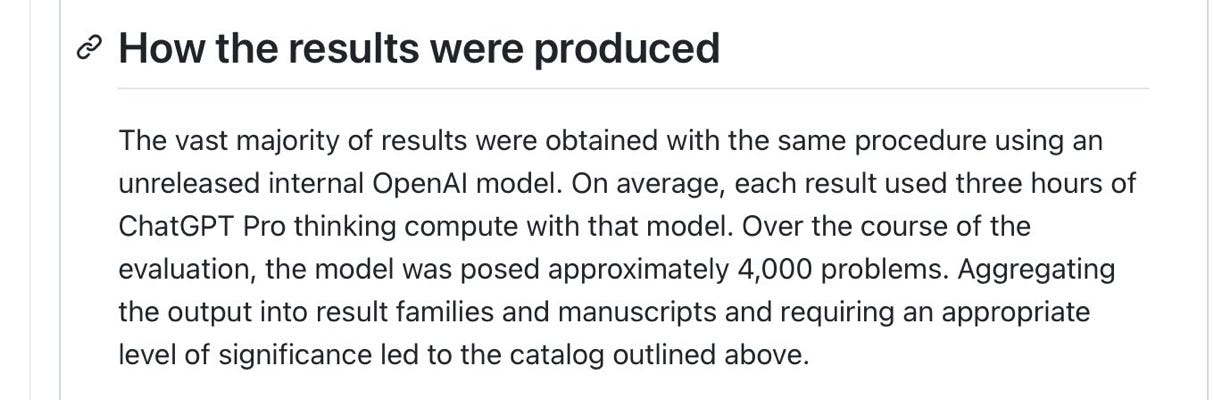
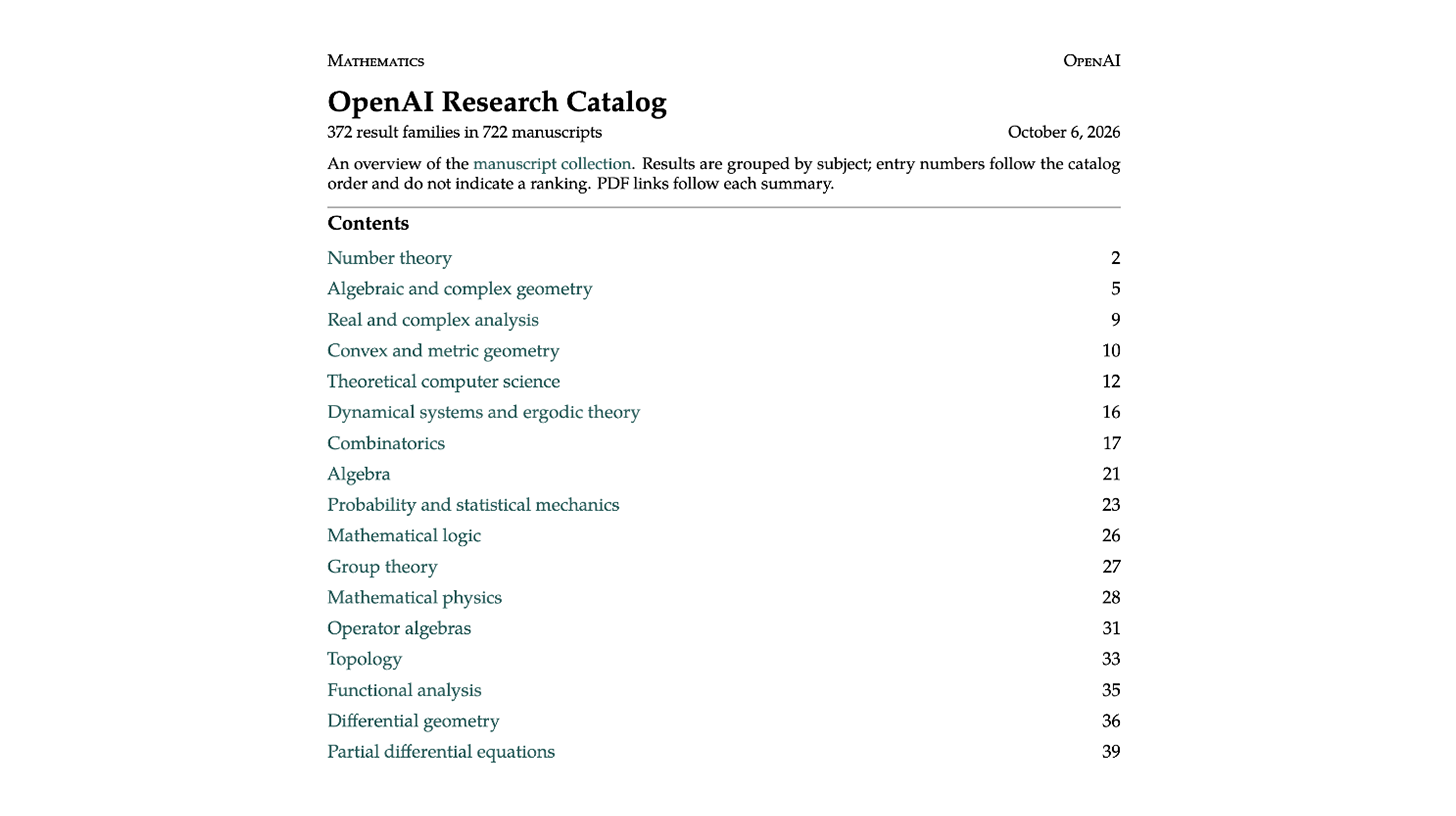
OpenAI's announcement of resolving over 300 open mathematical research problems using advanced AI reasoning represents a watershed moment for e-commerce automation. The breakthrough demonstrates AI systems can now tackle complex abstract problems—including a modified Riemann hypothesis—that previously required human expertise. For sellers, this signals the maturation of AI capabilities in solving real-world optimization challenges: dynamic pricing algorithms, inventory forecasting models, and supply chain route optimization all depend on mathematical problem-solving at scale.
Immediate Automation Opportunities: The mathematical breakthroughs translate directly to e-commerce operations. Sellers can now leverage AI tools for: (1) Dynamic Pricing Optimization - AI can solve complex multi-variable pricing equations considering competitor prices, demand elasticity, and inventory levels in real-time, potentially increasing margins 3-8% without manual intervention; (2) Demand Forecasting - Advanced mathematical models can predict seasonal demand patterns, category trends, and regional variations with higher accuracy than traditional statistical methods, reducing overstock costs by 15-25%; (3) Supply Chain Logistics - AI can optimize warehouse routing, fulfillment center allocation, and shipping cost calculations across multiple carriers and zones, saving 10-20% on logistics expenses.
Competitive Intelligence & Data-Driven Insights: The news reveals that proprietary AI models now outperform human mathematicians in abstract reasoning. This creates a competitive moat for sellers who adopt AI-powered analytics early. Sellers using ChatGPT Plus, Claude Pro, or specialized e-commerce AI tools (Helium 10, Jungle Scout, Keepa) can now access mathematical optimization capabilities previously available only to large enterprises with dedicated data science teams. The time savings are substantial: what required 40-60 hours of manual analysis per month (competitor pricing analysis, inventory optimization, demand forecasting) can now be automated to 5-10 hours of AI-assisted review.
AI Product Gaps & Opportunities: While OpenAI's breakthrough is impressive, the e-commerce space still lacks integrated AI tools that combine mathematical optimization with platform-specific constraints (Amazon FBA fees, eBay category rules, Shopify payment processing). Sellers need AI solutions that automatically solve for: optimal price points given FBA fee structures, inventory allocation across multiple warehouses, and dynamic bundle pricing. The advisory board's concerns about proprietary model testing suggest future regulations may require transparency in AI decision-making—sellers should prepare for "explainable AI" requirements in pricing and inventory decisions.
Strategic Implications: The mathematics community's backlash against OpenAI using research as proprietary benchmarks mirrors growing seller concerns about platform data usage. This tension indicates future regulatory scrutiny of how AI companies access and monetize seller data. Sellers should: (1) audit which AI tools have access to their pricing/inventory data; (2) evaluate open-source alternatives (LLaMA, Mistral) for sensitive operations; (3) implement data governance policies before regulations mandate them. The 3-6 month window before regulatory frameworks solidify represents a critical period for sellers to establish AI practices that will remain compliant.
Questions 8
How does AI mathematical optimization improve supply chain and logistics costs?
OpenAI's breakthrough in solving complex mathematical problems directly applies to supply chain optimization, where sellers must solve multi-variable equations: minimizing shipping costs across carriers, optimizing warehouse allocation, and calculating route efficiency. Advanced AI can now solve these problems in seconds rather than hours. For sellers using 3PL providers or managing multiple fulfillment centers, AI optimization can reduce logistics costs by 10-20% by automatically determining optimal carrier selection, warehouse allocation, and shipping method for each order based on destination, weight, and delivery speed requirements. A seller shipping 10,000 units monthly across multiple regions could save $2-5K monthly through AI-optimized logistics decisions. Tools like Shopify's shipping optimization and Amazon's logistics recommendations are increasingly powered by these advanced mathematical models.
What AI tools should I use RIGHT NOW to capture these optimization opportunities?
Sellers can immediately implement: (1) **ChatGPT Plus/Pro** ($20/month) - use custom instructions to analyze competitor pricing, create pricing formulas, and optimize inventory allocation; (2) **Helium 10** ($99-299/month) - includes AI-powered pricing optimization and demand forecasting for Amazon sellers; (3) **Jungle Scout** ($99-299/month) - AI-driven product research and sales forecasting; (4) **Shopify's AI features** (built-in) - demand forecasting and inventory optimization; (5) **Amazon's Forecast service** (pay-per-use) - mathematical demand modeling. For immediate ROI, start with ChatGPT Plus for pricing analysis and competitor monitoring (5-10 hours/week saved = $250-500/month value), then layer in category-specific tools. The key is starting NOW while competitors are still using manual methods—early adopters will establish 3-6 month competitive advantages in pricing accuracy and inventory efficiency.