


EV Tax Credit Elimination Drives Hybrid Surge | Seller Opportunity in Auto Accessories & Parts
- Hybrid vehicle market share jumps 23% as $7,500 EV credit expires; sellers can capitalize on fuel-efficiency accessories, battery tech products, and automotive aftermarket demand




Overview
The elimination of the $7,500 federal EV tax credit on September 30, 2025, triggered a fundamental market restructuring in the U.S. automotive sector with direct implications for cross-border e-commerce sellers. Hybrid vehicle registrations surged to a record 16.3% market share by mid-2026, up from 13.0% a year prior—a 23% increase in sales volume between Q2 2025 and Q2 2026 according to Cox Automotive data. This policy-driven shift creates immediate opportunities for sellers in automotive accessories, battery technology products, and fuel-efficiency merchandise categories.
Market Dynamics and Seller Opportunities: The credit elimination fundamentally altered consumer purchasing behavior. With gas prices exceeding $4 per gallon and the EV incentive removed, consumers shifted toward hybrid vehicles marketed by Toyota (44% market share), Kia, and Hyundai. This creates a two-tier opportunity for sellers: (1) Hybrid-specific accessories (battery management systems, efficiency monitoring devices, hybrid-compatible parts) experiencing accelerated demand; (2) Battery technology products benefiting from falling global battery pack prices ($108/kWh in 2026, down significantly from historical levels), making aftermarket battery upgrades and monitoring solutions more accessible to consumers. Sellers can source these products from Asian manufacturers capitalizing on the $108/kWh cost structure.
Strategic Sourcing and Competitive Positioning: The news reveals a "tug-of-war" in auto demand where higher-income buyers with strong liquid assets continue purchasing vehicles while cost-conscious consumers prioritize fuel efficiency. This bifurcation benefits sellers targeting both segments: premium battery diagnostic tools for affluent buyers, and budget-friendly fuel-efficiency accessories for price-sensitive consumers. The long-term electrification commitment by GM and Ford (evidenced by the upcoming $30,000 Fathom EV truck) signals that EV-related products remain viable long-term, but hybrid accessories represent the immediate 12-24 month opportunity window. Sellers should prioritize sourcing from Vietnam and India-based manufacturers of hybrid components, which now face reduced competition from EV-focused suppliers. The 300-mile average EV range (up from 250 miles in 2021) indicates battery technology maturation, creating opportunities for sellers of battery management software, thermal management accessories, and charging infrastructure products that serve both hybrid and EV markets.
Actionable Timeline and Risk Mitigation: The policy became effective September 30, 2025, meaning the market shift is already 6+ months underway by mid-2026. Sellers should immediately audit their automotive accessories inventory to identify hybrid-compatible products and adjust PPC campaigns to target hybrid-focused keywords (hybrid battery management, fuel efficiency monitoring, hybrid maintenance kits). Within 1-3 months, consider expanding sourcing relationships with Asian manufacturers of hybrid-specific components. Monitor Ford and GM's EV launch timelines—the $30,000 Fathom truck launch will signal when EV demand rebounds, potentially shifting market dynamics again in 2027-2028.
Questions 8
How did the elimination of the $7,500 EV tax credit impact hybrid vehicle sales?
The September 30, 2025 elimination of the federal EV tax credit triggered a dramatic shift toward hybrid vehicles, which achieved a record 16.3% market share by mid-2026, up from 13.0% a year prior—representing a 23% increase in hybrid sales volume. According to Cox Automotive data, automakers including Toyota, Kia, and Hyundai capitalized on this trend by aggressively marketing existing hybrid models to fuel-conscious consumers as gas prices exceeded $4 per gallon. This policy-driven market restructuring creates immediate opportunities for sellers of hybrid-specific accessories, battery management systems, and fuel-efficiency monitoring products that serve the rapidly expanding hybrid owner base.
Which automakers' hybrid models offer the best sourcing opportunities for compatible accessories?
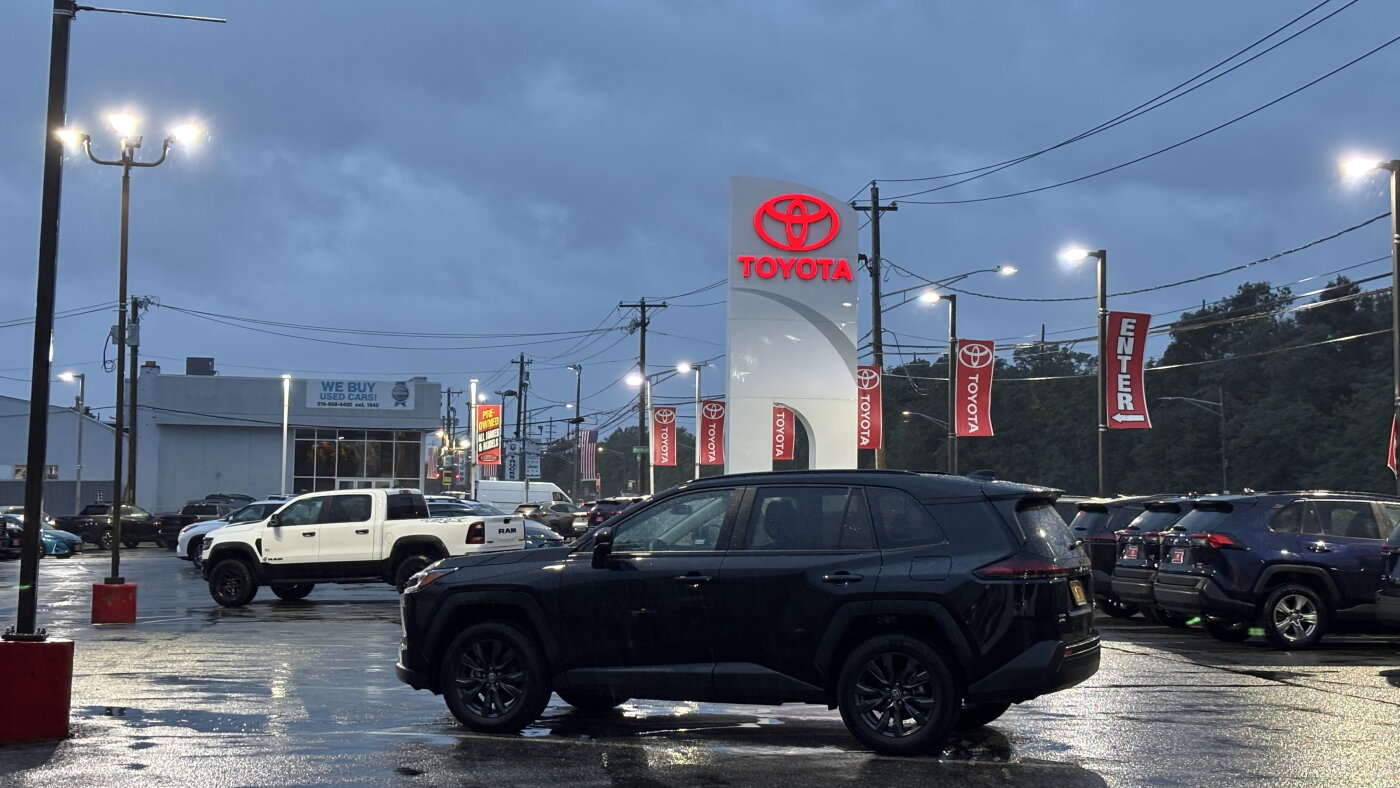
Toyota dominates the hybrid market with 44% of all hybrid registrations, making Toyota-compatible products the highest-volume opportunity. However, Kia and Hyundai are gaining significant ground and represent growth opportunities with less saturated accessory markets. Sellers should prioritize sourcing products compatible with Toyota's Prius, Camry Hybrid, and RAV4 Hybrid models, while simultaneously developing Kia Niro Hybrid and Hyundai Ioniq Hybrid accessories to capture market share from competitors. The competitive dynamics favor sellers offering multi-brand compatibility solutions, as consumers increasingly compare hybrid options across manufacturers.