

Walmart Drone Delivery Expansion | Last-Mile Logistics Shift for Sellers
- Drone delivery reaches 20 US metros by 2025; impacts fulfillment strategy for 3M+ customers and 270+ Walmart stores
Overview
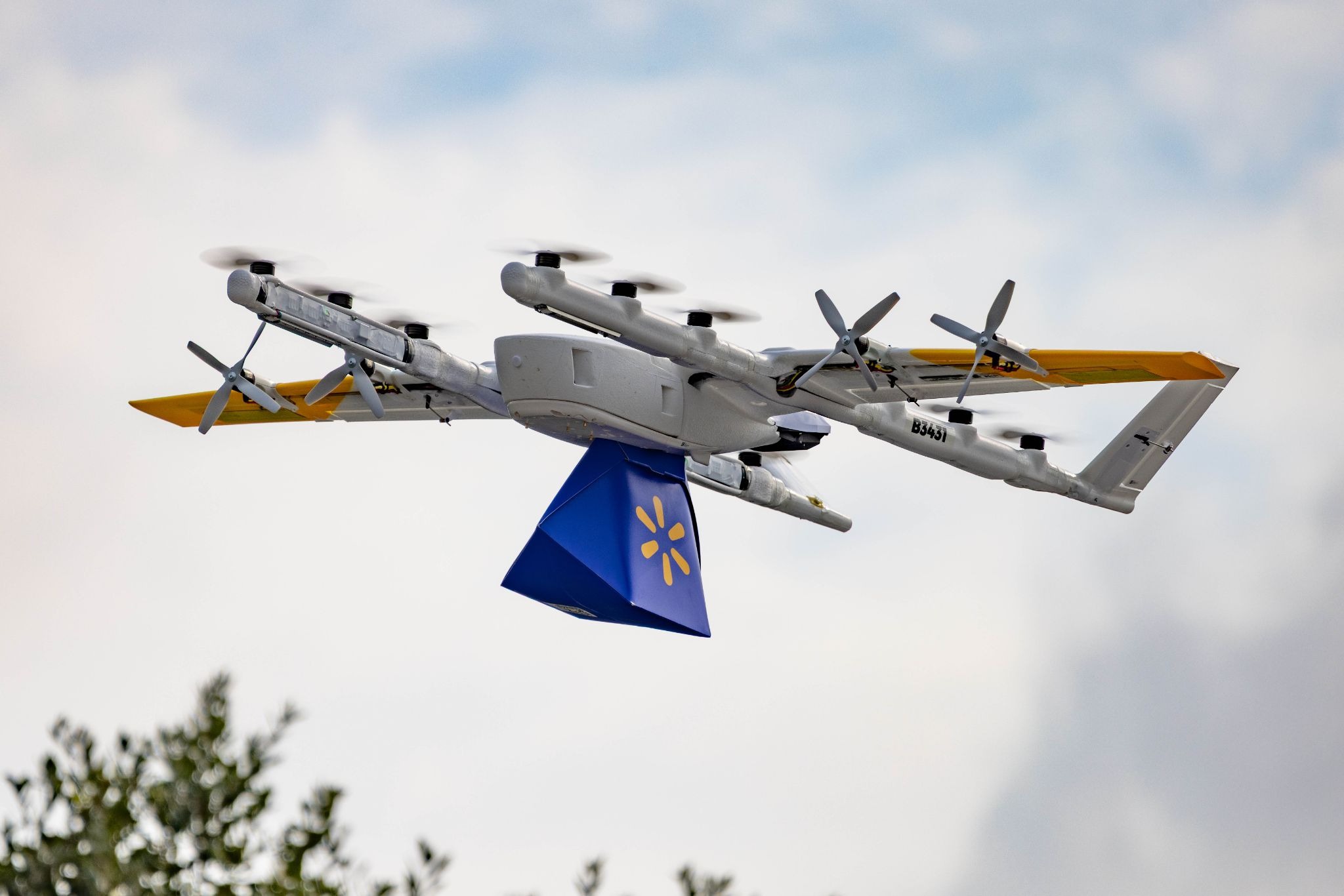
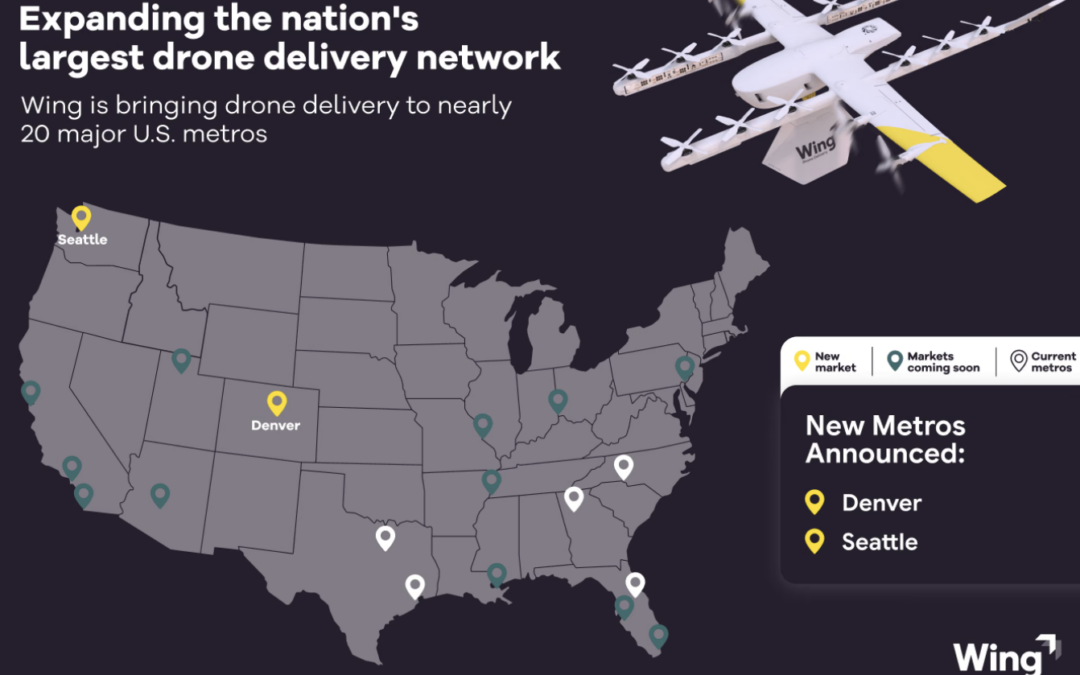
Walmart's drone delivery expansion to Seattle and Denver in 2025 represents a fundamental shift in last-mile logistics that directly impacts how third-party sellers and fulfillment providers must position inventory and optimize delivery strategies. The partnership between Walmart and Alphabet's Wing now serves over 3 million customers across 20 major U.S. markets (Dallas-Fort Worth, Atlanta, Houston, Orlando, and expanding to Seattle/Denver), with drones capable of delivering packages up to 5 pounds within minutes. This acceleration coincides with Amazon's announcement to expand Prime Air to nearly 500 U.S. cities by end of 2026, signaling that drone delivery is transitioning from pilot to core logistics infrastructure.
For third-party sellers and logistics providers, this creates immediate inventory positioning opportunities. The drone delivery model fundamentally changes fulfillment economics: packages under 5 pounds can now reach customers in 5-15 minutes from Walmart's 270+ store locations, eliminating traditional 2-day shipping costs ($2-4 per package) and warehouse holding expenses. Sellers should immediately audit their product catalog to identify high-velocity, sub-5-pound items (electronics accessories, OTC medications, groceries, small home goods) that qualify for drone delivery. Categories like phone chargers, vitamins, pain relievers, and small kitchen gadgets become premium fulfillment candidates. The Seattle and Denver expansion tests operational resilience in challenging climates (Pacific Northwest rain, Colorado winters), indicating Walmart is validating the model for nationwide scaling.
Strategic warehouse positioning must shift toward Walmart's store network rather than traditional fulfillment centers. Sellers currently using 3PL warehouses in major metros should evaluate co-location or direct partnerships with Walmart's 270+ drone-enabled stores. The cost advantage is substantial: drone delivery eliminates last-mile carrier fees (typically $3-8 per package), reduces inventory holding costs by 40-60% through faster turnover, and improves customer satisfaction metrics that drive Buy Box eligibility on competing platforms. For sellers with inventory in Dallas, Atlanta, Houston, or Orlando, immediate optimization is critical—these markets have proven drone delivery demand. Seattle and Denver sellers should prepare inventory repositioning by Q2 2025 when drone operations launch.
Competitive pressure intensifies as Amazon, Lowe's, and other retailers prioritize drone logistics. Amazon's 500-city expansion by 2026 and Lowe's home improvement pilot signal that drone delivery will become table-stakes for fast-moving consumer goods. Sellers not optimizing for sub-5-pound, high-velocity products risk losing Buy Box share to competitors leveraging drone fulfillment. The operational efficiency gains—reduced shipping costs, faster inventory turnover, improved delivery metrics—create a 15-25% cost advantage for sellers aligned with drone-enabled fulfillment networks.
Questions 8
How should sellers optimize product listings for drone delivery eligibility?
Sellers should update product listings to highlight drone delivery eligibility: weight under 5 pounds, dimensions under 12x12x12 inches, and availability in drone-enabled metros (Dallas, Atlanta, Houston, Orlando, Seattle, Denver by 2025). Amazon and Walmart seller dashboards will likely add drone delivery badges to eligible products, similar to Prime eligibility indicators. Sellers should ensure accurate weight and dimension data in product feeds—misclassification can disqualify items from drone fulfillment. Optimizing product titles and descriptions for 'fast delivery' and 'same-day shipping' keywords improves visibility in search results. Sellers should also monitor competitor listings to identify which product categories are gaining drone delivery adoption first.
How does drone delivery impact inventory holding costs and working capital?
Drone delivery reduces inventory holding costs by 40-60% through 5-15 minute delivery windows, compared to 2-3 day traditional shipping. For a seller holding $50,000 in inventory at 0.5% daily holding cost, this represents $250 daily savings ($7,500 monthly). Faster turnover improves working capital efficiency, allowing sellers to reinvest capital into new inventory or marketing. Seasonal products benefit most: a seller with $100,000 in cold/flu remedies can reduce holding costs from $1,500 to $600 monthly during peak season. The cumulative impact on annual cash flow for a mid-sized seller is $20,000-50,000, making drone fulfillment a strategic financial advantage.