


Windows AI Search & Hybrid Intelligence | Seller Productivity Automation Opportunity
- Microsoft's Copilot-powered search launching Fall 2026 enables sellers to automate inventory, document, and customer workflows; 5-8 hours/week time savings potential for e-commerce operations teams





Overview
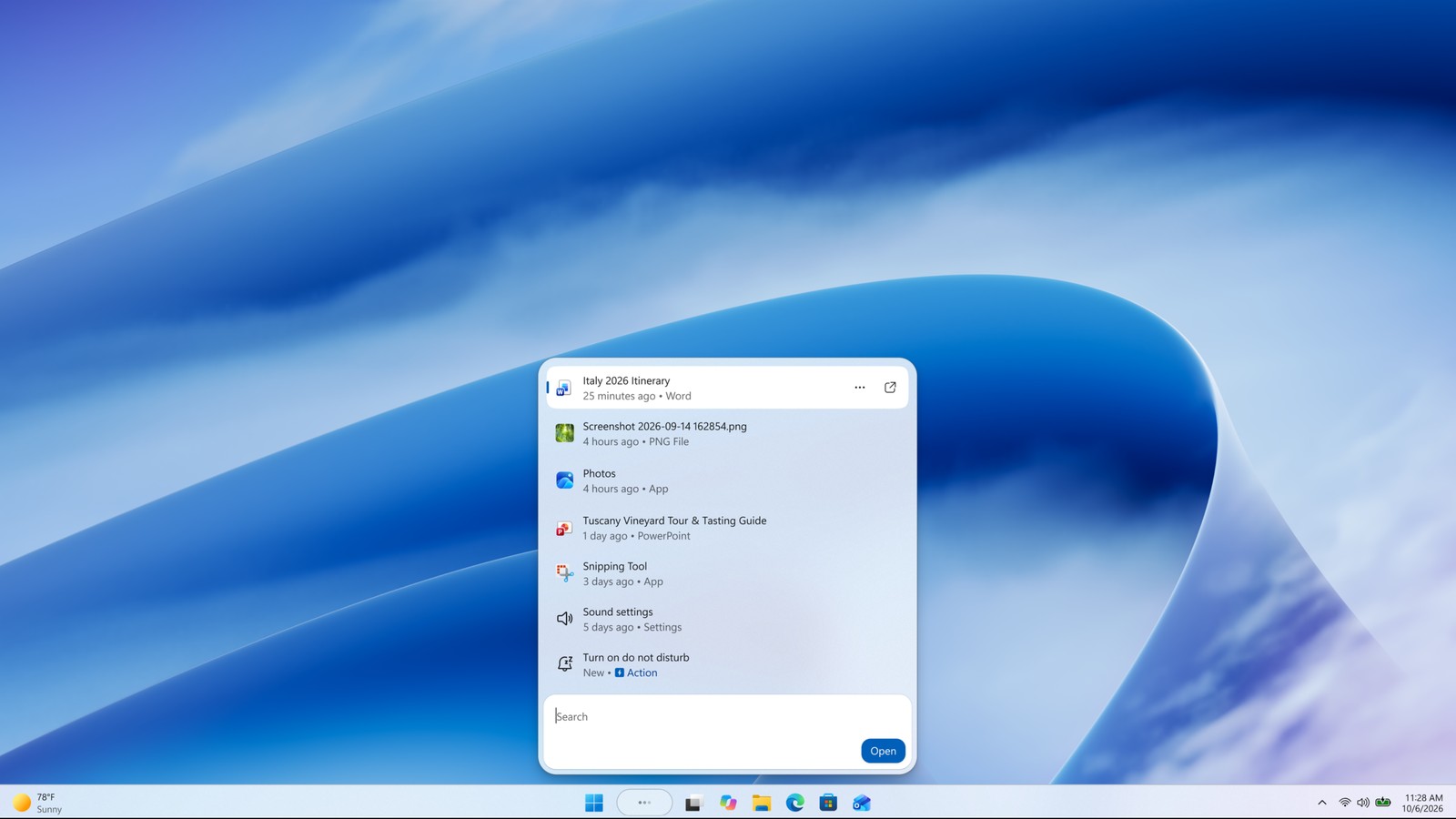
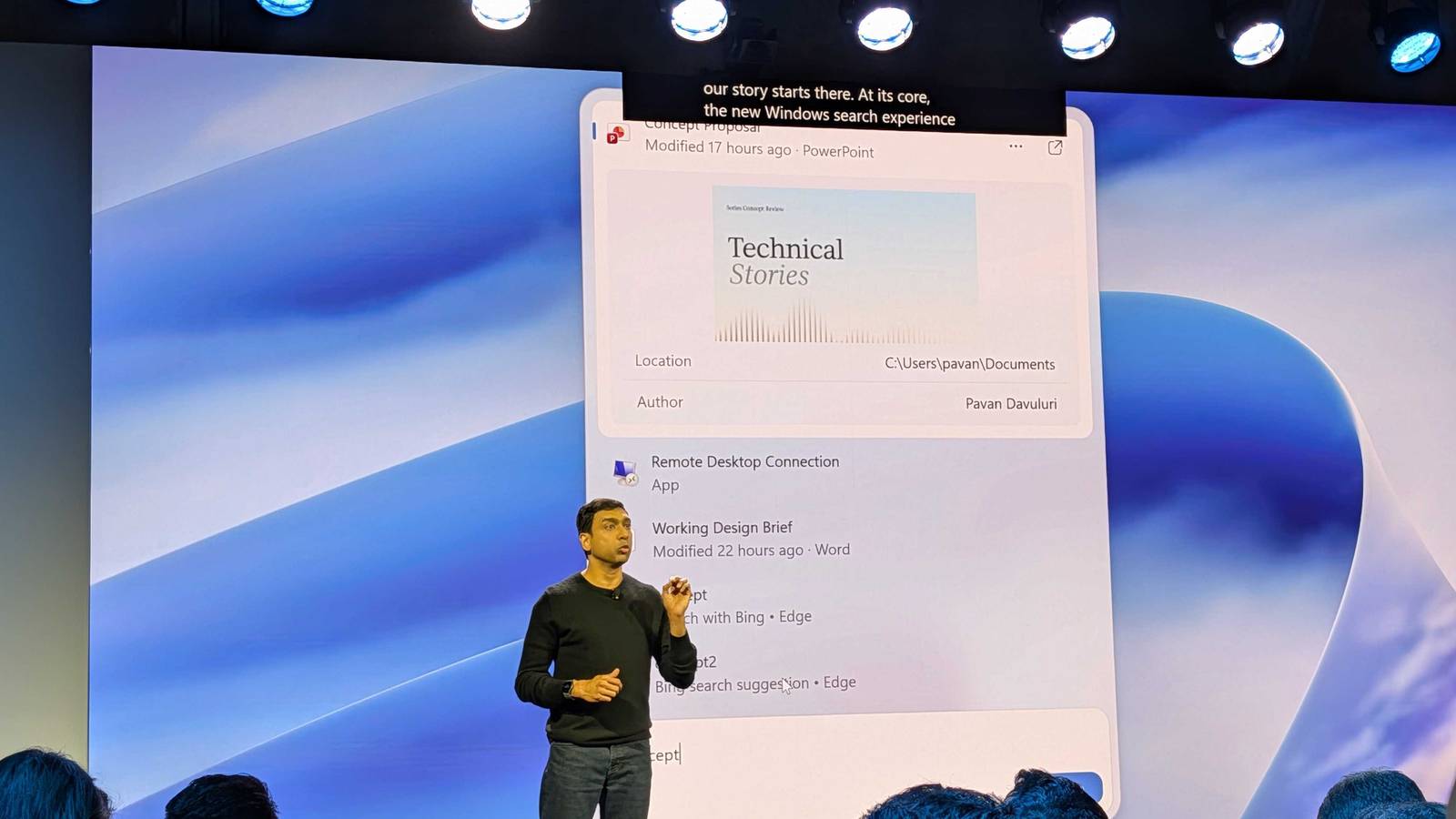
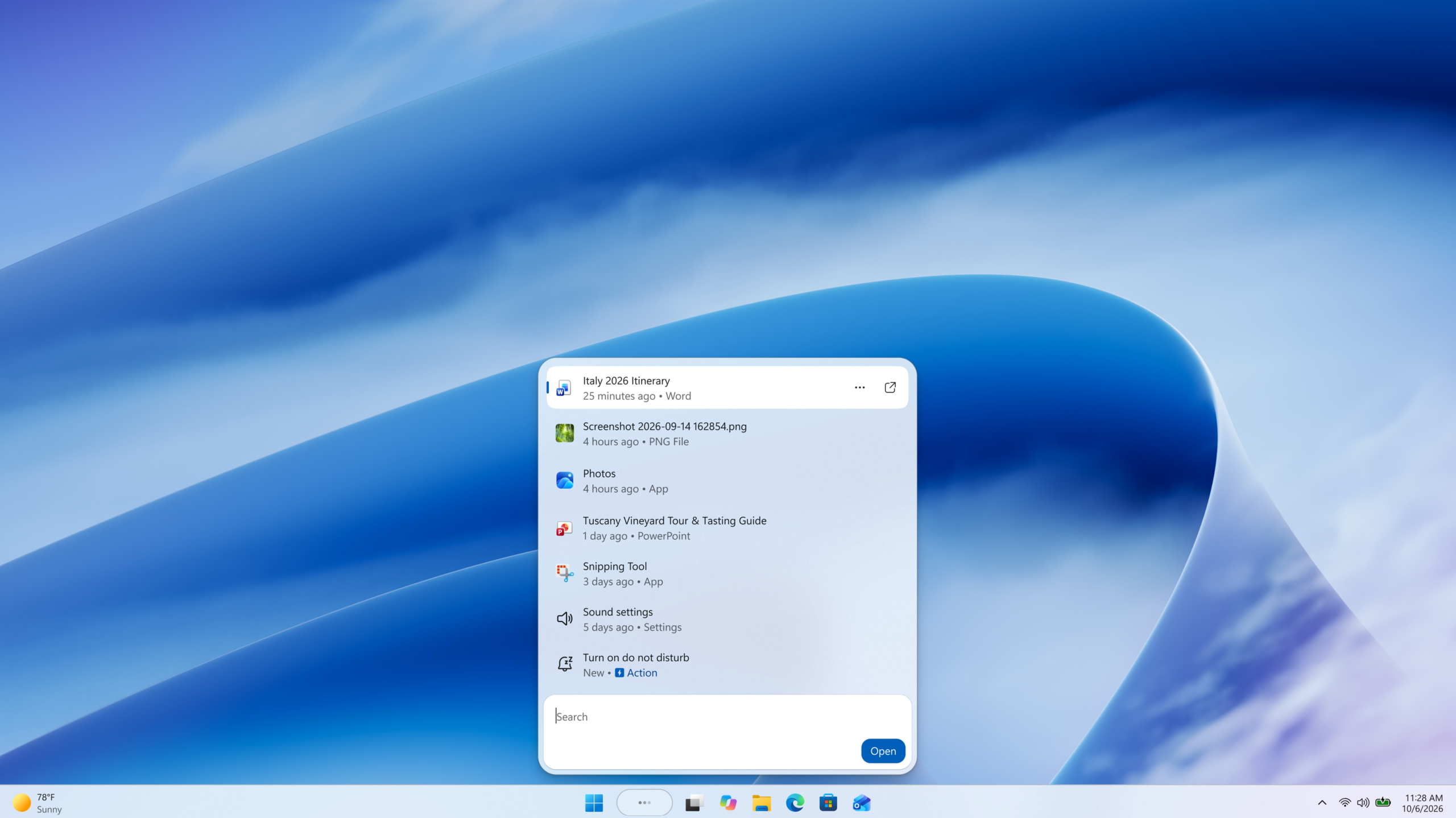
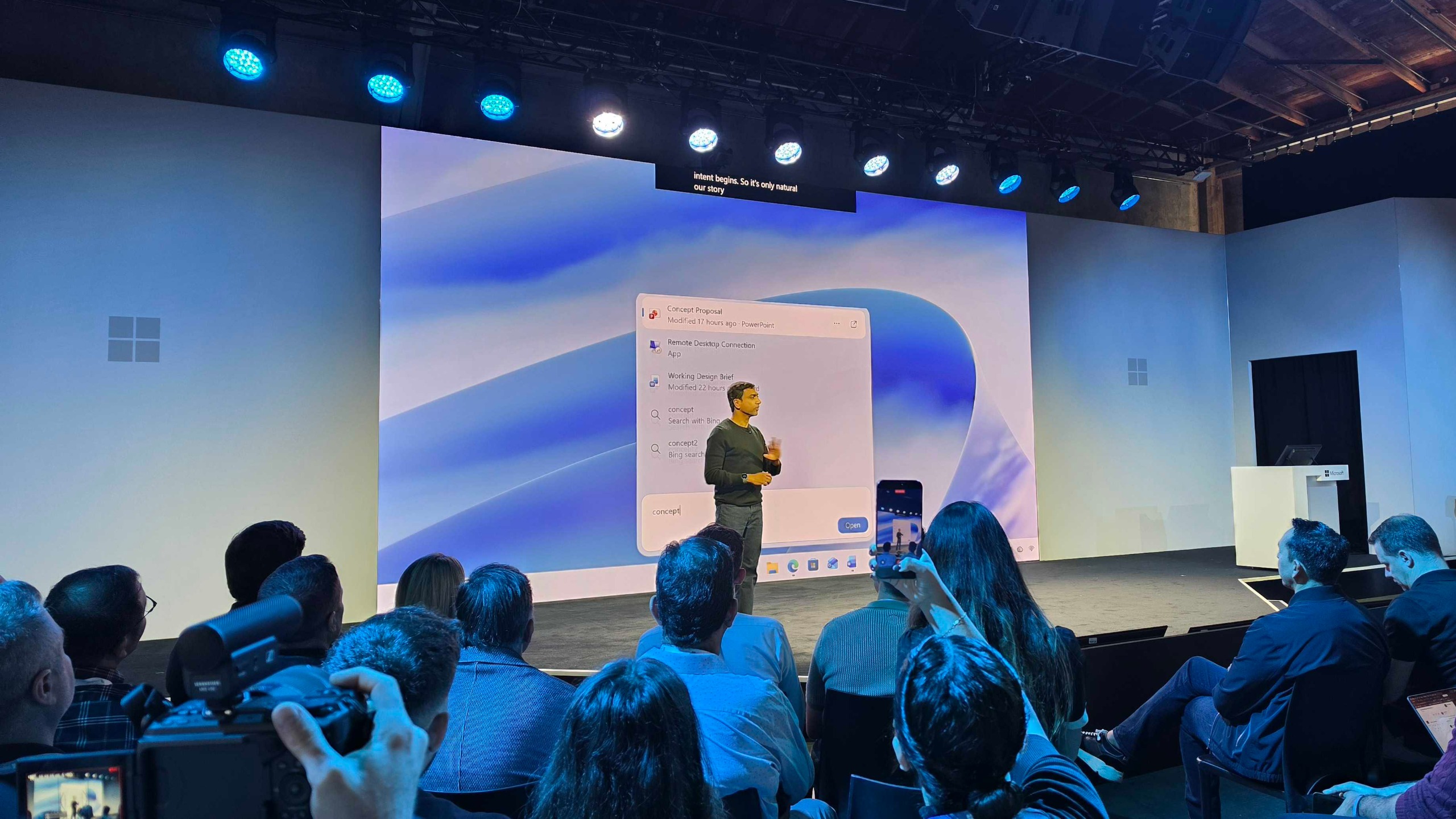
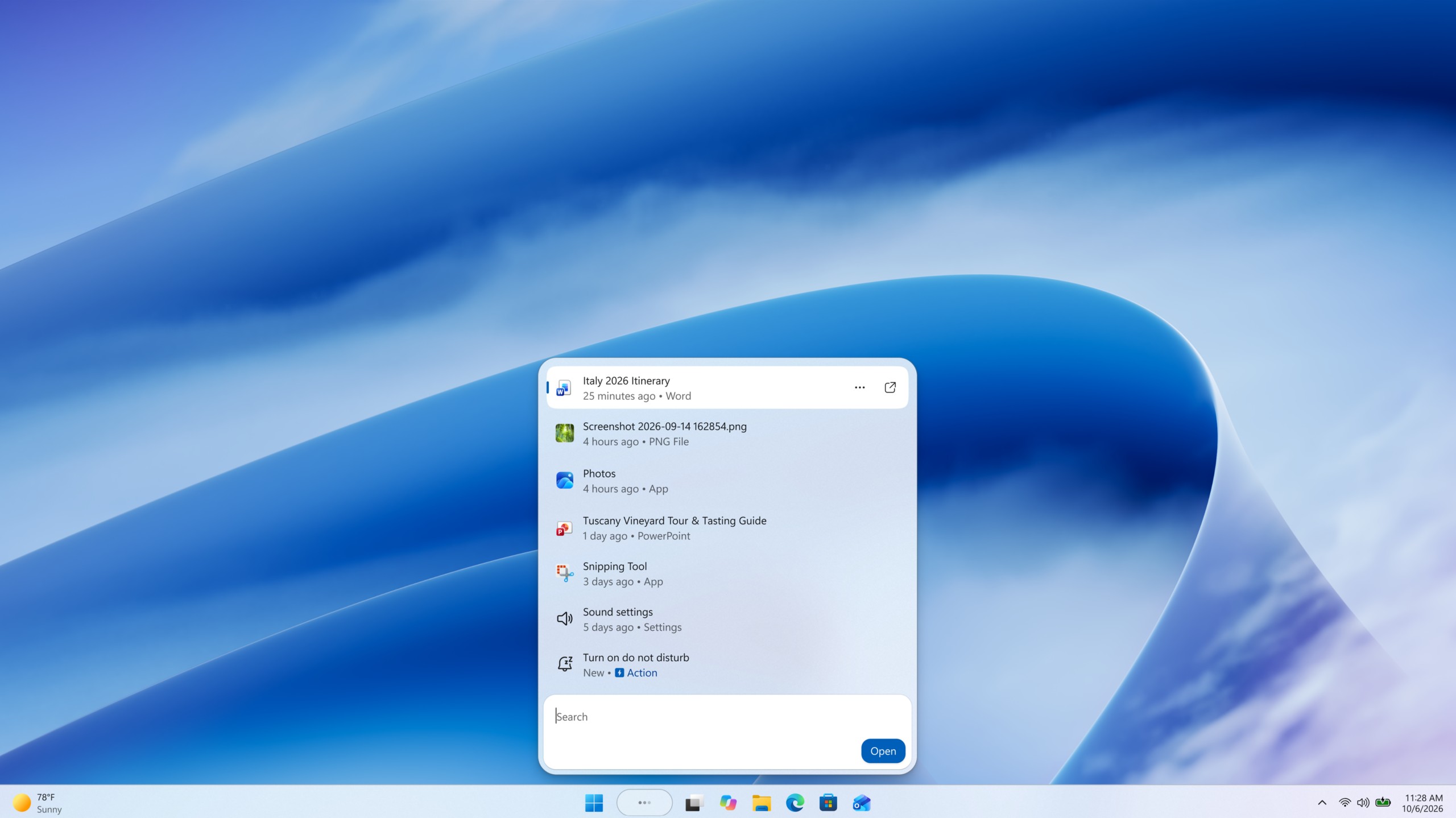
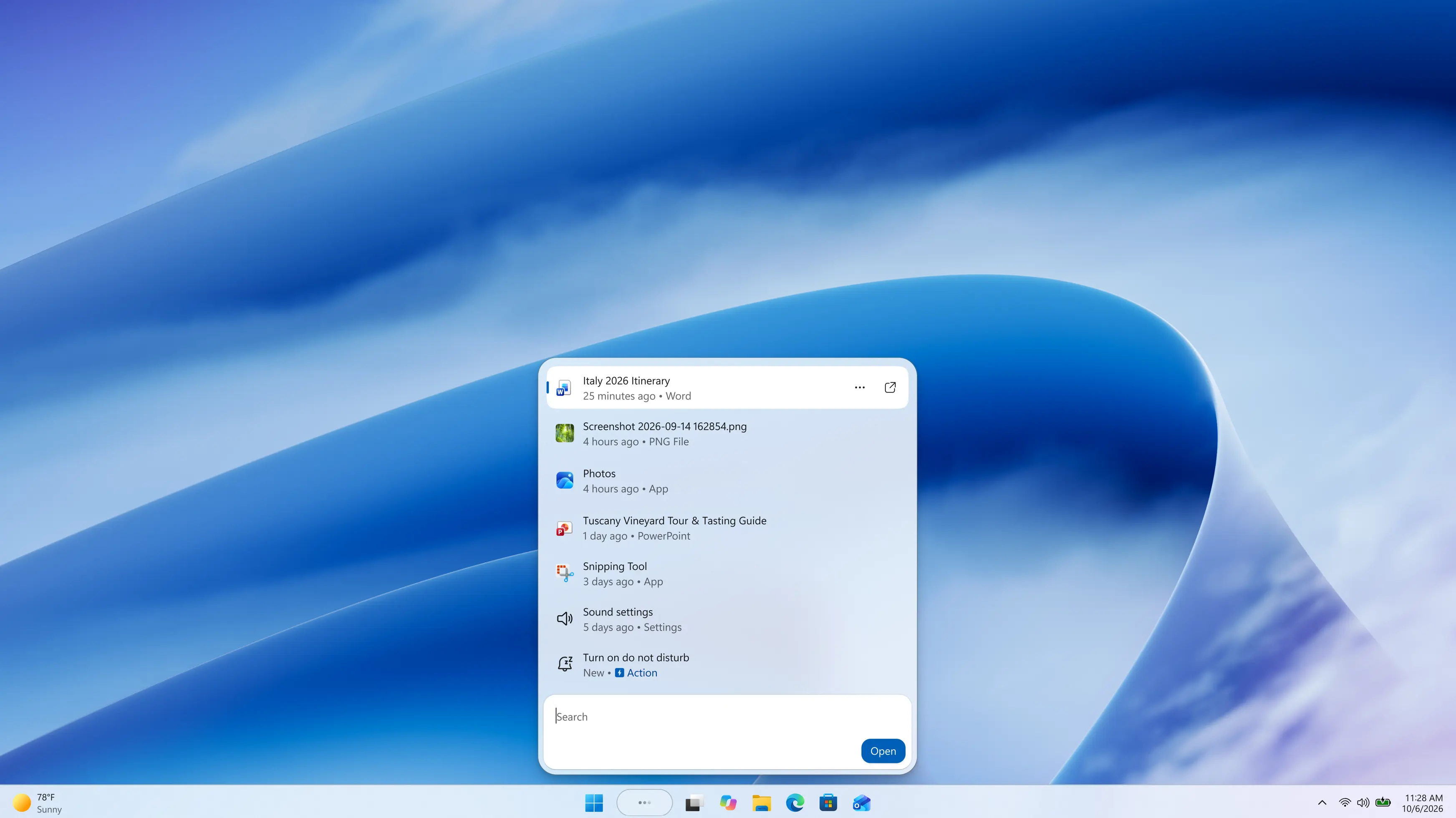
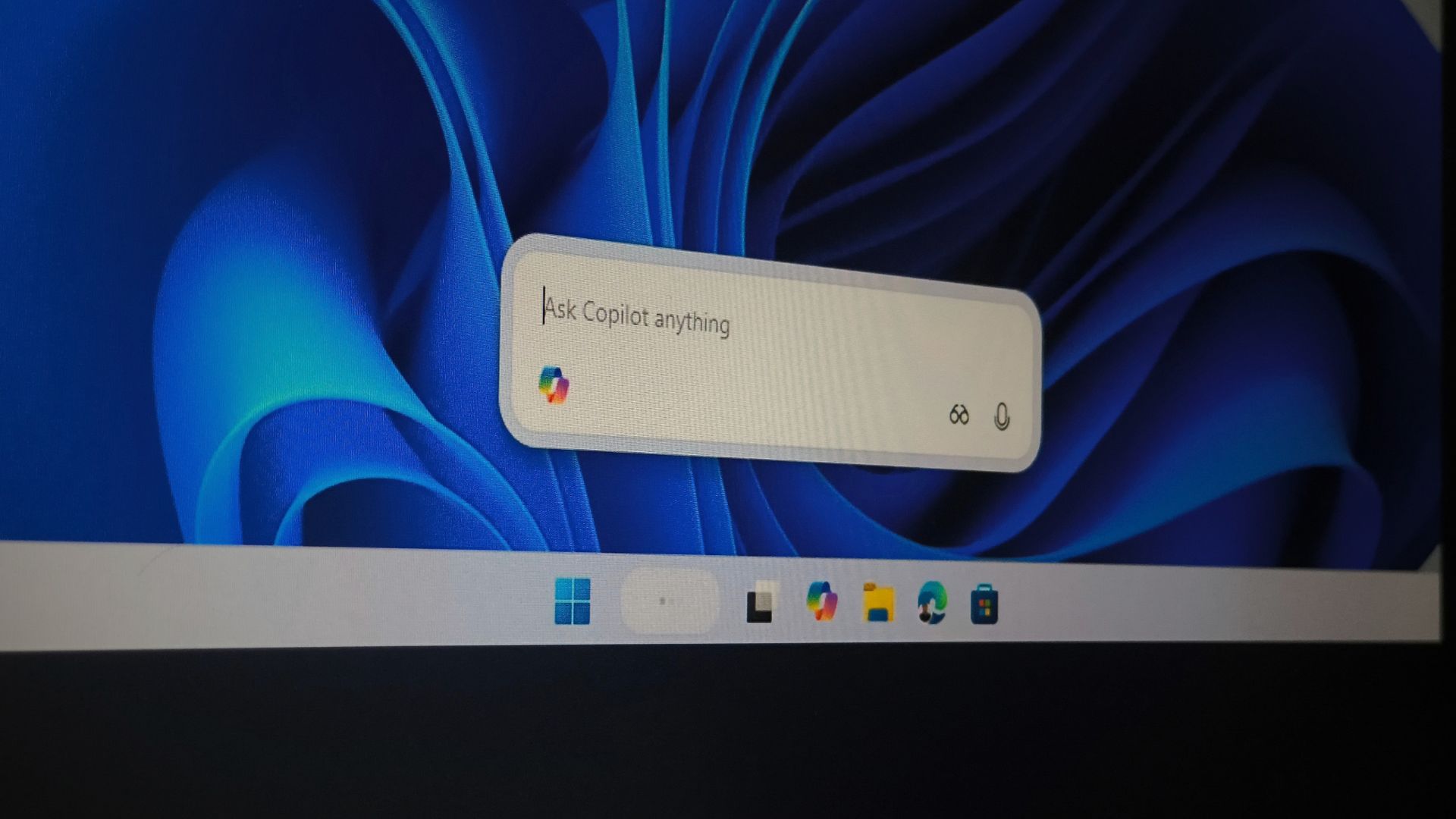
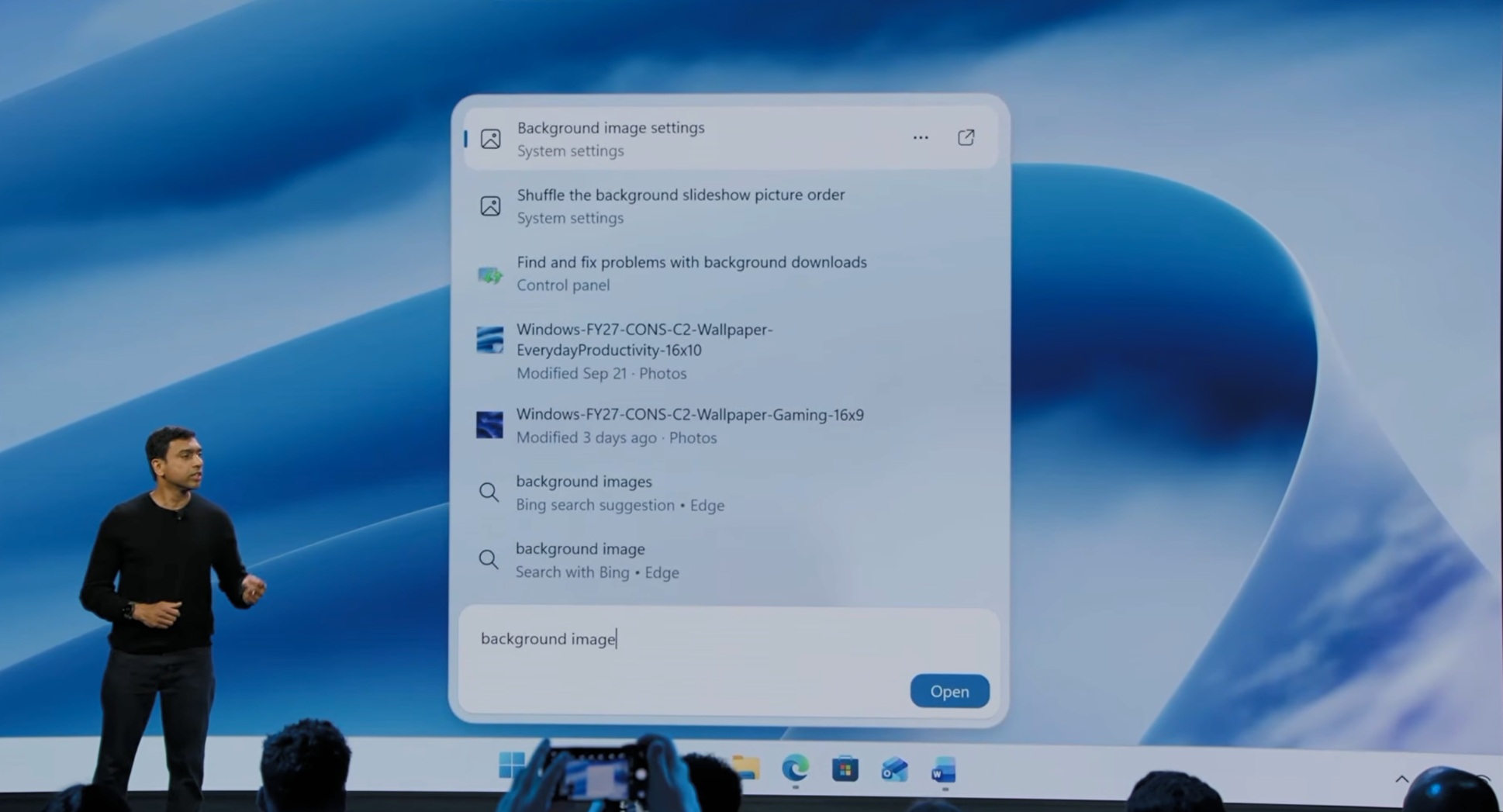
Microsoft's fundamental redesign of Windows 11 Search, announced at the October 2026 Surface event, transforms the operating system into an AI-powered agent interface rather than a traditional keyword-based search tool. The company introduced Hybrid Intelligence, a software orchestration suite enabling PCs to run AI models locally through Microsoft Execution Containers (MXC) technology, addressing privacy and cost concerns while maintaining security. Executive Vice President Pavan Davuluri demonstrated the new Search Menu enabling users to execute thousands of actions through natural language commands—toggling dark mode, adjusting microphone volume via inline sliders, and accessing Copilot without separate launches. The redesigned search experience, launching Fall 2026, prioritizes speed and efficiency while maintaining contextual inference capabilities.
For cross-border e-commerce sellers using Windows-based business systems, this represents a significant automation opportunity. The Hybrid Intelligence architecture enables Copilot to access local files and execute actions across applications without cloud transmission, directly addressing seller pain points in inventory management, document processing, and customer communication workflows. During the demonstration, Copilot successfully searched multiple folders to locate tax documents, renamed files, compressed them into zip folders, and drafted emails with attachments—all without manual intervention. This capability translates directly to seller operations: automated SKU organization, batch file processing for customs documentation, and AI-assisted customer response drafting.
The immediate automation wins for sellers include: (1) Inventory Search Acceleration: Natural language queries like "show me all electronics SKUs below 50 units" replace manual spreadsheet filtering, saving 2-3 hours weekly for inventory managers; (2) Document Processing Automation: Copilot can now organize supplier invoices, customs forms, and shipping documentation across local folders without cloud uploads, reducing compliance risk and processing time by 40-50%; (3) Customer Communication Drafting: AI agents can draft responses to customer inquiries by searching order history and product specifications locally, reducing response time from 30 minutes to 5 minutes per ticket. The phased rollout approach (coming months for Hybrid Intelligence, Fall 2026 for Search Menu) suggests Microsoft is prioritizing stability and security testing before full deployment, giving sellers time to prepare integration workflows.
Competitive intelligence advantage emerges through predictive analytics on local data. Sellers can now run AI analysis on Windows-stored sales data, customer feedback, and inventory trends without exposing sensitive information to cloud servers. This enables real-time demand forecasting, margin analysis by SKU, and supplier performance tracking—capabilities previously requiring expensive third-party SaaS tools. The integration of Copilot directly into search functionality represents a shift toward conversational interfaces in operating system design, potentially affecting third-party search integrations and business software compatibility. Sellers should monitor how their ERP systems, inventory management tools, and customer relationship platforms adapt to this new AI-agent search model.
Questions 8
How can cross-border sellers use Windows Hybrid Intelligence to automate inventory management?
Hybrid Intelligence enables sellers to run AI-powered inventory analysis locally on Windows PCs without uploading sensitive data to cloud servers. Sellers can use natural language commands like 'show me all SKUs with inventory below 30 days of stock' to instantly identify reorder needs, or 'compare margin by category' to optimize pricing. The local processing model eliminates cloud transmission delays (typically 2-5 seconds per query) and reduces compliance risk for sellers handling customer data. According to Microsoft's demonstration, Copilot can organize files and execute batch operations across multiple folders in seconds, translating to 3-5 hours weekly time savings for inventory teams managing 500+ SKUs.
What AI automation opportunities exist for cross-border seller customer service workflows?
Hybrid Intelligence enables Copilot to draft customer communications by searching local order history, product specifications, and customer interaction records without cloud transmission. Sellers can use natural language prompts like 'draft a response to this customer's shipping delay inquiry' and Copilot generates contextually appropriate responses in seconds. This reduces customer service response time from 30 minutes to 5 minutes per ticket, enabling small seller teams to handle 2-3x more inquiries daily. The local processing model ensures customer data remains on the seller's Windows PC, addressing privacy concerns for sellers handling international customer communications subject to GDPR and regional regulations.