




Rising Treasury Yields & Global Bond Sell-Off | Critical Working Capital Impact for Cross-Border Sellers
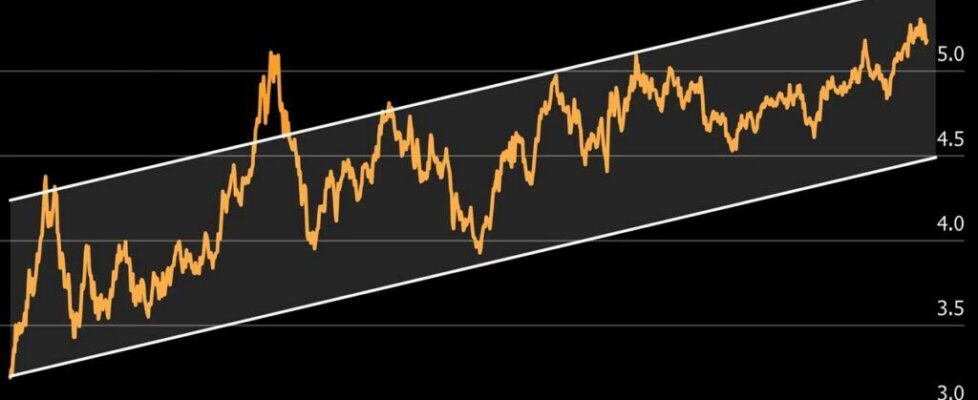
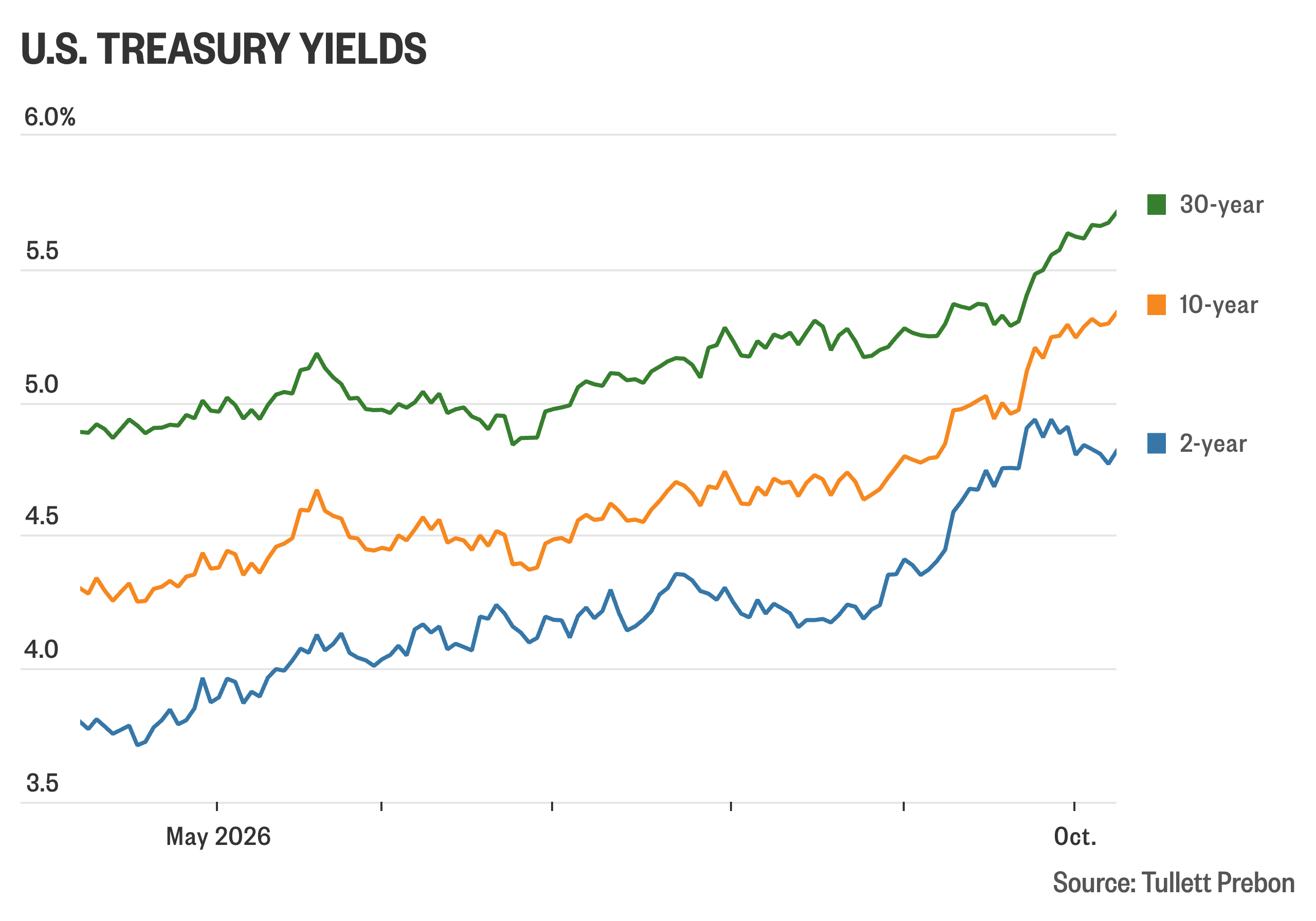
- 10-year yields hit 5.35% (24-year high), increasing financing costs 150-250 bps for inventory loans; immediate cash flow pressure on sellers with $50K+ monthly inventory investment


































Overview
The October 7, 2026 global bond sell-off has triggered a critical financing crisis for cross-border e-commerce sellers. U.S. Treasury yields reached 24-year highs—the 10-year yield climbed to 5.35%, the 30-year to 5.73%—while international markets experienced severe turmoil with French and Italian government bonds posting their largest single-day increases since March, and the U.K.'s 30-year yield hitting its highest point since 1998. This yield spike directly translates to immediate cost increases across all seller financing products: inventory loans, purchase order financing, and supply chain finance facilities that track Treasury rates plus 150-250 basis points are now 50-100 bps more expensive than 30 days ago.
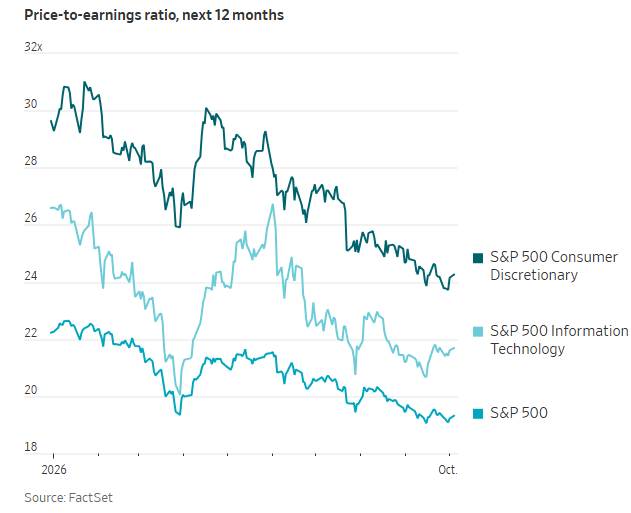
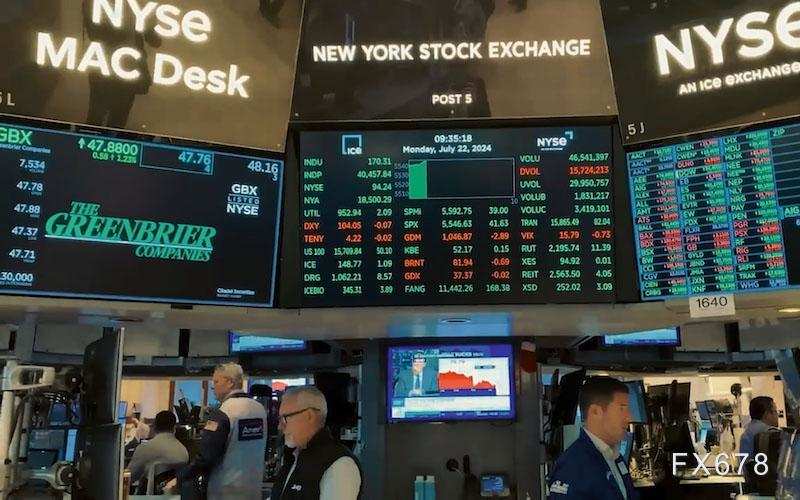
For sellers relying on working capital financing, the math is brutal. A seller with $100K monthly inventory investment financed at SOFR+200bps now faces an additional $500-800/month in interest costs. More critically, lenders are tightening credit availability—the global stock market decline (S&P 500 down 0.6%, Nasdaq down 0.8%, Europe's Stoxx 600 down 1%, Italy's FTSE MIB down 2.5%) signals reduced risk appetite among financial institutions. Trade finance providers like Stripe Capital, Amazon Lending, and traditional factoring platforms are already implementing stricter underwriting and reducing maximum advance amounts. The IMF's warning about "unprecedented debt levels" and the end of the 17-year period of rates below GDP growth fundamentally changes the borrowing environment—sellers can no longer assume cheap capital will remain available.
The secondary impact hits currency hedging and cross-border payment costs. Rising U.S. rates typically strengthen the dollar, creating FX headwinds for sellers with EUR, GBP, or CNY exposure. The 10-year yield increase of 3 basis points (News 1) combined with the broader 24-year high (News 2) signals sustained rate pressure, meaning sellers holding inventory in European or Asian markets face potential 2-4% currency depreciation over the next 90 days. Payment providers like Wise, OFX, and Remitly are widening spreads on cross-border transfers as volatility increases. Additionally, oil prices rose 1% to over $102/barrel, directly increasing logistics costs—shipping rates from Asia to U.S. typically increase $0.15-0.30 per pound when crude exceeds $100/barrel, compressing margins 3-8% for sellers with thin logistics budgets.
Immediate seller actions required within 7-14 days: (1) Lock in inventory financing rates NOW before further tightening—compare Amazon Lending, Stripe Capital, Shopify Capital, and traditional factoring rates immediately; sellers with 60+ day payment terms can save $2-5K monthly by locking rates today vs. waiting 30 days. (2) Accelerate inventory turnover—reduce SKU count by 15-20% to lower working capital requirements and minimize exposure to rising financing costs. (3) Hedge currency exposure for EUR/GBP/CNY inventory—forward contracts now cost 40-60 bps but protect against 2-4% depreciation risk over 90 days. (4) Shift payment timing—negotiate 30-day terms with suppliers instead of 15-day to reduce daily cash burn. (5) Evaluate 3PL inventory financing alternatives like Flexport Capital or Agora Freight Finance which may offer better rates than platform lenders during market stress. The 78% probability of Fed rate maintenance (per CME FedWatch) suggests yields will remain elevated for 4-6 weeks minimum, making immediate action critical before credit conditions deteriorate further.
Questions 8
How does the global bond sell-off impact currency hedging costs for sellers with European or Asian inventory?
Rising U.S. Treasury yields typically strengthen the dollar, creating FX headwinds for sellers with EUR, GBP, or CNY exposure. The 24-year high in Treasury yields signals sustained dollar strength, meaning sellers holding inventory in Europe or Asia face potential 2-4% currency depreciation over 90 days. Currency hedging via forward contracts now costs 40-60 basis points (up from 20-30 bps in normal markets) but protects against this depreciation risk. A seller with €50K inventory exposure faces a potential €1,000-2,000 loss if the euro weakens 2-4%, but hedging costs €200-300 monthly. The cost-benefit analysis favors hedging for sellers with >€30K exposure and 60+ day inventory holding periods. Platforms like **Wise, OFX, and Remitly** are widening spreads during volatility, so sellers should lock in rates immediately rather than waiting for market stabilization.
What immediate actions should sellers take to lock in financing rates before they rise further?
Sellers should apply for inventory financing within 7-14 days while rates stabilize. The CME FedWatch tool shows a 78% probability the Fed will hold rates steady at the next meeting, suggesting a 4-6 week window before further increases. Sellers should: (1) Compare rates across **Amazon Lending (typically 6-12% APR), Stripe Capital (8-15% APR), and traditional factoring (10-18% APR)** to identify the lowest-cost option; (2) Lock in fixed-rate terms for 6-12 months if available—this protects against further yield increases; (3) Accelerate inventory turnover by 15-20% to reduce the total amount financed; (4) Negotiate extended payment terms (30-45 days) with suppliers to reduce daily working capital needs. Waiting 30+ days risks facing 50-100 bps higher rates as credit conditions tighten.