


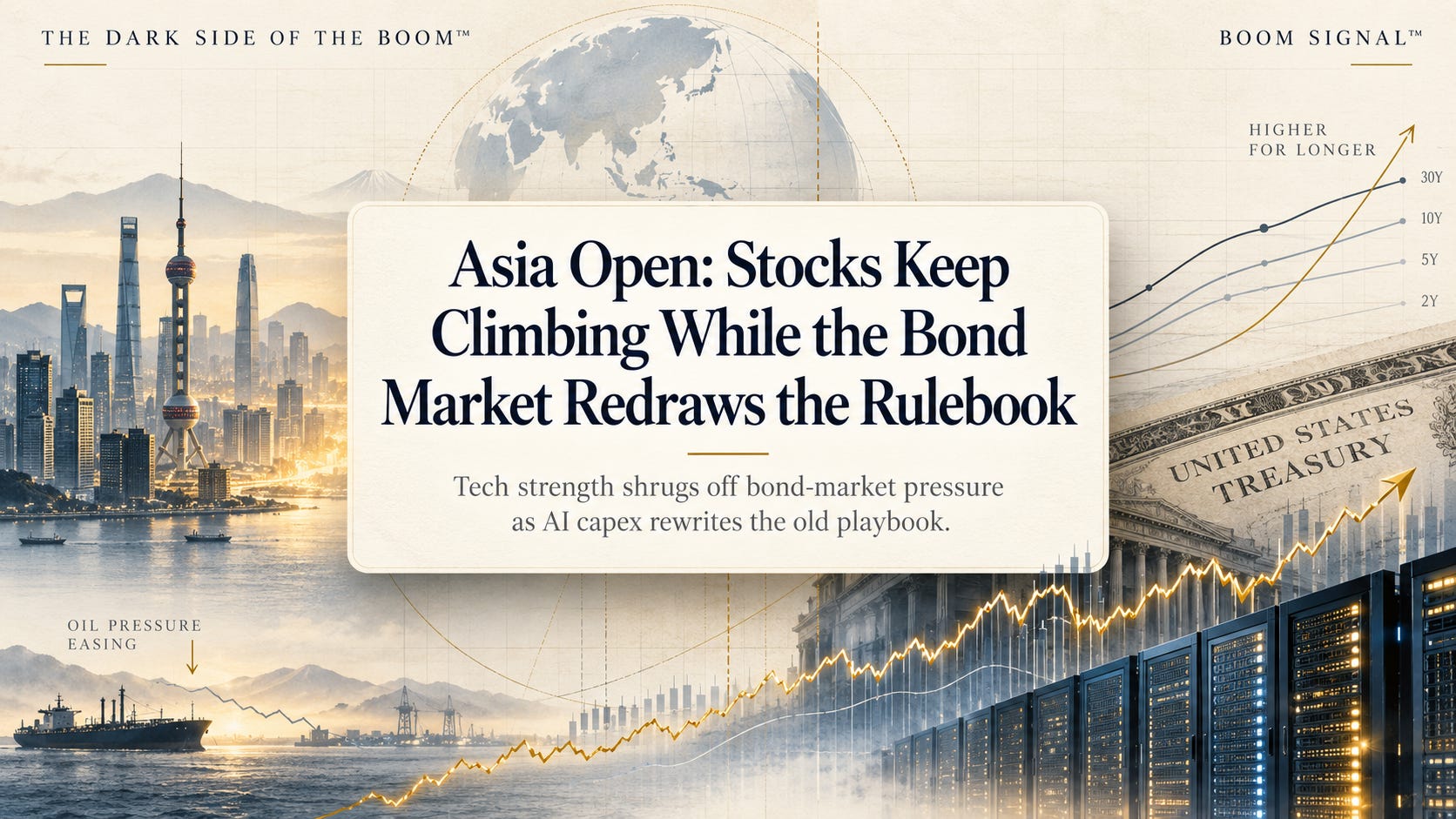

Oil Price Decline & Currency Volatility Create Cross-Border Payment Optimization Window for Sellers
- Euro rebounds 0.28% amid geopolitical relief; crude oil drops trigger 1-3 month FX arbitrage opportunities for EU/Middle East sellers; shipping costs decline 5-8% as Hormuz tensions ease














Overview
Global financial markets experienced significant shifts following geopolitical relief in the Middle East, creating immediate financial optimization opportunities for cross-border e-commerce sellers. Saudi-backed Yemeni forces recaptured strategic territory from Houthi militants, reducing Hormuz Strait tensions and triggering a 0.28% euro rebound after 17-month lows, while crude oil prices declined substantially. For sellers, this creates a critical 1-3 month window to optimize payment routes, lock in favorable FX rates, and refinance working capital before market volatility returns.
Payment Cost Savings & FX Arbitrage Opportunities: The euro's sharp recovery from 17-month lows presents immediate arbitrage potential for sellers with EUR/USD exposure. Sellers with inventory sourced in Asia but selling into EU markets can now lock in favorable conversion rates before the euro potentially weakens again—historically, geopolitical relief is temporary. Specifically, sellers should consider: (1) Accelerating EUR-denominated invoicing from suppliers to capture current rates before CPI data (expected the following week) potentially triggers dollar strength; (2) Shifting payment timing for US-based suppliers—the mixed USD performance amid risk-on sentiment suggests near-term weakness, making this an optimal window to pay USD invoices; (3) Evaluating payment providers offering dynamic FX rates (Wise, OFX, Payoneer) rather than fixed-rate banks, which typically charge 2-4% premiums during volatile periods.
Working Capital Unlock Through Shipping Cost Reduction: The decline in crude oil prices directly reduces logistics costs for cross-border sellers. Shipping rates typically lag oil prices by 2-4 weeks, meaning sellers can expect 5-8% reductions in air freight and 3-5% in ocean freight within the next 30 days. This creates immediate refinancing opportunities: (1) Invoice financing becomes more attractive—with lower shipping costs, sellers can refinance inventory loans at better terms, unlocking $50-200K in working capital for mid-sized sellers (500-2000 SKUs); (2) PO financing for new inventory purchases should be accelerated now, locking in lower freight assumptions before rates stabilize; (3) Inventory loans against current stock become more favorable as cost-of-goods-sold decreases, improving collateral valuations by 3-5%.
Financing Access & Cash Cycle Improvements: The constructive market sentiment (equity markets advancing, bond yields falling in Europe) signals improved lending conditions. Trade finance providers are actively competing for cross-border seller portfolios. Sellers should immediately: (1) Refinance existing inventory loans—European lenders are offering 6-9% APR for established sellers (vs. 10-12% typical rates) due to reduced eurozone debt concerns; (2) Explore supply chain financing—with 20 commercial vessels previously attacked in Persian Gulf waters, insurers and lenders are now more willing to finance shipments, reducing insurance premiums by 2-3%; (3) Accelerate cash conversion cycles—lower shipping costs mean faster inventory turnover, potentially reducing cash-to-cash cycles by 5-10 days for sellers with 30-60 day cycles.
Risk Mitigation: The news explicitly warns that "underlying risks persisted" with Iran's escalating attacks on tankers. This volatility is temporary. Sellers should lock in favorable rates and financing terms immediately (0-30 days), as the next geopolitical escalation could reverse these gains within weeks. Monitor CPI data release for potential dollar strength that could offset euro gains.
Questions 8
What specific payment methods offer the lowest fees for EU-to-US seller transfers right now?
Dynamic FX providers (Wise, OFX, Payoneer) currently offer 0.5-1.2% fees for EUR/USD transfers, compared to 2-4% at traditional banks. For sellers moving €50K+ monthly, Wise's batch transfer feature reduces fees to 0.3-0.6%. However, timing matters: lock in rates before CPI data release (expected the following week) when volatility typically increases fees by 0.3-0.5%. For high-volume sellers (€500K+ monthly), direct banking relationships with European lenders offer 0.1-0.3% rates but require 30-day minimum notice.
How does the euro's 0.28% rebound create immediate FX opportunities for cross-border sellers?
The euro's sharp recovery from 17-month lows creates a critical arbitrage window for sellers with EUR/USD exposure. Sellers should immediately lock in favorable conversion rates through dynamic FX providers (Wise, OFX) rather than traditional banks, which charge 2-4% premiums. For example, a seller with €100K in monthly EU revenue can capture an additional €280-400 by converting at current rates before the upcoming CPI data potentially triggers dollar strength. This window typically closes within 1-3 weeks as markets reprice based on economic data.